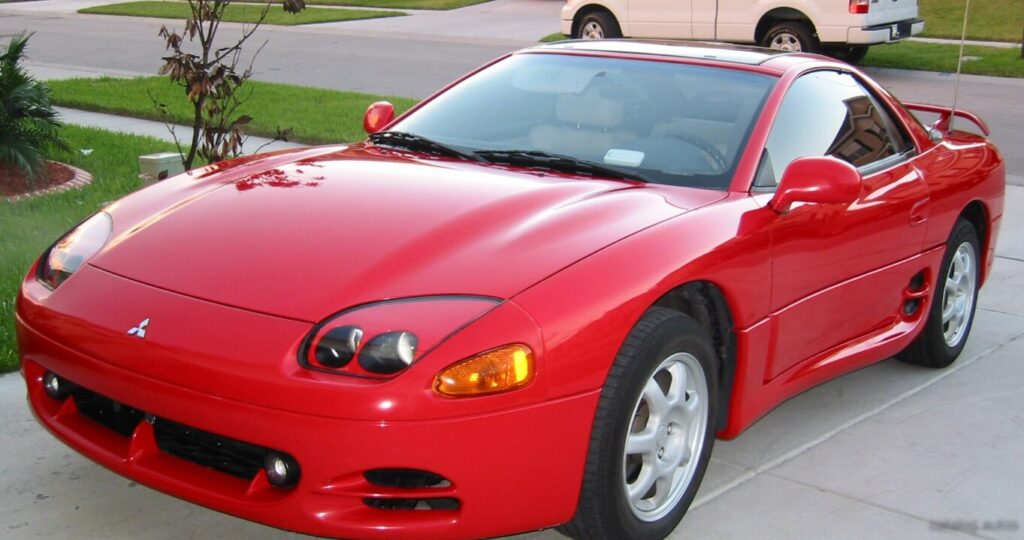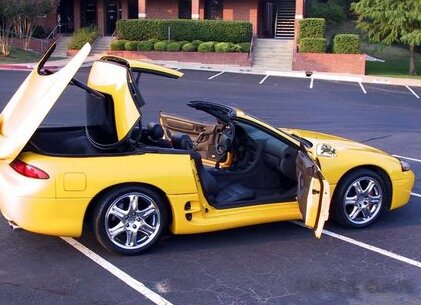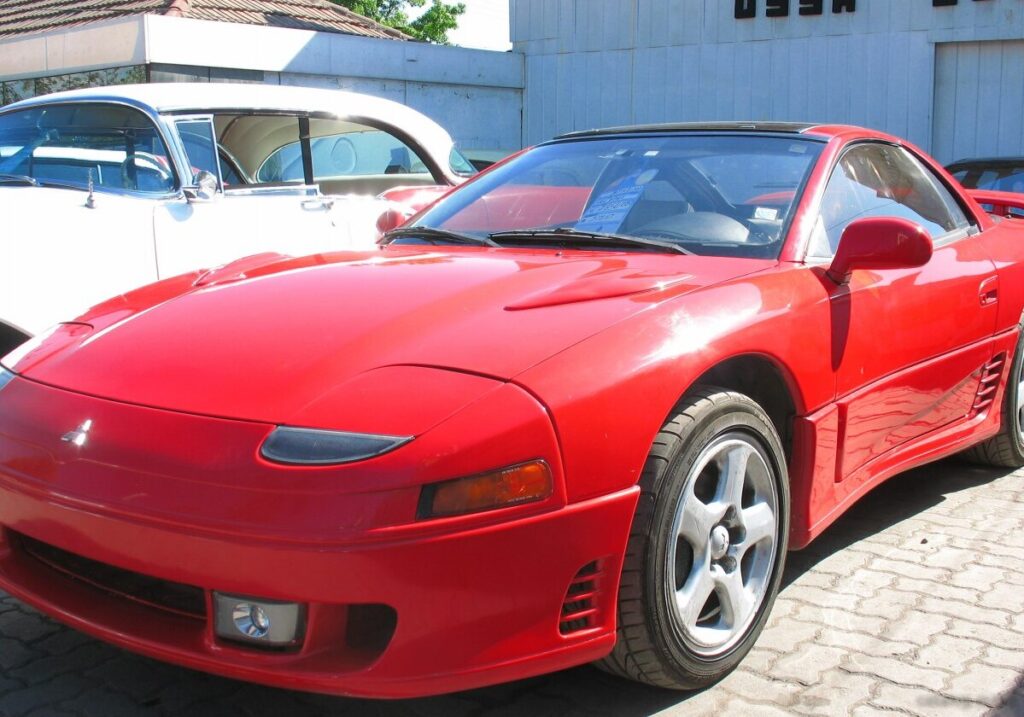
The Mitsubishi 3000 GT 3.0 V6 24V Automatic, produced between 1990 and 1993, represents a significant entry point into the second generation of Mitsubishi’s iconic sports coupe. Positioned as a more accessible variant within the 3000 GT lineup, it offered a blend of performance and comfort, appealing to buyers who desired the styling and grand touring capabilities of the 3000 GT without the higher price tag of the VR-4 turbocharged models. This version utilized the naturally aspirated 6G72 engine paired with a four-speed automatic transmission, making it a popular choice for those seeking a comfortable and relatively powerful daily driver. It was built on the Mitsubishi G platform, sharing architecture with other models like the Dodge Stealth.
Technical Specifications
| Brand | Mitsubishi |
| Model | 3000 GT |
| Generation | 3000 GT |
| Type (Engine) | 3.0 V6 24V (222 Hp) Automatic |
| Start of production | 1990 year |
| End of production | 1993 year |
| Powertrain Architecture | Internal Combustion engine |
| Body type | Coupe |
| Seats | 4 |
| Doors | 2 |
| Fuel consumption (urban) | 15 l/100 km (15.7 US mpg, 18.8 UK mpg, 6.7 km/l) |
| Fuel consumption (extra urban) | 9 l/100 km (26.1 US mpg, 31.4 UK mpg, 11.1 km/l) |
| Fuel Type | Petrol (Gasoline) |
| Maximum speed | 230 km/h (142.92 mph) |
| Weight-to-power ratio | 6.5 kg/Hp, 153.1 Hp/tonne |
| Weight-to-torque ratio | 5.3 kg/Nm, 188.3 Nm/tonne |
| Power | 222 Hp @ 6000 rpm |
| Power per litre | 74.7 Hp/l |
| Torque | 273 Nm @ 4500 rpm (201.35 lb.-ft. @ 4500 rpm) |
| Engine layout | Front, Transverse |
| Engine displacement | 2972 cm3 (181.36 cu. in.) |
| Number of cylinders | 6 |
| Engine configuration | V-engine |
| Cylinder Bore | 91.1 mm (3.59 in.) |
| Piston Stroke | 76 mm (2.99 in.) |
| Compression ratio | 10:1 |
| Number of valves per cylinder | 4 |
| Fuel injection system | Multi-port manifold injection |
| Engine aspiration | Naturally aspirated engine |
| Valvetrain | DOHC |
| Kerb Weight | 1450 kg (3196.7 lbs.) |
| Trunk (boot) space – maximum | 160 l (5.65 cu. ft.) |
| Fuel tank capacity | 75 l (19.81 US gal | 16.5 UK gal) |
| Length | 4565 mm (179.72 in.) |
| Width | 1840 mm (72.44 in.) |
| Height | 1247 mm (49.09 in.) |
| Wheelbase | 2470 mm (97.24 in.) |
| Front track | 1560 mm (61.42 in.) |
| Rear (Back) track | 1580 mm (62.2 in.) |
| Drivetrain Architecture | The Internal combustion engine (ICE) drives the front wheels of the vehicle. |
| Drive wheel | Front wheel drive |
| Number of gears and type of gearbox | 4 gears, automatic transmission |
| Front suspension | Wishbone |
| Rear suspension | Coil spring |
| Front brakes | Ventilated discs |
| Rear brakes | Ventilated discs |
| Assisting systems | ABS (Anti-lock braking system) |
| Steering type | Steering rack and pinion |
| Power steering | Hydraulic Steering |
| Tires size | 225/55 R16 |
| Wheel rims size | 16 |
Powertrain & Engine Architecture
The heart of the 3000 GT 3.0 V6 Automatic is the 6G72 engine, a 2.972-liter (181.36 cubic inches) naturally aspirated V6. This engine features a 60-degree V-angle, four valves per cylinder (24V DOHC), and multi-port fuel injection. The 6G72 is known for its relatively smooth power delivery and robust construction. The automatic transmission is a four-speed unit, designed to provide comfortable shifting for everyday driving. While not as sporty as the five-speed manual available on other 3000 GT models, it offered a more relaxed driving experience. The engine’s timing belt requires periodic replacement, typically every 60,000 miles, to prevent catastrophic engine failure. Proper maintenance, including regular oil changes and coolant flushes, is crucial for longevity.
Driving Characteristics
The 3.0 V6 Automatic offered a respectable level of performance for its time, achieving 0-60 mph times in the low-to-mid 7-second range. However, it was noticeably slower than the VR-4 models with their turbocharged engines and manual transmissions. The automatic transmission, while smooth, did result in some power loss compared to the manual. Gear ratios were tuned for comfortable cruising rather than aggressive acceleration. The car felt stable and planted on the road, thanks to its well-tuned suspension, but lacked the sharp handling characteristics of the VR-4. The front-wheel-drive configuration, while providing good traction in most conditions, could exhibit some understeer when pushed hard. The automatic transmission’s shift points were programmed for efficiency and smoothness, sometimes feeling hesitant during quick overtaking maneuvers.
Equipment & Trim Levels
The 3000 GT 3.0 V6 Automatic typically came standard with features such as air conditioning, power windows and locks, a decent sound system, and alloy wheels. Interior upholstery was usually cloth, although leather was available as an option. Optional extras included a sunroof, upgraded audio systems, and a rear spoiler. The dashboard layout was driver-focused, with easy-to-read gauges and well-placed controls. This trim level was generally considered a step up from the base model, offering a more refined interior and a more powerful engine. The availability of options varied depending on the year and region, with later models often including features like cruise control and power seats.
Chassis & Braking
The 3000 GT featured an independent front suspension with wishbones and coil springs, and a multi-link rear suspension, also with coil springs. This setup provided a comfortable ride while maintaining good handling characteristics. Brakes were ventilated discs on all four wheels, providing adequate stopping power. An Anti-lock Braking System (ABS) was standard, enhancing safety. The car’s chassis was relatively stiff, contributing to its overall stability. The suspension tuning was geared towards grand touring comfort rather than outright track performance. Stabilizer bars were fitted front and rear to reduce body roll during cornering, though they were typically smaller in diameter than those found on the VR-4 models.
Market Reception & Comparison
The 3000 GT 3.0 V6 Automatic was generally well-received by automotive critics. It was praised for its stylish design, comfortable interior, and smooth ride. However, some critics noted that the automatic transmission dulled the driving experience compared to the manual. Fuel economy was also a concern, with the 3.0 V6 engine consuming around 15 liters per 100 kilometers in urban driving. Compared to the VR-4, the 3.0 V6 Automatic was more affordable and easier to live with on a daily basis, but it lacked the VR-4’s exhilarating performance. Against competitors like the Mazda RX-7 and Toyota Supra, the 3000 GT offered a unique blend of style, comfort, and performance. It positioned itself as a more accessible grand tourer, appealing to a wider audience than the more focused sports cars in the segment.
Legacy
The Mitsubishi 3000 GT 3.0 V6 Automatic has become a popular choice among enthusiasts and collectors. While not as highly sought after as the VR-4, it offers a more affordable entry point into the 3000 GT world. The 6G72 engine is known for its reliability, although regular maintenance is essential. Common issues include timing belt failure, oil leaks, and corrosion. Well-maintained examples are becoming increasingly rare, and prices have been steadily rising in recent years. The car remains a testament to Mitsubishi’s engineering prowess and its commitment to building stylish and capable sports coupes. Today, it represents a nostalgic reminder of a time when Japanese manufacturers were pushing the boundaries of performance and design.