Technical Specifications
| Brand | Vauxhall |
| Model | Astra |
| Generation | Astra Mk IV |
| Type (Engine) | 1.2 16V (65 Hp) |
| Start of production | 1998 |
| End of production | 2000 |
| Powertrain Architecture | Internal Combustion engine |
| Body type | Sedan |
| Seats | 5 |
| Doors | 4 |
| Fuel Type | Petrol (Gasoline) |
| Power | 65 Hp |
| Engine Model/Code | X12XE |
| Engine aspiration | Naturally aspirated engine |
| Engine oil capacity | 3.5 l (3.7 US qt | 3.08 UK qt) |
| Coolant capacity | 5.2 l (5.49 US qt | 4.58 UK qt) |
| Drivetrain | Front wheel drive |
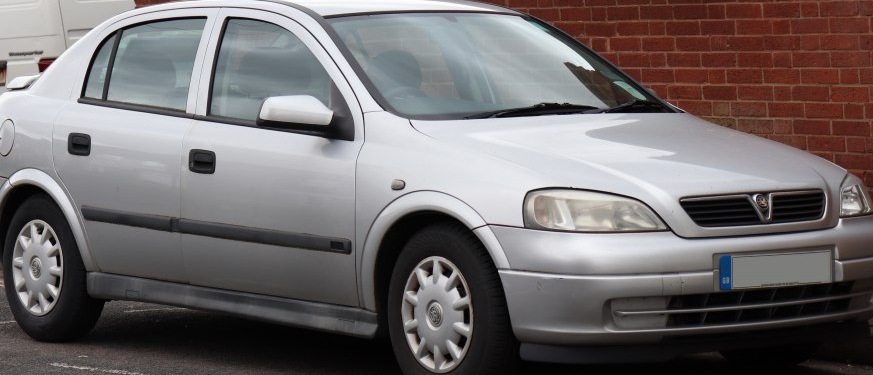
The Vauxhall Astra Mk IV 1.2 16V, produced between 1998 and 2000, represented the entry point into the fourth generation of Opel/Vauxhall’s popular compact family car. Part of the G platform (internally designated as the 1HX0), the Mk IV Astra saw significant advancements in safety, comfort, and refinement compared to its predecessor. This particular 1.2-liter variant, producing 65 horsepower, was primarily aimed at budget-conscious buyers and those seeking economical transportation. It served as the base model, offering a more affordable alternative to the higher-specification engines and trim levels available within the Mk IV Astra range. The Astra Mk IV was a crucial model for Vauxhall in the UK market, competing directly with the Ford Focus, Peugeot 306, and Volkswagen Golf.
Powertrain & Engine Architecture
The heart of the Astra Mk IV 1.2 16V is the X12XE engine, a 1.2-liter (1199cc) inline-four cylinder petrol engine. This engine is a naturally aspirated unit featuring a cast iron block and an aluminum cylinder head. The “16V” designation indicates the engine utilizes four valves per cylinder, contributing to improved breathing and, consequently, a slightly higher power output for its displacement. Fuel delivery is managed by a multi-point fuel injection system, a significant upgrade from the earlier single-point injection systems. The X12XE engine employs a single overhead camshaft (SOHC) design, simplifying the valvetrain and reducing weight. While not a particularly powerful engine, the X12XE was known for its reliability and relatively simple construction. The engine was typically paired with a five-speed manual transmission, but a four-speed automatic transmission was also offered, though less common. The automatic transmission, while providing convenience, noticeably impacted acceleration and fuel economy. This four-speed automatic, often a Jatco unit, was chosen for its cost-effectiveness rather than performance characteristics. It featured a traditional torque converter and lacked the more advanced electronic controls found in later automatic transmissions.
Driving Characteristics
The Astra 1.2 16V, particularly in automatic guise, offered a decidedly unhurried driving experience. With only 65 horsepower on tap, acceleration was modest, and overtaking required careful planning. The four-speed automatic transmission, while smooth enough in normal driving, lacked the responsiveness of a manual gearbox and contributed to a noticeable power loss. Gear ratios were optimized for fuel efficiency rather than performance, with a relatively tall final drive. In real-world conditions, the 0-60 mph time was estimated to be around 14-16 seconds. Compared to the 1.6-liter and 1.8-liter versions of the Astra Mk IV, the 1.2 felt significantly underpowered, especially when fully loaded with passengers and luggage. The manual transmission version offered a slightly more engaging experience, allowing drivers to better utilize the available power, but still wasn’t considered a sporty choice. The suspension, tuned for comfort, provided a reasonably smooth ride, but handling was somewhat vague, particularly at higher speeds. The steering, while power-assisted, lacked significant feedback.
Equipment & Trim Levels
The 1.2 16V typically represented the base trim level, often referred to as “Life” or “Expression” depending on the specific market. Standard equipment generally included central locking, power steering, and an adjustable steering column. Interior upholstery was typically cloth, and the dashboard featured a simple, functional design. Air conditioning, alloy wheels, and electric windows were usually optional extras, often bundled into packages. Safety features were relatively basic for the time, including a driver’s airbag and seatbelts. The overall interior ambiance was functional and durable, prioritizing practicality over luxury. The trim level was designed to appeal to buyers prioritizing affordability and essential features. Options like a CD player and upgraded door cards were available, but rarely seen on the base model.
Chassis & Braking
The Astra Mk IV 1.2 16V utilized a MacPherson strut front suspension and a torsion beam rear suspension. This setup provided a reasonable balance between ride comfort and handling, although it wasn’t particularly sophisticated. Braking on the front wheels was typically disc brakes, while the rear brakes were often drum brakes, a cost-saving measure for the base model. Anti-lock Braking System (ABS) was often an optional extra. Stabilizer bars were fitted to both the front and rear axles, helping to reduce body roll during cornering. The chassis was designed to be lightweight, contributing to improved fuel efficiency, but also limiting the car’s overall dynamic capabilities. The brake system, while adequate for normal driving, lacked the stopping power of the larger-engined Astra variants. The drum brakes on the rear could fade under heavy use.
Market Reception & Comparison
The Astra Mk IV 1.2 16V received mixed reviews. Critics generally praised its affordability and fuel economy, but criticized its lack of power and somewhat unrefined driving experience. Compared to the 1.6-liter and 1.8-liter versions, the 1.2 offered significantly lower performance, but at a considerably lower price point. The 1.6-liter engine provided a more balanced combination of performance and economy, while the 1.8-liter offered more spirited acceleration. In terms of reliability, the X12XE engine proved to be generally robust, although regular maintenance was essential. Fuel economy was a strong point, with the 1.2 16V achieving around 35-40 mpg in mixed driving conditions. The automatic transmission version suffered a noticeable penalty in fuel economy compared to the manual. The Ford Focus 1.4 offered a similar level of performance and economy, while the Peugeot 306 1.4 was considered slightly more refined.
Legacy
The Astra Mk IV 1.2 16V remains a relatively common sight on used car markets today, particularly in Europe and the UK. Its affordability and simple mechanical design make it an attractive option for first-time car buyers or those seeking a cheap and reliable runabout. The X12XE engine is known for its durability, but age-related issues such as oil leaks and corrosion can be common. Spare parts are readily available and relatively inexpensive. While not a particularly exciting car to drive, the Astra Mk IV 1.2 16V served a valuable purpose as an affordable and practical family car, and its legacy as a dependable and economical option continues to this day. The automatic transmission versions, while less desirable to enthusiasts, still offer a convenient and affordable entry point into Astra Mk IV ownership. However, potential buyers should be aware of the potential for rust, particularly in areas prone to salt exposure.