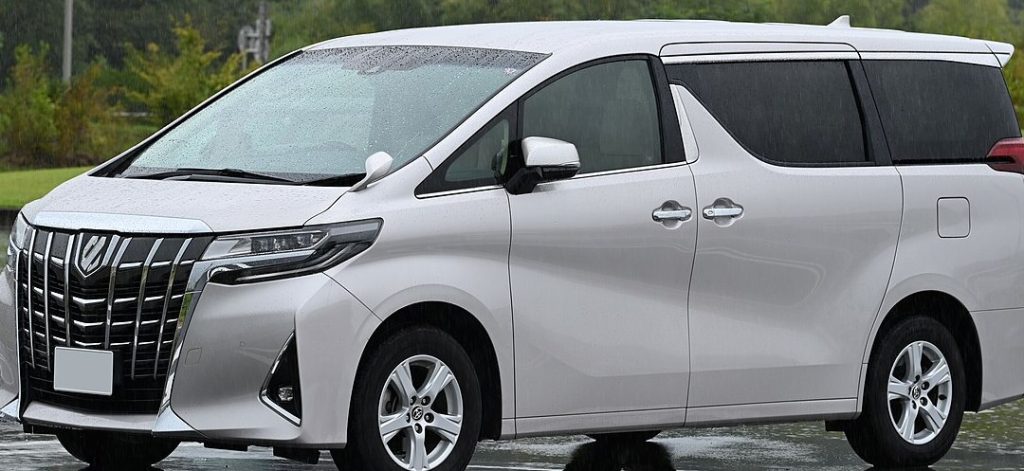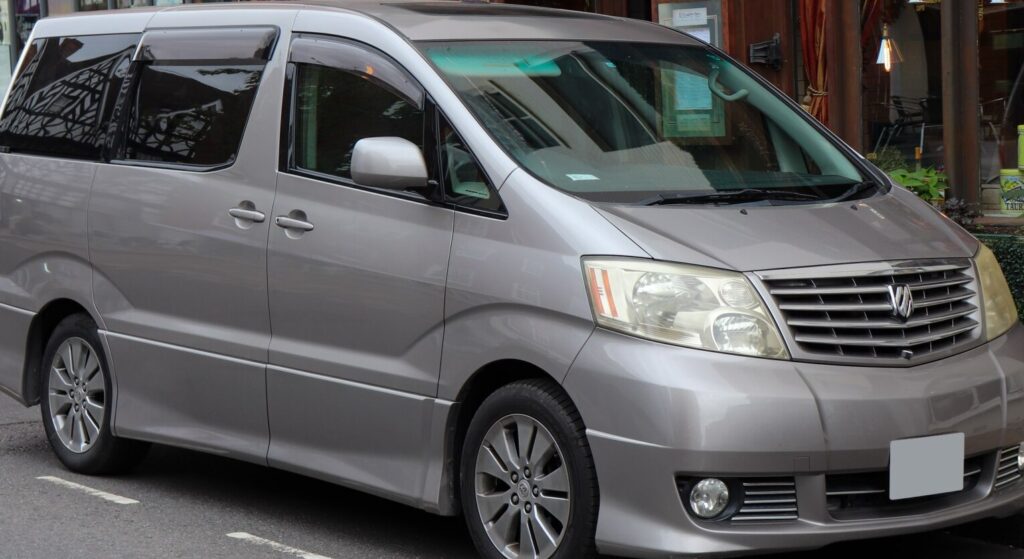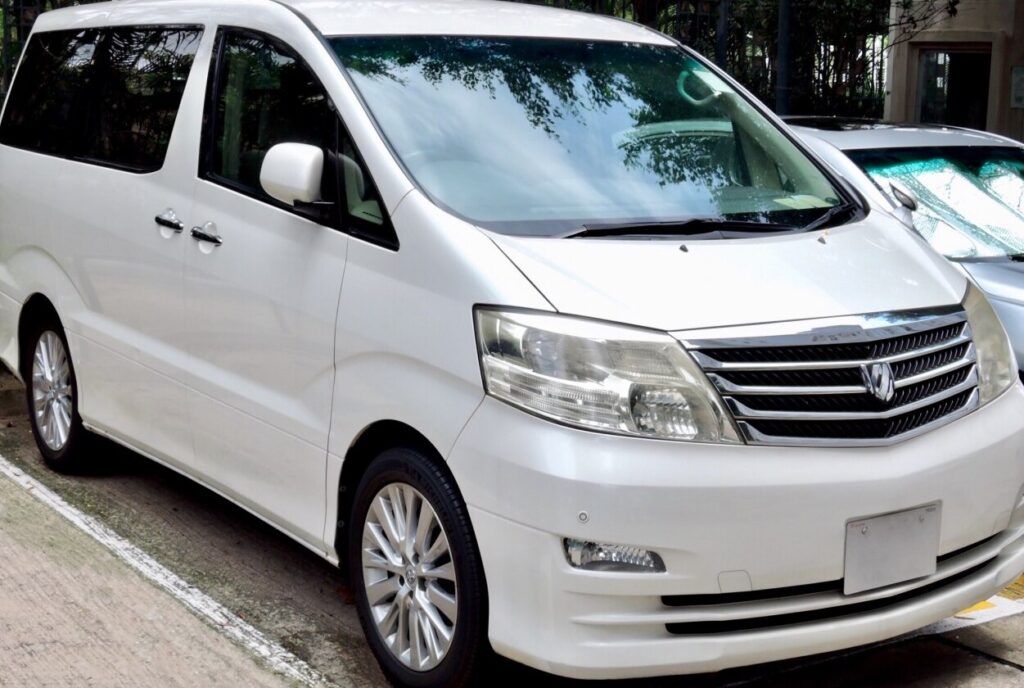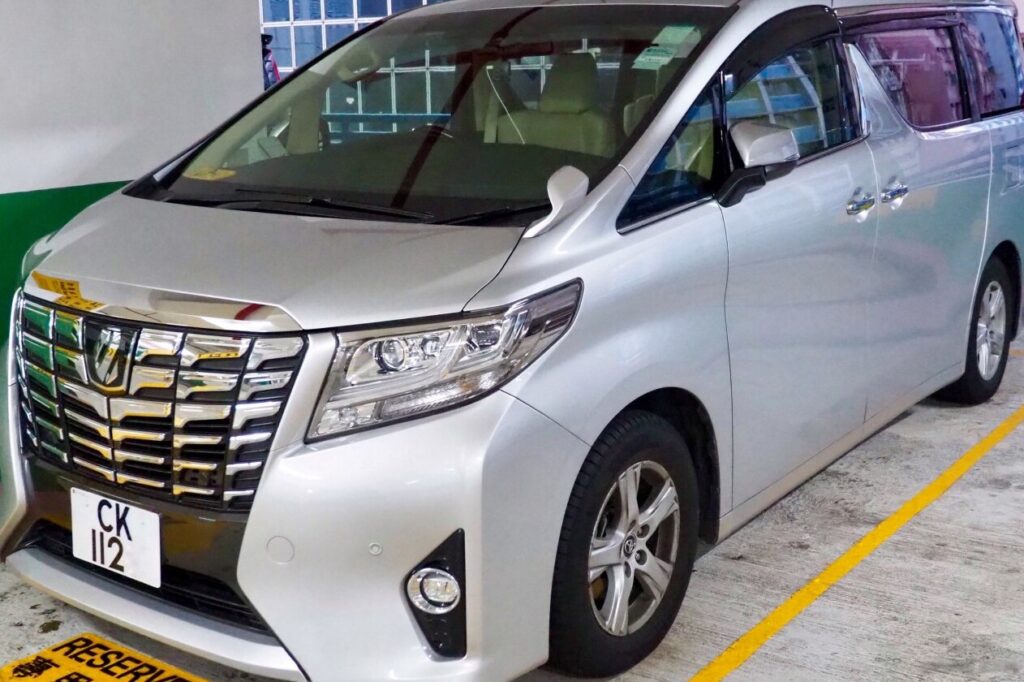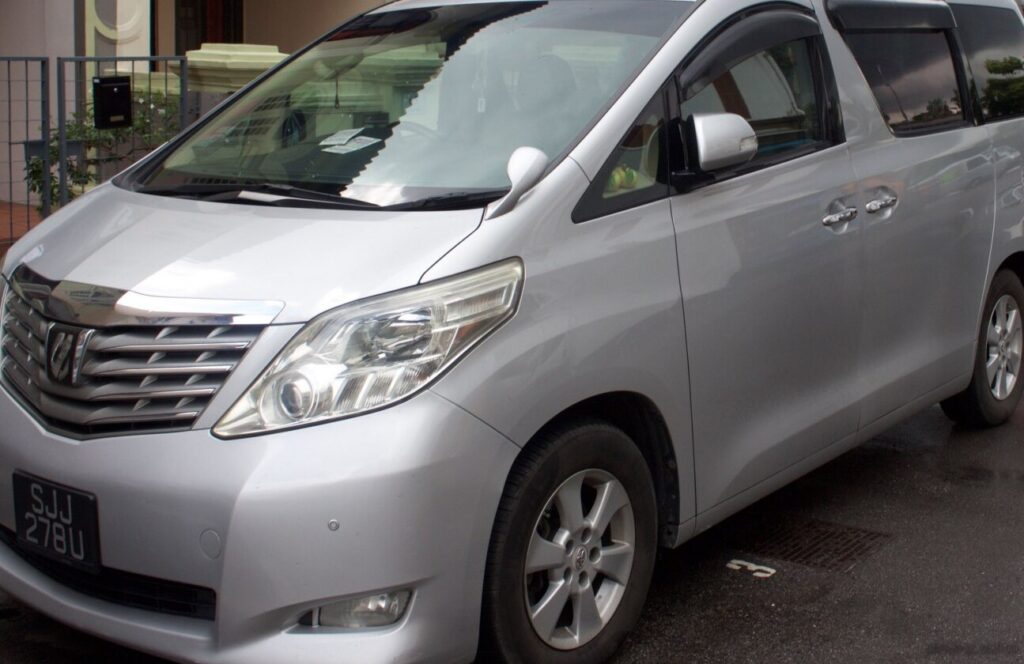
The Toyota Alphard II, produced between 2008 and 2011, represented a significant evolution of Toyota’s luxury minivan line. This second generation, building upon the success of the original Alphard, aimed to provide a more refined and spacious experience for families and executive transport. The 2.4-liter (170 hp) variant, powered by the 2AZ-FE engine and paired with a six-speed automatic transmission, occupied a crucial middle ground in the Alphard II lineup, offering a balance between affordability, fuel efficiency, and acceptable performance. It was primarily marketed towards families and businesses seeking a comfortable and reliable people carrier, particularly within the Japanese domestic market (JDM) and export markets like Southeast Asia and parts of Russia.
Technical Specifications
| Brand | Toyota |
| Model | Alphard |
| Generation | Alphard II |
| Type (Engine) | 2.4 (170 Hp) |
| Start of production | 2008 |
| End of production | 2011 |
| Powertrain Architecture | Internal Combustion engine |
| Body type | Minivan |
| Seats | 7 |
| Doors | 5 |
| Fuel Type | Petrol (Gasoline) |
| Power | 170 Hp |
| Engine Model/Code | 2AZ-FE |
| Engine aspiration | Naturally aspirated engine |
| Engine oil capacity | 4.3 l (4.54 US qt | 3.78 UK qt) |
| Coolant capacity | 8.2 l (8.66 US qt | 7.21 UK qt) |
| Fuel tank capacity | 65 l (17.17 US gal | 14.3 UK gal) |
| Length | 4850 mm (190.94 in) |
| Width | 1830 mm (72.05 in) |
| Height | 1890 mm (74.41 in) |
| Wheelbase | 2950 mm (116.14 in) |
| Drivetrain Architecture | Front wheel drive |
| Number of gears | 6 |
| Gearbox type | Automatic transmission |
| Front suspension | Spring Strut |
| Rear suspension | Coil spring |
| Front brakes | Ventilated discs |
| Rear brakes | Disc |
Powertrain & Engine Architecture
The heart of the Alphard II 2.4 was the 2AZ-FE engine, a 2.4-liter (2362 cc) inline-four cylinder gasoline engine. This engine belonged to Toyota’s AZ series, known for its reliability and relatively smooth operation. The 2AZ-FE featured a double overhead camshaft (DOHC) valvetrain with four valves per cylinder, and utilized electronic fuel injection (EFI) for precise fuel delivery. The engine produced 170 horsepower at around 6000 rpm and 160 lb-ft of torque at 4000 rpm. The six-speed automatic transmission, a significant upgrade from the four-speed units found in some earlier Alphards, was designed to improve both fuel economy and responsiveness. This transmission featured electronically controlled shifting and offered a ‘hold’ function for better control on inclines. The engine was designed with Variable Valve Timing with intelligence (VVT-i) to optimize performance and efficiency across a wider range of engine speeds.
Driving Characteristics
The 2.4-liter Alphard II offered a comfortable, if not particularly sporty, driving experience. The six-speed automatic transmission helped to keep the engine in its optimal power band, providing adequate acceleration for everyday driving situations. However, when fully loaded with passengers and luggage, the engine could feel somewhat strained, especially when attempting to overtake at highway speeds. Compared to the more powerful 3.5-liter V6 variants, the 2.4-liter model was noticeably slower. The gear ratios were tuned for fuel efficiency and smooth cruising rather than outright performance. The front-wheel-drive configuration contributed to a stable and predictable handling characteristic, but it wasn’t designed for aggressive cornering. The steering was light and easy, making it well-suited for urban driving.
Equipment & Trim Levels
The 2.4-liter Alphard II typically came equipped with a respectable array of standard features. These included power windows, power door locks, air conditioning, and a basic audio system. Higher trim levels, often denoted by suffixes like “S” or “G”, added features such as alloy wheels, woodgrain interior trim, automatic climate control, and a more advanced audio system with navigation. Interior upholstery was typically cloth in the base models, with leather options available on higher trims. Optional extras included a rear entertainment system, power sliding doors, and parking sensors. The dashboard layout was functional and user-friendly, with a focus on providing a comfortable and convenient driving environment.
Chassis & Braking
The Alphard II utilized a front-wheel-drive platform with a MacPherson strut suspension in the front and a coil spring suspension in the rear. This setup prioritized ride comfort over sporty handling. The suspension was tuned to absorb bumps and irregularities in the road, providing a smooth and comfortable ride for passengers. Braking duties were handled by ventilated discs on the front wheels and solid discs on the rear. Anti-lock Braking System (ABS) was standard equipment, enhancing safety during emergency braking situations. Stabilizer bars were included both front and rear to reduce body roll during cornering, although the Alphard was not intended for spirited driving.
Market Reception & Comparison
The Alphard II 2.4 was generally well-received by critics and consumers alike. It was praised for its spacious interior, comfortable ride, and reputation for reliability. However, some reviewers noted that the 2.4-liter engine could feel underpowered when the vehicle was fully loaded. Compared to the 3.5-liter V6 models, the 2.4-liter offered better fuel economy – typically around 20-24 mpg in combined driving – but at the expense of performance. The 2.4-liter variant was often seen as the sweet spot for buyers who prioritized practicality and affordability over outright power. It was a popular choice for families and businesses who needed a reliable and spacious people carrier without the higher price tag of the V6 models.
Legacy
The Alphard II 2.4, and the 2AZ-FE engine in particular, has proven to be a remarkably durable powertrain. Many examples are still on the road today, often with high mileage, testament to Toyota’s engineering and build quality. The 2AZ-FE is known for its relatively low maintenance requirements and its ability to withstand significant use. In the used car market, the Alphard II 2.4 remains a popular choice for those seeking a spacious and reliable minivan. While not as sought after as the higher-spec V6 models, it offers excellent value for money and continues to provide a comfortable and practical transportation solution. Its reputation for dependability has cemented its place as a well-regarded vehicle within the minivan segment.