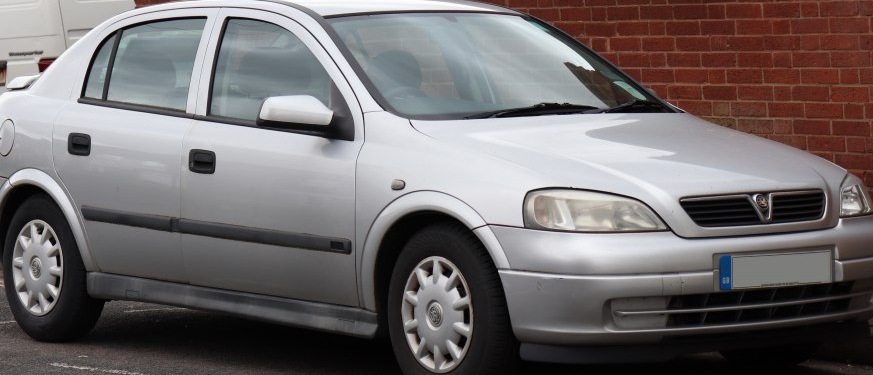
The Vauxhall Astra Mk IV 1.4 16V, produced between 1998 and 2000, represented an entry-level offering within the fourth generation of the Astra (G platform). Positioned as a practical and affordable family car, this variant aimed to provide economical transportation for a broad customer base. It served as the gateway into the Mk IV Astra range, appealing to buyers prioritizing fuel efficiency and lower purchase costs over outright performance. The Mk IV Astra itself was a significant model for Vauxhall, representing a substantial leap forward in terms of design, safety, and refinement compared to its predecessor.
Technical Specifications
| Brand | Vauxhall |
| Model | Astra |
| Generation | Astra Mk IV |
| Type (Engine) | 1.4 16V (90 Hp) |
| Start of production | 1998 |
| End of production | 2000 |
| Powertrain Architecture | Internal Combustion engine |
| Body type | Sedan |
| Seats | 5 |
| Doors | 4 |
| Fuel Type | Petrol (Gasoline) |
| Power | 90 Hp |
| Engine Model/Code | X14XE |
| Engine aspiration | Naturally aspirated engine |
| Engine oil capacity | 3.25 l (3.43 US qt | 2.86 UK qt) |
| Coolant capacity | 6.3 l (6.66 US qt | 5.54 UK qt) |
| Drivetrain Architecture | Front wheel drive |
Powertrain & Engine Architecture
The heart of the Astra Mk IV 1.4 16V was the X14XE engine, a 1.4-liter (1389cc) inline-four cylinder petrol engine. This engine belonged to the Vauxhall/Opel Ecotec family, known for its relatively lightweight construction and focus on fuel efficiency. The ‘16V’ designation indicates the engine featured four valves per cylinder, contributing to improved breathing and power output compared to older two-valve designs. The X14XE utilized a single overhead camshaft (SOHC) valvetrain, driven by a timing chain. Fuel delivery was managed by a multi-point fuel injection system, providing precise fuel metering for optimal combustion. The engine produced 90 horsepower at 6000 rpm and approximately 88 lb-ft of torque at 4600 rpm. This power was transmitted to the front wheels through a four-speed automatic transmission, a common pairing for this entry-level trim. The automatic transmission was designed for smooth operation and ease of use, prioritizing comfort over sporty performance.
Driving Characteristics
The 1.4 16V automatic combination in the Astra Mk IV delivered a driving experience geared towards practicality and ease of use. Acceleration was modest, with a 0-60 mph time estimated around 13-14 seconds. The four-speed automatic transmission, while providing smooth shifts, lacked the responsiveness of a manual gearbox or a more modern automatic with additional gears. Gear ratios were optimized for fuel economy rather than outright performance. In real-world driving, the engine felt somewhat strained when attempting brisk acceleration or overtaking maneuvers. Compared to the more powerful 1.6L and 1.8L variants, or even the diesel options, the 1.4 automatic felt noticeably slower. However, it offered a comfortable and relaxed driving experience for everyday commuting and urban driving. The automatic transmission made it particularly suitable for drivers unfamiliar with manual gearboxes or those who preferred a more effortless driving experience.
Equipment & Trim Levels
The Astra Mk IV 1.4 16V typically came with a fairly basic level of equipment, reflecting its position as the entry-level model. Standard features generally included central locking, power steering, and an adjustable steering column. Interior upholstery was typically cloth, with a simple dashboard layout. Air conditioning was often an optional extra, as were electric windows and alloy wheels. Higher trim levels, such as the ‘Expression’ or ‘LS’ offered additional features like upgraded upholstery, a CD player, and body-colored bumpers. Safety features included a driver’s airbag and anti-lock brakes (ABS) on some models, though ABS wasn’t standard across the entire range. The overall interior design was functional and durable, prioritizing practicality over luxury.
Chassis & Braking
The Astra Mk IV 1.4 16V utilized a MacPherson strut front suspension and a torsion beam rear suspension. This setup provided a reasonable balance between ride comfort and handling. The torsion beam rear suspension was a cost-effective solution commonly used in compact family cars. Braking was typically accomplished with disc brakes on the front wheels and drum brakes on the rear wheels. The drum brakes on the rear were a cost-saving measure for the base models. Stabilizer bars were fitted to both the front and rear axles, helping to reduce body roll during cornering. The chassis was designed to provide a stable and predictable driving experience, although it wasn’t particularly sporty. The suspension tuning was geared towards comfort, absorbing bumps and imperfections in the road surface effectively.
Market Reception & Comparison
The Astra Mk IV 1.4 16V automatic received mixed reviews from automotive critics. While praised for its affordability and fuel economy (typically around 35-40 mpg), it was often criticized for its lack of performance. Compared to the 1.6L and 1.8L variants, the 1.4 automatic felt significantly underpowered. The 1.9 TDI diesel models offered superior fuel economy and torque, making them a popular choice for drivers covering long distances. However, the 1.4 16V automatic appealed to buyers who prioritized low running costs and ease of driving over performance. Its reliability was generally considered good, although the automatic transmission could be prone to issues if not properly maintained. The 1.4 offered a compelling value proposition for budget-conscious buyers.
Legacy
The X14XE engine and the associated four-speed automatic transmission have proven to be relatively durable powertrains, although long-term reliability can vary depending on maintenance history. Today, Astra Mk IV 1.4 16V models are relatively inexpensive to purchase on the used car market. They represent a practical and affordable option for those seeking a basic, reliable family car. However, potential buyers should be aware of the engine’s modest performance and the potential for age-related issues with the automatic transmission. Parts availability is generally good, as the Astra Mk IV was a popular model. While not a particularly sought-after variant, the 1.4 16V automatic remains a viable option for those prioritizing affordability and fuel efficiency.