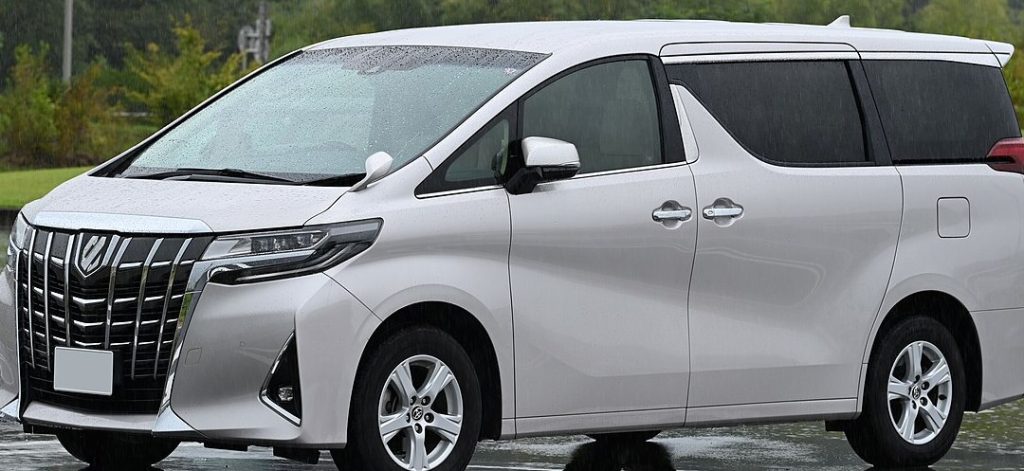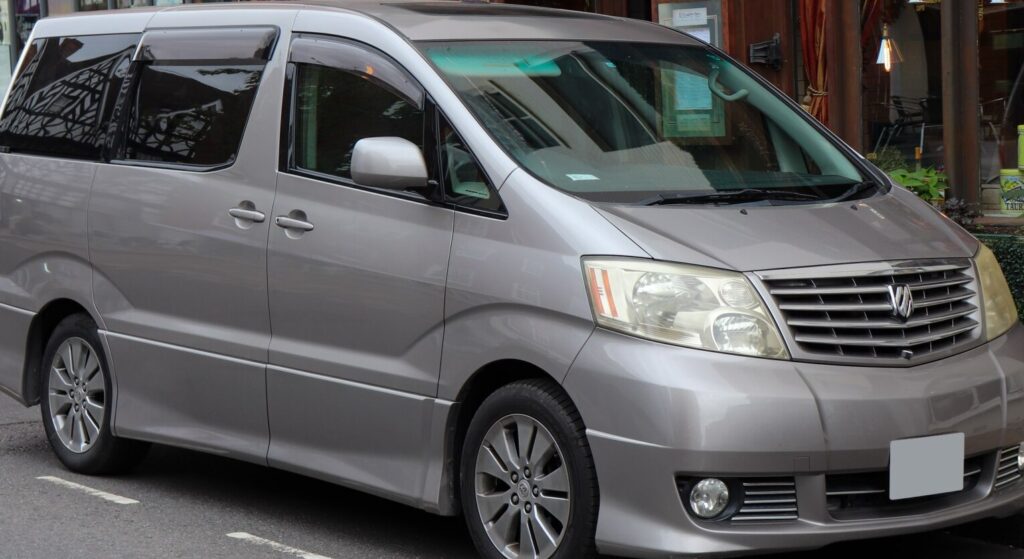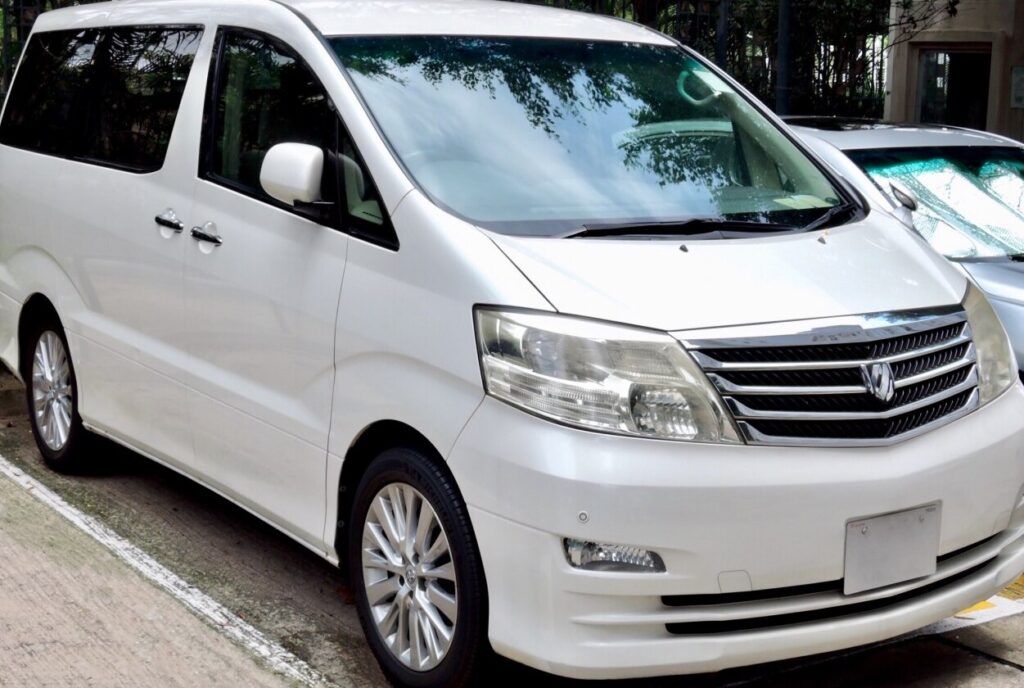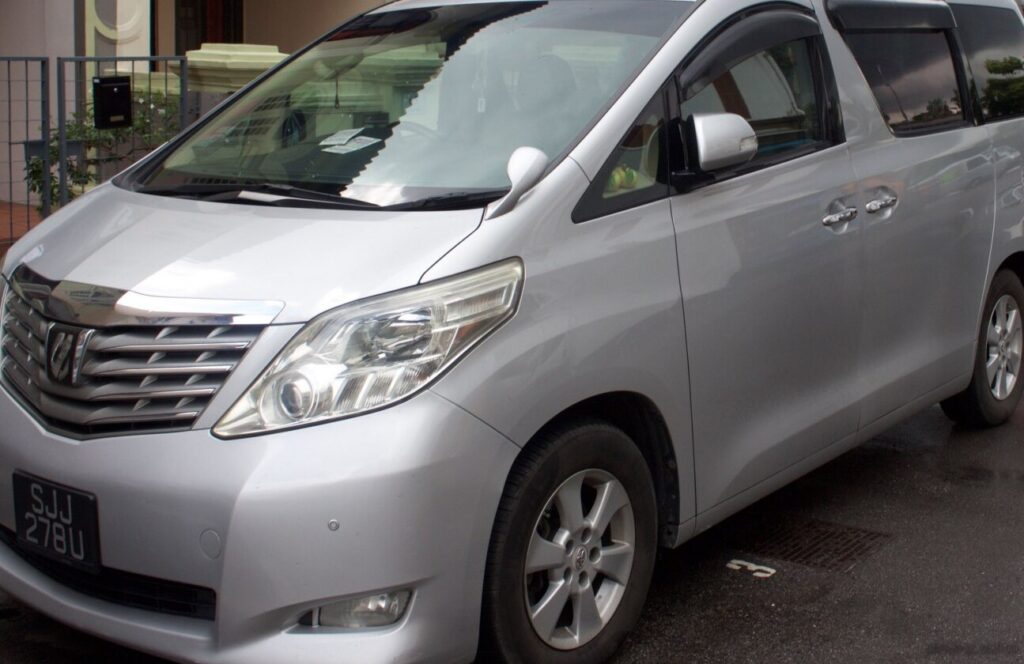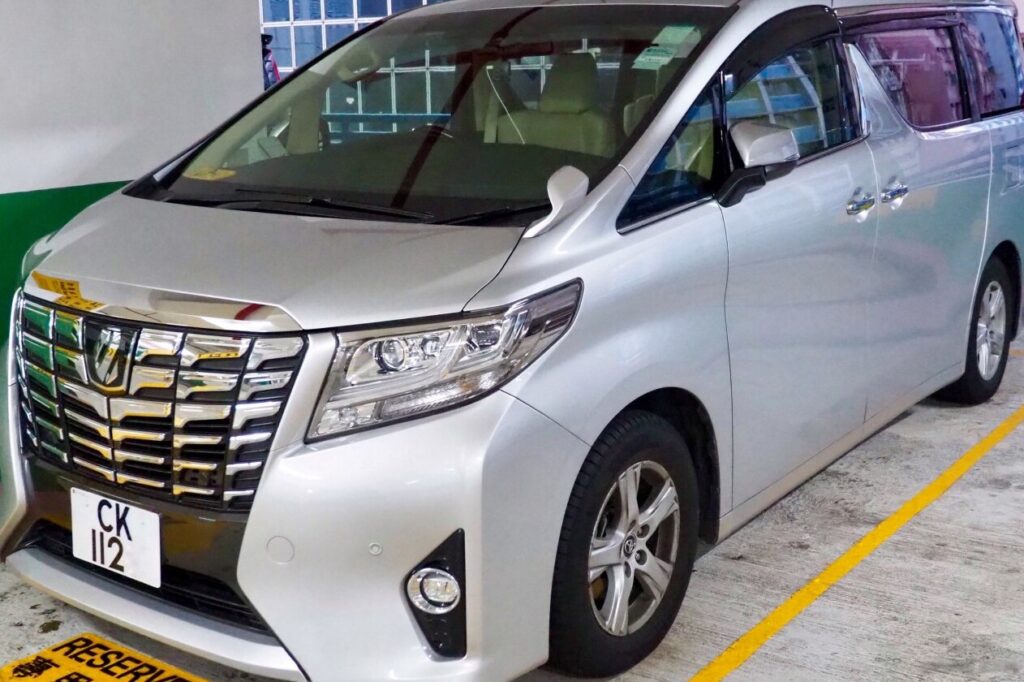
The Toyota Alphard III 2.5, a front-wheel drive minivan produced between 2015 and 2018, represents a significant iteration in Toyota’s long-running Alphard lineage. Positioned as a mid-range offering within the third-generation Alphard (XH30) series, this variant combined a 2.5-liter inline-four engine with a continuously variable transmission (CVT) to deliver a balance of practicality, comfort, and fuel efficiency. The Alphard, primarily marketed in Japan and other Asian markets, is renowned for its spacious interior, luxurious appointments, and reputation for reliability. This specific 2.5-liter CVT model aimed to broaden the Alphard’s appeal to families and individuals seeking a premium people-mover without the higher cost of the hybrid variants.
Technical Specifications
| Brand | Toyota |
| Model | Alphard |
| Generation | Alphard III |
| Type (Engine) | 2.5 (180 Hp) CVT |
| Start of production | 2015 |
| End of production | 2018 |
| Powertrain Architecture | Internal Combustion engine |
| Body type | Minivan |
| Seats | 7 |
| Doors | 5 |
| Fuel Type | Petrol (Gasoline) |
| Power | 180 Hp @ 6000 rpm |
| Power per litre | 72.2 Hp/l |
| Torque | 234 Nm / 172.59 lb.-ft. |
| Engine Model/Code | 2AR-FE |
| Engine displacement | 2494 cm3 / 152.19 cu. in. |
| Number of cylinders | 4 |
| Engine configuration | Inline |
| Cylinder Bore | 90 mm / 3.54 in. |
| Piston Stroke | 98 mm / 3.86 in. |
| Compression ratio | 10.4:1 |
| Number of valves per cylinder | 4 |
| Fuel injection system | Multi-port manifold injection |
| Engine aspiration | Naturally aspirated engine |
| Valvetrain | DOHC, VVT-i |
| Engine oil capacity | 4.4 l / 4.65 US qt | 3.87 UK qt |
| Fuel tank capacity | 75 l / 19.81 US gal | 16.5 UK gal |
| Length | 4945 mm / 194.69 in. |
| Width | 1850 mm / 72.83 in. |
| Height | 1895 mm / 74.61 in. |
| Wheelbase | 3000 mm / 118.11 in. |
| Front track | 1575 mm / 62.01 in. |
| Rear (Back) track | 1600 mm / 62.99 in. |
| Ride height (ground clearance) | 160 mm / 6.3 in. |
| Drivetrain Architecture | The Internal combustion engine (ICE) drives the front wheels of the vehicle. |
| Drive wheel | Front wheel drive |
| Number of gears and type of gearbox | automatic transmission CVT |
| Front suspension | Independent type McPherson, Transverse stabilizer |
| Rear suspension | Double wishbone, Transverse stabilizer |
| Front brakes | Ventilated discs |
| Rear brakes | Ventilated discs |
| Assisting systems | ABS (Anti-lock braking system) |
| Steering type | Steering rack and pinion |
| Power steering | Electric Steering |
| Tires size | 235/50 R18 |
Powertrain & Engine Architecture
The heart of the Alphard III 2.5 is the 2AR-FE engine, a 2.5-liter (2494 cc) inline-four cylinder gasoline engine. This engine utilizes a naturally aspirated configuration, meaning it doesn’t employ forced induction like a turbocharger or supercharger. It features a double overhead camshaft (DOHC) valvetrain with Toyota’s Variable Valve Timing-intelligent (VVT-i) system, optimizing valve timing for improved performance and fuel efficiency across a wider range of engine speeds. Fuel delivery is managed by a multi-port fuel injection system. The 2AR-FE produces 180 horsepower at 6000 rpm and 234 Nm (172.59 lb-ft) of torque. This engine is known for its relative simplicity and durability, contributing to the Alphard’s overall reliability. The engine is paired with a continuously variable transmission (CVT), which provides smooth, stepless gear changes. While CVTs aren’t known for sporty driving dynamics, they excel at maximizing fuel efficiency and providing a comfortable driving experience.
Driving Characteristics
The Alphard III 2.5 CVT delivers a comfortable and relaxed driving experience, prioritizing smoothness over outright performance. The CVT effectively utilizes the engine’s torque band, providing adequate acceleration for everyday driving situations. However, compared to the more powerful 3.5-liter V6 variants or the hybrid models, the 2.5-liter engine feels less responsive, particularly when accelerating from a standstill or overtaking at highway speeds. The CVT, while smooth, can sometimes exhibit a “rubber band” effect, where engine revs rise disproportionately to vehicle speed. The front-wheel-drive configuration contributes to predictable handling, but it doesn’t offer the dynamic capabilities of an all-wheel-drive system. The suspension is tuned for comfort, absorbing bumps and imperfections in the road effectively, making it a pleasant vehicle for long journeys.
Equipment & Trim Levels
The 2.5-liter Alphard typically came equipped with a respectable array of standard features. These generally included power windows and locks, air conditioning, a multi-function steering wheel, and a basic audio system. Higher trim levels within the 2.5 range, and across the Alphard lineup, offered upgrades such as leather upholstery, woodgrain interior trim, automatic climate control, a navigation system, and a more advanced audio system with multiple speakers. Optional extras often included power-sliding doors, a rear entertainment system, and parking assist sensors. The interior layout focused on maximizing space and comfort, with flexible seating arrangements allowing for various configurations to accommodate passengers and cargo.
Chassis & Braking
The Alphard III 2.5 utilizes a McPherson strut independent suspension setup at the front and a double wishbone independent suspension at the rear. Both ends are equipped with a transverse stabilizer bar to reduce body roll during cornering. The braking system consists of ventilated discs on all four wheels, providing adequate stopping power for the vehicle’s weight. An Anti-lock Braking System (ABS) is standard, enhancing safety by preventing wheel lockup during hard braking. The steering system employs a rack and pinion setup with electric power steering, offering light and easy steering feel.
Market Reception & Comparison
The Alphard III 2.5 CVT was generally well-received as a practical and comfortable family vehicle. Critics praised its spacious interior, smooth ride, and reputation for reliability. However, some reviewers noted that the 2.5-liter engine felt underpowered compared to the larger engine options. Fuel economy was considered reasonable for a vehicle of its size and class. Compared to the 3.5-liter V6 Alphard, the 2.5 offered a more affordable entry point, but at the expense of performance. The hybrid models provided superior fuel efficiency but came with a higher price tag. The 2.5-liter CVT model appealed to buyers who prioritized comfort, space, and fuel economy over outright performance.
Legacy
The Toyota Alphard III 2.5 CVT has proven to be a reliable and durable vehicle in the used car market. The 2AR-FE engine is known for its longevity, and the CVT transmission, while sometimes criticized, has generally held up well with proper maintenance. These vehicles continue to be popular choices for families and individuals seeking a spacious and comfortable minivan. Maintenance costs are generally reasonable, and parts availability is good. The Alphard’s reputation for reliability and practicality ensures its continued demand in the used car market, particularly in regions where minivans are highly valued.