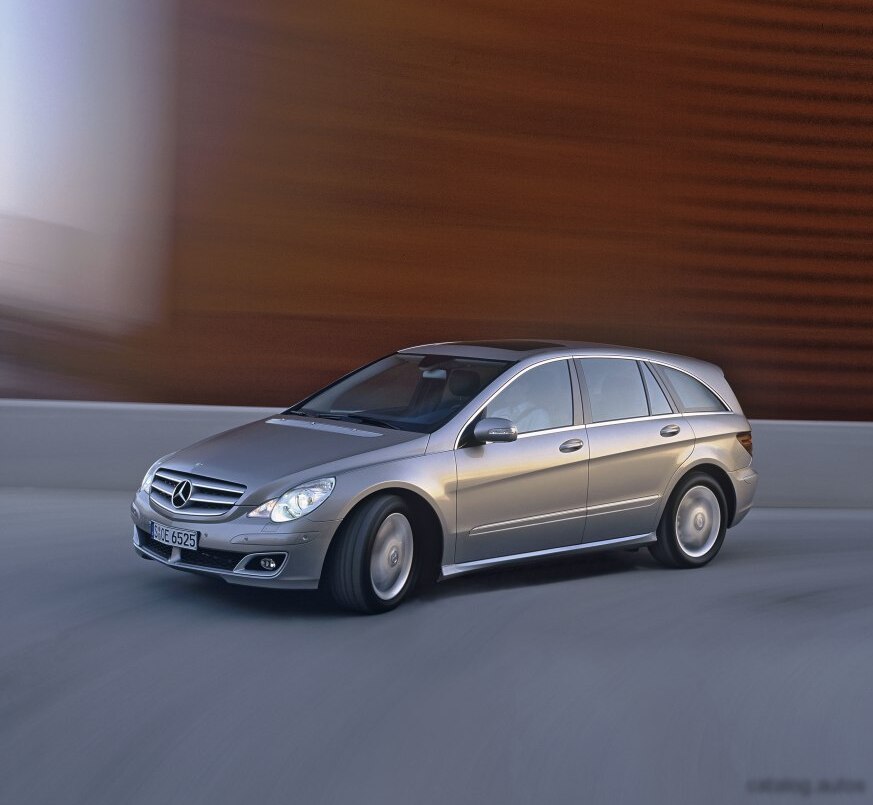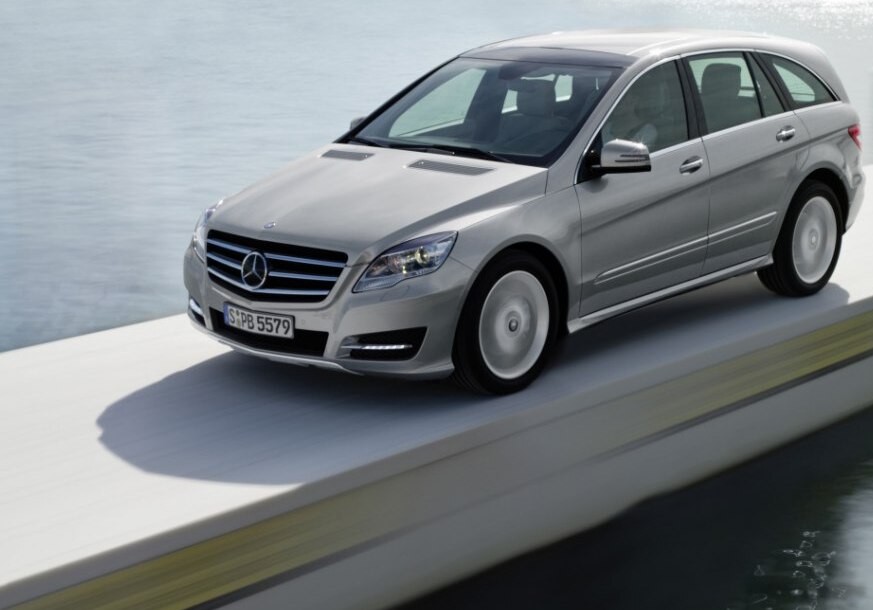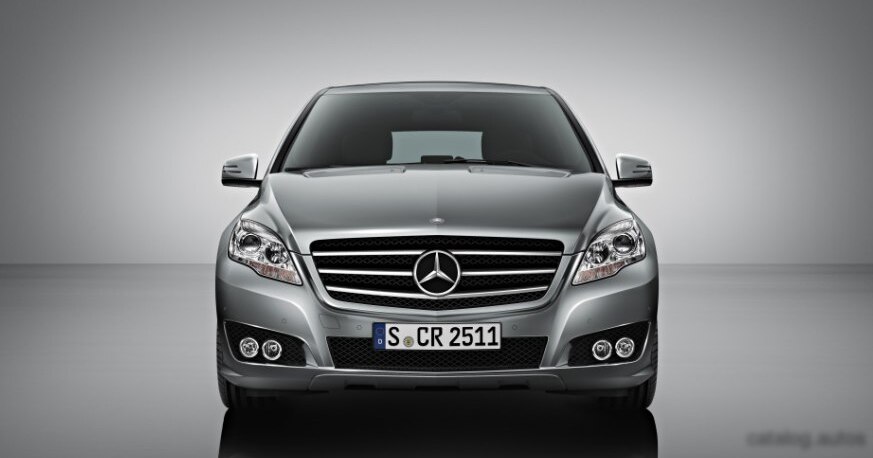
The Mercedes-Benz R-Class, specifically the R 300 V6 variant equipped with the 7G-TRONIC automatic transmission, was a unique offering in the luxury vehicle segment. Produced from 2010 to 2014 as part of the W251 facelift, this model aimed to blend the practicality of a sport utility vehicle with the driving experience of a luxury sedan. It occupied a niche position within the R-Class lineup, positioned as a mid-range option offering a balance between performance and fuel efficiency compared to the more powerful R 350 and R 63 AMG models. The R-Class, in general, was never a massive sales success, particularly in the US market, but it represented an interesting experiment in vehicle packaging and luxury features.
Technical Specifications
| Brand | Mercedes-Benz |
| Model | R-Class |
| Generation | R-Class (W251, facelift 2010) |
| Type (Engine) | R 300 V6 (232 Hp) G-TRONIC |
| Start of production | 2010 |
| End of production | 2014 |
| Powertrain Architecture | Internal Combustion engine |
| Body type | Station wagon (estate) |
| Seats | 5-7 |
| Doors | 5 |
| Fuel consumption (urban) | 14 l/100 km (16.8 US mpg) |
| Fuel consumption (extra urban) | 8.5-8.8 l/100 km (27.7 – 26.7 US mpg) |
| Fuel consumption (combined) | 10.5-10.7 l/100 km (22.4 – 22 US mpg) |
| CO2 emissions | 246-251 g/km |
| Fuel Type | Petrol (Gasoline) |
| Acceleration 0 – 100 km/h | 9.6 sec |
| Acceleration 0 – 62 mph | 9.6 sec |
| Acceleration 0 – 60 mph | 9.1 sec |
| Maximum speed | 222 km/h (137.94 mph) |
| Emission standard | Euro 5 |
| Weight-to-power ratio | 8.9 kg/Hp |
| Weight-to-torque ratio | 6.9 kg/Nm |
| Power | 232 Hp @ 6000 rpm |
| Torque | 300 Nm @ 2500-5000 rpm (221.27 lb.-ft.) |
| Engine layout | Front, Longitudinal |
| Engine Model/Code | M 272.945 |
| Engine displacement | 2996 cm3 (182.83 cu. in.) |
| Number of cylinders | 6 |
| Engine configuration | V-engine |
| Compression ratio | 11.3:1 |
| Number of valves per cylinder | 4 |
| Fuel injection system | Multi-port manifold injection |
| Engine aspiration | Naturally aspirated engine |
| Engine oil capacity | 8 l (8.45 US qt | 7.04 UK qt) |
| Kerb Weight | 2055 kg (4530.5 lbs.) |
| Max. weight | 2790 kg (6150.9 lbs.) |
| Max load | 735 kg (1620.4 lbs.) |
| Trunk (boot) space – minimum | 550 l (19.42 cu. ft.) |
| Trunk (boot) space – maximum | 1950 l (68.86 cu. ft.) |
| Fuel tank capacity | 80 l (21.13 US gal | 17.6 UK gal) |
| Max. roof load | 100 kg (220.46 lbs.) |
| Permitted trailer load with brakes (12%) | 2100 kg (4629.71 lbs.) |
| Permitted trailer load without brakes | 750 kg (1653.47 lbs.) |
| Length | 4922 mm (193.78 in.) |
| Width | 1922 mm (75.67 in.) |
| Width including mirrors | 2183 mm (85.94 in.) |
| Height | 1674 mm (65.91 in.) |
| Wheelbase | 2980 mm (117.32 in.) |
| Front track | 1661 mm (65.39 in.) |
| Rear (Back) track | 1651 mm (65 in.) |
| Front overhang | 922 mm (36.3 in.) |
| Rear overhang | 1020 mm (40.16 in.) |
| Drivetrain Architecture | Rear wheel drive |
| Drive wheel | Rear wheel drive |
| Number of gears and type of gearbox | 7 gears, automatic transmission G-TRONIC |
| Front suspension | Double wishbone |
| Rear suspension | Independent multi-link spring suspension with stabilizer |
| Front brakes | Disc |
| Rear brakes | Disc |
| Assisting systems | ABS (Anti-lock braking system) |
| Tires size | 255/55 R18 |
| Wheel rims size | 18 |
INTRODUCTION
The R 300 V6, introduced with the 2010 facelift of the W251 R-Class, represented a more accessible entry point into the model range. The W251 platform, launched in 2005, was Mercedes-Benz’s attempt to create a vehicle that bridged the gap between traditional SUVs and luxury wagons. The facelift brought revised styling, updated technology, and refined engine options. The R 300 V6, powered by the M272.945 engine and paired exclusively with the 7G-TRONIC automatic transmission, was aimed at buyers who prioritized comfort and fuel economy over outright performance. It was primarily sold in European markets, where larger vehicles with seven-passenger capacity were more common.
Powertrain & Engine Architecture
At the heart of the R 300 V6 lies the M272.945 3.0-liter naturally aspirated V6 engine. This engine is a 60-degree V-engine featuring aluminum alloy construction, contributing to weight reduction. It utilizes a multi-port fuel injection system and four valves per cylinder, managed by a sophisticated engine control unit. The engine produces 232 horsepower at 6000 rpm and 300 Nm (221 lb-ft) of torque between 2500 and 5000 rpm. The 7G-TRONIC automatic transmission, a seven-speed unit, was a key component of the R 300 V6’s appeal. This transmission offered smooth and efficient gear changes, contributing to improved fuel economy and a more refined driving experience. The transmission features a torque converter lock-up clutch to minimize slippage and enhance efficiency.
Driving Characteristics
The R 300 V6 offered a comfortable and composed driving experience, but it wasn’t designed for sporty performance. Acceleration from 0 to 60 mph took approximately 9.1 seconds, and the top speed was electronically limited to 137.94 mph. The 7G-TRONIC transmission’s gear ratios were optimized for fuel efficiency and smooth cruising, rather than aggressive acceleration. Compared to the R 350, which featured a more powerful V6, the R 300 V6 felt noticeably less responsive. However, the R 300 V6’s lower power output also resulted in better fuel economy, making it a more practical choice for everyday driving. The rear-wheel-drive configuration provided a balanced feel, although it lacked the all-wheel-drive capability of some other R-Class models.
Equipment & Trim Levels
The R 300 V6 typically came well-equipped with standard features expected of a luxury vehicle. These included automatic climate control, power-adjustable front seats, a premium audio system, and leather upholstery. Optional extras included a panoramic sunroof, navigation system, rear-seat entertainment system, and advanced driver-assistance features such as adaptive cruise control and lane-keeping assist. Trim levels varied depending on the market, but generally offered increasing levels of luxury and technology. Interior upholstery options included various leather colors and wood trim finishes. The R-Class was known for its spacious interior, offering comfortable seating for up to seven passengers, depending on the configuration.
Chassis & Braking
The R-Class featured a robust chassis designed to handle the vehicle’s weight and provide a comfortable ride. The front suspension utilized a double wishbone design, while the rear suspension employed an independent multi-link setup with a stabilizer bar. This configuration helped to minimize body roll and provide a stable driving experience. The R 300 V6 was equipped with disc brakes on all four wheels, providing ample stopping power. Anti-lock braking system (ABS) was standard, enhancing safety and control during emergency braking situations. The vehicle’s weight distribution was carefully balanced to optimize handling and stability.
Market Reception & Comparison
The R 300 V6 received mixed reviews from automotive critics. While praised for its comfortable ride, spacious interior, and fuel efficiency, it was often criticized for its somewhat bland styling and lack of sporty driving dynamics. Compared to the R 350, the R 300 V6 offered a more affordable entry point into the R-Class range, but at the expense of performance. The R 300 V6’s fuel economy was generally considered to be competitive for its class, but it still lagged behind more modern vehicles with smaller, turbocharged engines. Reliability reports suggest that the M272 engine is generally robust, but regular maintenance is crucial to prevent potential issues.
Legacy
The Mercedes-Benz R-Class, including the R 300 V6 variant, remains a relatively uncommon sight on the road today. While it didn’t achieve mainstream success, it has developed a following among enthusiasts who appreciate its unique blend of practicality, luxury, and comfort. The M272 engine, while not the most technologically advanced, is known for its durability and relatively straightforward maintenance. Used examples of the R 300 V6 are typically available at affordable prices, making them an attractive option for buyers seeking a spacious and comfortable luxury vehicle. However, potential buyers should be aware of the potential for age-related maintenance issues and the cost of replacement parts.