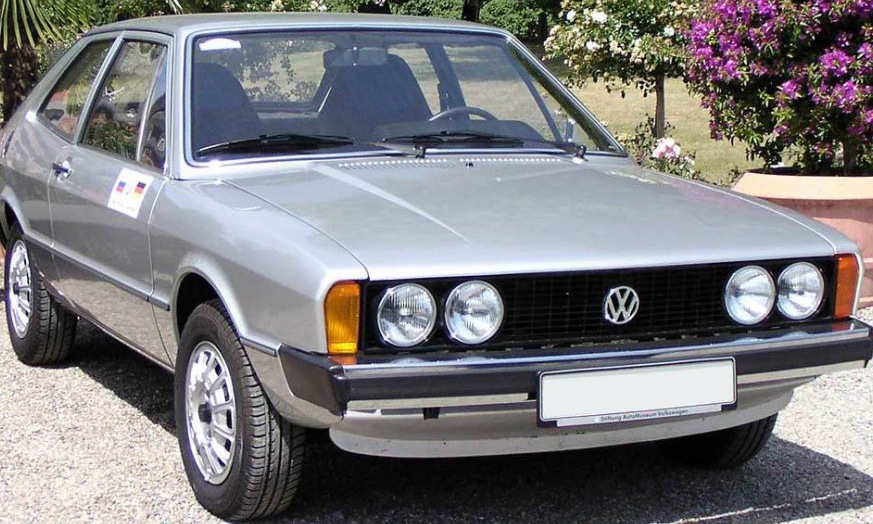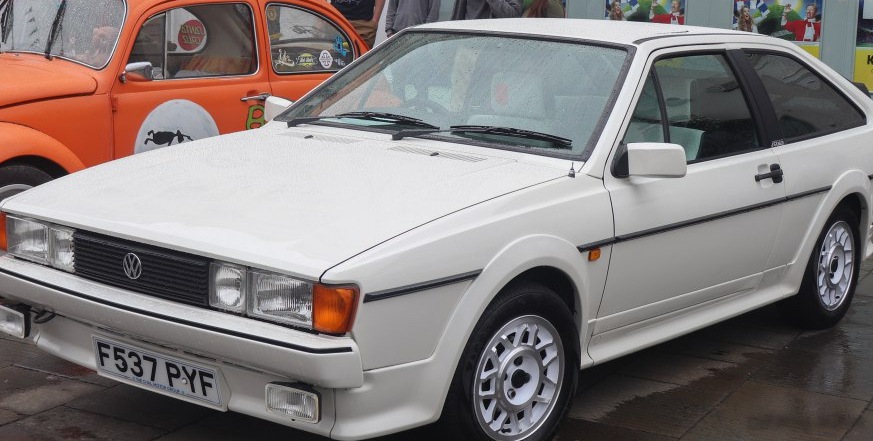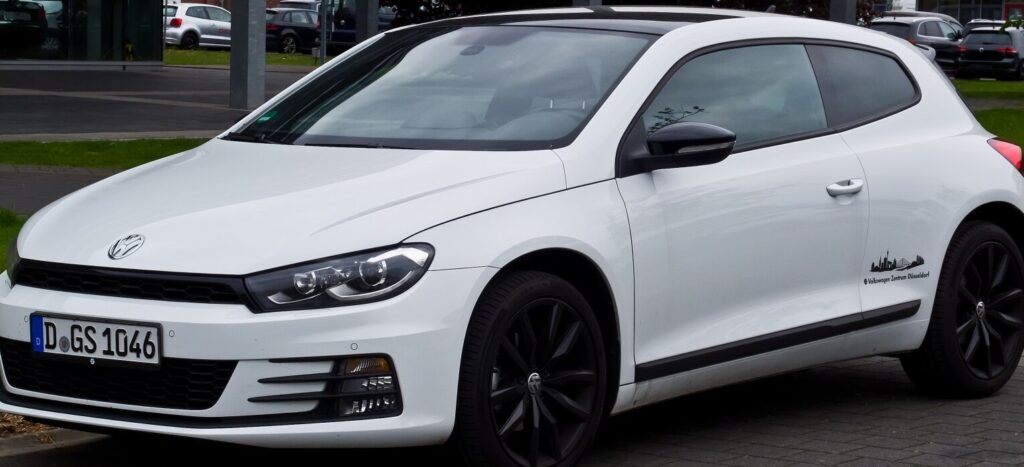
The Volkswagen Scirocco III, particularly the facelifted version introduced in May 2014 and produced through March 2017, represented a significant evolution of the iconic Scirocco lineage. The “R” variant, powered by the 2.0 TSI engine producing 280 horsepower, stood as the performance flagship of the range. Positioned as a sporty coupe aimed at enthusiasts, the Scirocco R competed with models like the Audi TT and BMW 2 Series, offering a blend of style, performance, and Volkswagen’s renowned build quality. This generation, based on the Volkswagen Group’s PQ24 platform (also known as the A5 platform), aimed to recapture the spirit of the original Scirocco while appealing to a modern audience. The facelift brought revised styling, updated technology, and refinements to the engine and chassis.
Technical Specifications
| Brand | Volkswagen |
| Model | Scirocco |
| Generation | Scirocco III (facelift 2014) |
| Type (Engine) | R 2.0 TSI (280 Hp) |
| Start of production | May, 2014 |
| End of production | March, 2017 |
| Powertrain Architecture | Internal Combustion engine |
| Body type | Coupe |
| Seats | 4 |
| Doors | 3 |
| Fuel consumption (urban) | 11.1 l/100 km (21.2 US mpg, 25.4 UK mpg, 9 km/l) |
| Fuel consumption (extra urban) | 6.2 l/100 km (37.9 US mpg, 45.6 UK mpg, 16.1 km/l) |
| Fuel consumption (combined) | 8 l/100 km (29.4 US mpg, 35.3 UK mpg, 12.5 km/l) |
| CO2 emissions | 187 g/km |
| Fuel Type | Petrol (Gasoline) |
| Acceleration 0 – 100 km/h | 5.7 sec |
| Acceleration 0 – 62 mph | 5.7 sec |
| Acceleration 0 – 60 mph | 5.4 sec |
| Maximum speed | 250 km/h (155.34 mph) |
| Emission standard | Euro 6 |
| Weight-to-power ratio | 5.1 kg/Hp, 196.4 Hp/tonne |
| Weight-to-torque ratio | 4.1 kg/Nm, 245.4 Nm/tonne |
| Power | 280 Hp @ 6000 rpm |
| Power per litre | 141.1 Hp/l |
| Torque | 350 Nm @ 2500-5000 rpm (258.15 lb.-ft. @ 2500-5000 rpm) |
| Engine layout | Front, Transverse |
| Engine Model/Code | CDLK |
| Engine displacement | 1984 cm3 (121.07 cu. in.) |
| Number of cylinders | 4 |
| Engine configuration | Inline |
| Number of valves per cylinder | 4 |
| Fuel injection system | Direct injection |
| Engine aspiration | Turbocharger, Intercooler |
| Engine oil capacity | 4.6 l (4.86 US qt | 4.05 UK qt) |
| Kerb Weight | 1426 kg (3143.79 lbs.) |
| Max. weight | 1750 kg (3858.09 lbs.) |
| Max load | 324 kg (714.3 lbs.) |
| Trunk (boot) space – minimum | 312 l (11.02 cu. ft.) |
| Trunk (boot) space – maximum | 1006 l (35.53 cu. ft.) |
| Fuel tank capacity | 55 l (14.53 US gal | 12.1 UK gal) |
| Max. roof load | 75 kg (165.35 lbs.) |
| Permitted towbar download | 75 kg (165.35 lbs.) |
| Length | 4248 mm (167.24 in.) |
| Width | 1820 mm (71.65 in.) |
| Width including mirrors | 2080 mm (81.89 in.) |
| Height | 1398 mm (55.04 in.) |
| Wheelbase | 2578 mm (101.5 in.) |
| Front track | 1569 mm (61.77 in.) |
| Rear (Back) track | 1575 mm (62.01 in.) |
| Minimum turning circle | 11 m (36.09 ft.) |
| Drivetrain Architecture | Front wheel drive |
| Number of gears and type of gearbox | 6 gears, manual transmission |
| Front brakes | Ventilated discs |
| Assisting systems | ABS (Anti-lock braking system) |
| Steering type | Steering rack and pinion |
| Tires size | 225/45 R17 |
| Wheel rims size | 8J x 17 |
INTRODUCTION
The Volkswagen Scirocco R 2.0 TSI (280 Hp) represented the pinnacle of performance for the third-generation Scirocco. Introduced with the 2014 facelift, it built upon the foundation laid by the earlier Scirocco models, offering a more potent engine, revised styling, and enhanced driving dynamics. The Scirocco, historically a sporty coupe, aimed to provide a more accessible alternative to premium rivals while maintaining Volkswagen’s reputation for quality and refinement. The R variant specifically targeted drivers seeking a thrilling driving experience without sacrificing everyday usability.
Powertrain & Engine Architecture
At the heart of the Scirocco R lay the EA888 2.0-liter turbocharged four-cylinder engine, specifically the CDLK engine code. This engine featured direct fuel injection, a sophisticated turbocharging system with an intercooler, and variable valve timing on both the intake and exhaust sides. The direct injection system allowed for precise fuel delivery, optimizing combustion efficiency and power output. The turbocharger, carefully matched to the engine’s characteristics, provided a broad torque curve and minimal turbo lag. The engine produced 280 horsepower at 6000 rpm and 350 Nm (258 lb-ft) of torque between 2500 and 5000 rpm. The standard transmission was a precise six-speed manual gearbox, although a dual-clutch DSG automatic transmission was also available as an option. The engine’s transverse layout and front-wheel-drive configuration were typical for Volkswagen’s compact performance models.
Driving Characteristics
The Scirocco R delivered a noticeably more engaging driving experience than its lower-powered siblings. The 280 hp engine provided brisk acceleration, with a 0-60 mph time of around 5.4 seconds. The turbocharger provided strong mid-range punch, making overtaking effortless. The six-speed manual transmission offered precise shifts and a direct connection to the engine. While front-wheel drive, the Scirocco R benefited from an electronically controlled limited-slip differential (XDS+) which helped to mitigate torque steer and improve traction during cornering. The suspension was tuned for a balance between comfort and handling, providing a firm but not overly harsh ride. Compared to the 1.4 TSI or 2.0 TDI versions, the R offered significantly more power and a more responsive driving experience, but at the cost of slightly higher fuel consumption.
Equipment & Trim Levels
The Scirocco R came generously equipped as standard. Key features included sport seats upholstered in “Vienna” leather, stainless steel pedal caps, a flat-bottomed steering wheel, and unique “R” badging both inside and out. Standard exterior features included 19-inch “Talladega” alloy wheels, bi-xenon headlights with LED daytime running lights, and a rear spoiler. Optional extras included a panoramic sunroof, navigation system, premium sound system, and adaptive chassis control (DCC), which allowed the driver to adjust the suspension settings. The interior design was modern and driver-focused, with a clear and intuitive layout.
Chassis & Braking
The Scirocco R featured a fully independent suspension system, with MacPherson struts at the front and a multi-link setup at the rear. The suspension was specifically tuned to handle the increased power output of the 2.0 TSI engine. Braking duties were handled by ventilated disc brakes on all four wheels, providing ample stopping power. The anti-lock braking system (ABS) and electronic stability control (ESC) were standard features, enhancing safety and stability. The steering was a rack-and-pinion system, providing precise and responsive steering feel.
Market Reception & Comparison
The Scirocco R was generally well-received by automotive critics, who praised its performance, handling, and stylish design. However, some reviewers noted that the front-wheel-drive layout could limit its ultimate handling potential compared to rear-wheel-drive rivals. Fuel economy was respectable for a performance coupe, averaging around 29.4 US mpg in combined driving. Compared to the standard Scirocco models, the R offered a significant performance upgrade, but also came with a higher price tag. The 2.0 TDI models offered better fuel economy, while the 1.4 TSI provided a more affordable entry point into the Scirocco range.
Legacy
The Scirocco R has established itself as a desirable used performance coupe. The EA888 engine, in its various iterations, is known for its reliability and tunability. Regular maintenance, including oil changes and timing belt replacements, is crucial for long-term reliability. The Scirocco R’s combination of performance, style, and practicality has ensured its continued appeal to enthusiasts. While Volkswagen discontinued the Scirocco in 2017, the R variant remains a sought-after model in the used car market, representing a compelling alternative to more expensive performance coupes.