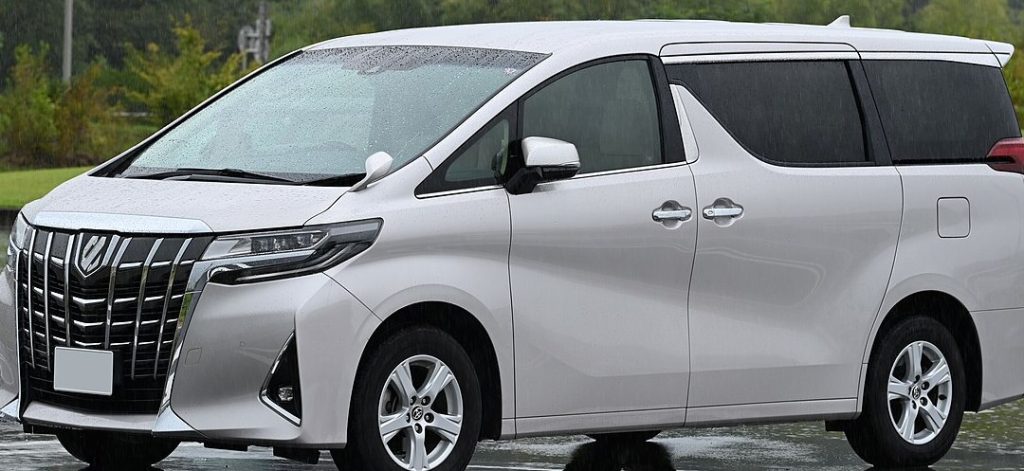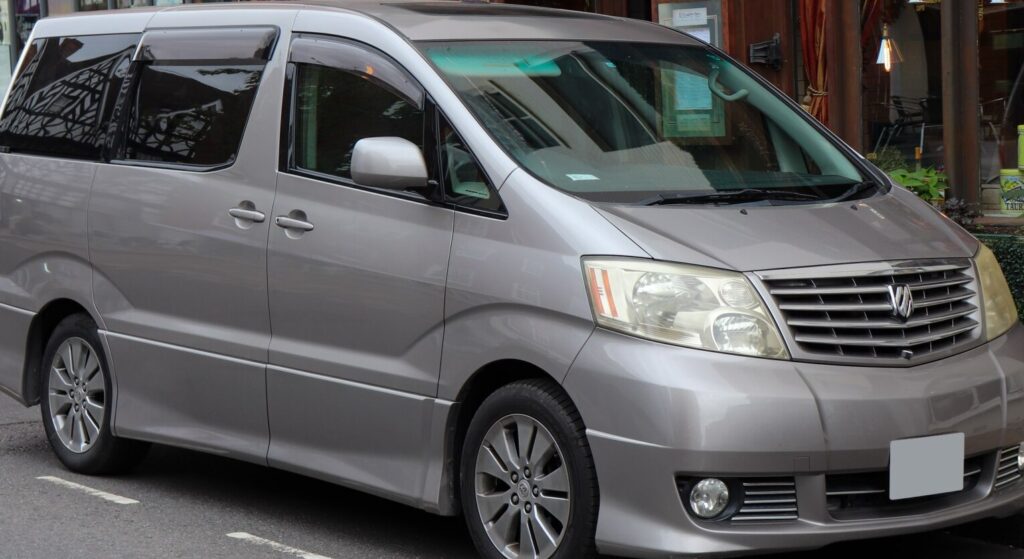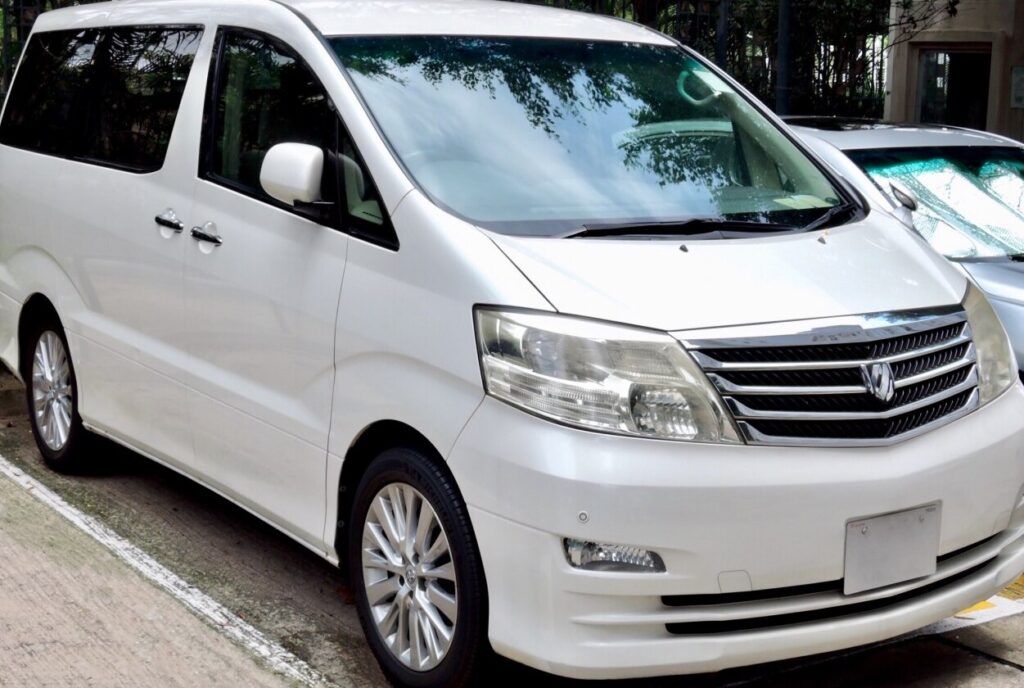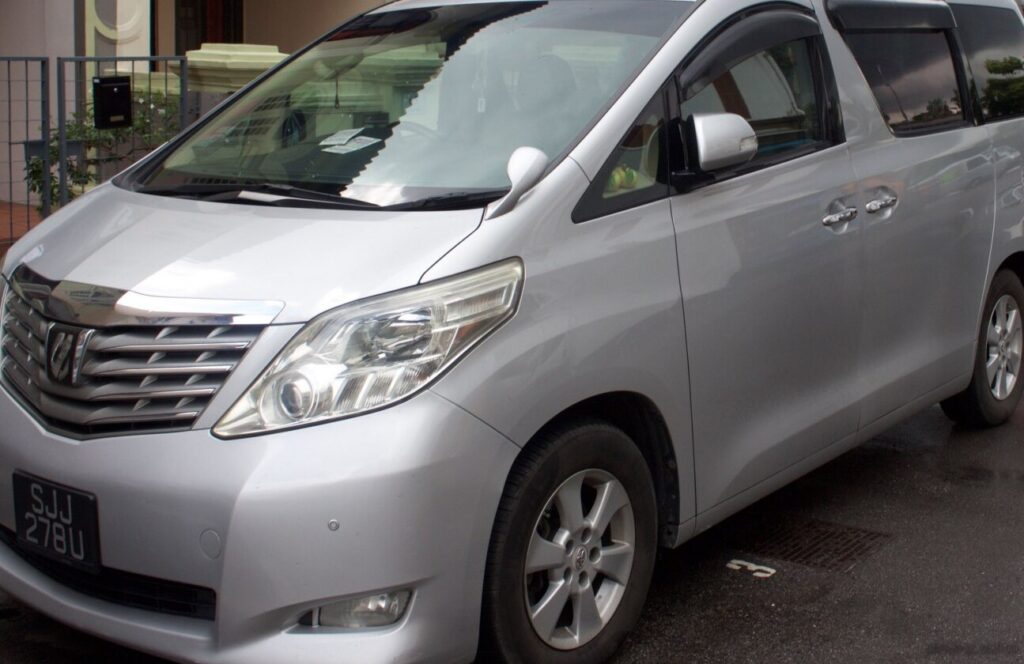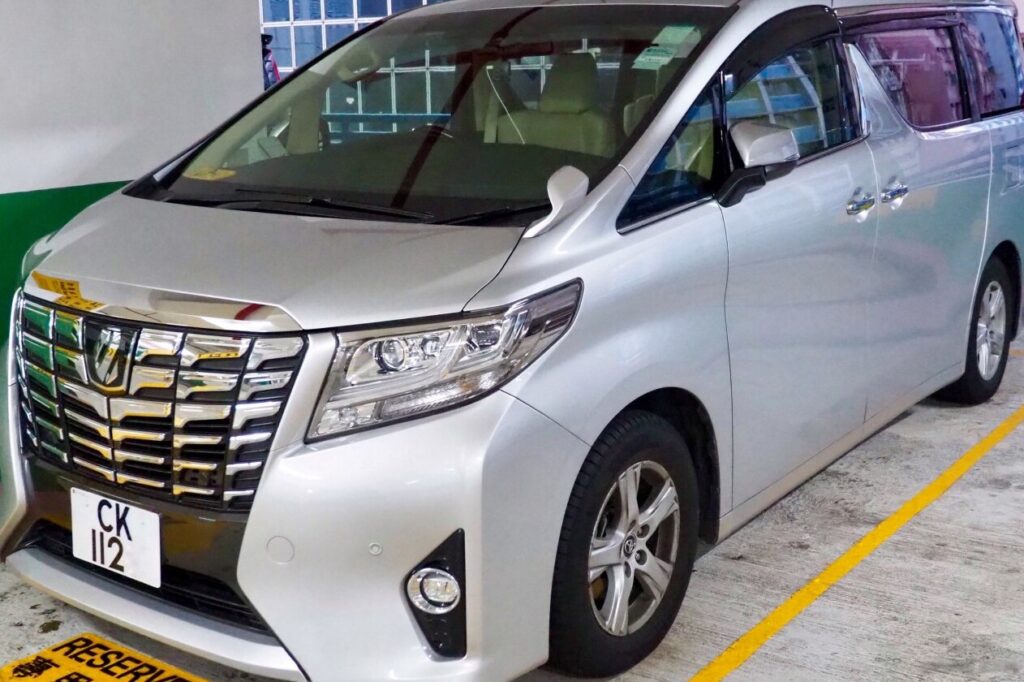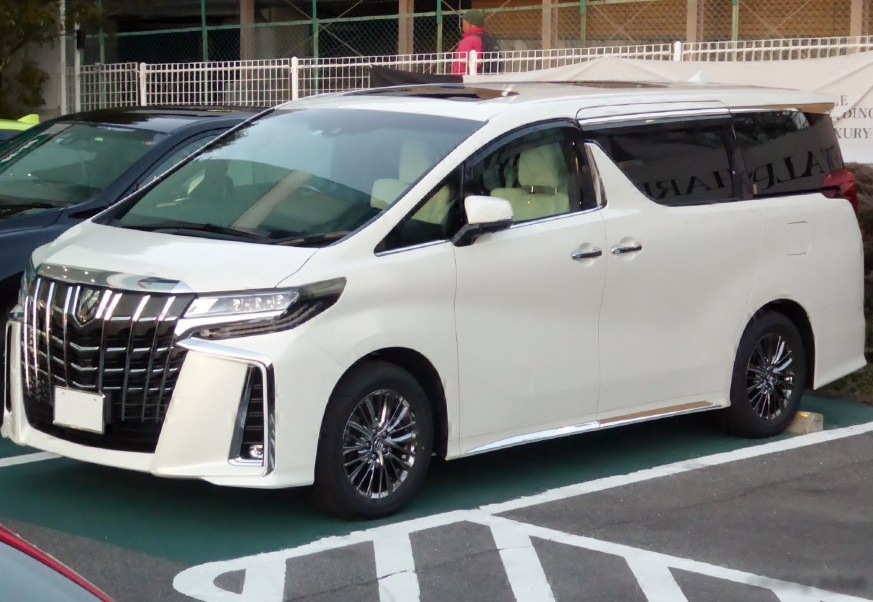
The Toyota Alphard, particularly the third generation (introduced in 2015 and facelifted in 2018), represents Toyota’s flagship luxury minivan, primarily aimed at the Japanese domestic market (JDM) and select Asian countries. While not officially sold in the United States, the Alphard has gained a significant following among enthusiasts and importers due to its spaciousness, comfort, and reputation for reliability. The 2018 facelift brought styling updates and refinements to the already well-regarded third generation. This article focuses specifically on the 3.5 V6 (300 horsepower) variant paired with an eight-speed automatic transmission, a top-tier offering within the Alphard lineup during its production run from January 2018 to June 2023.
Technical Specifications
| Brand | Toyota |
| Model | Alphard |
| Generation | Alphard III (facelift 2018) |
| Type (Engine) | 3.5 V6 (300 Hp) Automatic |
| Start of production | January, 2018 |
| End of production | June, 2023 |
| Powertrain Architecture | Internal Combustion engine |
| Body type | Minivan |
| Seats | 7 |
| Doors | 5 |
| Fuel consumption (urban) | 14.3 l/100 km (16.4 US mpg, 19.8 UK mpg, 7 km/l) |
| Fuel consumption (extra urban) | 8.3 l/100 km (28.3 US mpg, 34 UK mpg, 12 km/l) |
| Fuel consumption (combined) | 10.5 l/100 km (22.4 US mpg, 26.9 UK mpg, 9.5 km/l) |
| Fuel Type | Petrol (Gasoline) |
| Acceleration 0 – 100 km/h | 8.3 sec |
| Acceleration 0 – 62 mph | 8.3 sec |
| Acceleration 0 – 60 mph | 7.9 sec |
| Maximum speed | 200 km/h (124.27 mph) |
| Emission standard | Euro 5 |
| Weight-to-power ratio | 7.1 kg/Hp, 141.2 Hp/tonne |
| Weight-to-torque ratio | 5.9 kg/Nm, 169.9 Nm/tonne |
| Power | 300 Hp @ 6600 rpm |
| Power per litre | 86.8 Hp/l |
| Torque | 361 Nm @ 4600-4700 rpm (266.26 lb.-ft. @ 4600-4700 rpm) |
| Engine layout | Front, Longitudinal |
| Engine Model/Code | 2GR-FKS |
| Engine displacement | 3456 cm3 (210.9 cu. in.) |
| Number of cylinders | 6 |
| Engine configuration | V-engine |
| Cylinder Bore | 94 mm (3.7 in.) |
| Piston Stroke | 83 mm (3.27 in.) |
| Compression ratio | 10:1 |
| Number of valves per cylinder | 4 |
| Fuel injection system | Direct injection |
| Engine aspiration | Naturally aspirated engine |
| Valvetrain | Dual VVT-i |
| Engine oil capacity | 5.4 l (5.71 US qt | 4.75 UK qt) |
| Coolant | 10.7 l (11.31 US qt | 9.41 UK qt) |
| Kerb Weight | 2125 kg (4684.82 lbs.) |
| Max. weight | 2675 kg (5897.37 lbs.) |
| Max load | 550 kg (1212.54 lbs.) |
| Fuel tank capacity | 65 l (17.17 US gal | 14.3 UK gal) |
| Length | 4945 mm (194.69 in.) |
| Width | 1850 mm (72.83 in.) |
| Height | 1945 mm (76.57 in.) |
| Wheelbase | 3000 mm (118.11 in.) |
| Ride height (ground clearance) | 160 mm (6.3 in.) |
| Minimum turning circle | 11.4 m (37.4 ft.) |
| Drivetrain Architecture | The Internal combustion engine (ICE) drives the front wheels of the vehicle. |
| Drive wheel | Front wheel drive |
| Number of gears | 8 |
| Gearbox type | automatic transmission |
| Front suspension | Independent, type McPherson with coil spring and anti-roll bar |
| Rear suspension | Independent multi-link spring suspension with stabilizer |
| Front brakes | Ventilated discs |
| Rear brakes | Ventilated discs |
| Assisting systems | ABS (Anti-lock braking system) |
| Steering type | Steering rack and pinion |
| Power steering | Electric Steering |
| Tires size | 225/60 R17; 235/50 R18 |
| Wheel rims size | 17; 18 |
INTRODUCTION
The Toyota Alphard III, and specifically the 2018 facelift, solidified the model’s position as the premium choice in the Japanese minivan segment. Positioned at the top of the Alphard range, the 3.5 V6 Automatic offered a significant step up in performance and refinement compared to the more common 2.5-liter four-cylinder and hybrid options. Built on the 1HX0 platform (also shared with the Lexus LM), the Alphard prioritizes passenger comfort and a luxurious experience. The facelift brought revised front and rear styling, updated interior trim, and enhanced safety features, further elevating its appeal. This variant was primarily sold in Japan and other Asian markets, with limited grey market imports to other regions.
Powertrain & Engine Architecture
The heart of this Alphard variant is the 2GR-FKS 3.5-liter V6 engine. This naturally aspirated engine utilizes Toyota’s D-4S direct and port fuel injection system, optimizing both power and fuel efficiency. The engine features a dual VVT-i (Variable Valve Timing-intelligent) system, independently controlling intake and exhaust valve timing for improved responsiveness and reduced emissions. Producing 300 horsepower at 6600 rpm and 361 Nm (266 lb-ft) of torque between 4600-4700 rpm, the 2GR-FKS provides ample power for a vehicle of this size. The engine is longitudinally mounted, driving the front wheels. Paired with the engine is an eight-speed automatic transmission, providing smooth and efficient gear changes. This transmission is known for its responsiveness and contributes to the Alphard’s refined driving experience.
Driving Characteristics
The 3.5 V6 Alphard delivers a surprisingly spirited driving experience for a minivan. The eight-speed automatic transmission is well-tuned, offering quick shifts and keeping the engine in its optimal power band. While not a sports car, the Alphard accelerates briskly, achieving 0-60 mph in around 7.9 seconds. Compared to the 2.5-liter models, the V6 offers significantly more power and torque, making overtaking and highway cruising effortless. The automatic transmission, while smooth, doesn’t offer the same level of driver engagement as a manual gearbox, but it perfectly suits the Alphard’s focus on comfort and convenience. The suspension is tuned for a plush ride, absorbing bumps and imperfections in the road effectively.
Equipment & Trim Levels
The 3.5 V6 Automatic trim typically came standard with a high level of equipment. Interior features included leather upholstery, power-adjustable front seats (often with heating and ventilation), a premium audio system, and a large touchscreen infotainment system. Higher sub-trims within the 3.5 V6 range offered additional luxuries such as wood trim, ambient lighting, and advanced driver-assistance systems (ADAS) like adaptive cruise control, lane departure warning, and automatic emergency braking. Optional extras included a rear-seat entertainment system, a panoramic sunroof, and upgraded sound systems. The Alphard’s interior is renowned for its spaciousness and flexible seating configurations, accommodating up to seven passengers comfortably.
Chassis & Braking
The Alphard III utilizes a front-engine, front-wheel-drive layout. The front suspension employs a McPherson strut design with coil springs and an anti-roll bar, while the rear features an independent multi-link suspension with a stabilizer bar. This setup prioritizes ride comfort and stability. Braking duties are handled by ventilated discs on all four wheels, providing ample stopping power. The Alphard is equipped with an Anti-lock Braking System (ABS) as standard, enhancing safety. Steering is rack and pinion with electric power assistance, offering a light and precise feel.
Market Reception & Comparison
The 3.5 V6 Alphard was generally well-received by automotive critics in Japan and other Asian markets. It was praised for its powerful engine, smooth transmission, luxurious interior, and spaciousness. Compared to the 2.5-liter models, the V6 offered a noticeable performance advantage, but at the cost of slightly lower fuel economy. The hybrid variants offered better fuel efficiency but lacked the V6’s outright power. The Alphard consistently outperformed its competitors, such as the Honda Odyssey and Nissan Serena, in terms of luxury and refinement. Reliability was also a key strength, with the 2GR-FKS engine having a solid reputation for durability.
Legacy
The Toyota Alphard III 3.5 V6 Automatic has established itself as a desirable used vehicle, particularly among those seeking a luxurious and spacious minivan. The 2GR-FKS engine is known for its longevity and relatively low maintenance costs, provided it receives regular servicing. While parts availability can be a challenge outside of Asia, the Alphard’s robust construction and Toyota’s reputation for reliability ensure that well-maintained examples continue to provide years of comfortable and dependable service. The Alphard’s unique blend of luxury, practicality, and reliability has cemented its status as a sought-after vehicle in the used car market, and a testament to Toyota’s engineering prowess.