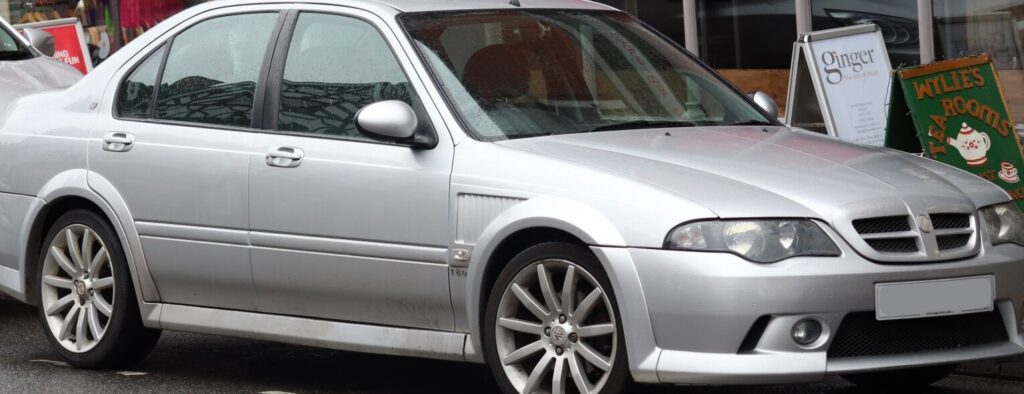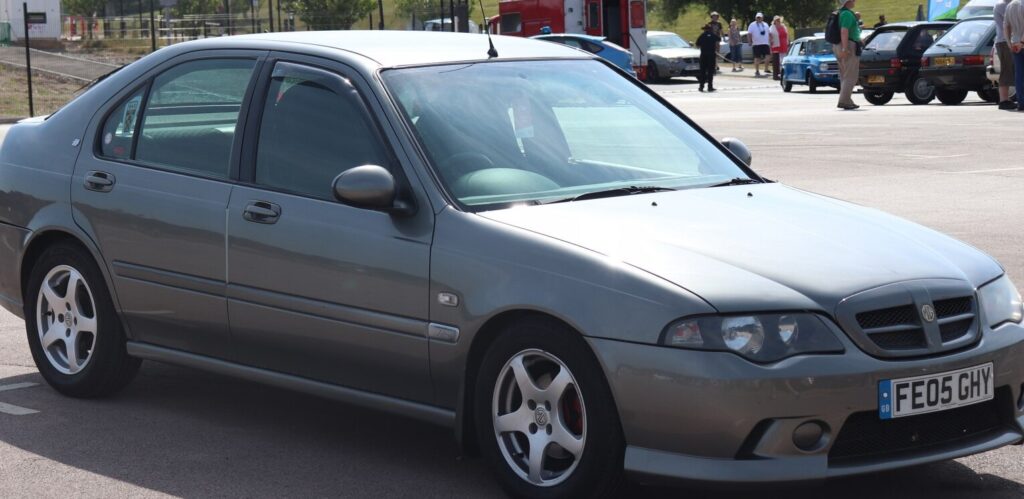
The MG ZS Hatchback 2.0 TDi (101 hp) was a compact, five-door hatchback produced by MG from 2001 to 2005. Positioned as a practical and affordable option within the ZS range, this variant offered a diesel engine paired with a five-speed manual transmission. It represented MG’s attempt to cater to the growing European demand for fuel-efficient diesel vehicles in the small family car segment. The ZS, launched as a replacement for the Rover 200, aimed to revitalize the MG brand with a modern design and competitive features.
Technical Specifications
| Brand | MG |
| Model | ZS |
| Generation | ZS Hatchback |
| Type (Engine) | 2.0 TDi (101 Hp) |
| Start of production | 2001 |
| End of production | 2005 |
| Powertrain Architecture | Internal Combustion engine |
| Body type | Hatchback |
| Seats | 5 |
| Doors | 5 |
| Fuel consumption (urban) | 7.3 l/100 km (32.2 US mpg) |
| Fuel consumption (extra urban) | 4.3 l/100 km (54.7 US mpg) |
| Fuel consumption (combined) | 5.4 l/100 km (43.6 US mpg) |
| Fuel Type | Diesel |
| Acceleration 0 – 100 km/h | 10.3 sec |
| Acceleration 0 – 62 mph | 10.3 sec |
| Acceleration 0 – 60 mph | 9.8 sec |
| Maximum speed | 187 km/h (116.2 mph) |
| Weight-to-power ratio | 12.2 kg/Hp |
| Weight-to-torque ratio | 5.1 kg/Nm |
| Power | 101 Hp @ 4200 rpm |
| Torque | 240 Nm @ 2000 rpm (177.01 lb.-ft. @ 2000 rpm) |
| Engine layout | Front, Transverse |
| Engine Model/Code | L / 20T2N |
| Engine displacement | 1994 cm3 (121.68 cu. in.) |
| Number of cylinders | 4 |
| Engine configuration | Inline |
| Cylinder Bore | 84.5 mm (3.33 in.) |
| Piston Stroke | 88.9 mm (3.5 in.) |
| Compression ratio | 19.5:1 |
| Number of valves per cylinder | 2 |
| Fuel injection system | Diesel Commonrail |
| Engine aspiration | Turbocharger, Intercooler |
| Engine oil capacity | 4.5 l (4.76 US qt | 3.96 UK qt) |
| Coolant capacity | 6.3 l (6.66 US qt | 5.54 UK qt) |
| Kerb Weight | 1230 kg (2711.69 lbs.) |
| Max. weight | 1720 kg (3791.95 lbs.) |
| Max load | 490 kg (1080.27 lbs.) |
| Trunk (boot) space – minimum | 370 l (13.07 cu. ft.) |
| Trunk (boot) space – maximum | 720 l (25.43 cu. ft.) |
| Fuel tank capacity | 55 l (14.53 US gal | 12.1 UK gal) |
| Length | 4377 mm (172.32 in.) |
| Width | 1696 mm (66.77 in.) |
| Height | 1386 mm (54.57 in.) |
| Wheelbase | 2622 mm (103.23 in.) |
| Front track | 1475 mm (58.07 in.) |
| Rear track | 1465 mm (57.68 in.) |
| Drivetrain Architecture | Front wheel drive |
| Number of gears | 5 |
| Gearbox type | Manual transmission |
| Front suspension | Spring Strut |
| Rear suspension | Coil spring |
| Front brakes | Ventilated discs |
| Rear brakes | Disc |
| Assisting systems | ABS (Anti-lock braking system) |
| Steering type | Steering rack and pinion |
| Tires size | 205/50 R16 |
Powertrain & Engine Architecture
The MG ZS 2.0 TDi was powered by a 1994cc, four-cylinder diesel engine, designated the L / 20T2N. This engine was sourced from a collaboration between MG Rover and BMW, utilizing BMW’s M47 diesel engine family as a base. The engine featured a turbocharger with an intercooler to boost power and efficiency. A key feature was its common rail direct injection system, which improved fuel atomization and combustion efficiency, resulting in better fuel economy and reduced emissions. The engine produced 101 horsepower at 4200 rpm and 240 Nm (177 lb-ft) of torque at 2000 rpm. The five-speed manual transmission was chosen for its balance of fuel efficiency and driver engagement. The engine’s 19.5:1 compression ratio was typical for a direct injection diesel engine of the era.
Driving Characteristics
The 2.0 TDi engine provided a noticeable step up in performance compared to the lower-powered 1.4 and 1.6-liter petrol variants of the ZS. While not a sports car, the diesel engine offered ample torque for everyday driving and overtaking maneuvers. The 0-60 mph time of around 9.8 seconds was respectable for a car in this class. The five-speed manual transmission allowed drivers to effectively utilize the engine’s torque band. Gear ratios were tuned for a balance between acceleration and fuel economy. Compared to the petrol engines, the diesel offered significantly better fuel economy, making it a popular choice for drivers covering long distances. However, the diesel engine was noticeably louder and less refined than the petrol options.
Equipment & Trim Levels
The MG ZS 2.0 TDi typically came with a reasonable level of standard equipment. This included central locking, power steering, electric front windows, and an RDS stereo. Higher trim levels, such as the ‘S’ variant, added features like alloy wheels, air conditioning, and upgraded interior trim. Interior upholstery was typically cloth, with options for leather available on higher-spec models. The dashboard layout was functional and straightforward, with a focus on ease of use. Optional extras included a sunroof, rear parking sensors, and upgraded audio systems.
Chassis & Braking
The MG ZS featured a MacPherson strut front suspension and a coil spring rear suspension. This setup provided a comfortable ride quality, suitable for everyday driving. The front brakes were ventilated discs, while the rear brakes were solid discs, providing adequate stopping power for the car’s weight and performance. Anti-lock Braking System (ABS) was standard, enhancing safety. The ZS’s chassis was designed to provide a balance between handling and ride comfort. Stabilizer bars were fitted to both the front and rear axles to reduce body roll during cornering.
Market Reception & Comparison
The MG ZS 2.0 TDi was generally well-received by automotive critics as a practical and affordable family car. The diesel engine was praised for its fuel efficiency and torque, but some reviewers noted its lack of refinement compared to competitors. Compared to other diesel hatchbacks of the time, such as the Ford Focus and Vauxhall Astra, the ZS offered a competitive price point and a distinctive styling. Fuel economy figures of around 43.6 US mpg (combined) were competitive for the segment. Reliability was generally considered average, with some reports of issues with the diesel injection system.
Legacy
The MG ZS 2.0 TDi, while not a groundbreaking vehicle, played a role in MG’s attempt to establish itself as a modern automotive brand. The 20T2N diesel engine proved to be relatively durable, and well-maintained examples can still be found on the road today. In the used car market, the 2.0 TDi variant is often sought after by buyers looking for a fuel-efficient and practical hatchback. However, potential buyers should be aware of the potential for diesel injection system issues and the importance of regular maintenance. The ZS, in all its variants, represents a final chapter in the history of the MG brand before its acquisition by SAIC Motor.