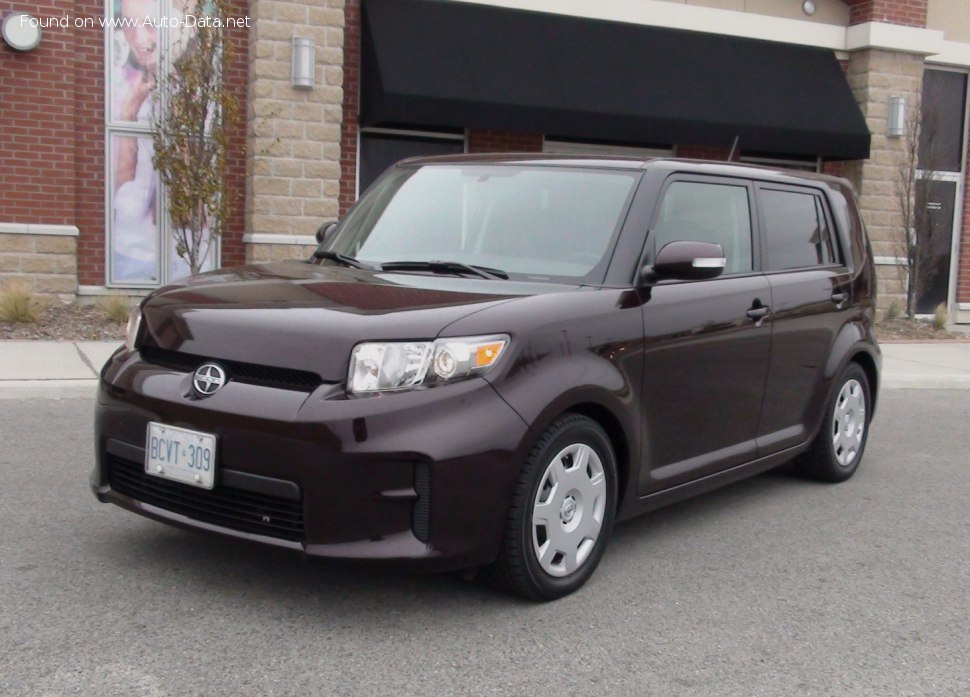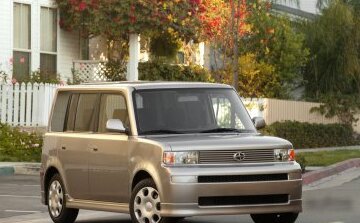
The Scion xB, specifically the first generation (xA10) produced between 2003 and 2008, represented a bold entry into the North American subcompact market. The 1.5 i 16V variant, powered by the 1NZ-FE engine and producing 108 horsepower, served as the base model for this distinctive, boxy vehicle. Positioned as an alternative to more conventional small cars, the xB aimed for a younger demographic seeking a unique aesthetic and practical interior space. This generation xB was built on Toyota’s MC platform, shared with the Toyota Echo and Toyota Yaris, and was a key component in establishing the Scion brand’s identity as youthful and unconventional.
Technical Specifications
| Brand | Scion |
| Model | xB |
| Generation | xB I |
| Type (Engine) | 1.5 i 16V (108 Hp) |
| Start of production | 2003 |
| End of production | 2008 |
| Powertrain Architecture | Internal Combustion engine |
| Body type | Minivan |
| Seats | 5 |
| Doors | 5 |
| Fuel consumption (urban) | 7.6 l/100 km (30.9 US mpg) |
| Fuel consumption (extra urban) | 6.9 l/100 km (34.1 US mpg) |
| Fuel Type | Petrol (Gasoline) |
| Weight-to-power ratio | 10.1 kg/Hp |
| Weight-to-torque ratio | 10.3 kg/Nm |
| Power | 108 Hp @ 6000 rpm |
| Power per litre | 72.2 Hp/l |
| Torque | 105 Nm @ 4200 rpm (77.44 lb.-ft. @ 4200 rpm) |
| Engine layout | Front, Transverse |
| Engine Model/Code | 1NZ-FE |
| Engine displacement | 1496 cm3 (91.29 cu. in.) |
| Number of cylinders | 4 |
| Engine configuration | Inline |
| Cylinder Bore | 75 mm (2.95 in.) |
| Piston Stroke | 84.7 mm (3.33 in.) |
| Compression ratio | 10.5:1 |
| Number of valves per cylinder | 4 |
| Fuel injection system | Multi-port manifold injection |
| Engine aspiration | Naturally aspirated engine |
| Valvetrain | DOHC |
| Engine oil capacity | 3.7 l (3.91 US qt | 3.26 UK qt) |
| Kerb Weight | 1086 kg (2394.22 lbs.) |
| Fuel tank capacity | 45 l (11.89 US gal | 9.9 UK gal) |
| Length | 3945 mm (155.31 in.) |
| Width | 1689 mm (66.5 in.) |
| Height | 1640 mm (64.57 in.) |
| Wheelbase | 2500 mm (98.43 in.) |
| Front track | 1455 mm (57.28 in.) |
| Rear track | 1430 mm (56.3 in.) |
| Drivetrain Architecture | Front wheel drive |
| Number of gears and type of gearbox | 5 gears, manual transmission |
| Front suspension | Spring Strut |
| Rear suspension | Torsion |
| Front brakes | Ventilated discs |
| Rear brakes | Drum |
| Assisting systems | ABS (Anti-lock braking system) |
| Steering type | Steering rack and pinion |
| Tires size | 185/60 R15 |
| Wheel rims size | 5.5J x 15 |
Powertrain & Engine Architecture
The heart of the xB 1.5 i 16V is the 1NZ-FE engine, a 1.5-liter inline-four cylinder gasoline engine. This engine is known for its reliability and fuel efficiency, rather than outright performance. It utilizes a multi-port fuel injection system and a double overhead camshaft (DOHC) valvetrain with four valves per cylinder. The 1NZ-FE engine was a common sight in various Toyota and Scion models of the era, benefitting from economies of scale and a well-established service network. The engine’s 108 horsepower and 105 Nm (77.44 lb-ft) of torque were delivered to the front wheels through a standard five-speed manual transmission. An optional four-speed automatic transmission was also available, though it came at the expense of some acceleration.
Driving Characteristics
The 1.5-liter engine in the xB provided adequate, but not exhilarating, performance. Acceleration was modest, particularly with the automatic transmission. The manual transmission offered a more engaging driving experience and allowed the engine to operate in its optimal power band. The xB’s relatively light weight (around 2400 lbs) helped mitigate the engine’s limited output. The focus was on urban drivability and fuel economy, making it a practical choice for city commuting. Compared to the later, more powerful 2.4-liter engine offered in subsequent xB generations, the 1.5-liter felt noticeably underpowered, especially when fully loaded with passengers and cargo. The gear ratios in the five-speed manual were reasonably well-spaced, but the automatic transmission’s programming prioritized smoothness over responsiveness.
Equipment & Trim Levels
The base xB 1.5 i 16V was fairly sparsely equipped, reflecting its entry-level positioning. Standard features typically included air conditioning, power windows and locks, and an AM/FM stereo. Interior upholstery was typically a durable cloth material. Optional extras included a CD player, upgraded speakers, and alloy wheels. The xB’s interior was notable for its surprisingly spaciousness, given its compact exterior dimensions. The boxy shape maximized interior volume, providing ample headroom and legroom for both front and rear passengers. The rear seats could also be folded down to create a larger cargo area.
Chassis & Braking
The xB’s chassis featured a MacPherson strut front suspension and a torsion beam rear suspension. This setup provided a comfortable ride, but handling was not particularly sporty. The front brakes were ventilated discs, while the rear brakes were drums. Anti-lock brakes (ABS) were standard, enhancing safety. The steering was a rack-and-pinion system, providing reasonable precision. The relatively narrow tires (185/60 R15) contributed to the car’s comfortable ride but limited grip during cornering.
Market Reception & Comparison
The Scion xB received mixed reviews upon its introduction. Critics praised its unique styling, spacious interior, and affordability. However, the 1.5-liter engine was often criticized for its lack of power. Compared to other subcompact cars of the time, such as the Honda Civic and Toyota Corolla, the xB offered a more distinctive aesthetic and a more practical interior layout. However, it lacked the refinement and performance of its more established competitors. Fuel economy was generally considered good, averaging around 31 mpg in the city and 34 mpg on the highway. Reliability was also a strong point, as the 1NZ-FE engine had a proven track record.
Legacy
The first-generation Scion xB, including the 1.5 i 16V variant, has developed a cult following among enthusiasts. Its quirky styling and practical nature have made it a popular choice for customization and modification. The 1NZ-FE engine is known for its durability and relatively low maintenance costs. While not a performance powerhouse, the engine is generally reliable and can last for many years with proper maintenance. Today, well-maintained examples of the xB 1.5 i 16V can be found on the used car market at affordable prices, making them an attractive option for budget-conscious buyers seeking a unique and practical vehicle. The xB helped establish Scion as a brand that dared to be different, and its influence can still be seen in the design of modern subcompact cars.