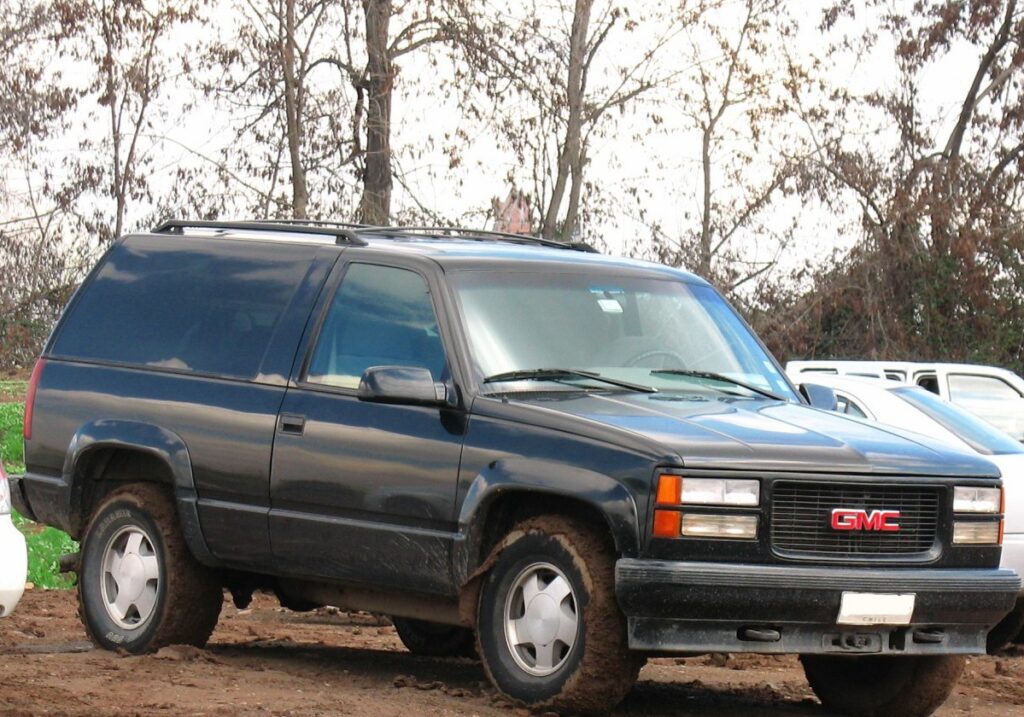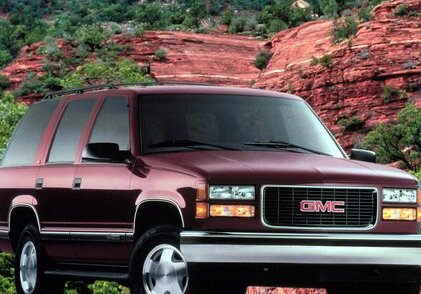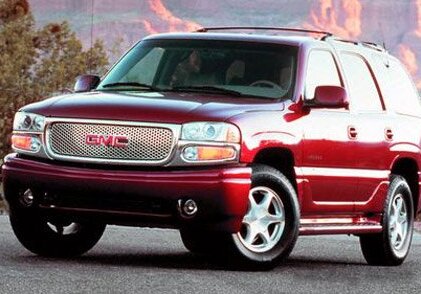
The GMC Yukon II, specifically the variant equipped with the 5.3-liter V8 engine and a four-speed automatic transmission, was a full-size SUV produced from 2000 to 2006 as part of the GMT800 platform generation. This model year represented a significant redesign for the Yukon, moving away from the previous GMT400 chassis. Positioned as a mainstream offering within the Yukon lineup, it slotted between the base model and the more luxurious Denali trim. The 5.3L V8/Automatic combination aimed to provide a balance of power, towing capacity, and relative affordability for families and those needing a versatile, large-capacity vehicle. It was a key player in GMC’s strategy to compete with the Ford Expedition and Chevrolet Tahoe in the highly competitive American SUV market.
Technical Specifications
| Brand | GMC |
| Model | Yukon |
| Generation | Yukon II (GMT800) |
| Type (Engine) | 5.3 V8 (285 Hp) Automatic |
| Start of production | 2000 |
| End of production | 2006 |
| Powertrain Architecture | Internal Combustion engine |
| Body type | SUV |
| Seats | 9 |
| Doors | 5 |
| Fuel consumption (urban) | 16.8 l/100 km (14 US mpg / 16.8 UK mpg) |
| Fuel consumption (extra urban) | 13.1 l/100 km (18 US mpg / 21.6 UK mpg) |
| Fuel Type | Petrol (Gasoline) |
| Power | 285 Hp @ 5200 rpm |
| Power per litre | 53.5 Hp/l |
| Torque | 441 Nm @ 4000 rpm (325.26 lb.-ft. @ 4000 rpm) |
| Engine layout | Front, Longitudinal |
| Engine displacement | 5327 cm3 (325.07 cu. in.) |
| Number of cylinders | 8 |
| Engine configuration | V-engine |
| Cylinder Bore | 96 mm (3.78 in.) |
| Piston Stroke | 92 mm (3.62 in.) |
| Compression ratio | 9.5:1 |
| Number of valves per cylinder | 2 |
| Fuel injection system | Multi-port manifold injection |
| Engine aspiration | Naturally aspirated engine |
| Engine oil capacity | 5.7 l (6.02 US qt / 5.02 UK qt) |
| Coolant capacity | 15.8 l (16.7 US qt / 13.9 UK qt) |
| Max. weight | 3085 kg (6801.26 lbs.) |
| Trunk (boot) space – minimum | 453 l (16 cu. ft.) |
| Trunk (boot) space – maximum | 2962 l (104.6 cu. ft.) |
| Fuel tank capacity | 98 l (25.89 US gal / 21.56 UK gal) |
| Length | 5052 mm (198.9 in.) |
| Width | 2004 mm (78.9 in.) |
| Height | 1948 mm (76.69 in.) |
| Wheelbase | 2946 mm (115.98 in.) |
| Front track | 1651 mm (65 in.) |
| Rear track | 1676 mm (65.98 in.) |
| Drivetrain Architecture | Rear wheel drive |
| Number of gears | 4 |
| Gearbox type | Automatic transmission |
| Front suspension | Independent coil spring, Torsion |
| Rear suspension | Independent multi-link suspension, Coil spring |
| Front brakes | Ventilated discs |
| Rear brakes | Disc |
| Assisting systems | ABS (Anti-lock braking system), Hydraulic Power Steering |
| Tires size | 245/75 R16 |
| Wheel rims size | 7J x 16 |
Powertrain & Engine Architecture
The heart of this Yukon II variant was the 5.3-liter (325 cubic inch) Small-Block Chevrolet V8 engine, specifically the LM7 engine code. This engine was a staple of GM’s truck and SUV lineup for many years. It featured a cast iron block with aluminum cylinder heads, a two-valve per cylinder configuration, and a 9.5:1 compression ratio. Fuel delivery was handled by a multi-port fuel injection system, providing adequate atomization for efficient combustion. The LM7 was known for its durability and relatively simple design. The four-speed automatic transmission (likely the 4L60E) was chosen for its balance of cost, reliability, and suitability for towing. This transmission featured electronic control for smoother shifting and improved fuel economy compared to older designs. The transmission’s gear ratios were optimized for both on-road cruising and providing sufficient torque for hauling and towing.
Driving Characteristics
The 5.3L V8, producing 285 horsepower and 325 lb-ft of torque, provided adequate, though not exhilarating, performance for the Yukon II. Acceleration from 0 to 60 mph was typically in the 7.5 to 8.5 second range, depending on load and road conditions. Compared to the available 6.0L V8, the 5.3L felt noticeably less powerful, especially when fully loaded or towing a trailer. However, the 5.3L offered a more manageable driving experience for everyday use. The four-speed automatic transmission, while reliable, lacked the refinement and efficiency of more modern transmissions with additional gears. Gear changes were generally smooth, but could sometimes feel hesitant during quick acceleration. The rear-wheel-drive configuration provided a traditional truck-like feel, and while capable in most conditions, it lacked the all-weather capability of four-wheel-drive models.
Equipment & Trim Levels
The Yukon II with the 5.3L V8 and automatic transmission typically came standard with features such as air conditioning, power windows and locks, an AM/FM stereo with a CD player, and cloth upholstery. Higher trim levels offered options like leather seats, a Bose sound system, a sunroof, and rear-seat entertainment systems. The interior design was functional and spacious, prioritizing practicality over luxury. The third-row seating was a key selling point, allowing for up to nine passengers. Standard safety features included anti-lock brakes (ABS).
Chassis & Braking
The GMT800 platform utilized a body-on-frame construction, providing a robust and durable chassis. The front suspension featured independent coil springs and torsion bars, while the rear suspension employed an independent multi-link setup with coil springs. This suspension configuration aimed to provide a comfortable ride while maintaining reasonable handling characteristics. Braking duties were handled by ventilated discs at the front and solid discs at the rear. The ABS system helped to maintain control during emergency braking situations. The Yukon II’s substantial weight required a capable braking system, and while adequate, it wasn’t particularly sporty in feel.
Market Reception & Comparison
The GMC Yukon II 5.3L V8 Automatic was generally well-received by consumers and critics alike. It was praised for its spacious interior, comfortable ride, and strong towing capacity. However, some reviewers noted that the 5.3L engine felt underpowered compared to the available 6.0L V8, and the four-speed automatic transmission was beginning to feel dated. Fuel economy was also a concern, with the Yukon II averaging around 14-18 mpg in real-world driving. Compared to the Chevrolet Tahoe, which shared the same platform, the Yukon II offered a slightly more upscale interior and exterior styling. The Ford Expedition was a primary competitor, offering similar features and capabilities.
Legacy
The LM7 5.3L V8 engine proved to be exceptionally durable and reliable, and many examples are still on the road today with high mileage. The 4L60E transmission, while not without its potential issues, is also generally considered to be a robust unit. The GMT800 Yukon II remains a popular choice for those seeking a large, affordable SUV with ample space and towing capacity. However, potential buyers should be aware of common issues such as oil leaks, electrical problems, and suspension wear. The 5.3L/Automatic combination represents a sweet spot in the Yukon II lineup, offering a good balance of performance, reliability, and cost-effectiveness in the used car market.