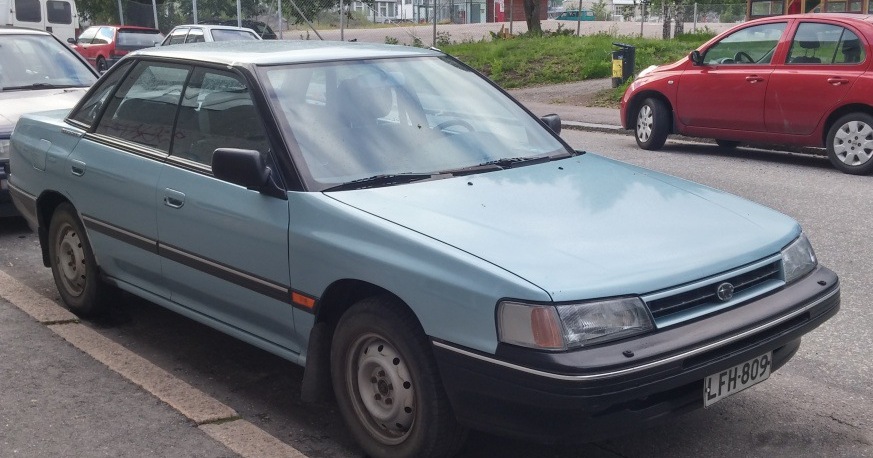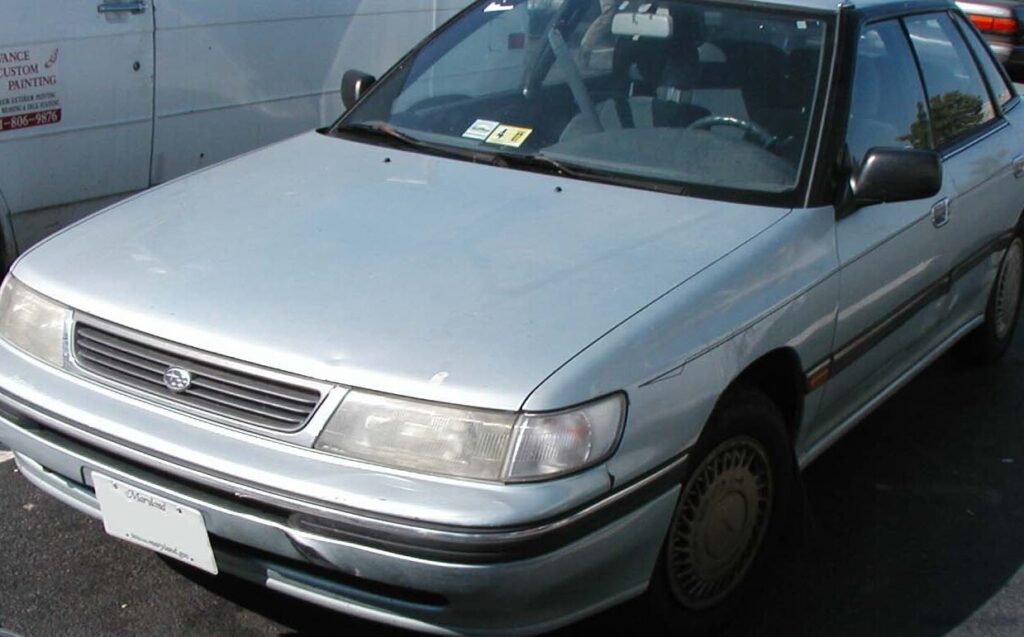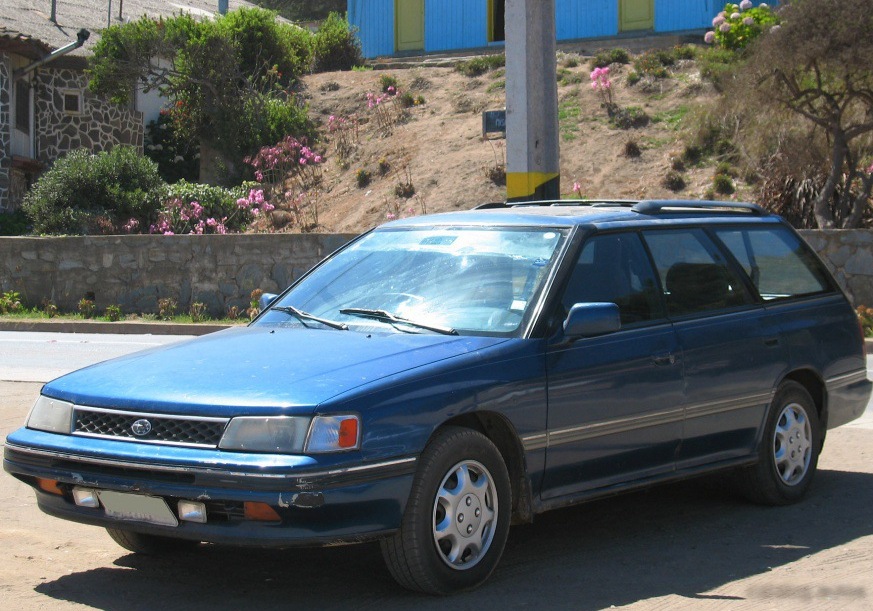
The Subaru Legacy I Station Wagon, specifically the BJF model produced between 1989 and 1991, represented a significant step forward for the Japanese automaker in the competitive station wagon segment. This variant, equipped with a 2.0-liter turbocharged engine producing 220 horsepower and all-wheel drive (AWD), was positioned as the performance-oriented flagship of the first-generation Legacy lineup. It aimed to offer a blend of practicality, space, and engaging driving dynamics, appealing to buyers seeking a versatile vehicle capable of handling diverse conditions. The BJF model was primarily sold in Japan and Europe, where the demand for practical, yet spirited, family cars was high.
Technical Specifications
| Brand | Subaru |
| Model | Legacy |
| Generation | Legacy I Station Wagon (BJF) |
| Type (Engine) | 2000 turbo (220 Hp) AWD |
| Start of production | 1989 |
| End of production | 1991 |
| Powertrain Architecture | Internal Combustion engine |
| Body type | Station wagon (estate) |
| Seats | 5 |
| Doors | 5 |
| Fuel consumption (urban) | 18 l/100 km (13.1 US mpg, 15.7 UK mpg, 5.6 km/l) |
| Fuel consumption (extra urban) | 9 l/100 km (26.1 US mpg, 31.4 UK mpg, 11.1 km/l) |
| Fuel Type | Petrol (Gasoline) |
| Maximum speed | 230 km/h (142.92 mph) |
| Weight-to-power ratio | 6.4 kg/Hp, 157.1 Hp/tonne |
| Weight-to-torque ratio | 5.2 kg/Nm, 192.9 Nm/tonne |
| Power | 220 Hp @ 6400 rpm |
| Power per litre | 110.3 Hp/l |
| Torque | 270 Nm @ 4000 rpm (199.14 lb.-ft. @ 4000 rpm) |
| Engine layout | Front, Longitudinal |
| Engine Model/Code | EJ20G |
| Engine displacement | 1994 cm3 (121.68 cu. in.) |
| Number of cylinders | 4 |
| Engine configuration | Boxer |
| Cylinder Bore | 92 mm (3.62 in.) |
| Piston Stroke | 75 mm (2.95 in.) |
| Compression ratio | 8.5:1 |
| Number of valves per cylinder | 4 |
| Fuel injection system | Multi-port manifold injection |
| Engine aspiration | Turbocharger |
| Valvetrain | DOHC |
| Engine oil capacity | 4.5 l (4.76 US qt | 3.96 UK qt) |
| Coolant | 6.1 l (6.45 US qt | 5.37 UK qt) |
| Kerb Weight | 1400 kg (3086.47 lbs.) |
| Trunk (boot) space – minimum | 420 l (14.83 cu. ft.) |
| Trunk (boot) space – maximum | 1550 l (54.74 cu. ft.) |
| Fuel tank capacity | 60 l (15.85 US gal | 13.2 UK gal) |
| Length | 4600 mm (181.1 in.) |
| Width | 1690 mm (66.54 in.) |
| Height | 1490 mm (58.66 in.) |
| Wheelbase | 2580 mm (101.57 in.) |
| Front track | 1465 mm (57.68 in.) |
| Rear (Back) track | 1455 mm (57.28 in.) |
| Drive wheel | All wheel drive (4×4) |
| Number of gears and type of gearbox | 5 gears, manual transmission |
| Front suspension | Wishbone |
| Rear suspension | Several levers and rods |
| Front brakes | Ventilated discs |
| Rear brakes | Disc |
| Assisting systems | ABS (Anti-lock braking system) |
| Steering type | Steering rack and pinion |
| Power steering | Hydraulic Steering |
| Tires size | 205/60R15 |
| Wheel rims size | 15 |
Powertrain & Engine Architecture
The heart of the BJF Legacy was the EJ20G, a 2.0-liter (1994cc) turbocharged, horizontally-opposed (boxer) four-cylinder engine. Subaru’s boxer engine design, with its pistons moving horizontally, offered inherent balance and a lower center of gravity, contributing to improved handling. The EJ20G featured multi-port fuel injection and a single turbocharger, boosting power output to 220 horsepower at 6400 rpm and 270 Nm (199 lb-ft) of torque at 4000 rpm. This engine code was a staple in many early Subaru performance models. The five-speed manual transmission was the only gearbox option available with this engine, prioritizing driver engagement and performance. The longitudinally mounted engine and symmetrical all-wheel drive system were hallmarks of Subaru’s engineering philosophy, providing excellent traction and stability in various driving conditions.
Driving Characteristics
The 220 hp turbo engine transformed the Legacy wagon into a surprisingly capable performer. Acceleration was brisk, and the all-wheel drive system provided confident grip, especially on loose surfaces. While not a dedicated sports car, the BJF offered a level of responsiveness and agility uncommon in station wagons of the era. The manual transmission allowed for precise control, and the turbocharger provided a noticeable surge of power. Compared to naturally aspirated Legacy models, the turbo variant offered a significantly more engaging driving experience. However, the turbo lag was present, requiring drivers to anticipate power delivery. The gear ratios were well-suited for both everyday driving and spirited performance, offering a balance between usability and excitement.
Equipment & Trim Levels
The BJF trim level was generally well-equipped for its time. Standard features typically included power windows, power steering, central locking, and an upgraded audio system. Interior upholstery was usually cloth, with options for leather available. The dashboard layout was functional and straightforward, prioritizing usability. Optional extras could include a sunroof, air conditioning, and upgraded speakers. The focus was on providing a comfortable and practical interior without excessive luxury, aligning with the vehicle’s overall performance-oriented character.
Chassis & Braking
The Legacy I Station Wagon featured a robust chassis with independent suspension all around. The front suspension utilized a wishbone design, while the rear employed a multi-link setup. This configuration provided a good balance between ride comfort and handling precision. Braking duties were handled by ventilated discs at the front and solid discs at the rear. An Anti-lock Braking System (ABS) was included as standard, enhancing safety and control during hard braking. The suspension was tuned to provide a relatively firm ride, complementing the engine’s performance capabilities.
Market Reception & Comparison
The Subaru Legacy I Station Wagon 2000 turbo received positive reviews for its performance, handling, and practicality. Critics praised the engine’s power and the effectiveness of the all-wheel drive system. However, fuel economy was a common concern, with the turbocharged engine consuming a significant amount of fuel, especially in urban driving. Compared to other station wagons of the time, the Legacy turbo offered a unique combination of performance and versatility. It stood out from more mainstream competitors like the Ford Mondeo or Opel Vectra, appealing to buyers seeking a more engaging driving experience. The 1.8L and 2.2L naturally aspirated versions of the Legacy offered better fuel economy but lacked the performance of the turbo model.
Legacy
The EJ20G engine, found in the BJF Legacy, has proven to be relatively durable when properly maintained. However, turbochargers and associated components require regular inspection and potential replacement over time. Today, the BJF Legacy is considered a desirable classic car, particularly among Subaru enthusiasts. Its rarity and performance potential have contributed to its increasing value in the used car market. Finding well-maintained examples can be challenging, but the Legacy I Station Wagon 2000 turbo remains a testament to Subaru’s commitment to engineering innovation and driving enjoyment.