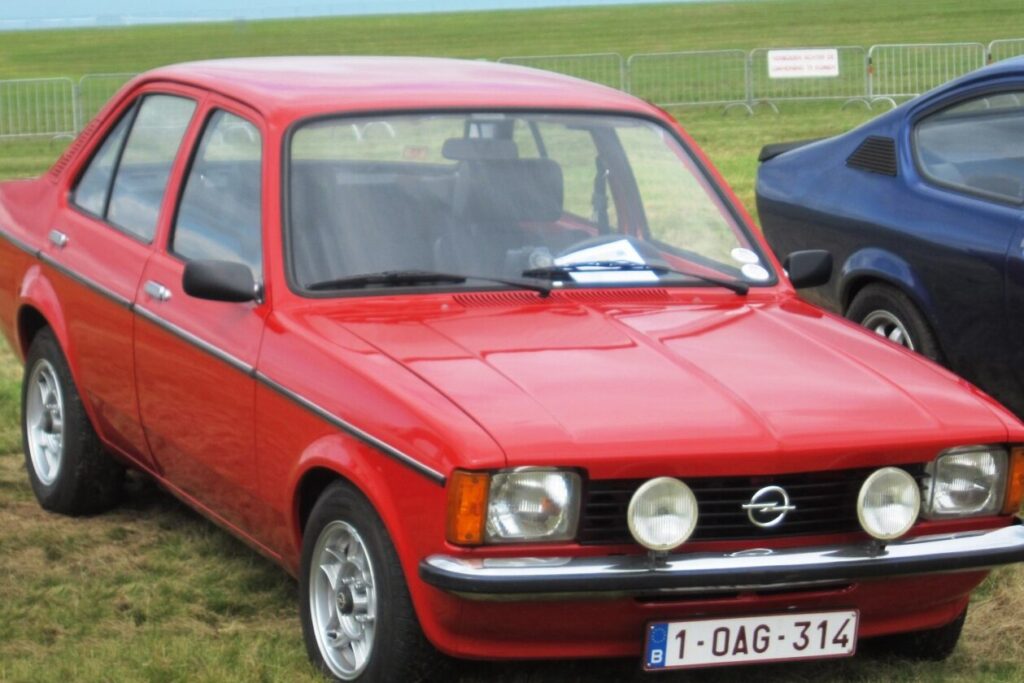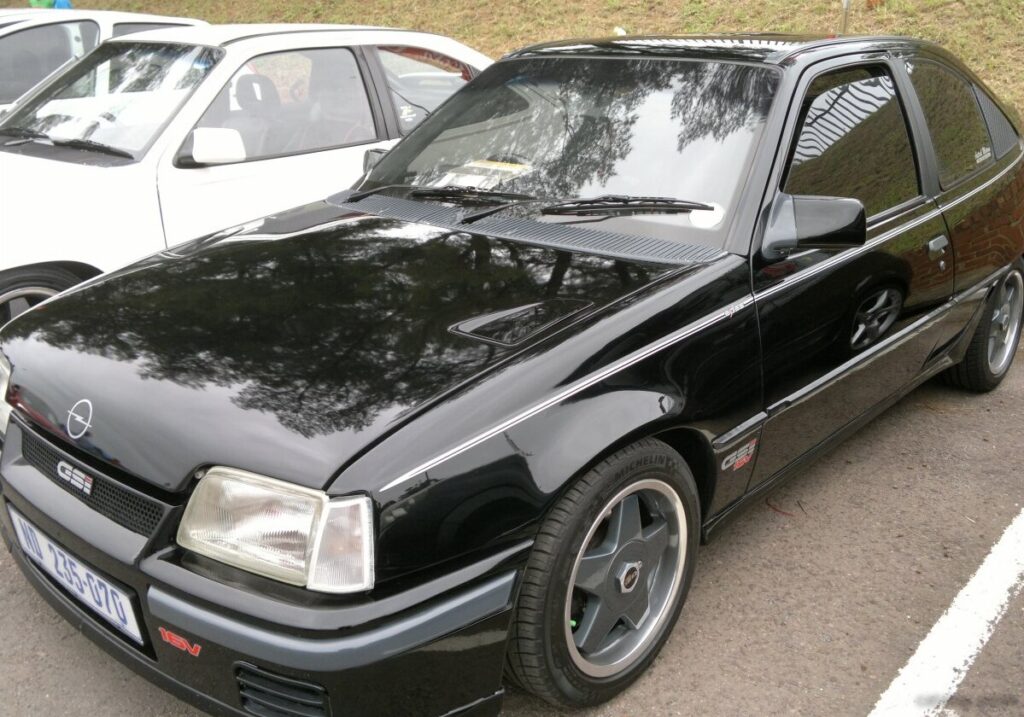
The Opel Kadett E CC 1.3i CAT, produced from 1985 to 1991, represented the entry point into the Kadett E range, a pivotal model for Opel (and later Vauxhall) in the European compact car segment. Positioned as an affordable and practical hatchback, the 1.3i CAT served as a high-volume seller, appealing to buyers prioritizing economy and basic transportation. It was a key component of the Kadett E’s success, which was built on the GM T-platform (internally known as the 1HX0/A3 platform), shared with other models like the Astra and Isuzu Gemini. This generation of Kadett marked a significant step forward in Opel’s design and engineering, offering improved aerodynamics, interior space, and overall refinement compared to its predecessor.
Technical Specifications
| Brand | Opel |
| Model | Kadett |
| Generation | Kadett E CC |
| Type (Engine) | 1.3i CAT (60 Hp) |
| Start of production | 1985 |
| End of production | 1991 |
| Powertrain Architecture | Internal Combustion engine |
| Body type | Hatchback |
| Seats | 5 |
| Doors | 3-5 |
| Fuel Type | Petrol (Gasoline) |
| Acceleration 0 – 100 km/h | 15 sec |
| Acceleration 0 – 62 mph | 15 sec |
| Acceleration 0 – 60 mph | 14.3 sec |
| Maximum speed | 160 km/h (99.42 mph) |
| Weight-to-power ratio | 14.1 kg/Hp, 71 Hp/tonne |
| Weight-to-torque ratio | 9 kg/Nm, 111.2 Nm/tonne |
| Power | 60 Hp @ 5800 rpm |
| Power per litre | 46.3 Hp/l |
| Torque | 94 Nm @ 3400-3800 rpm (69.33 lb.-ft. @ 3400-3800 rpm) |
| Engine layout | Front, Transverse |
| Engine Model/Code | C13N |
| Engine displacement | 1297 cm3 (79.15 cu. in.) |
| Number of cylinders | 4 |
| Engine configuration | Inline |
| Cylinder Bore | 75 mm (2.95 in.) |
| Piston Stroke | 73.4 mm (2.89 in.) |
| Compression ratio | 8.2:1 |
| Number of valves per cylinder | 2 |
| Fuel injection system | Carburettor |
| Engine aspiration | Naturally aspirated engine |
| Valvetrain | SOHC |
| Engine oil capacity | 3 l (3.17 US qt | 2.64 UK qt) |
| Coolant | 7 l (7.4 US qt | 6.16 UK qt) |
| Kerb Weight | 845 kg (1862.91 lbs.) |
| Max. weight | 1335 kg (2943.17 lbs.) |
| Max load | 490 kg (1080.27 lbs.) |
| Trunk (boot) space – minimum | 485 l (17.13 cu. ft.) |
| Trunk (boot) space – maximum | 1385 l (48.91 cu. ft.) |
| Length | 3998 mm (157.4 in.) |
| Width | 1663 mm (65.47 in.) |
| Height | 1400 mm (55.12 in.) |
| Wheelbase | 2520 mm (99.21 in.) |
| Front track | 1400 mm (55.12 in.) |
| Rear (Back) track | 1406 mm (55.35 in.) |
| Minimum turning circle | 10.5 m (34.45 ft.) |
| Drivetrain Architecture | The Internal combustion engine (ICE) drives the front wheels of the vehicle. |
| Drive wheel | Front wheel drive |
| Number of gears | 5 gears, manual transmission |
| Front brakes | Disc |
| Rear brakes | Drum |
Powertrain & Engine Architecture
The heart of the Kadett E 1.3i CAT was the C13N engine, a 1.3-liter inline-four cylinder unit. This engine featured a single overhead camshaft (SOHC) valvetrain operating two valves per cylinder. Crucially, it utilized a carburetor for fuel delivery, a cost-saving measure common in entry-level models of the era. The catalytic converter (“CAT” in the model designation) was a relatively new technology at the time, implemented to reduce harmful emissions and meet increasingly stringent European regulations. The engine produced 60 horsepower at 5800 rpm and 94 Nm (69.33 lb-ft) of torque between 3400 and 3800 rpm. The engine’s relatively simple design prioritized reliability and ease of maintenance over outright performance. The standard transmission was a five-speed manual, although a three-speed automatic was offered as an option, albeit less common.
Driving Characteristics
The 1.3i CAT Kadett E, particularly in manual form, offered adequate, if uninspiring, performance. Acceleration to 60 mph took around 14.3 seconds, and top speed was approximately 99 mph. The automatic transmission version noticeably dulled performance, with slower acceleration and a less engaging driving experience. The gear ratios were optimized for fuel economy rather than spirited driving. The engine felt strained at higher speeds, and overtaking required careful planning. However, the Kadett E’s relatively light weight and well-tuned suspension provided decent handling and a comfortable ride for everyday use. The steering was light and precise, making it easy to maneuver in urban environments.
Equipment & Trim Levels
The 1.3i CAT typically represented the base trim level. Standard equipment included cloth upholstery, a basic dashboard layout, and steel wheels with hubcaps. Power steering and central locking were often optional extras. Interior space was reasonable for a car of its size, offering comfortable seating for five adults, although rear legroom was somewhat limited. The hatchback configuration provided a versatile cargo area, with a minimum capacity of 485 liters (17.13 cu ft) expanding to 1385 liters (48.91 cu ft) with the rear seats folded down. Optional extras included a sunroof, upgraded stereo systems, and tinted glass.
Chassis & Braking
The Kadett E utilized a MacPherson strut front suspension and a twist-beam rear axle. This setup provided a good balance between ride comfort and handling. The front brakes were disc brakes, while the rear brakes were drum brakes – a common configuration for entry-level models of the time. Stabilizer bars were typically fitted to the front axle to reduce body roll during cornering. The steering was a rack-and-pinion system, providing precise and responsive control. The relatively light weight of the 1.3i CAT contributed to its nimble handling characteristics.
Market Reception & Comparison
The Kadett E 1.3i CAT was generally well-received by automotive critics as a practical and affordable family car. It was praised for its fuel efficiency, comfortable ride, and spacious interior. However, its lack of outright performance was often noted. Compared to other Kadett E variants, such as the 1.6-liter and 2.0-liter models, the 1.3i CAT offered significantly less power and performance. The 1.6-liter version, for example, provided a noticeable improvement in acceleration and overall driving experience. The 1.9-liter diesel version offered superior fuel economy but lacked the refinement of the gasoline engines. The 1.3i CAT’s main appeal lay in its affordability and low running costs.
Legacy
The Opel Kadett E 1.3i CAT, while not a performance icon, remains a popular choice among classic car enthusiasts and budget-conscious buyers. The C13N engine is known for its reliability and relative simplicity, making it relatively easy to maintain. However, age-related issues such as corrosion and wear and tear on rubber components are common. Parts availability is generally good, although some specific components may be difficult to find. Today, the Kadett E 1.3i CAT represents a nostalgic reminder of a simpler era in automotive history, offering a glimpse into the affordable and practical transportation options available in the late 1980s and early 1990s. Well-maintained examples are increasingly sought after by collectors and enthusiasts, appreciating in value as they become rarer.