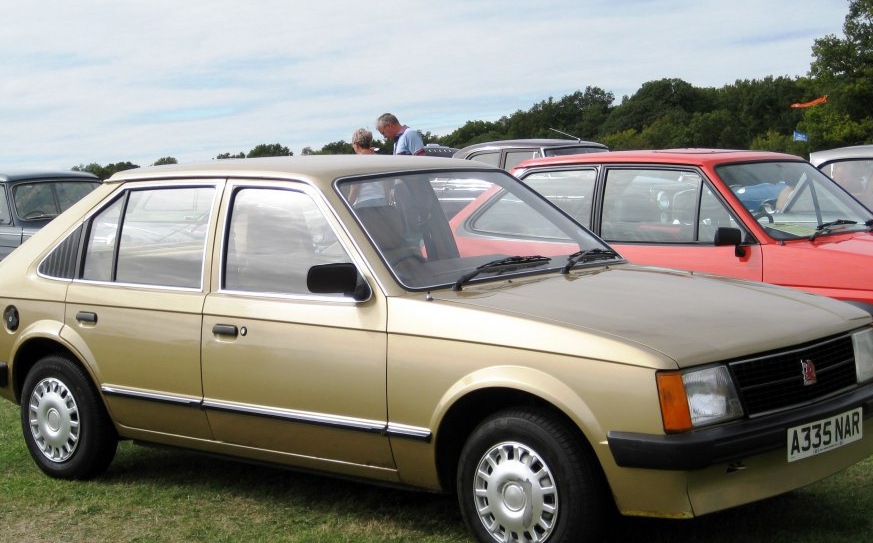
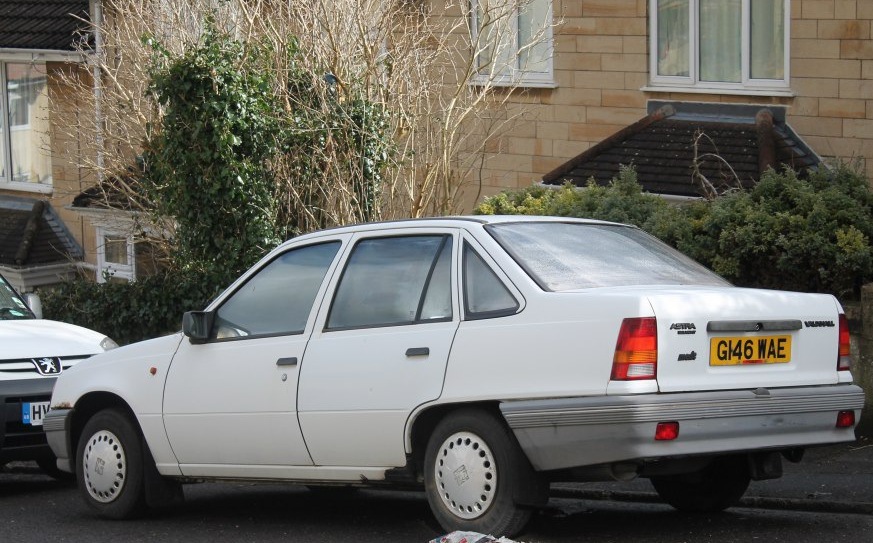
The Vauxhall Astra Mk IV Coupe 2.2 16V, produced between 2000 and 2004, represented a sporty and stylish offering within the fourth generation of the Astra range. Positioned as a more dynamic alternative to the hatchback and saloon models, the Coupe aimed to attract buyers seeking a more individual and engaging driving experience. This particular variant, equipped with the 2.2-liter 16-valve engine and a five-speed manual transmission, sat towards the upper end of the Coupe lineup, offering a significant performance boost over the lower-capacity engines. It was a key model in Vauxhall’s attempt to broaden the Astra’s appeal beyond its traditional family car base.
Technical Specifications
| Brand | Vauxhall |
| Model | Astra |
| Generation | Astra Mk IV Coupe |
| Type (Engine) | 2.2 16V (147 Hp) |
| Start of production | 2000 |
| End of production | 2004 |
| Powertrain Architecture | Internal Combustion engine |
| Body type | Coupe |
| Seats | 4 |
| Doors | 2 |
| Fuel consumption (urban) | 12 l/100 km (19.6 US mpg) |
| Fuel consumption (extra urban) | 6.3 l/100 km (37.3 US mpg) |
| Fuel consumption (combined) | 8.4 l/100 km (28 US mpg) |
| Fuel Type | Petrol (Gasoline) |
| Acceleration 0 – 100 km/h | 8.8 sec |
| Acceleration 0 – 62 mph | 8.8 sec |
| Acceleration 0 – 60 mph | 8.4 sec |
| Maximum speed | 214 km/h (132.97 mph) |
| Weight-to-power ratio | 8.2 kg/Hp |
| Weight-to-torque ratio | 5.9 kg/Nm |
| Power | 147 Hp @ 5800 rpm |
| Torque | 203 Nm @ 4000 rpm (149.73 lb.-ft. @ 4000 rpm) |
| Engine layout | Front, Transverse |
| Engine Model/Code | Z22SE |
| Engine displacement | 2198 cm3 (134.13 cu. in.) |
| Number of cylinders | 4 |
| Engine configuration | Inline |
| Cylinder Bore | 86 mm (3.39 in.) |
| Piston Stroke | 94.6 mm (3.72 in.) |
| Compression ratio | 10:1 |
| Number of valves per cylinder | 4 |
| Engine oil capacity | 5 l (5.28 US qt | 4.4 UK qt) |
| Coolant capacity | 6.8 l (7.19 US qt | 5.98 UK qt) |
| Kerb Weight | 1200 kg (2645.55 lbs.) |
| Max. weight | 1620 kg (3571.49 lbs.) |
| Max load | 420 kg (925.94 lbs.) |
| Trunk (boot) space – minimum | 460 l (16.24 cu. ft.) |
| Fuel tank capacity | 52 l (13.74 US gal | 11.44 UK gal) |
| Length | 4267 mm (167.99 in.) |
| Width | 1709 mm (67.28 in.) |
| Height | 1390 mm (54.72 in.) |
| Wheelbase | 2606 mm (102.6 in.) |
| Front track | 1474 mm (58.03 in.) |
| Rear track | 1462 mm (57.56 in.) |
| Ride height (ground clearance) | 130 mm (5.12 in.) |
| Drive wheel | Front wheel drive |
| Number of gears | 5 |
| Gearbox type | Manual transmission |
| Front brakes | Ventilated discs |
| Rear brakes | Disc |
| Tires size | 195/60 R15 |
| Wheel rims size | 15 |
Powertrain & Engine Architecture
The heart of the Astra Coupe 2.2 16V is the Z22SE engine, a 2.2-liter inline-four cylinder powerplant. This engine is a naturally aspirated unit, meaning it doesn’t employ forced induction like a turbocharger or supercharger. It features a dual overhead camshaft (DOHC) design with four valves per cylinder, contributing to its relatively high power output for its displacement. Fuel delivery is managed by a multi-point fuel injection system, providing precise control over the air-fuel mixture. The engine’s 10:1 compression ratio strikes a balance between performance and fuel efficiency. The five-speed manual transmission, a Getrag unit, was well-regarded for its smooth shifting and durability. The gear ratios were tuned to provide a good blend of acceleration and cruising ability, although they weren’t particularly aggressive, reflecting the car’s overall grand touring character.
Driving Characteristics
The 2.2-liter engine delivers a noticeable step up in performance compared to the 1.6 or 1.8-liter versions of the Astra Coupe. Acceleration to 60 mph in around 8.4 seconds, while not blistering by modern standards, was respectable for the early 2000s. The engine feels responsive throughout the rev range, with peak torque arriving at 4000 rpm. This provides ample pulling power for overtaking maneuvers and maintaining comfortable cruising speeds on motorways. The manual transmission allows for greater driver involvement and control compared to the optional automatic gearbox. The Coupe’s suspension, while tuned for comfort, provides adequate body control, although it’s not as sharp or focused as some of its more overtly sporty rivals. The front-wheel-drive layout can exhibit some torque steer under hard acceleration.
Equipment & Trim Levels
The Astra Coupe 2.2 16V typically came equipped with a reasonably comprehensive list of standard features. These included central locking, electric front windows, power steering, and an RDS stereo. Higher trim levels, such as the SE and SR, added features like alloy wheels, air conditioning, a sunroof, and upgraded interior trim. Interior upholstery was typically cloth, although leather options were available. The dashboard layout was functional and straightforward, with clear instrumentation. Optional extras included a CD changer, upgraded sound systems, and metallic paint finishes.
Chassis & Braking
The Astra Coupe Mk IV utilizes a MacPherson strut front suspension and a torsion beam rear suspension. This setup provides a good compromise between ride comfort and handling. The front brakes are ventilated discs, offering good stopping power, while the rear brakes are solid discs. The steering is hydraulically assisted, providing a reasonably weighted feel. The 15-inch alloy wheels, often fitted to this variant, contribute to the car’s visual appeal and provide a decent level of grip. Stabilizer bars are fitted to both the front and rear axles to reduce body roll during cornering.
Market Reception & Comparison
The Astra Coupe 2.2 16V was generally well-received by automotive critics. It was praised for its stylish design, comfortable ride, and strong engine performance. However, some reviewers noted that the handling wasn’t as sharp as some of its rivals, such as the Ford Focus Coupe-Cabriolet or the Peugeot 307 Coupe. Compared to the lower-capacity Astra Coupes, the 2.2 16V offered a significant performance advantage, but at the cost of slightly increased fuel consumption. The 1.8-liter versions were often seen as a more sensible choice for everyday driving, while the 2.2 appealed to those prioritizing performance and driving enjoyment.
Legacy
The Z22SE engine, found in the Astra Coupe 2.2 16V, is generally considered to be a reliable unit, provided it’s been properly maintained. Common issues include oil leaks and occasional sensor failures. The manual transmission is also known for its durability. Today, the Astra Coupe 2.2 16V is gaining a following among classic car enthusiasts, particularly those seeking an affordable and stylish coupe from the early 2000s. Values remain relatively modest, making it an accessible entry point into classic car ownership. Well-maintained examples are becoming increasingly sought after, as they represent a nostalgic reminder of a time when coupes offered a unique blend of style, performance, and practicality.