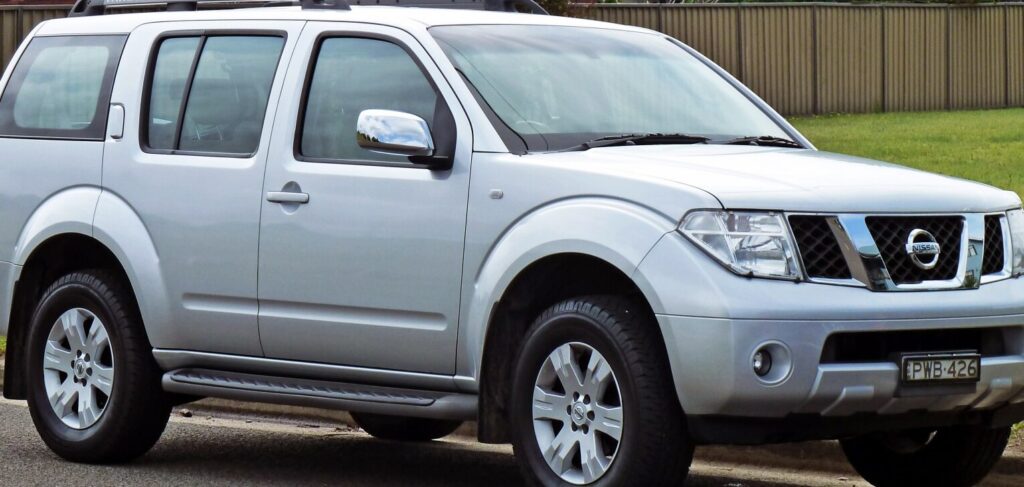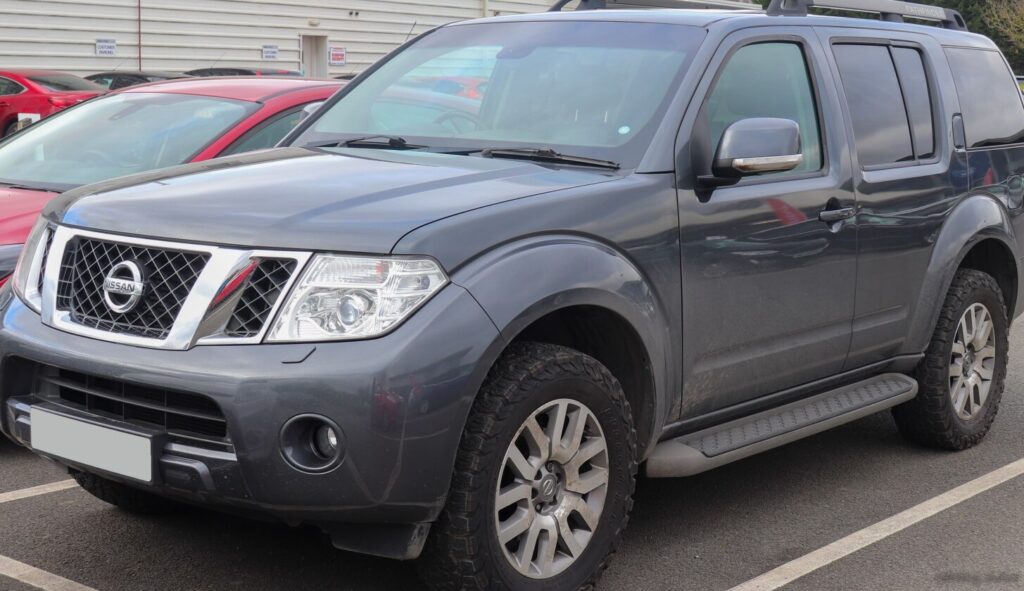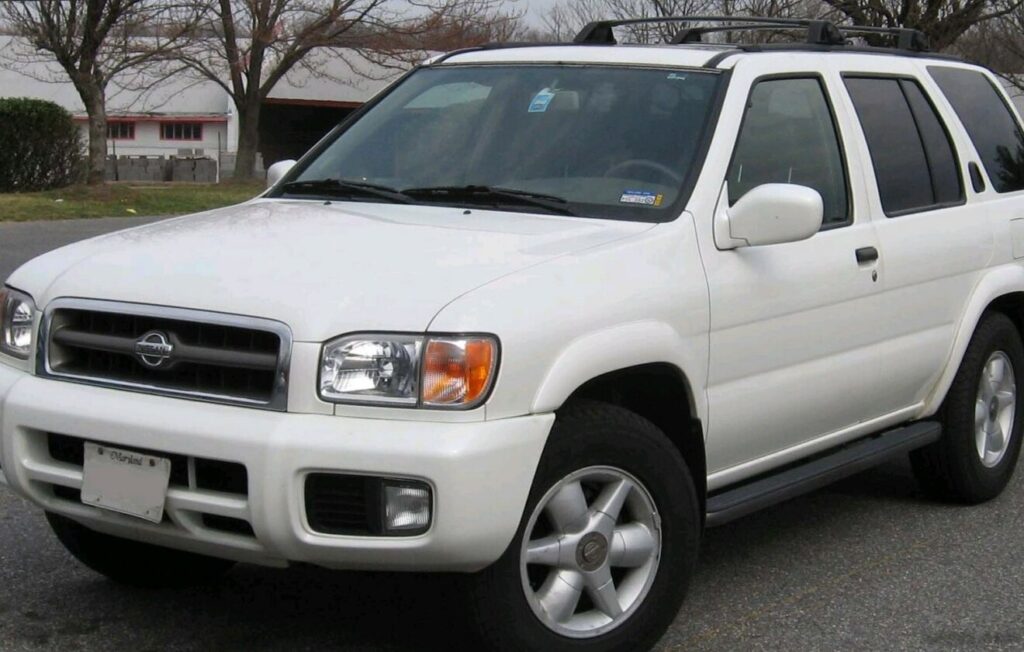
The Nissan Pathfinder II, specifically the 3.5i V6 24V SE 4WD variant, was produced from 2001 to 2004. This second-generation Pathfinder (codenamed R50) represented a significant shift from its truck-based predecessor, moving to a fully independent suspension and a more comfortable, car-like ride. The 3.5i SE trim occupied a mid-range position within the Pathfinder II lineup, offering a balance of performance, features, and price. It served as a popular choice for families seeking a capable and versatile SUV in the North American market, where the Pathfinder competed with vehicles like the Ford Explorer, Honda Pilot, and Toyota 4Runner.
Technical Specifications
| Brand | Nissan |
| Model | Pathfinder |
| Generation | Pathfinder II |
| Type | 3.5 i V6 24V SE (253 Hp) 4WD |
| Start of production | 2001 |
| End of production | 2004 |
| Powertrain Architecture | Internal Combustion engine |
| Body type | SUV |
| Seats | 5 |
| Doors | 5 |
| Fuel consumption (urban) | 13.1 l/100 km (18 US mpg) |
| Fuel consumption (extra urban) | 12.4 l/100 km (19 US mpg) |
| Fuel Type | Petrol (Gasoline) |
| Acceleration 0 – 100 km/h | 8.8 sec |
| Acceleration 0 – 62 mph | 8.8 sec |
| Acceleration 0 – 60 mph | 8.4 sec |
| Maximum speed | 177 km/h (109.98 mph) |
| Weight-to-power ratio | 7.5 kg/Hp |
| Weight-to-torque ratio | 5.8 kg/Nm |
| Power | 253 Hp @ 6000 rpm |
| Torque | 325 Nm @ 3200 rpm (239.71 lb.-ft. @ 3200 rpm) |
| Engine layout | Front, Longitudinal |
| Engine Model/Code | VQ35DE |
| Engine displacement | 3498 cm3 (213.46 cu. in.) |
| Number of cylinders | 6 |
| Engine configuration | V-engine |
| Cylinder Bore | 95.5 mm (3.76 in.) |
| Piston Stroke | 81.4 mm (3.2 in.) |
| Compression ratio | 10:1 |
| Number of valves per cylinder | 4 |
| Fuel injection system | Multi-port manifold injection |
| Engine aspiration | Naturally aspirated engine |
| Valvetrain | DOHC |
| Engine oil capacity | 5 l (5.28 US qt | 4.4 UK qt) |
| Coolant capacity | 9.2 l (9.72 US qt | 8.09 UK qt) |
| Kerb Weight | 1900 kg (4188.78 lbs.) |
| Max. weight | 2404 kg (5299.91 lbs.) |
| Max load | 504 kg (1111.13 lbs.) |
| Trunk (boot) space – minimum | 1076 l (38 cu. ft.) |
| Trunk (boot) space – maximum | 2407 l (85 cu. ft.) |
| Fuel tank capacity | 80 l (21.13 US gal | 17.6 UK gal) |
| Length | 4640 mm (182.68 in.) |
| Width | 1820 mm (71.65 in.) |
| Height | 1800 mm (70.87 in.) |
| Wheelbase | 2700 mm (106.3 in.) |
| Front track | 1481 mm (58.31 in.) |
| Rear track | 1486 mm (58.5 in.) |
| Drive wheel | All wheel drive (4×4) |
| Number of gears | 5 |
| Gearbox type | Manual transmission |
| Front suspension | Coil spring |
| Rear suspension | Coil spring |
| Front brakes | Ventilated discs |
| Rear brakes | Drum |
| Assisting systems | ABS (Anti-lock braking system) |
| Steering type | Steering rack and pinion |
| Power steering | Hydraulic Steering |
| Tires size | 245/65 R17 |
Powertrain & Engine Architecture
The heart of the 2001-2004 Nissan Pathfinder II 3.5i SE 4WD is the VQ35DE 3.5-liter V6 engine. This engine is a member of Nissan’s highly regarded VQ engine family, known for its smooth operation, reliability, and strong performance. The VQ35DE features a 60-degree V-angle, a cast iron block with aluminum cylinder heads, and dual overhead camshafts (DOHC) with four valves per cylinder. The engine utilizes a multi-port fuel injection system, delivering fuel directly into the intake ports. The 3.5-liter engine produces 253 horsepower at 6000 rpm and 325 lb-ft of torque at 3200 rpm. This power is delivered through a 5-speed manual transmission to all four wheels via Nissan’s part-time 4WD system. The 4WD system allows the driver to select between 2WD, 4HI (high range), and 4LO (low range) for varying terrain conditions.
Driving Characteristics
The 3.5i SE with the manual transmission offered a noticeably more engaging driving experience than the automatic-equipped models. The 5-speed manual allowed for precise control and maximized the engine’s power output. Acceleration from 0-60 mph was achieved in approximately 8.4 seconds, making it reasonably quick for an SUV of its size. The engine provided ample torque for everyday driving and towing, and the manual gearbox allowed drivers to keep the engine in its optimal power band. While not a sports car, the Pathfinder II 3.5i SE offered a responsive and enjoyable driving experience, particularly for those who preferred the control of a manual transmission. Compared to the 3.3L V6 models, the 3.5i offered a significant performance boost, and while not as fuel-efficient as the 4-cylinder options (if available in some markets), it provided a superior level of refinement and capability.
Equipment & Trim Levels
The “SE” trim level for the Pathfinder II represented a step up from the base model. Standard features included air conditioning, power windows and locks, a CD player, and cloth upholstery. The SE also added features like alloy wheels, a roof rack, and upgraded interior trim. Optional extras included a sunroof, leather upholstery, a premium sound system, and a navigation system. The interior layout was functional and comfortable, with seating for five passengers. The rear seats could be folded down to create a larger cargo area. The Pathfinder II was designed with family use in mind, offering a spacious interior and a practical cargo area.
Chassis & Braking
The Pathfinder II’s fully independent suspension – a significant upgrade over the previous generation – contributed to its improved ride quality and handling. The front suspension utilized coil springs and stabilizer bar, while the rear suspension also employed coil springs. This setup provided a comfortable ride on paved roads while still offering sufficient off-road capability. Braking duties were handled by ventilated discs in the front and drum brakes in the rear. An Anti-lock Braking System (ABS) was standard, enhancing safety and control during hard braking situations. The steering system was a rack-and-pinion setup with hydraulic power assist, providing precise and responsive steering feel.
Market Reception & Comparison
The Nissan Pathfinder II 3.5i SE 4WD was generally well-received by automotive critics. It was praised for its comfortable ride, spacious interior, and strong V6 engine. The switch to a fully independent suspension was a major selling point, as it significantly improved the vehicle’s handling and ride quality. Fuel economy was considered average for its class, with the 3.5-liter V6 consuming around 18 mpg in the city and 19 mpg on the highway. Compared to other trims in the Pathfinder II lineup, the 3.5i SE offered a compelling balance of performance and features. It was more powerful and refined than the base models, but less expensive and more practical than the top-of-the-line LE trim.
Legacy
The VQ35DE engine has proven to be remarkably durable and reliable over the long term. Pathfinders equipped with this engine and the 5-speed manual transmission are generally considered to be relatively trouble-free, provided they have been properly maintained. Common issues include minor oil leaks and occasional sensor failures, but these are typically inexpensive to repair. Today, the 2001-2004 Nissan Pathfinder II 3.5i SE 4WD holds a respectable position in the used car market, appealing to buyers seeking a capable and affordable SUV with a proven track record. Its combination of performance, comfort, and reliability makes it a popular choice for families and outdoor enthusiasts alike.