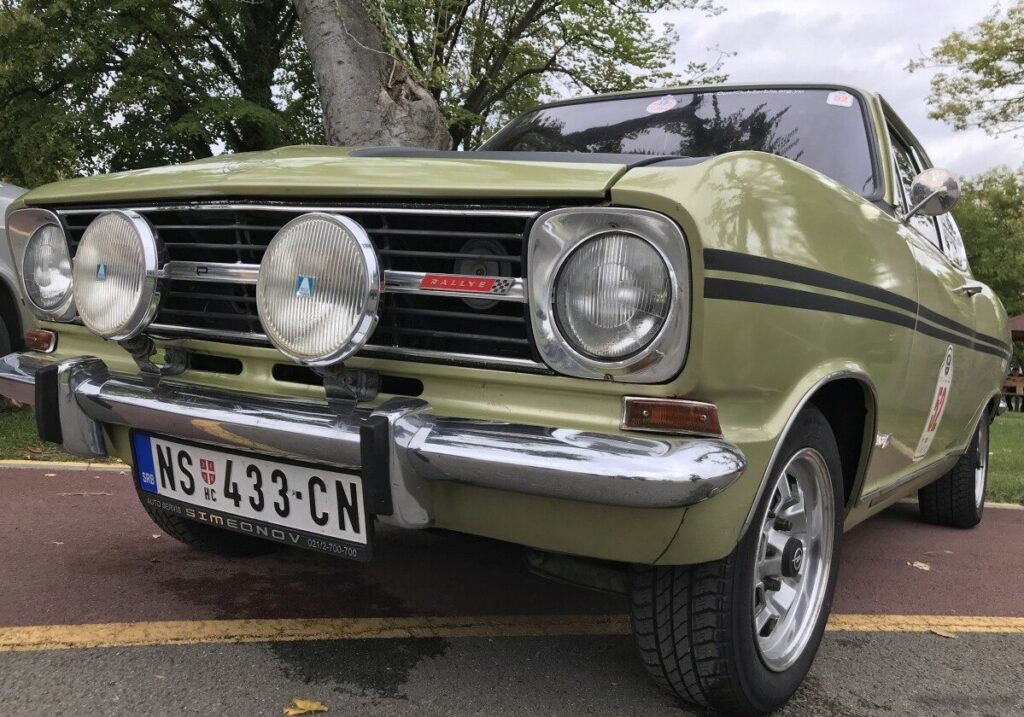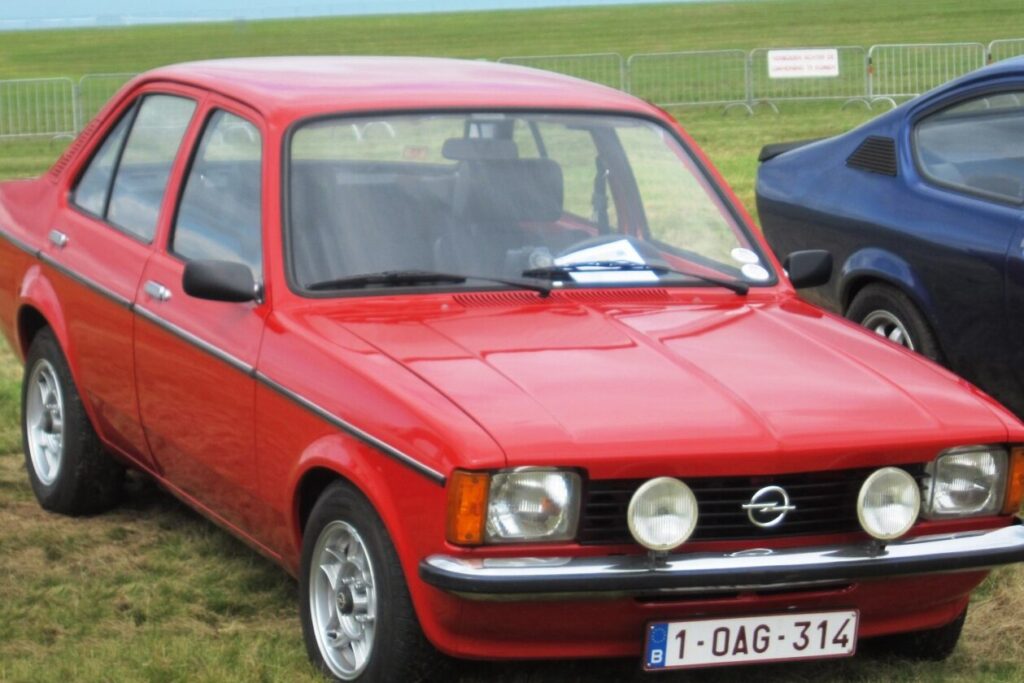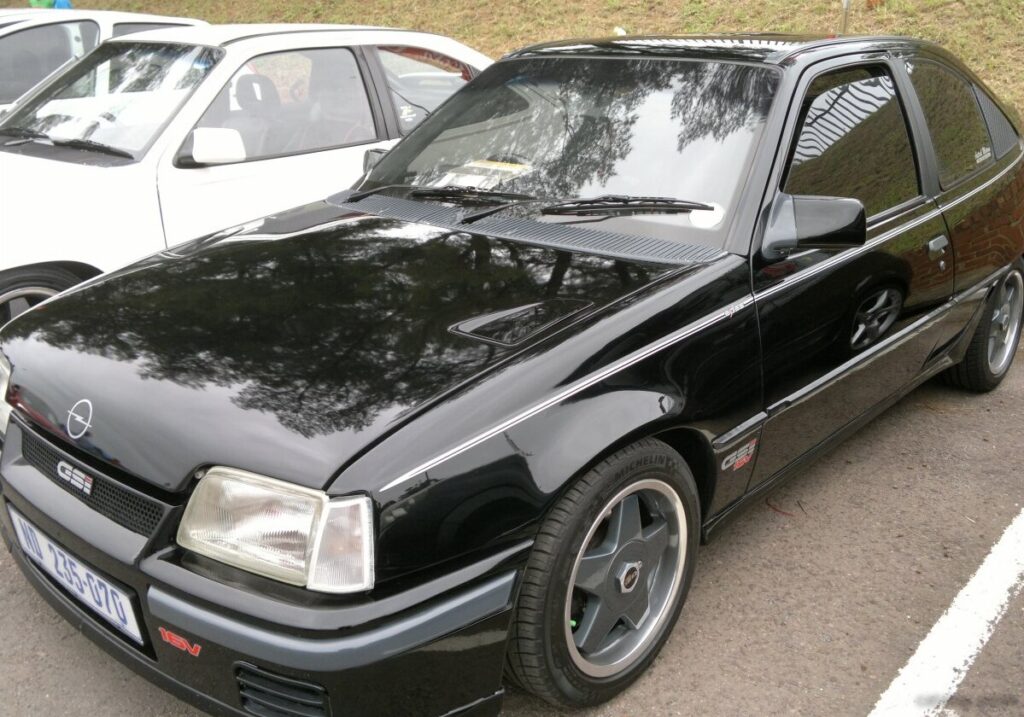
The Opel Kadett E CC 1.6 S, produced between 1986 and 1991, represented a significant step forward for Opel’s compact car lineup. Positioned as a slightly more sporting variant within the Kadett E range, the 1.6 S offered a balance between affordability, practicality, and a modest performance upgrade. It was a key model in the C-segment, competing with vehicles like the Volkswagen Golf, Ford Escort, and Fiat Tipo, primarily in European markets. The “CC” designation stands for “Coupé Classic,” referring to the hatchback body style. This variant aimed to appeal to buyers seeking a more engaging driving experience than the base models, without the higher cost of the more powerful GSi trims.
Technical Specifications
| Brand | Opel |
| Model | Kadett |
| Generation | Kadett E CC |
| Type (Engine) | 1.6 S (82 Hp) |
| Start of production | 1986 |
| End of production | 1991 |
| Powertrain Architecture | Internal Combustion engine |
| Body type | Hatchback |
| Seats | 5 |
| Doors | 3-5 |
| Fuel Type | Petrol (Gasoline) |
| Acceleration 0 – 100 km/h | 12 sec |
| Acceleration 0 – 62 mph | 12 sec |
| Acceleration 0 – 60 mph | 11.4 sec |
| Maximum speed | 175 km/h (108.74 mph) |
| Weight-to-power ratio | 10.9 kg/Hp, 92.1 Hp/tonne |
| Weight-to-torque ratio | 6.8 kg/Nm, 146.1 Nm/tonne |
| Power | 82 Hp @ 5400 rpm |
| Power per litre | 51.3 Hp/l |
| Torque | 130 Nm @ 2600 rpm (95.88 lb.-ft. @ 2600 rpm) |
| Engine layout | Front, Transverse |
| Engine Model/Code | 16SV |
| Engine displacement | 1598 cm3 (97.52 cu. in.) |
| Number of cylinders | 4 |
| Engine configuration | Inline |
| Cylinder Bore | 80 mm (3.15 in.) |
| Piston Stroke | 79.5 mm (3.13 in.) |
| Compression ratio | 10:1 |
| Number of valves per cylinder | 2 |
| Fuel injection system | Carburettor |
| Engine aspiration | Naturally aspirated engine |
| Valvetrain | SOHC |
| Engine oil capacity | 3.5 l (3.7 US qt | 3.08 UK qt) |
| Coolant | 6.4 l (6.76 US qt | 5.63 UK qt) |
| Kerb Weight | 890 kg (1962.11 lbs.) |
| Max. weight | 1385 kg (3053.4 lbs.) |
| Max load | 495 kg (1091.29 lbs.) |
| Trunk (boot) space – minimum | 485 l (17.13 cu. ft.) |
| Trunk (boot) space – maximum | 1385 l (48.91 cu. ft.) |
| Fuel tank capacity | 52 l (13.74 US gal | 11.44 UK gal) |
| Length | 3998 mm (157.4 in.) |
| Width | 1663 mm (65.47 in.) |
| Height | 1400 mm (55.12 in.) |
| Wheelbase | 2520 mm (99.21 in.) |
| Front track | 1400 mm (55.12 in.) |
| Rear (Back) track | 1406 mm (55.35 in.) |
| Minimum turning circle | 10.5 m (34.45 ft.) |
| Drivetrain Architecture | The Internal combustion engine (ICE) drives the front wheels of the vehicle. |
| Drive wheel | Front wheel drive |
| Number of gears and type of gearbox | 5 gears, manual transmission |
| Front brakes | Disc |
| Rear brakes | Drum |
Powertrain & Engine Architecture
The heart of the Kadett E 1.6 S was the 1598cc inline-four cylinder engine, designated the 16SV. This engine, a development of Opel’s earlier designs, featured a single overhead camshaft (SOHC) valvetrain operating two valves per cylinder. Unlike the fuel-injected engines found in higher-spec Kadett models, the 1.6 S utilized a carburetor for fuel delivery. This was a cost-saving measure, positioning it as a more affordable option. The carburetor, while simpler, resulted in slightly lower peak power and less precise fuel metering compared to injection systems. The engine produced 82 horsepower at 5400 rpm and 130 Nm (95.88 lb-ft) of torque at 2600 rpm. The engine was transversely mounted, driving the front wheels. The standard transmission was a five-speed manual gearbox, although a three-speed automatic transmission was also available, albeit less common.
Driving Characteristics
The 1.6 S, with its 82 horsepower, offered adequate performance for everyday driving. Acceleration from 0-60 mph took around 11.4 seconds, and it had a top speed of approximately 108.74 mph. Compared to the more powerful Kadett GSi models, the 1.6 S felt noticeably slower, particularly during overtaking maneuvers. The carburetor’s response wasn’t as crisp as fuel injection, requiring a bit more throttle input. However, the 1.6 S’s lighter weight, compared to the GSi, helped to mitigate some of the power deficit. The five-speed manual transmission provided a reasonable spread of gears, allowing the driver to keep the engine in its optimal power band. The automatic transmission, while offering convenience, further reduced performance and fuel economy.
Equipment & Trim Levels
The Kadett E 1.6 S occupied a mid-range position in the lineup. Standard equipment typically included cloth upholstery, a basic instrument cluster, and manual windows and door locks. Power steering was often an optional extra. The interior design was functional and straightforward, prioritizing practicality over luxury. Optional extras could include a sunroof, upgraded stereo system, and alloy wheels. The trim level was identifiable by subtle badging and sometimes featured a slightly more sporty steering wheel. The 1.6 S aimed to provide a comfortable and well-equipped package for the price.
Chassis & Braking
The Kadett E utilized a MacPherson strut front suspension and a twist-beam rear suspension. This setup provided a good balance between ride comfort and handling. The 1.6 S typically featured disc brakes on the front wheels and drum brakes on the rear. The braking system was adequate for the car’s performance, but lacked the stopping power of the larger brakes found on the GSi models. Stabilizer bars were fitted to both the front and rear axles, helping to reduce body roll during cornering. The suspension tuning was geared towards providing a comfortable ride, rather than outright sporty handling.
Market Reception & Comparison
The Kadett E 1.6 S was generally well-received by automotive critics as a sensible and affordable compact car. It was praised for its practicality, fuel efficiency, and relatively low running costs. However, it was often criticized for its lack of outright performance compared to rivals like the Volkswagen Golf GTI or Ford Escort XR3. The carburetor-equipped engine was seen as a bit dated compared to the fuel-injected engines offered in other models. The automatic transmission version was particularly criticized for its sluggish performance and reduced fuel economy. Compared to the 1.6 base model, the ‘S’ trim offered a noticeable improvement in driving experience, justifying the slightly higher price point.
Legacy
The Opel Kadett E 1.6 S, while not a particularly groundbreaking vehicle, remains a popular choice among classic car enthusiasts. The 16SV engine is known for its relative reliability, although carburetor maintenance is required. Parts availability is generally good, making it a relatively easy car to maintain. Today, well-maintained examples of the Kadett E 1.6 S are sought after by collectors and those looking for a nostalgic driving experience. The car represents a significant era in Opel’s history, and its simple, robust design continues to appeal to a wide range of drivers. The Kadett E, in all its variants, laid the groundwork for Opel’s continued success in the European compact car market.