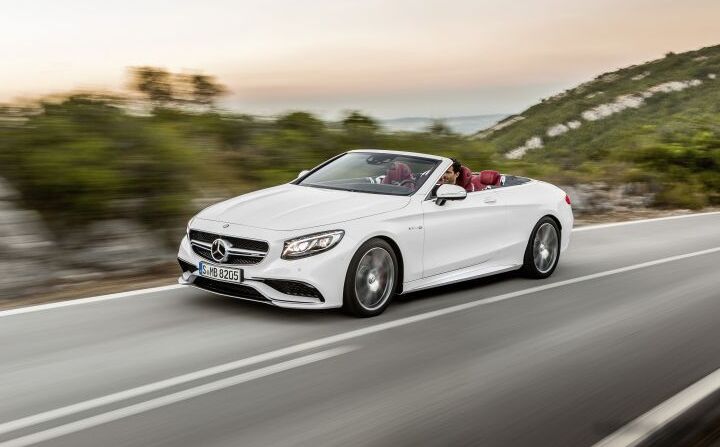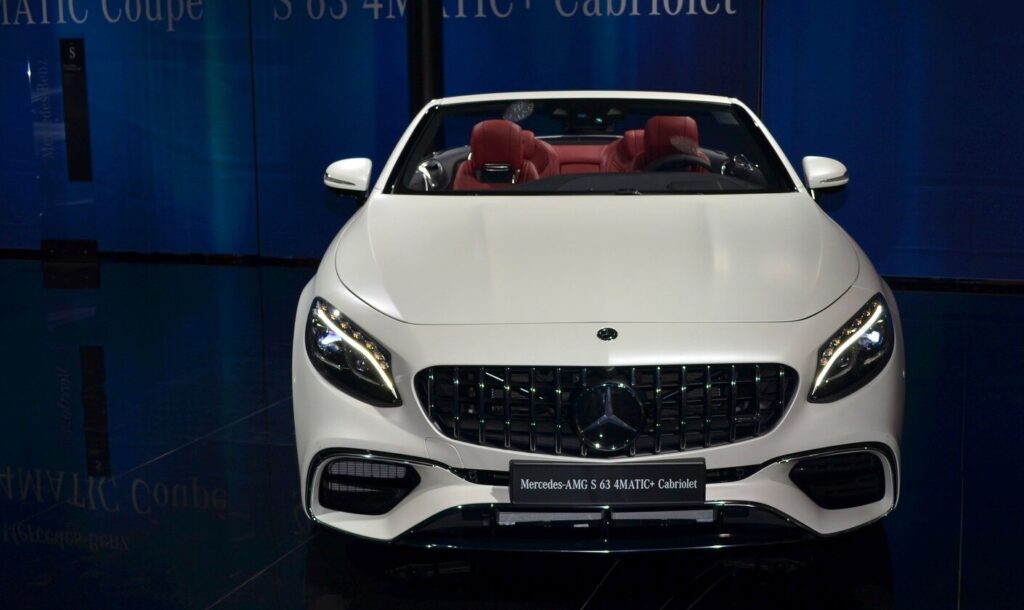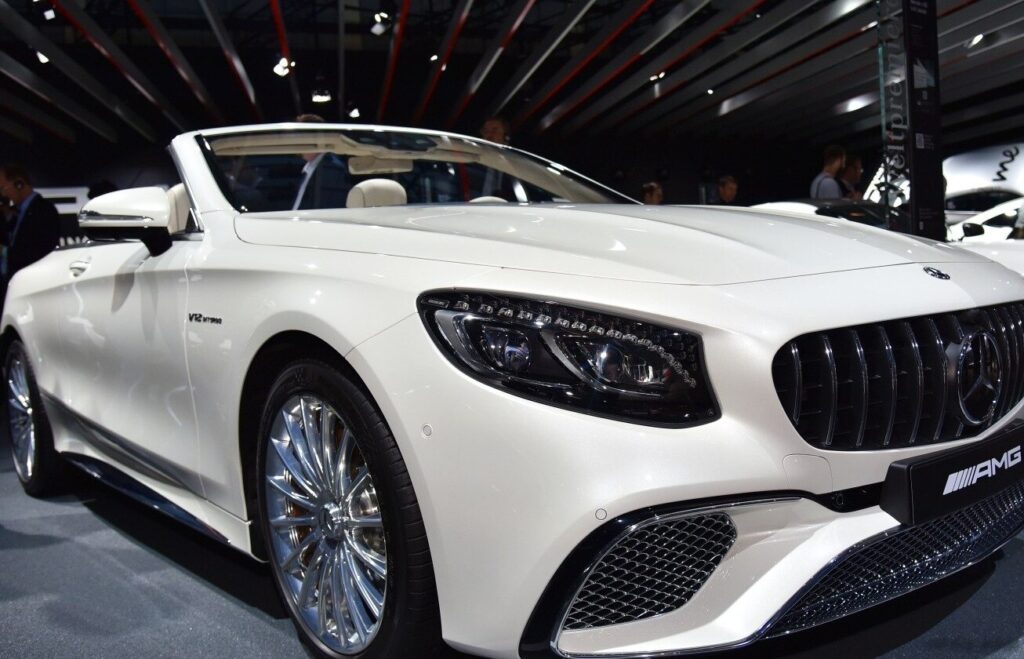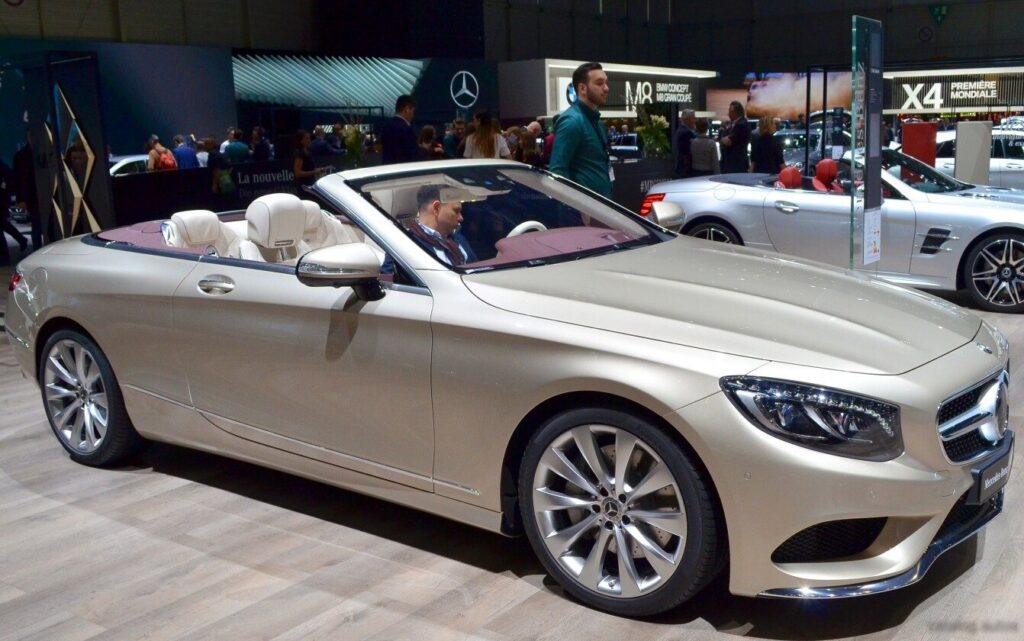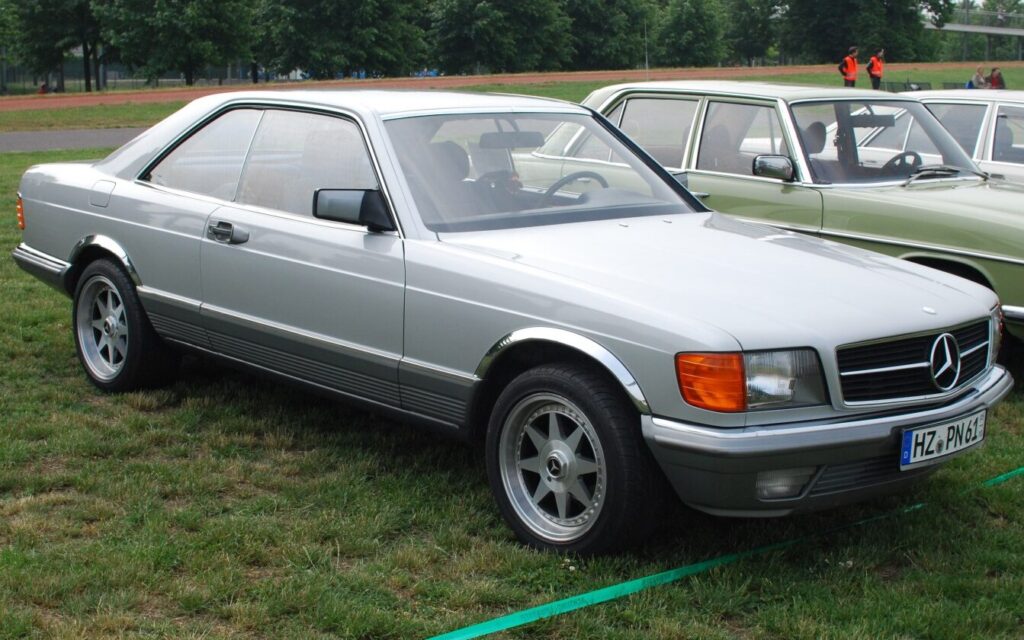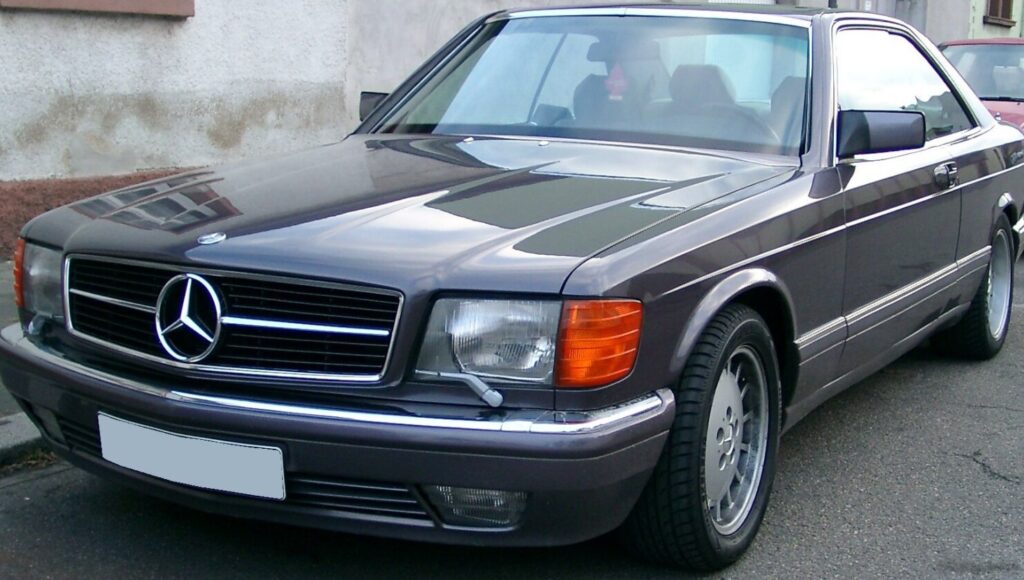
The Mercedes-Benz 500 SEC, part of the C126 series facelift produced from September 1987 to September 1991, represented the pinnacle of luxury coupe performance for its time. Positioned as the flagship of the SEC lineup, it offered a substantial step up in power and prestige compared to the 300 SEC and 420 SEC models. The C126 generation, launched in 1985 as a successor to the W116 S-Class coupes, quickly became synonymous with sophisticated engineering and opulent comfort. The 500 SEC, with its potent V8 engine, catered to buyers seeking a grand touring experience with effortless acceleration and a refined driving character. It was a statement vehicle, embodying the Mercedes-Benz commitment to quality and innovation.
Technical Specifications
| Brand | Mercedes-Benz |
| Model | S-class |
| Generation | S-class Coupe (C126, facelift 1985) |
| Type (Engine) | 500 SEC V8 (265 Hp) Automatic |
| Start of production | September, 1987 |
| End of production | September, 1991 |
| Powertrain Architecture | Internal Combustion engine |
| Body type | Coupe |
| Seats | 4 |
| Doors | 2 |
| Fuel consumption (urban) | 15.8 l/100 km (14.9 US mpg, 17.9 UK mpg, 6.3 km/l) |
| Fuel consumption (extra urban) | 8.8 l/100 km (26.7 US mpg, 32.1 UK mpg, 11.4 km/l) |
| Fuel Type | Petrol (Gasoline) |
| Acceleration 0 – 100 km/h | 7.2 sec |
| Acceleration 0 – 62 mph | 7.2 sec |
| Acceleration 0 – 60 mph | 6.8 sec |
| Maximum speed | 235 km/h (146.02 mph) |
| Weight-to-power ratio | 6.2 kg/Hp, 160.6 Hp/tonne |
| Weight-to-torque ratio | 4.1 kg/Nm, 245.5 Nm/tonne |
| Power | 265 Hp @ 5200 rpm |
| Power per litre | 53.3 Hp/l |
| Torque | 405 Nm @ 4000 rpm (298.71 lb.-ft. @ 4000 rpm) |
| Engine layout | Front, Longitudinal |
| Engine Model/Code | M 117 E 50 / 117.965 |
| Engine displacement | 4973 cm3 (303.47 cu. in.) |
| Number of cylinders | 8 |
| Engine configuration | V-engine |
| Cylinder Bore | 96.5 mm (3.8 in.) |
| Piston Stroke | 85 mm (3.35 in.) |
| Compression ratio | 10:1 |
| Number of valves per cylinder | 2 |
| Fuel injection system | Multi-port manifold injection |
| Engine aspiration | Naturally aspirated engine |
| Valvetrain | SOHC |
| Engine oil capacity | 9 l (9.51 US qt | 7.92 UK qt) |
| Coolant | 13.5 l (14.27 US qt | 11.88 UK qt) |
| Kerb Weight | 1650 kg (3637.63 lbs.) |
| Max. weight | 2170 kg (4784.03 lbs.) |
| Max load | 520 kg (1146.4 lbs.) |
| Fuel tank capacity | 90 l (23.78 US gal | 19.8 UK gal) |
| Length | 4935 mm (194.29 in.) |
| Width | 1828 mm (71.97 in.) |
| Height | 1407 mm (55.39 in.) |
| Wheelbase | 2845 mm (112.01 in.) |
| Front track | 1555 mm (61.22 in.) |
| Rear track | 1527 mm (60.12 in.) |
| Drivetrain Architecture | The Internal combustion engine (ICE) drives the rear wheels of the vehicle. |
| Drive wheel | Rear wheel drive |
| Number of gears and type of gearbox | 4 gears, automatic transmission |
| Front suspension | Double wishbone |
| Rear suspension | Threaded twist beam |
| Front brakes | Ventilated discs |
| Rear brakes | Disc |
| Assisting systems | ABS (Anti-lock braking system) |
| Steering type | Cone worm with recirculation balls |
| Power steering | Hydraulic Steering |
| Tires size | Front wheel tires: 205/65 R15 Rear wheel tires: 205/65 R15 |
| Wheel rims size | Front wheel rims: 7J x 15 Rear wheel rims: 7J x 15 |
Powertrain & Engine Architecture
The heart of the 500 SEC was the M117 E 50 engine, a 4.97-liter (303.47 cubic inch) naturally aspirated V8. This engine, a descendant of the long-running M117 family, featured a cast-iron block and aluminum cylinder heads. It employed a single overhead camshaft (SOHC) design with two valves per cylinder. Fuel delivery was handled by a Bosch K-Jetronic multi-port fuel injection system, known for its reliability and precise metering. The engine produced 265 horsepower at 5200 rpm and 405 Nm (298.71 lb-ft) of torque at 4000 rpm. The transmission was a four-speed automatic, specifically the 722.3 unit, chosen for its smooth operation and suitability for grand touring. This transmission was electronically controlled, offering adaptive shifting based on driving conditions.
Driving Characteristics
The 500 SEC delivered a distinctly different driving experience compared to its six-cylinder siblings. The V8 provided ample power throughout the rev range, resulting in effortless acceleration and strong passing performance. While not a sports car, the 500 SEC felt surprisingly agile for its size and weight. The automatic transmission, while smooth, wasn’t particularly quick to downshift, meaning drivers sometimes needed to anticipate acceleration needs. The gear ratios were optimized for comfortable cruising, rather than outright performance. Compared to the more fuel-efficient 300 SEC or the torquey 420 SEC, the 500 SEC prioritized power and responsiveness, making it the preferred choice for drivers who valued performance above all else.
Equipment & Trim Levels
The 500 SEC came standard with a comprehensive list of luxury features. Leather upholstery was standard, along with power-adjustable front seats with memory function. Climate control, a premium sound system, and power windows and locks were also included. The interior trim was typically finished in wood veneer, adding to the sense of opulence. Optional extras included a sunroof, heated seats, and a rear seat entertainment system. The exterior featured distinctive chrome trim and alloy wheels. The overall aesthetic was one of understated elegance, reflecting Mercedes-Benz’s design philosophy of the era.
Chassis & Braking
The C126 chassis featured an independent double wishbone suspension at the front and a threaded twist beam rear suspension. This setup provided a comfortable ride while maintaining good handling characteristics. The 500 SEC was equipped with ventilated disc brakes at the front and solid disc brakes at the rear. An Anti-lock Braking System (ABS) was standard, enhancing safety and control during hard braking. The steering was a recirculating ball system with hydraulic power assistance, providing a balanced feel and reasonable responsiveness. The suspension was tuned to prioritize comfort, but the 500 SEC’s increased weight necessitated slightly firmer springs and dampers compared to the lighter models.
Market Reception & Comparison
The 500 SEC was generally well-received by automotive critics, who praised its powerful engine, luxurious interior, and refined driving experience. However, its high price tag limited its appeal to a relatively small segment of the market. Compared to the 300 SEC and 420 SEC, the 500 SEC offered significantly more performance but at a considerable cost increase. Fuel economy was also lower, reflecting the larger engine’s thirst for gasoline. Reliability was generally good, although the complex K-Jetronic fuel injection system could require specialized maintenance. The 500 SEC was often compared to other high-performance luxury coupes of the era, such as the BMW 6 Series and the Jaguar XJS.
Legacy
The Mercedes-Benz 500 SEC remains a highly sought-after classic car today. Its combination of performance, luxury, and timeless design has ensured its enduring appeal. The M117 engine, while aging, is known for its durability and relatively straightforward maintenance. However, finding qualified mechanics familiar with the K-Jetronic fuel injection system can be a challenge. Well-maintained examples command premium prices in the used car market. The 500 SEC represents a high point in Mercedes-Benz coupe design and engineering, and it continues to be appreciated by enthusiasts around the world. Its influence can be seen in subsequent generations of Mercedes-Benz coupes, which have continued to prioritize luxury, performance, and technological innovation.