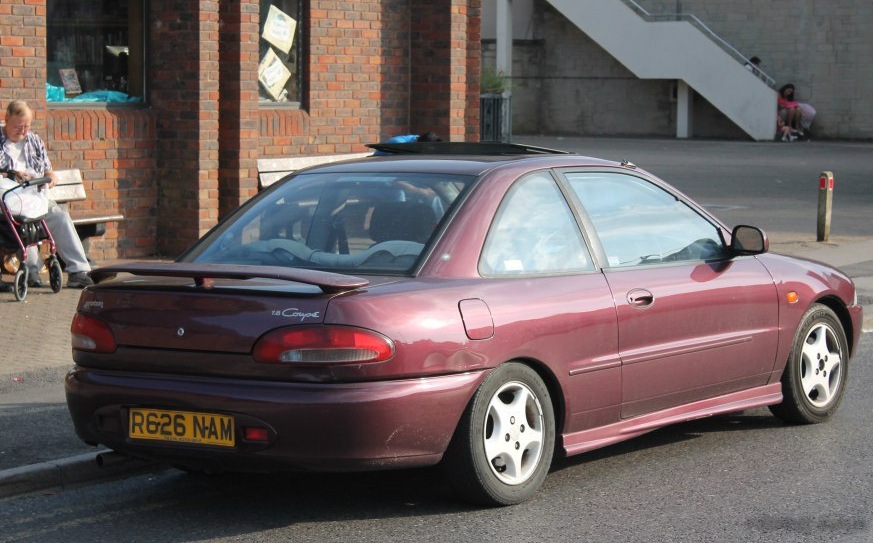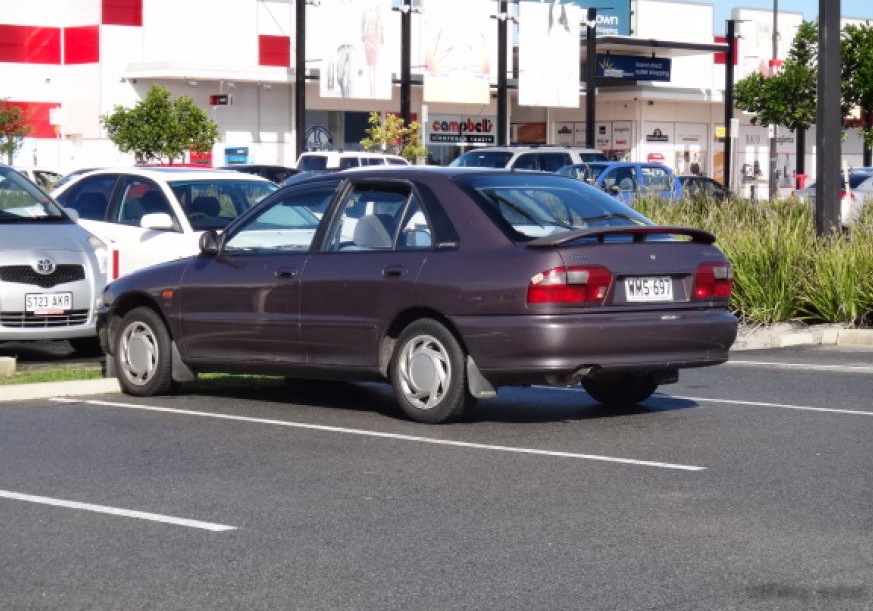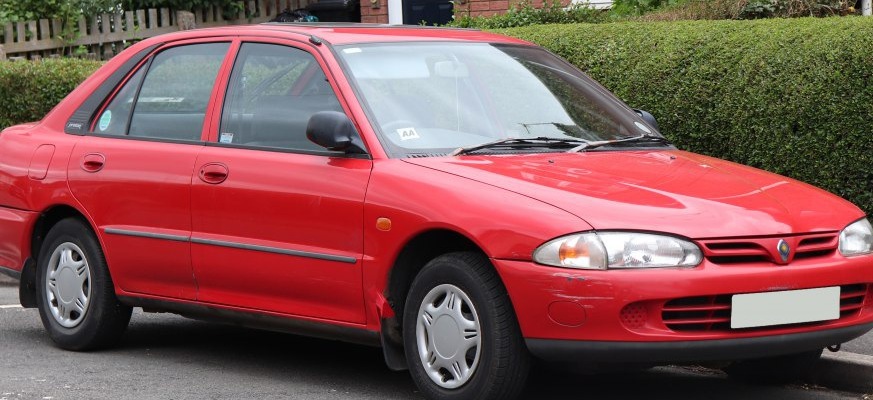
The Proton Persona I 2.0 D (420 GLS D), producing 68 horsepower, was a variant of the first-generation Proton Persona, manufactured from November 1993 until 2007. Positioned as an entry-level diesel option within the Persona range, it aimed to provide affordable and fuel-efficient transportation for the Malaysian market. The Persona itself was Proton’s attempt to create a domestically produced family sedan, based heavily on the Mitsubishi Lancer Fiore, and represented a significant step in the development of Malaysia’s automotive industry. This 2.0 D variant, while not the most powerful in the lineup, offered a practical and economical choice for buyers prioritizing fuel economy and durability.
Technical Specifications
| Brand | Proton |
| Model | Persona |
| Generation | Persona I |
| Type | 2.0 D (420 GLS D) (68 Hp) |
| Start of production | November, 1993 |
| End of production | 2007 |
| Powertrain Architecture | Internal Combustion engine |
| Body type | Sedan |
| Seats | 5 |
| Doors | 4 |
| Fuel Type | Diesel |
| Maximum speed | 160 km/h (99.42 mph) |
| Weight-to-power ratio | 18 kg/Hp, 55.5 Hp/tonne |
| Weight-to-torque ratio | 10 kg/Nm, 100.4 Nm/tonne |
| Power | 68 Hp @ 4500 rpm |
| Power per litre | 34 Hp/l |
| Torque | 123 Nm @ 3000 rpm (90.72 lb.-ft. @ 3000 rpm) |
| Engine layout | Front, Transverse |
| Engine displacement | 1998 cm3 (121.93 cu. in.) |
| Number of cylinders | 4 |
| Engine configuration | Inline |
| Cylinder Bore | 82.7 mm (3.26 in.) |
| Piston Stroke | 93 mm (3.66 in.) |
| Compression ratio | 22.2:1 |
| Number of valves per cylinder | 2 |
| Fuel injection system | Precombustion chamber injection |
| Engine aspiration | Naturally aspirated engine |
| Valvetrain | OHC |
| Kerb Weight | 1225 kg (2700.66 lbs.) |
| Max. weight | 1575 kg (3472.28 lbs.) |
| Max load | 350 kg (771.62 lbs.) |
| Trunk (boot) space – minimum | 385 l (13.6 cu. ft.) |
| Fuel tank capacity | 50 l (13.21 US gal | 11 UK gal) |
| Length | 4360 mm (171.65 in.) |
| Width | 1690 mm (66.54 in.) |
| Height | 1385 mm (54.53 in.) |
| Wheelbase | 2500 mm (98.43 in.) |
| Front track | 1450 mm (57.09 in.) |
| Rear (Back) track | 1460 mm (57.48 in.) |
| Drivetrain Architecture | The Internal combustion engine (ICE) drives the front wheels of the vehicle. |
| Drive wheel | Front wheel drive |
| Number of gears and type of gearbox | 5 gears, manual transmission |
| Front suspension | Spring Strut |
| Rear suspension | Coil spring |
| Front brakes | Ventilated discs |
| Rear brakes | Drum |
| Assisting systems | ABS (Anti-lock braking system) |
| Steering type | Steering rack and pinion |
| Power steering | Hydraulic Steering |
| Tires size | 185/60 R14 H |
| Wheel rims size | 14 |
Powertrain & Engine Architecture
The heart of the Persona 2.0 D was a 1.998-liter inline-four diesel engine. This engine, while relatively simple in design, utilized precombustion chamber injection – a common diesel technology of the era. This system involved injecting fuel into a precombustion chamber connected to the main cylinder, promoting more complete combustion, especially in colder conditions. The engine featured an overhead camshaft (OHC) valvetrain, operating two valves per cylinder. The 68 horsepower output at 4500 rpm and 123 Nm (90.72 lb-ft) of torque at 3000 rpm were modest, but sufficient for the Persona’s intended purpose. The engine was transversely mounted, driving the front wheels. The 5-speed manual transmission was the only gearbox option available with this engine, prioritizing fuel efficiency over outright performance.
Driving Characteristics
The Persona 2.0 D, with its 68 horsepower and manual transmission, offered a utilitarian driving experience. Acceleration was leisurely, and overtaking required careful planning. The gear ratios were tuned for economy, meaning the engine needed to be revved to maintain speed on inclines. Compared to the petrol-powered versions of the Persona, the diesel offered significantly more torque at lower engine speeds, making it more tractable in everyday driving situations. However, it lacked the responsiveness and refinement of its gasoline counterparts. The manual transmission provided a direct connection to the engine, allowing drivers to maximize the available power, but it also demanded more driver involvement.
Equipment & Trim Levels
The 420 GLS D trim level represented a mid-range offering within the Persona lineup. Standard equipment typically included basic features such as cloth upholstery, a simple dashboard layout, and manual windows and door locks. Air conditioning was often included, but power steering was a common addition. Optional extras could include a radio/cassette player, upgraded interior trim, and sometimes, alloy wheels. The interior was functional and durable, prioritizing practicality over luxury. The focus was on providing a comfortable and reliable transportation solution for families and individuals.
Chassis & Braking
The Persona I utilized a relatively conventional chassis design. Front suspension consisted of MacPherson strut coil springs, while the rear employed a coil spring setup. The front brakes were ventilated discs, providing adequate stopping power for the vehicle’s weight and performance. However, the rear brakes were drums, a cost-saving measure common in this class of vehicle. Anti-lock Braking System (ABS) was included as a safety feature. The steering was a rack and pinion system with hydraulic power assistance, offering reasonable maneuverability. Tire size was typically 185/60 R14, mounted on 14-inch steel wheels.
Market Reception & Comparison
The Proton Persona 2.0 D was generally well-received in the Malaysian market as an affordable and fuel-efficient option. Critics acknowledged its practicality and durability, but noted its lack of performance and refinement compared to some of its competitors. Compared to the petrol-powered Persona variants, the 2.0 D offered superior fuel economy, making it a popular choice for high-mileage drivers. However, the petrol engines provided a more engaging driving experience. Against imported competitors, the Persona 2.0 D offered a compelling value proposition, thanks to its lower price and the support of a growing domestic automotive industry.
Legacy
The Proton Persona 2.0 D, while not a performance icon, played a significant role in establishing Proton as a major player in the Malaysian automotive market. The 420 GLS D variant, in particular, offered a practical and economical transportation solution for a wide range of buyers. The engine itself proved to be relatively reliable, although maintenance costs could be higher than for petrol engines due to the complexities of diesel technology. Today, the Persona 2.0 D is a relatively common sight on Malaysian roads, often cherished by owners for its simplicity, durability, and affordability. Its legacy lies in its contribution to the development of Malaysia’s automotive industry and its provision of reliable transportation for countless families.