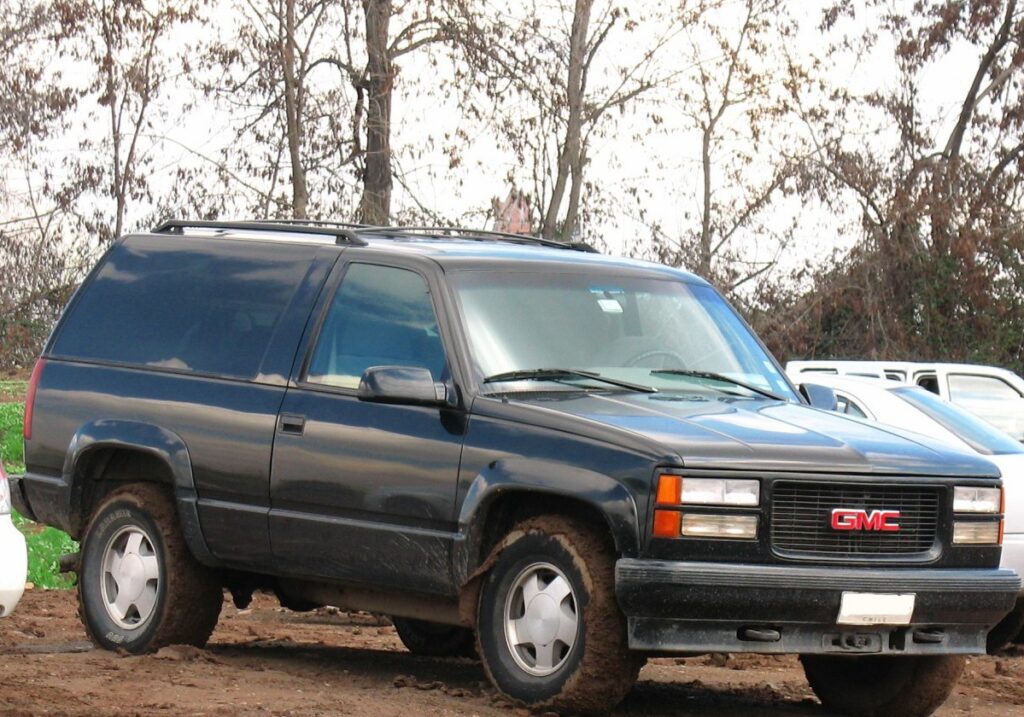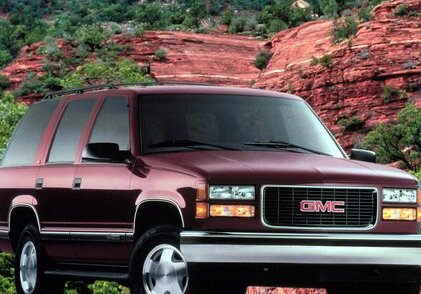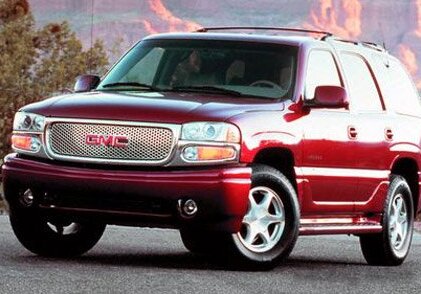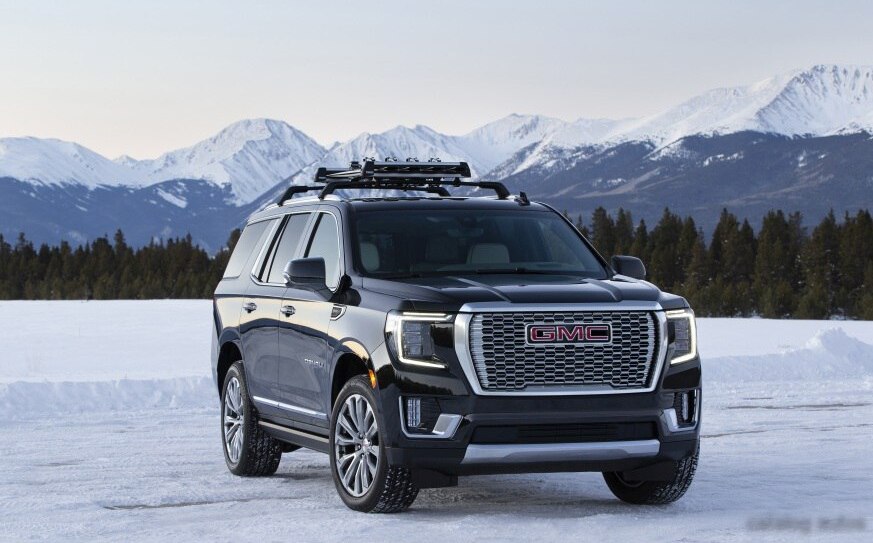
The GMC Yukon V with the 5.3L V8 engine and automatic transmission, produced from 2020 to 2024, represents a core offering within the fifth generation (2021-present) of GMC’s full-size SUV lineup. Positioned as a mainstream trim level, it served as a balance between the more affordable base models and the higher-end Denali trims. This Yukon V variant aimed to provide a spacious, capable SUV with a proven powertrain for families and those needing substantial towing capacity, appealing to a broad segment of the American SUV market. It builds upon the foundation of the redesigned Yukon, which moved to a fully independent rear suspension, improving ride quality and interior space.
Technical Specifications
| Brand | GMC |
| Model | Yukon |
| Generation | Yukon V |
| Type (Engine) | 5.3 V8 (360 Hp) Automatic |
| Start of production | July, 2020 |
| End of production | 2024 |
| Powertrain Architecture | Internal Combustion engine |
| Body type | SUV |
| Seats | 8 |
| Doors | 5 |
| Fuel consumption (urban) | 14.7 l/100 km (16 US mpg, 19.2 UK mpg, 6.8 km/l) |
| Fuel consumption (extra urban) | 11.8 l/100 km (19.9 US mpg, 23.9 UK mpg, 8.5 km/l) |
| Fuel consumption (combined) | 13.1 l/100 km (18 US mpg, 21.6 UK mpg, 7.6 km/l) |
| Fuel Type | Petrol (Gasoline) |
| Power | 360 Hp @ 5600 rpm |
| Power per litre | 67.6 Hp/l |
| Torque | 519 Nm @ 4100 rpm (382.79 lb.-ft. @ 4100 rpm) |
| Engine layout | Front, Longitudinal |
| Engine Model/Code | L83 |
| Engine displacement | 5328 cm3 (325.13 cu. in.) |
| Number of cylinders | 8 |
| Engine configuration | V-engine |
| Cylinder Bore | 96 mm (3.78 in.) |
| Piston Stroke | 92 mm (3.62 in.) |
| Number of valves per cylinder | 2 |
| Fuel injection system | Direct injection |
| Engine aspiration | Naturally aspirated engine |
| Valvetrain | OHV, VVT |
| Engine oil capacity | 7.6 l (8.03 US qt | 6.69 UK qt) |
| Coolant | 14.8 l (15.64 US qt | 13.02 UK qt) |
| Trunk (boot) space – minimum | 722 l (25.5 cu. ft.) |
| Trunk (boot) space – maximum | 3479 l (122.86 cu. ft.) |
| Permitted trailer load with brakes (12%) | 3810 kg (8399.61 lbs.) |
| Length | 5335 mm (210.04 in.) |
| Width | 2058 mm (81.02 in.) |
| Height | 1943 mm (76.5 in.) |
| Wheelbase | 3071 mm (120.91 in.) |
| Front track | 1737 mm (68.39 in.) |
| Rear (Back) track | 1730 mm (68.11 in.) |
| Minimum turning circle | 11.6-12.1 m (38.06 – 39.7 ft.) |
| Drivetrain Architecture | Rear wheel drive |
| Drive wheel | Rear wheel drive |
| Number of gears and type of gearbox | 10 gears, automatic transmission Hydra-Matic |
| Front suspension | Independent coil spring |
| Rear suspension | Independent multi-link suspension |
| Front brakes | Ventilated discs |
| Rear brakes | Ventilated discs |
| Assisting systems | ABS (Anti-lock braking system) |
| Steering type | Steering rack and pinion |
| Power steering | Electric Steering |
| Tires size | 265/65 R18; 275/65 R20; 275/60 R20; 275/50 R22 |
| Wheel rims size | 18; 20; 22 |
Powertrain & Engine Architecture
The heart of the Yukon V is the 5.3-liter L83 V8 engine. This engine is a member of GM’s Small Block family, known for its durability and widespread use across various GM vehicles. The L83 features direct fuel injection, a robust cast iron block, and aluminum cylinder heads. Variable Valve Timing (VVT) is employed to optimize performance and fuel efficiency across the engine’s operating range. The engine produces 360 horsepower at 5600 rpm and 383 lb-ft of torque at 4100 rpm. This power is delivered through a 10-speed Hydra-Matic automatic transmission. This transmission, a significant upgrade from previous generations, provides a wide gear ratio spread, contributing to both improved acceleration and enhanced fuel economy. The transmission is electronically controlled, adapting shift points based on driving conditions and driver input.
Driving Characteristics
The 5.3L V8 and 10-speed automatic combination in the Yukon V delivers a comfortable and capable driving experience. While not as quick as the 6.2L V8 option, the 5.3L provides ample power for everyday driving and towing. The 10-speed transmission keeps the engine in its optimal power band, resulting in smooth acceleration. The Yukon V feels planted and stable on the road, thanks to its robust chassis and independent rear suspension. Towing capacity is substantial, typically around 7,700 to 8,400 pounds depending on configuration. Compared to the 6.2L Yukon, the 5.3L feels less urgent in acceleration, particularly when fully loaded. However, the fuel economy benefit is noticeable, making it a more practical choice for those who prioritize efficiency.
Equipment & Trim Levels
The Yukon V trim typically included standard features such as tri-zone automatic climate control, an 8-inch touchscreen infotainment system with Apple CarPlay and Android Auto compatibility, and a suite of safety features including automatic emergency braking and lane departure warning. Interior upholstery was typically cloth, with options for leather upgrades. Higher trim levels within the Yukon V range offered features like heated and ventilated front seats, a larger touchscreen display, a premium sound system, and advanced driver-assistance systems like adaptive cruise control. Optional extras included a panoramic sunroof, rear-seat entertainment system, and various appearance packages.
Chassis & Braking
The fifth-generation Yukon utilizes a fully independent front and rear suspension, a significant improvement over previous generations that used a solid rear axle. This independent suspension contributes to a smoother ride and improved handling. The front suspension consists of coil springs and independent control arms, while the rear suspension utilizes a multi-link design. Braking duties are handled by ventilated discs on all four wheels, providing ample stopping power. Anti-lock brakes (ABS) are standard, along with electronic stability control. The Yukon V typically features a stabilizer bar at both the front and rear to reduce body roll during cornering.
Market Reception & Comparison
The GMC Yukon V 5.3L Automatic was generally well-received by automotive critics as a solid, well-rounded SUV. Reviewers praised its spacious interior, comfortable ride, and capable towing capacity. The 5.3L V8 was considered a good balance between power and fuel economy, although some critics noted that it could feel strained when towing heavy loads or driving uphill. Compared to the Ford Expedition and Chevrolet Tahoe, the Yukon V offered a similar level of features and performance. The Yukon’s interior was often cited as being more upscale than the Tahoe’s, while the Expedition offered a slightly more powerful engine option. Fuel economy figures were competitive within the full-size SUV segment, averaging around 18 mpg combined.
Legacy
The L83 5.3L V8 engine has proven to be a reliable and durable powertrain. While some early models experienced issues with oil consumption, these were largely addressed through updated engine control modules and revised piston ring designs. The 10-speed Hydra-Matic transmission has also demonstrated good reliability. On the used car market, the 2020-2024 Yukon V 5.3L Automatic represents a good value proposition, offering a spacious and capable SUV at a more affordable price point than the higher-end Denali trims. Regular maintenance, including oil changes and transmission fluid flushes, is crucial to ensuring the long-term reliability of this powertrain. The Yukon V remains a popular choice for families and those needing a versatile SUV with ample space and towing capacity.