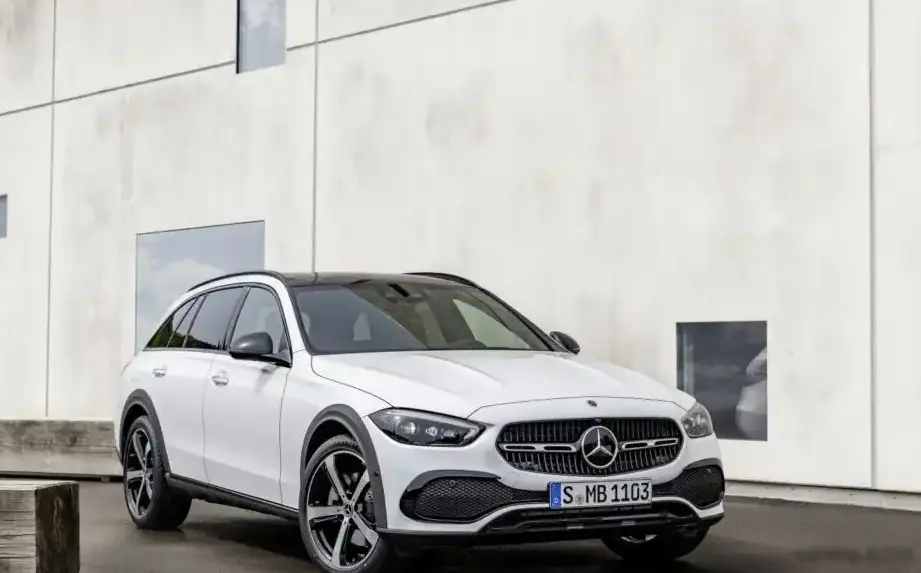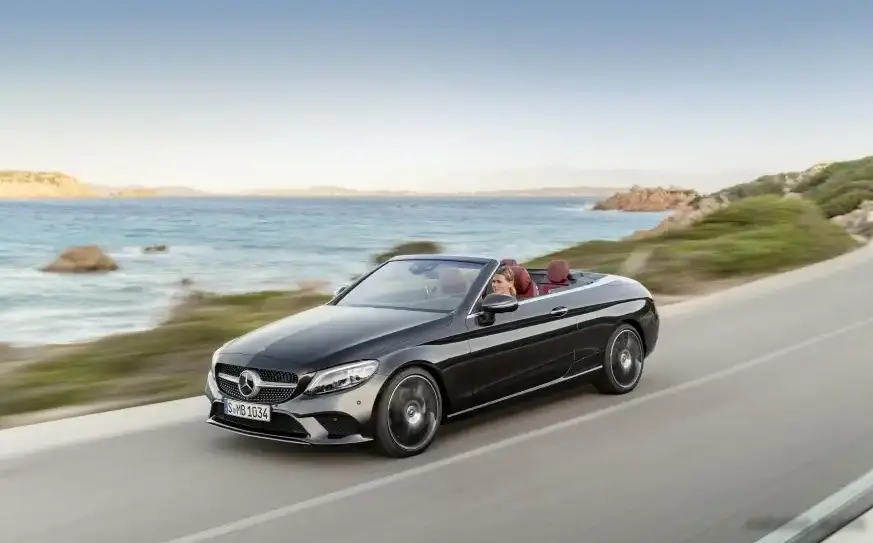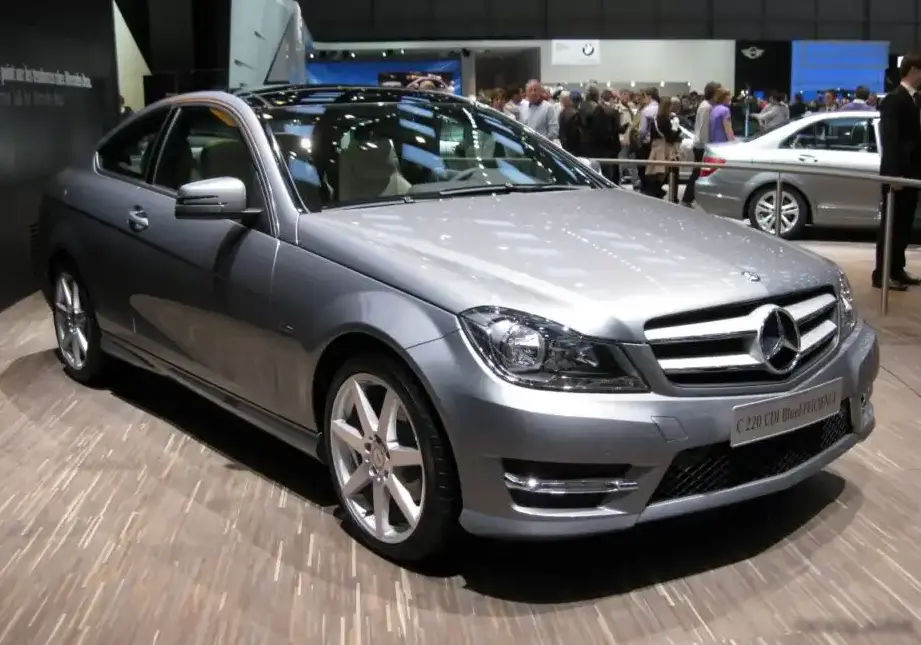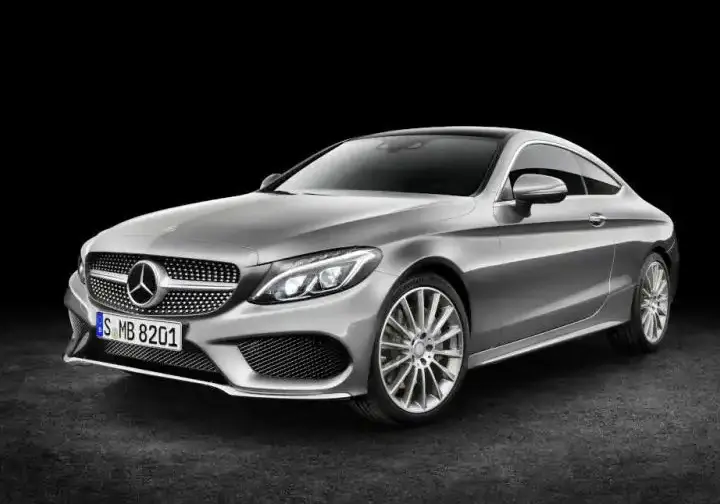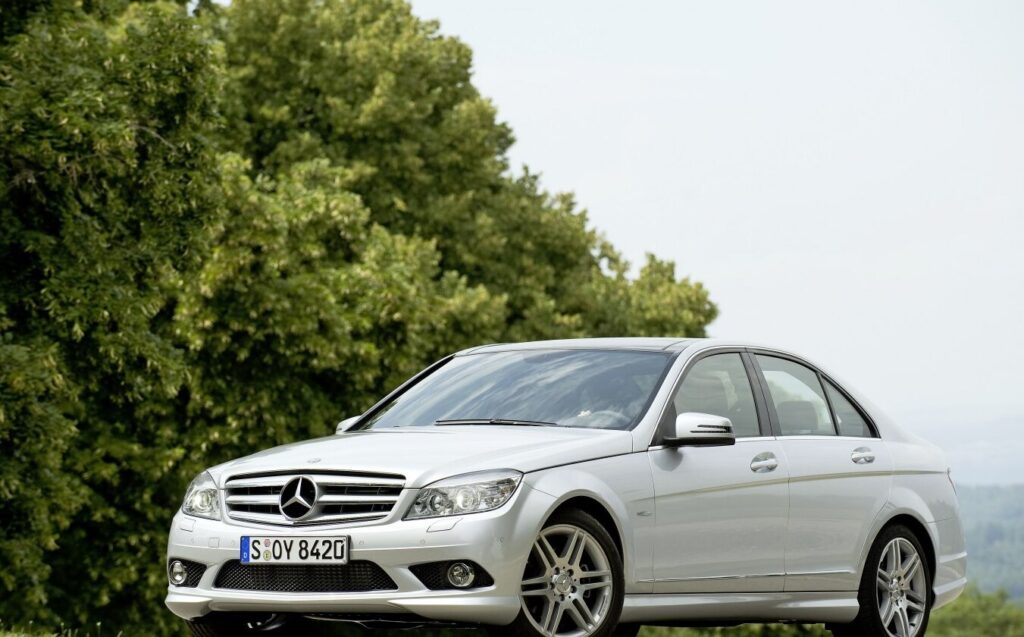
The Mercedes-Benz C-Class (W204) C 350 CGI BlueEFFICIENCY, produced from 2008 to 2011, represented a significant step forward in the mid-size luxury sedan segment. Positioned as a performance-oriented variant within the W204 range, it bridged the gap between the more economical C250 and the high-performance C63 AMG. This model combined a naturally aspirated 3.5-liter V6 engine with Mercedes’ 7G-TRONIC automatic transmission, offering a blend of refinement, power, and relatively good fuel efficiency for its class. The C350 CGI BlueEFFICIENCY aimed to appeal to buyers seeking a sporty driving experience without sacrificing the comfort and luxury expected from a Mercedes-Benz.
Technical Specifications
| Brand | Mercedes-Benz |
| Model | C-class |
| Generation | C-class (W204) |
| Type (Engine) | C 350 CGI BlueEFFICIENCY V6 (292 Hp) 7G-TRONIC |
| Start of production | 2008 |
| End of production | 2011 |
| Powertrain Architecture | Internal Combustion engine |
| Body type | Sedan |
| Seats | 5 |
| Doors | 4 |
| Fuel consumption (urban) | 12-12.6 l/100 km (19.6 – 18.7 US mpg) |
| Fuel consumption (extra urban) | 6.1-6.7 l/100 km (38.6 – 35.1 US mpg) |
| Fuel consumption (combined) | 8.3-8.9 l/100 km (28.3 – 26.4 US mpg) |
| CO2 emissions | 193-208 g/km |
| Fuel Type | Petrol (Gasoline) |
| Acceleration 0 – 100 km/h | 6.2 sec |
| Acceleration 0 – 62 mph | 6.2 sec |
| Acceleration 0 – 60 mph | 5.9 sec |
| Maximum speed | 250 km/h (155.34 mph) |
| Emission standard | Euro 5 |
| Weight-to-power ratio | 5.3 kg/Hp |
| Weight-to-torque ratio | 4.2 kg/Nm |
| Power | 292 Hp @ 6400 rpm |
| Torque | 365 Nm @ 3000-5100 rpm (269.21 lb.-ft. @ 3000-5100 rpm) |
| Engine layout | Front, Longitudinal |
| Engine Model/Code | M 272.982 |
| Engine displacement | 3498 cm3 (213.46 cu. in.) |
| Number of cylinders | 6 |
| Engine configuration | V-engine |
| Cylinder Bore | 92.9 mm (3.66 in.) |
| Piston Stroke | 86 mm (3.39 in.) |
| Compression ratio | 12.2:1 |
| Number of valves per cylinder | 4 |
| Fuel injection system | Direct injection |
| Engine aspiration | Naturally aspirated |
| Valvetrain | DOHC |
| Engine oil capacity | 8 l (8.45 US qt | 7.04 UK qt) |
| Kerb Weight | 1540 kg (3395.12 lbs.) |
| Max. weight | 2100 kg (4629.71 lbs.) |
| Max load | 560 kg (1234.59 lbs.) |
| Trunk (boot) space | 475 l (16.77 cu. ft.) |
| Fuel tank capacity | 66 l (17.44 US gal | 14.52 UK gal) |
| Permitted trailer load (braked) | 1800 kg (3968.32 lbs.) |
| Permitted trailer load (unbraked) | 750 kg (1653.47 lbs.) |
| Length | 4581 mm (180.35 in.) |
| Width | 1770 mm (69.69 in.) |
| Width (with mirrors) | 2009 mm (79.09 in.) |
| Height | 1447 mm (56.97 in.) |
| Wheelbase | 2760 mm (108.66 in.) |
| Front track | 1549 mm (60.98 in.) |
| Rear track | 1552 mm (61.1 in.) |
| Front overhang | 765 mm (30.12 in.) |
| Rear overhang | 1056 mm (41.57 in.) |
| Turning circle | 10.84 m (35.56 ft.) |
| Drivetrain | Rear wheel drive |
| Gearbox | 7 gears, automatic transmission G-TRONIC |
| Front suspension | Independent type McPherson, Transverse stabilizer |
| Rear suspension | Independent multi-link suspension, Transverse stabilizer |
| Front brakes | Ventilated discs |
| Rear brakes | Ventilated discs |
| Assisting systems | ABS (Anti-lock braking system) |
| Steering type | Steering rack and pinion |
| Power steering | Hydraulic |
| Tires size | 205/55 R16 |
| Wheel rims size | 7J x 16 |
INTRODUCTION
The W204 C-Class, launched in 2007, represented a significant leap forward for Mercedes-Benz’s compact executive car. The C 350 CGI BlueEFFICIENCY, introduced in 2008, was a key variant within this generation. It utilized the M272 engine family, known for its smooth operation and respectable power output. The “CGI” designation signified the use of direct fuel injection, while “BlueEFFICIENCY” denoted Mercedes-Benz’s suite of fuel-saving technologies. This model aimed to provide a more engaging driving experience than the base C300, while remaining more accessible than the performance-focused C63 AMG.
Powertrain & Engine Architecture
At the heart of the C 350 CGI BlueEFFICIENCY lies the M272.982 3.5-liter naturally aspirated V6 engine. This engine features a 60-degree V-angle and utilizes a sophisticated three-valve-per-cylinder design (two intake, one exhaust). Direct fuel injection, operating at pressures up to 200 bar, is a crucial component, optimizing combustion efficiency and contributing to increased power and reduced emissions. The engine also incorporates variable valve timing on both the intake and exhaust sides, further enhancing performance and fuel economy. The 7G-TRONIC automatic transmission, a seven-speed unit, was standard. This transmission is known for its smooth and quick shifts, and it contributes to the car’s overall refinement. The transmission features a torque converter lock-up clutch that engages in most gears, improving efficiency.
Driving Characteristics
The C 350 CGI BlueEFFICIENCY offered a noticeably more spirited driving experience compared to the C300. The 292 horsepower and 269 lb-ft of torque provided ample power for both everyday driving and more enthusiastic pursuits. Acceleration from 0 to 60 mph was achieved in around 5.9 seconds, making it a competitive performer in its class. The 7G-TRONIC transmission played a key role in delivering smooth and responsive shifts. While not as aggressively tuned as the C63 AMG, the C 350 offered a well-balanced chassis and predictable handling. The steering was precise, and the suspension provided a comfortable ride without sacrificing too much control. Compared to manual transmission versions (available in other C-Class trims), the automatic offered convenience and ease of use, but some driving purists might have preferred the greater control of a manual gearbox.
Equipment & Trim Levels
The C 350 CGI BlueEFFICIENCY typically came well-equipped as standard. Interior features included leather upholstery, power-adjustable front seats with memory function, automatic climate control, and a premium audio system. Standard safety features included ABS, traction control, stability control, and a comprehensive airbag system. Optional extras included a sunroof, navigation system, upgraded audio systems (such as Harman Kardon), and various driver assistance features like parking sensors and adaptive cruise control. The interior design was typical of Mercedes-Benz at the time, emphasizing luxury and refinement with high-quality materials and a well-laid-out dashboard.
Chassis & Braking
The W204 C-Class featured a four-wheel independent suspension system. The front suspension utilized a McPherson strut design, while the rear employed a multi-link setup. This configuration provided a good balance between ride comfort and handling precision. The C 350 CGI BlueEFFICIENCY was equipped with ventilated disc brakes on all four wheels, providing ample stopping power. Anti-lock braking system (ABS) and electronic brake-force distribution (EBD) were standard features. The suspension was tuned to complement the car’s performance capabilities, offering a slightly firmer ride than the more comfort-oriented C300.
Market Reception & Comparison
The C 350 CGI BlueEFFICIENCY was generally well-received by automotive critics. It was praised for its smooth and powerful engine, refined transmission, and comfortable ride. However, some reviewers noted that the fuel economy, while improved over previous generations, wasn’t class-leading. Compared to the C300, the C 350 offered a significant performance upgrade, justifying the higher price tag for buyers prioritizing driving enjoyment. Against competitors like the BMW 335i and Audi A4 3.2, the C 350 offered a compelling blend of luxury, performance, and technology. The C350 offered a more refined experience than the sport-tuned BMW, while providing similar levels of luxury to the Audi.
Legacy
The M272 engine family, including the version used in the C 350 CGI BlueEFFICIENCY, is generally considered to be reliable, although preventative maintenance is crucial. Common issues can include oil leaks and occasional problems with the balance shaft. The 7G-TRONIC transmission is also generally reliable, but regular fluid changes are essential to ensure smooth operation. Today, the W204 C 350 CGI BlueEFFICIENCY represents a good value on the used car market. It offers a luxurious and well-equipped driving experience at a relatively affordable price point. However, potential buyers should be aware of the importance of regular maintenance and should carefully inspect the vehicle for any signs of wear or damage.