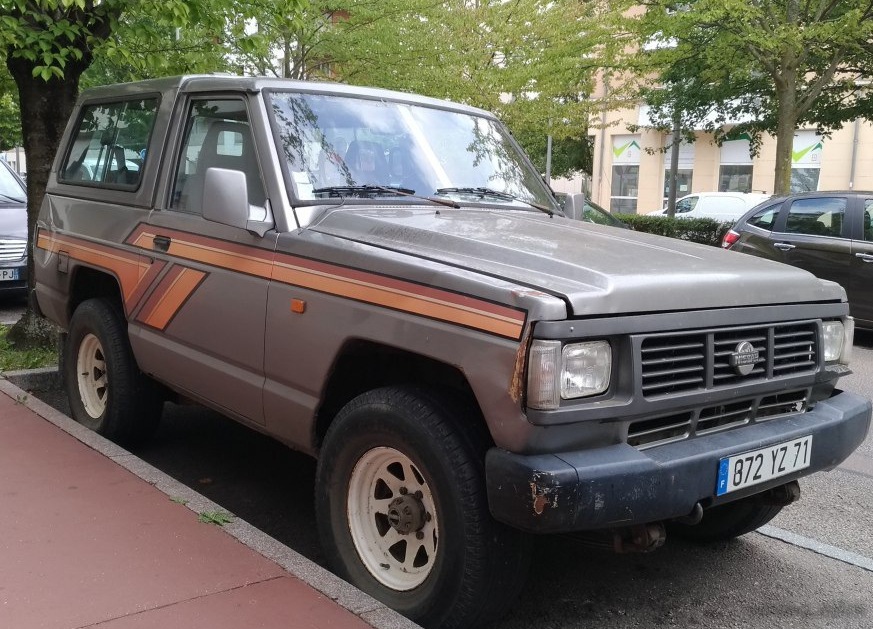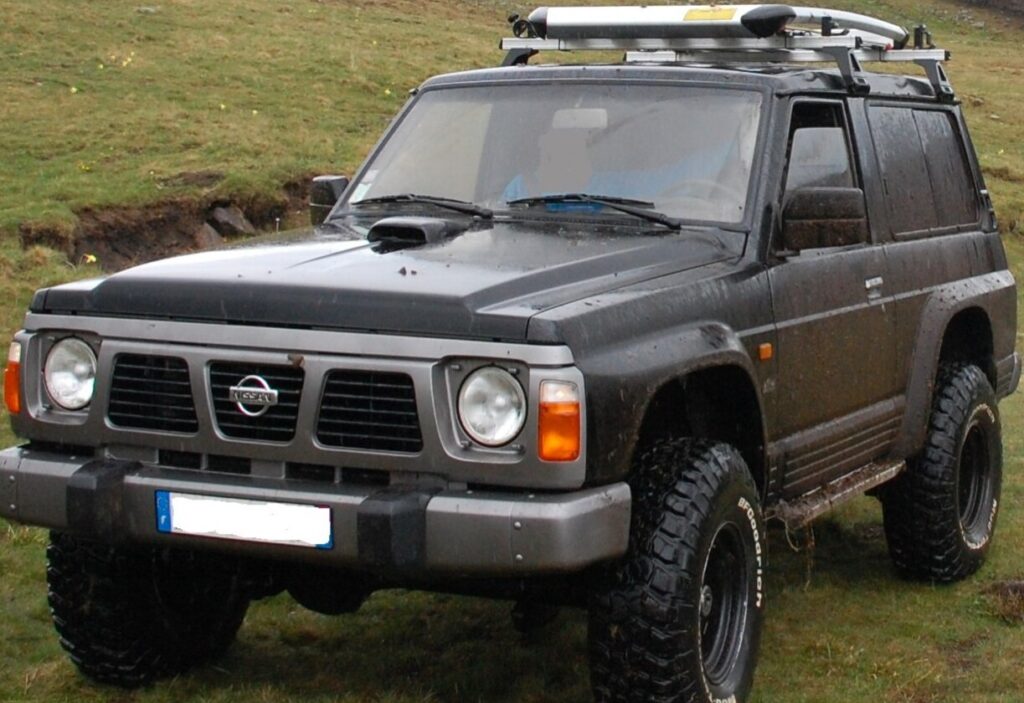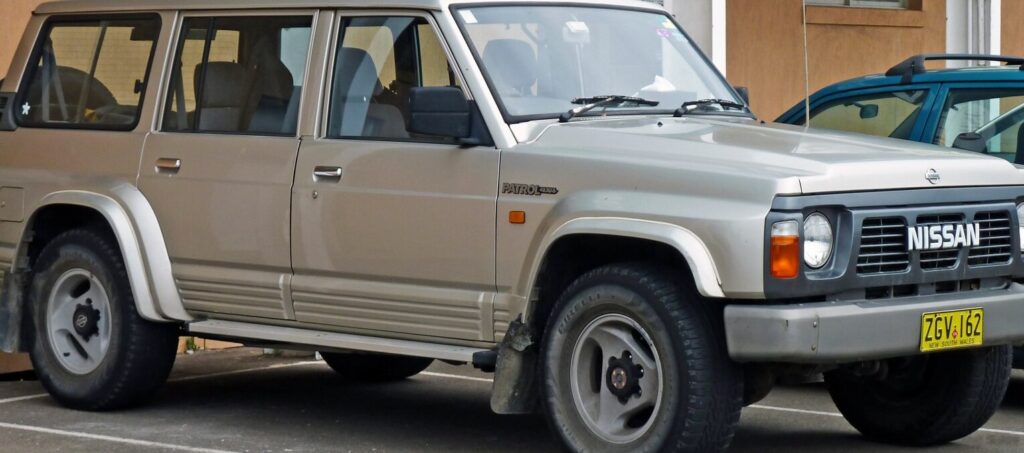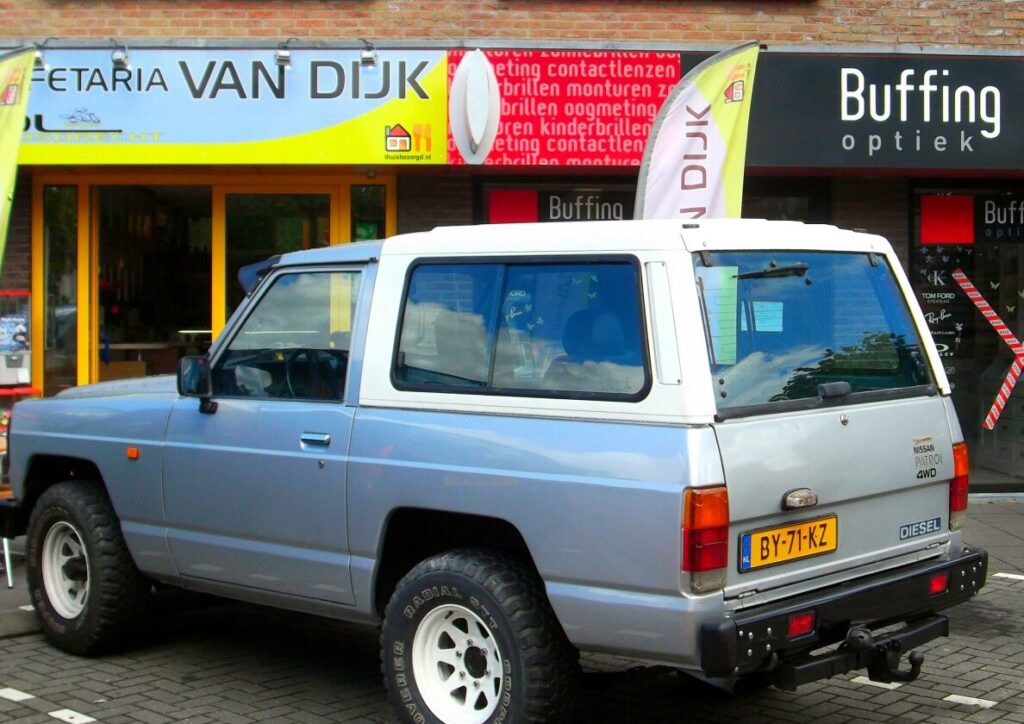
The Nissan Patrol Hardtop (K160) 3.2 D, produced from 1980 to 1988, represents a significant iteration of Nissan’s long-running Patrol series, a vehicle renowned globally for its robust off-road capability. This particular variant, powered by the 3.2-liter diesel engine producing 95 horsepower, occupied a crucial position within the K160 generation, serving as a workhorse option for those prioritizing durability and torque over outright speed. The K160 series, introduced in 1980, marked a substantial redesign of the Patrol, moving away from the more rounded styling of the previous generation (K10H) towards a more angular, utilitarian aesthetic. It was a key model for Nissan in markets outside of North America, particularly in Australia, the Middle East, and parts of Asia, where its ruggedness and reliability were highly valued.
Technical Specifications
| Brand | Nissan |
| Model | Patrol |
| Generation | Patrol Hardtop (K160) |
| Type (Engine) | 3.2 D (K160) (95 Hp) |
| Start of Production | 1980 |
| End of Production | 1988 |
| Powertrain Architecture | Internal Combustion Engine |
| Body Type | Off-Road Vehicle |
| Fuel Type | Diesel |
| Power | 95 Hp |
| Engine Aspiration | Naturally Aspirated |
Powertrain & Engine Architecture
The heart of the K160 3.2 D is the SD33 diesel engine, a 3.2-liter inline-six cylinder unit. This engine, while not known for its high output, was celebrated for its exceptional durability and low-end torque. It featured a naturally aspirated configuration, relying on atmospheric pressure for air intake, and utilized a mechanical fuel injection system – a common setup for diesel engines of this era. The SD33 employed a robust cast iron block and head, contributing to its longevity. The valvetrain consisted of a single overhead camshaft operating two valves per cylinder. The engine’s relatively low compression ratio (typically around 18:1) and conservative fueling contributed to its reliability, though at the expense of peak power. The transmission paired with the 3.2 D was typically a four-speed manual, though a three-speed automatic was also available, albeit less common. The automatic transmission, while offering convenience, further reduced the vehicle’s acceleration and fuel economy.
Driving Characteristics
The driving experience in the K160 3.2 D is defined by its utilitarian nature. The 95 horsepower output, while adequate for general use, doesn’t translate to brisk acceleration. The engine excels in providing substantial low-end torque, making it well-suited for tackling challenging off-road terrain and hauling heavy loads. The four-speed manual transmission allows for precise control over the engine’s powerband, while the optional automatic, though smoother, feels somewhat sluggish in comparison. Gear ratios are relatively low, prioritizing pulling power over high-speed cruising. On paved roads, the K160 3.2 D feels somewhat agricultural, with noticeable engine noise and a firm ride. However, its true strengths are revealed when venturing off the beaten path, where its robust suspension and ample ground clearance allow it to navigate difficult obstacles with confidence. Compared to the gasoline-powered versions of the K160, the 3.2 D offers significantly better fuel economy, but sacrifices performance.
Equipment & Trim Levels
The K160 3.2 D was typically offered in a relatively basic trim level, reflecting its positioning as a work-oriented vehicle. Standard equipment generally included steel wheels, vinyl or cloth upholstery, a basic instrument cluster, and manually operated windows and locks. Air conditioning was often an optional extra, as were power steering and upgraded audio systems. The interior was functional and durable, designed to withstand the rigors of off-road use. Trim levels varied slightly depending on the market, with some regions offering more luxurious options such as upgraded seating and woodgrain interior trim. However, the core focus remained on practicality and reliability rather than lavish features. The hardtop body style, as the name suggests, featured a fixed metal roof, providing increased security and weather protection compared to the soft-top versions.
Chassis & Braking
The K160 Patrol Hardtop utilized a body-on-frame construction, providing a robust and durable chassis. The suspension system consisted of leaf springs in the front and rear, offering a comfortable ride over rough terrain. The rear axle was typically a solid axle, further enhancing off-road capability. Braking systems varied depending on the market and year, with earlier models often featuring drum brakes on all four wheels. Later models typically upgraded to front disc brakes, improving stopping power. Steering was typically a recirculating ball system, providing a direct but somewhat heavy feel. Stabilizer bars were often omitted on the base models to maximize suspension articulation for off-road use. The K160’s chassis was designed to handle significant payloads and withstand the stresses of demanding off-road conditions.
Market Reception & Comparison
The Nissan Patrol K160 3.2 D received generally positive reviews for its durability, off-road capability, and fuel efficiency. Critics acknowledged its lack of outright performance but praised its ability to handle challenging terrain and provide reliable transportation in demanding conditions. Compared to other diesel-powered 4x4s of the era, such as the Toyota Land Cruiser and the Land Rover Defender, the Patrol offered a compelling combination of affordability and capability. The 3.2 D variant was particularly popular in markets where diesel fuel was readily available and cost-effective. Its fuel economy was significantly better than the gasoline-powered K160 models, making it a practical choice for those covering long distances or using the vehicle for commercial purposes. However, the automatic transmission version was often criticized for its sluggish performance and reduced fuel economy.
Legacy
The K160 3.2 D Patrol has earned a reputation as a remarkably reliable and durable vehicle. Many examples are still in use today, often having accumulated hundreds of thousands of miles. The SD33 engine, while simple in design, is known for its longevity and relatively easy maintenance. Parts availability remains reasonably good, although some components can be difficult to source. In the used car market, the K160 3.2 D is sought after by enthusiasts and those looking for a rugged and dependable off-road vehicle. Its simplicity and robust construction make it a popular choice for restoration projects and overlanding adventures. While not a performance vehicle, the K160 3.2 D represents a significant chapter in the Patrol’s history, solidifying its reputation as one of the world’s most capable and enduring 4x4s. The engine, while aging, continues to be respected for its ability to withstand abuse and provide years of reliable service.