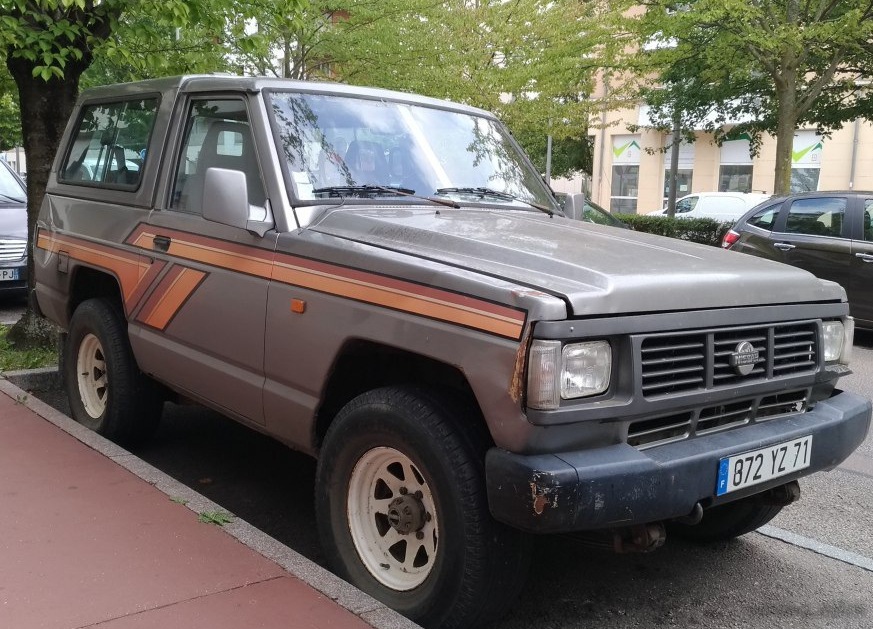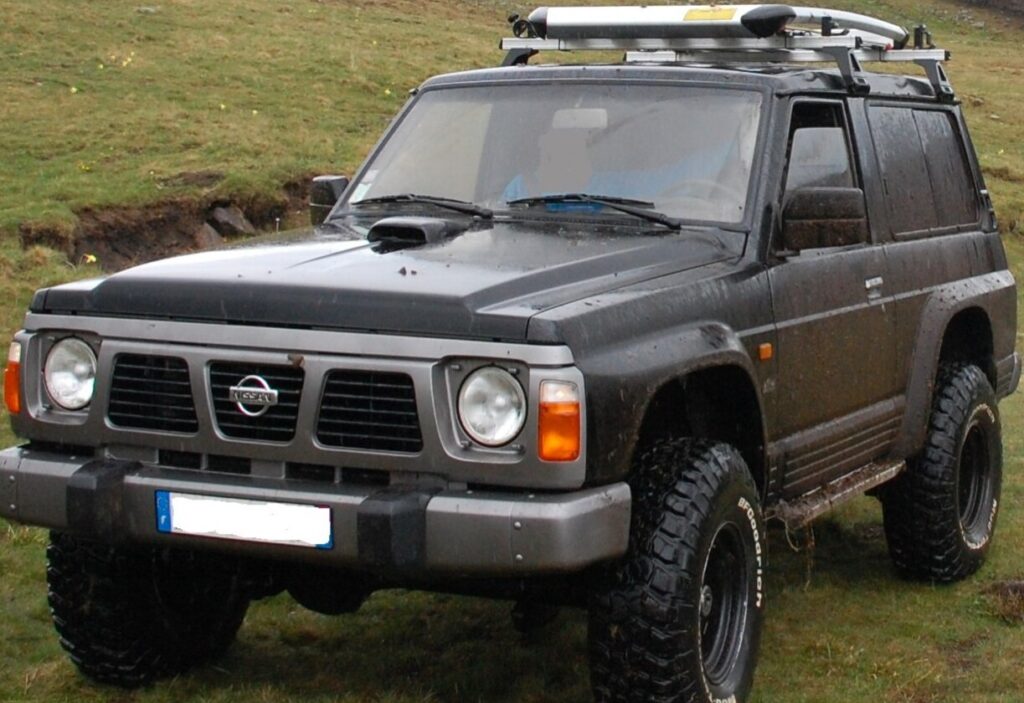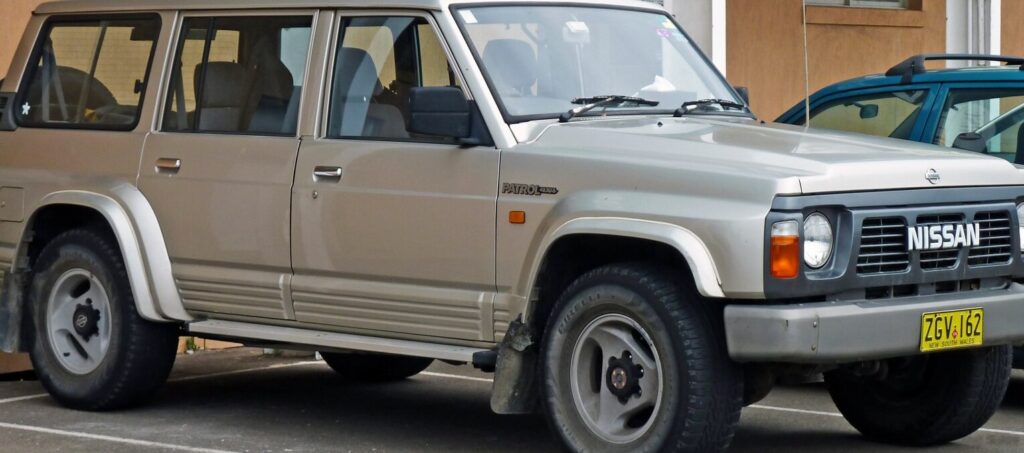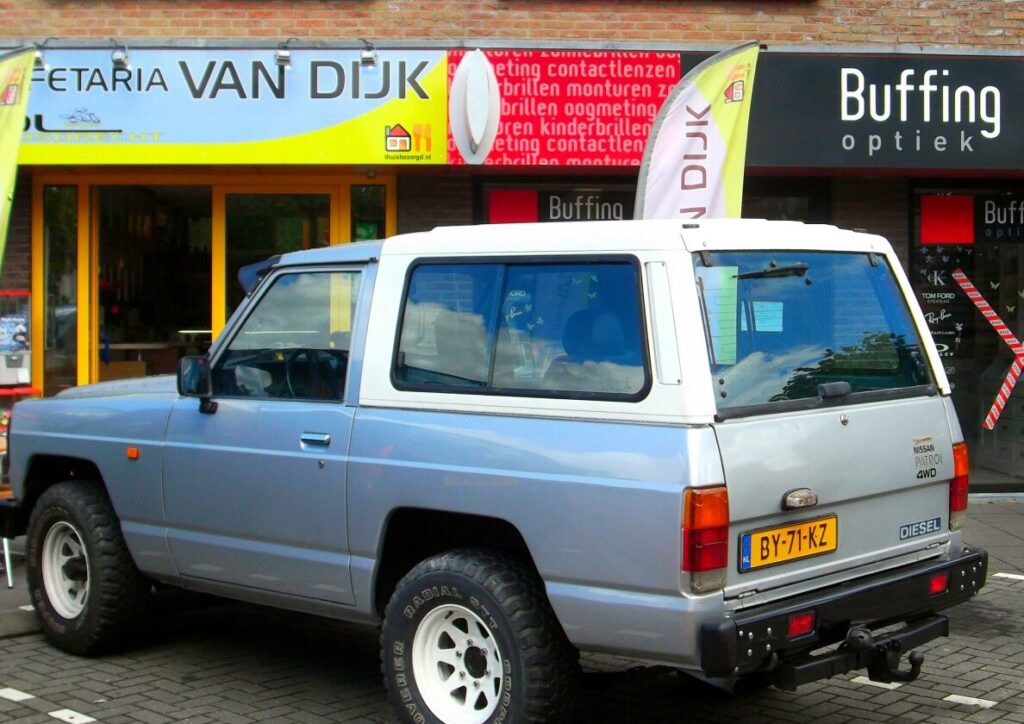
The Nissan Patrol Hardtop (K160) 3.2 TD, produced between 1983 and 1988, represents a significant iteration of Nissan’s long-running Patrol series. This variant, designated K160, was primarily aimed at markets outside of North America, where the Patrol was less commonly found. It served as a robust, dependable workhorse and recreational vehicle, particularly popular in Australia, the Middle East, and parts of Asia. The K160 generation marked a move towards greater refinement and capability compared to its predecessors, while retaining the Patrol’s core attributes of durability and off-road prowess. The 3.2 TD model, with its turbocharged diesel engine, occupied a middle ground in the K160 lineup, offering a balance between power, fuel efficiency, and affordability. It sat below the gasoline-powered variants and above the naturally aspirated diesel options.
Technical Specifications
| Brand | Nissan |
| Model | Patrol |
| Generation | Patrol Hardtop (K160) |
| Type (Engine) | 3.2 TD (K160) (110 Hp) |
| Start of Production | 1983 |
| End of Production | 1988 |
| Powertrain Architecture | Internal Combustion Engine |
| Body Type | Off-Road Vehicle |
| Fuel Type | Diesel |
| Power | 110 Hp |
| Engine Aspiration | Turbocharger |
Powertrain & Engine Architecture
The heart of the K160 3.2 TD is the SD33T engine, a 3.2-liter inline-six cylinder diesel. This engine is a turbocharged evolution of the earlier SD33 naturally aspirated diesel, offering a substantial increase in power and torque. The SD33T utilizes a direct injection system, common for diesel engines of the era, delivering fuel directly into the combustion chamber for improved efficiency. The turbocharger, a key component, forces more air into the engine, enabling it to burn more fuel and produce greater power output. While specific details regarding the fuel injection pump vary depending on the market, it generally employed a mechanical, distributor-type pump. The engine features a robust cast iron block and head, contributing to its legendary durability. The valvetrain consists of a single overhead camshaft operating two valves per cylinder. The transmission paired with the 3.2 TD was typically a four- or five-speed manual, though a three-speed automatic transmission was also available, albeit less common. The automatic transmission was designed to handle the engine’s torque, but it often resulted in reduced fuel economy and a less engaging driving experience compared to the manual options.
Driving Characteristics
The K160 3.2 TD, even with the turbocharger, wasn’t designed for outright speed. Its 110 horsepower and approximately 195 lb-ft of torque delivered a usable, but not exhilarating, performance. The focus was on low-end grunt and the ability to tackle challenging terrain. The turbocharger did introduce a degree of turbo lag, meaning there was a slight delay between pressing the accelerator and feeling the full power delivery. However, once the turbo spooled up, the engine provided a noticeable surge in power, making it capable of maintaining highway speeds and climbing steep inclines. The automatic transmission, when equipped, further smoothed out the power delivery, but at the expense of responsiveness. Gear ratios were relatively low, prioritizing torque multiplication for off-road use. Compared to the naturally aspirated SD33, the 3.2 TD offered a significant improvement in acceleration and overall drivability. It also provided a more relaxed driving experience on the highway, thanks to the increased power. Compared to the gasoline-powered Patrols, the 3.2 TD offered superior fuel economy and durability, but lacked the refinement and higher top speed of the petrol engines.
Equipment & Trim Levels
The K160 3.2 TD was typically offered in relatively basic trim levels, reflecting its intended use as a utilitarian vehicle. Standard equipment generally included steel wheels, vinyl or cloth upholstery, a basic instrument cluster, and manual windows and locks. Air conditioning was often an optional extra, as were power steering and upgraded audio systems. The interior was functional and durable, designed to withstand the rigors of off-road use. Higher trim levels, available in some markets, might have included features such as upgraded upholstery, woodgrain trim, and additional convenience items. The dashboard layout was straightforward, with clearly labeled controls. The K160 Hardtop typically featured a split tailgate, providing easy access to the cargo area. The exterior styling was characterized by its boxy shape and robust construction, emphasizing its off-road capabilities.
Chassis & Braking
The K160 Patrol Hardtop utilized a body-on-frame construction, providing a high degree of strength and durability. The chassis featured a robust suspension system designed to absorb the impacts of off-road driving. Front suspension typically consisted of coil springs and a stabilizer bar, while the rear suspension employed leaf springs. The leaf springs contributed to the vehicle’s load-carrying capacity. Braking systems varied depending on the market, but generally included front disc brakes and rear drum brakes. Some models were equipped with power-assisted brakes. The steering was typically a recirculating ball system, providing a solid, but not particularly precise, steering feel. The K160’s wheelbase and track width were optimized for stability and off-road performance. The vehicle’s ground clearance was substantial, allowing it to navigate rough terrain with ease.
Market Reception & Comparison
The K160 3.2 TD was generally well-received in markets where it was sold. Critics praised its durability, off-road capability, and fuel efficiency. However, some noted its lack of refinement and relatively slow performance compared to more modern vehicles. The 3.2 TD offered a compelling alternative to the naturally aspirated diesel models, providing a noticeable increase in power without sacrificing fuel economy. Compared to the gasoline-powered Patrols, the 3.2 TD was often favored by those who prioritized durability and fuel efficiency over outright performance. The automatic transmission, while offering convenience, was often criticized for its sluggishness and reduced fuel economy. In terms of reliability, the SD33T engine proved to be exceptionally durable, with many examples still running today. However, like any older vehicle, it required regular maintenance to prevent issues.
Legacy
The Nissan Patrol K160 3.2 TD has earned a reputation as a highly reliable and capable off-road vehicle. Today, it remains a popular choice among enthusiasts and those seeking a durable workhorse. The SD33T engine is known for its longevity and relatively simple mechanical design, making it easier to maintain and repair. Parts availability can be a challenge in some regions, but a dedicated aftermarket supports the K160 Patrol. The vehicle’s robust construction and timeless design have contributed to its enduring appeal. While not as technologically advanced as modern SUVs, the K160 3.2 TD offers a unique blend of durability, capability, and simplicity that continues to resonate with owners and enthusiasts alike. The K160 generation, and the 3.2 TD variant specifically, cemented the Patrol’s reputation as one of the world’s most capable and reliable off-road vehicles.