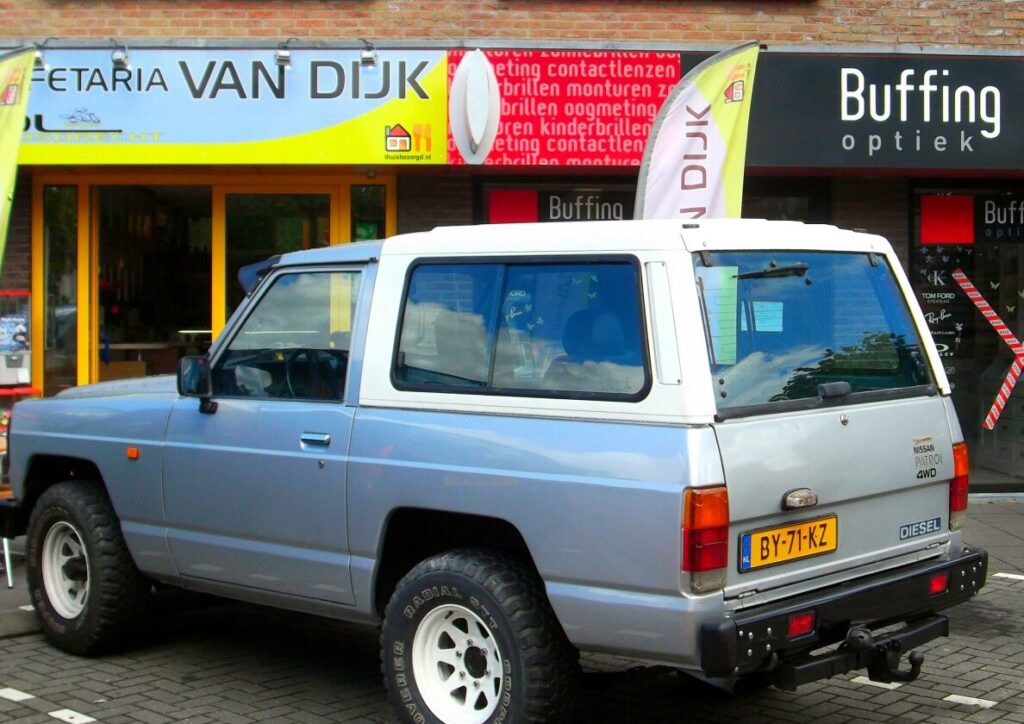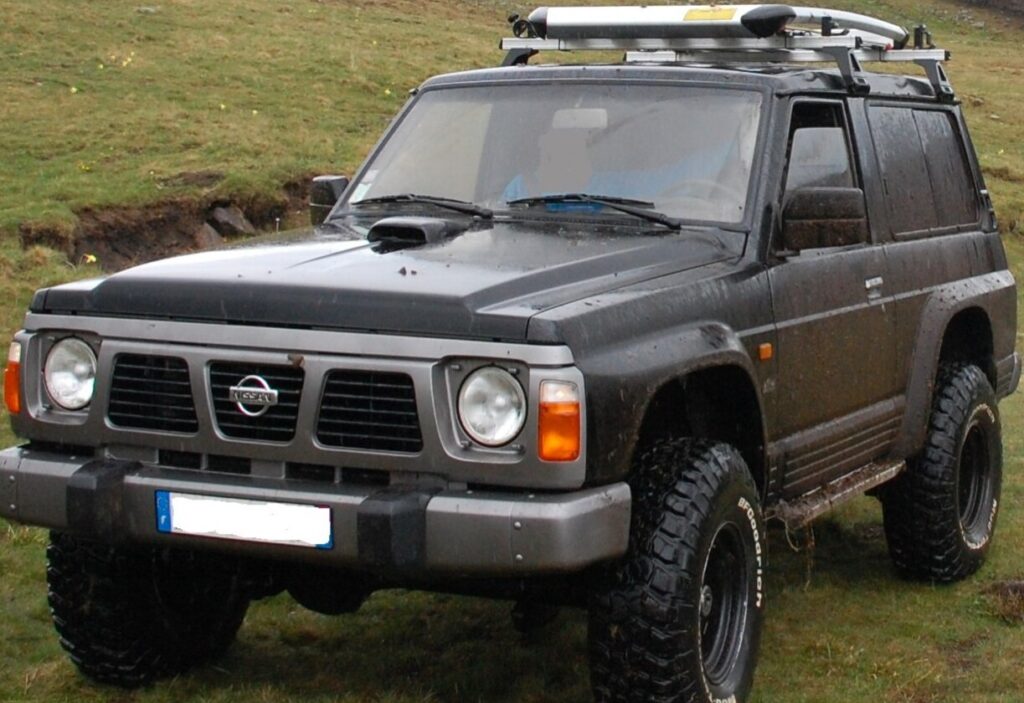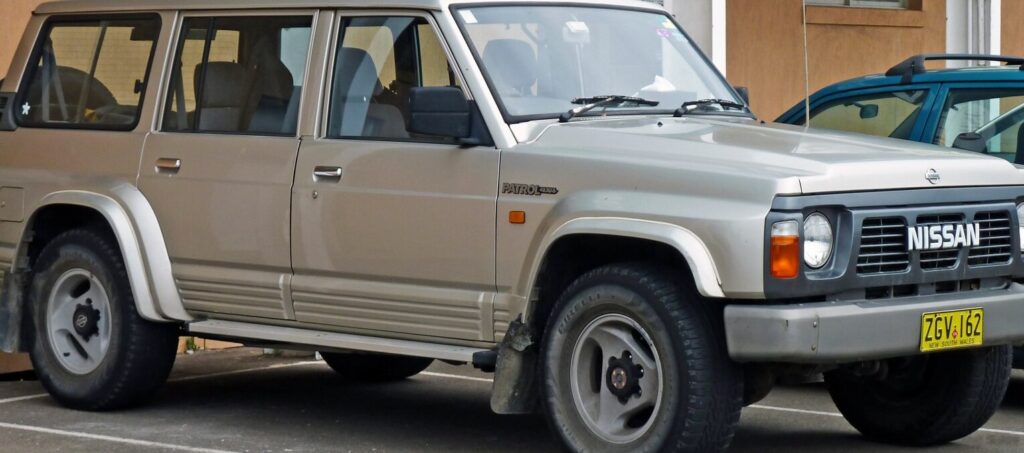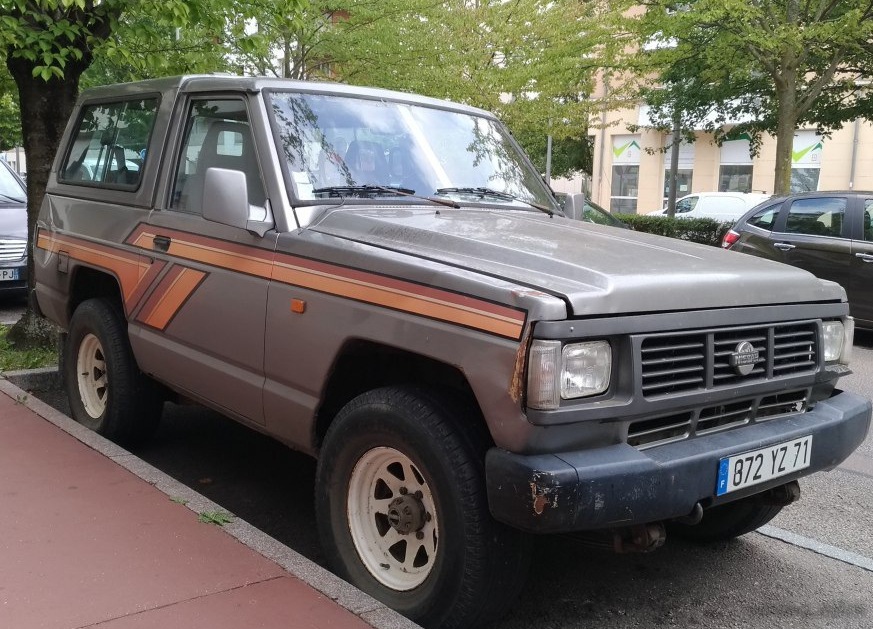
The Nissan Patrol Hardtop (K260) 2.8 TD, produced between 1986 and 1990, represents a significant iteration of Nissan’s long-running Patrol series, a vehicle renowned globally for its robust off-road capability. This particular variant, powered by a 2.8-liter turbocharged diesel engine producing 116 horsepower, occupied a crucial position in the Patrol lineup, offering a balance between workhorse durability and reasonable fuel efficiency. The K260 series, a fourth-generation Patrol, was designed to appeal to a broader market than its predecessors, incorporating more comfort features while retaining the legendary toughness expected of a Patrol. It was primarily sold in Australia, Asia, Africa, and parts of Europe, serving as a popular choice for both commercial and private use, particularly in regions demanding a dependable and capable four-wheel-drive vehicle.
Technical Specifications
| Brand | Nissan |
| Model | Patrol |
| Generation | Patrol Hardtop (K260) |
| Type (Engine) | 2.8 TD (116 Hp) |
| Start of Production | 1986 |
| End of Production | 1990 |
| Powertrain Architecture | Internal Combustion Engine |
| Body Type | Off-Road Vehicle |
| Fuel Type | Diesel |
| Power | 116 Hp |
| Engine Aspiration | Turbocharger |
Powertrain & Engine Architecture
The heart of the K260 2.8 TD is the SD33T engine, a 2.8-liter inline-six cylinder diesel. This engine represents a significant upgrade over the naturally aspirated SD33 found in earlier Patrols, thanks to the addition of a Garrett turbocharger. The turbocharger substantially increases power output and torque, making the vehicle more capable of handling challenging terrain and heavier loads. The SD33T utilizes indirect fuel injection, a common system for diesel engines of this era. Fuel is injected into the pre-chamber, where it is partially combusted before entering the main combustion chamber. This design aids in smoother combustion and reduced engine noise, although it’s less efficient than direct injection systems. The engine features a robust cast iron block and head, contributing to its legendary durability. The automatic transmission offered with this variant was typically a 4-speed unit, designed to handle the engine’s torque output. While not known for its refinement or speed, the transmission was reliable and well-suited to the Patrol’s intended purpose. The transmission’s gear ratios were optimized for low-speed torque, prioritizing off-road performance over rapid acceleration.
Driving Characteristics
The 116 horsepower and substantial torque (approximately 235 lb-ft) of the 2.8 TD powertrain provide the K260 with respectable, if not exhilarating, performance. Compared to the naturally aspirated SD33, the turbo diesel offers a noticeable improvement in acceleration and hill-climbing ability. However, it’s important to remember this is a large, heavy vehicle. Acceleration is modest, and the automatic transmission contributes to a somewhat sluggish feel. The 4-speed automatic transmission, while durable, lacks the responsiveness of modern transmissions. Gear changes are noticeable, and the transmission isn’t particularly quick to downshift. In off-road situations, the low-range gearing and the engine’s torque make the K260 a very capable vehicle. The turbo lag is present, but manageable, and the engine pulls strongly once the turbo spools up. Compared to the petrol-powered versions of the K260, the 2.8 TD offers significantly better fuel economy, making it a more practical choice for long-distance travel or demanding work applications. Compared to later, more powerful diesel Patrols, this 2.8 TD feels underpowered, but it remains a capable and reliable workhorse.
Equipment & Trim Levels
The K260 2.8 TD typically came with a fairly basic level of equipment, reflecting its utilitarian focus. Standard features generally included power steering, a basic instrument cluster, and vinyl or cloth upholstery. Air conditioning was often an optional extra, as were power windows and central locking. The interior design is functional rather than luxurious, with durable plastics and a straightforward layout. Trim levels varied depending on the market, but generally, the 2.8 TD sat in the mid-range of the Patrol lineup. It offered more comfort and convenience features than the base models but lacked the luxury appointments found in the higher-spec versions. Optional extras could include a sunroof, upgraded sound system, and various off-road accessories such as a winch or roof rack. The dashboard configuration was relatively simple, with clearly labeled gauges for speed, engine temperature, fuel level, and battery voltage.
Chassis & Braking
The K260 Patrol utilizes a robust ladder frame chassis, providing a solid foundation for its off-road capabilities. The suspension consists of leaf springs in the front and rear, offering a comfortable ride on and off-road. The 2.8 TD variant typically featured drum brakes on all four wheels, which were adequate for the vehicle’s weight and intended use. However, they lack the stopping power and fade resistance of disc brakes. A stabilizer bar was often fitted to the front suspension to reduce body roll during cornering. The steering is a recirculating ball system, providing a direct feel but requiring more effort than modern rack-and-pinion steering. The K260’s ground clearance is excellent, allowing it to navigate rough terrain with ease. The vehicle’s approach, departure, and breakover angles are also favorable for off-road driving.
Market Reception & Comparison
The Nissan Patrol K260 2.8 TD was generally well-received by critics and buyers alike. It was praised for its durability, off-road capability, and relatively fuel-efficient diesel engine. However, some critics noted the vehicle’s lack of refinement and its somewhat sluggish performance. Compared to the petrol-powered K260 variants, the 2.8 TD offered significantly better fuel economy, making it a more practical choice for many buyers. Compared to other four-wheel-drive vehicles of the era, such as the Toyota Land Cruiser and the Land Rover Defender, the Patrol K260 offered a compelling combination of capability, reliability, and affordability. The 2.8 TD variant was particularly popular in markets where diesel fuel was readily available and affordable. Its robust construction and simple design made it a favorite among those who needed a dependable vehicle for work or adventure.
Legacy
The Nissan Patrol K260 2.8 TD has proven to be a remarkably durable and reliable vehicle. Many examples are still in use today, testament to the quality of its construction and the robustness of its powertrain. The SD33T engine is known for its longevity, and with proper maintenance, it can run for hundreds of thousands of miles. In the used car market, the K260 2.8 TD remains a popular choice among enthusiasts and those seeking a capable and affordable four-wheel-drive vehicle. Parts availability is generally good, although some components may be becoming increasingly difficult to find. The K260 2.8 TD represents a significant chapter in the Patrol’s history, solidifying its reputation as one of the world’s most capable and dependable off-road vehicles. It’s a vehicle that continues to be appreciated for its simplicity, durability, and go-anywhere attitude.