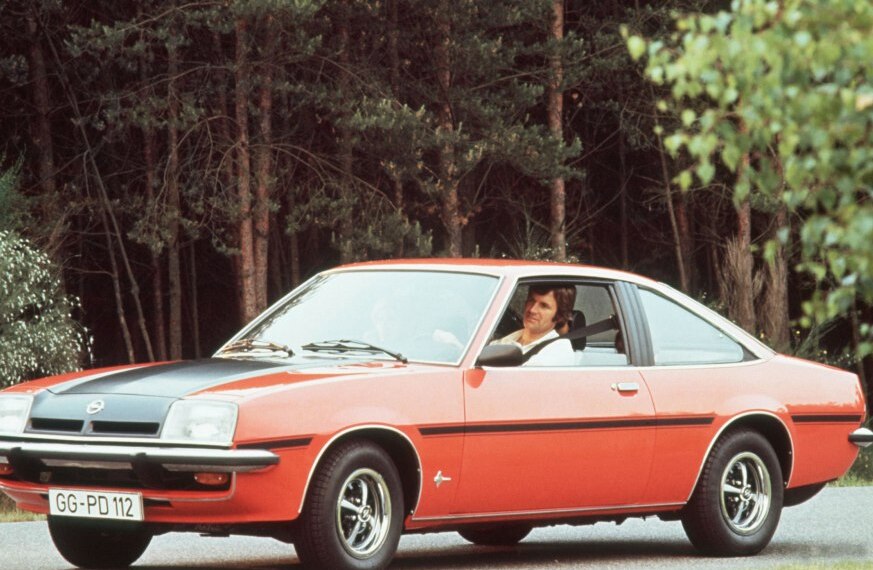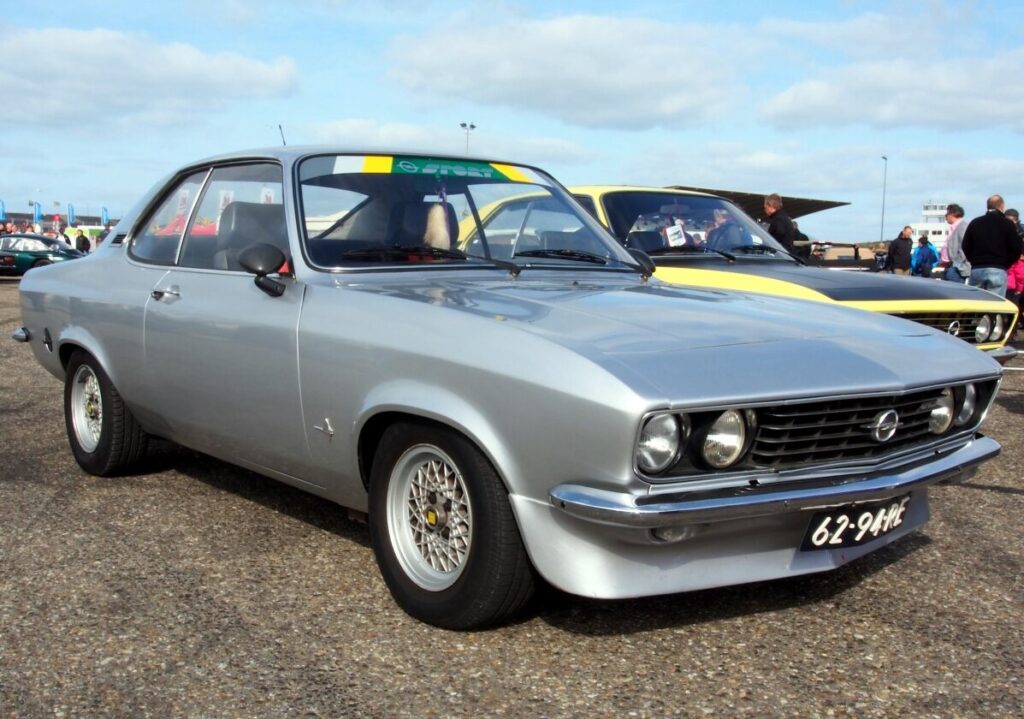
The Opel Manta A 1.6, producing 60 horsepower, was a variant of the first-generation Manta (A-body) produced solely during the 1975 model year. Positioned as the entry-level model within the Manta A range, it offered a more affordable route into Opel’s sporty coupe, appealing to buyers prioritizing economy over outright performance. The Manta A, launched in 1970, was Opel’s response to the Ford Capri and aimed to capture a segment of the European market seeking a stylish, relatively affordable, and engaging driving experience. This particular 1.6-liter version represented the base engine option, offering a balance between fuel efficiency and usability for everyday driving.
Technical Specifications
| Brand | Opel |
| Model | Manta |
| Generation | Manta A |
| Type (Engine) | 1.6 (60 Hp) |
| Start of production | 1975 |
| End of production | 1975 |
| Powertrain Architecture | Internal Combustion engine |
| Body type | Coupe |
| Seats | 4 |
| Doors | 2 |
| Fuel Type | Petrol (Gasoline) |
| Acceleration 0 – 100 km/h | 18.5 sec |
| Acceleration 0 – 62 mph | 18.5 sec |
| Acceleration 0 – 60 mph | 17.6 sec |
| Maximum speed | 150 km/h (93.21 mph) |
| Weight-to-power ratio | 15.5 kg/Hp, 64.5 Hp/tonne |
| Weight-to-torque ratio | 9 kg/Nm, 110.8 Nm/tonne |
| Power | 60 Hp @ 5000 rpm |
| Power per litre | 37.9 Hp/l |
| Torque | 103 Nm @ 3000-3400 rpm (75.97 lb.-ft. @ 3000-3400 rpm) |
| Engine layout | Front, Longitudinal |
| Engine Model/Code | 16N |
| Engine displacement | 1584 cm3 (96.66 cu. in.) |
| Number of cylinders | 4 |
| Engine configuration | Inline |
| Cylinder Bore | 85 mm (3.35 in.) |
| Piston Stroke | 69.8 mm (2.75 in.) |
| Compression ratio | 8:1 |
| Number of valves per cylinder | 2 |
| Fuel injection system | Carburettor |
| Engine aspiration | Naturally aspirated engine |
| Valvetrain | SOHC |
| Engine oil capacity | 3.8 l (4.02 US qt | 3.34 UK qt) |
| Coolant | 6.5 l (6.87 US qt | 5.72 UK qt) |
| Kerb Weight | 930 kg (2050.3 lbs.) |
| Max. weight | 1295 kg (2854.99 lbs.) |
| Max load | 365 kg (804.69 lbs.) |
| Trunk (boot) space – minimum | 326 l (11.51 cu. ft.) |
| Fuel tank capacity | 46 l (12.15 US gal | 10.12 UK gal) |
| Permitted trailer load with brakes (12%) | 1000 kg (2204.62 lbs.) |
| Permitted trailer load without brakes | 500 kg (1102.31 lbs.) |
| Length | 4292 mm (168.98 in.) |
| Width | 1626 mm (64.02 in.) |
| Height | 1360 mm (53.54 in.) |
| Wheelbase | 2430 mm (95.67 in.) |
| Front track | 1331 mm (52.4 in.) |
| Rear (Back) track | 1320 mm (51.97 in.) |
| Minimum turning circle | 10.5 m (34.45 ft.) |
| Drivetrain Architecture | Rear wheel drive |
| Number of gears and type of gearbox | 4 gears, manual transmission |
| Front brakes | Disc |
| Rear brakes | Drum |
Powertrain & Engine Architecture
The 1.6-liter engine, designated as the 16N, was a naturally aspirated, inline-four cylinder unit. It featured a single overhead camshaft (SOHC) valvetrain operating two valves per cylinder. Fuel delivery was managed by a carburetor, a common setup for the time, prioritizing simplicity and cost-effectiveness. The engine produced 60 horsepower at 5000 rpm and 103 Nm (76 lb-ft) of torque between 3000 and 3400 rpm. The engine was mounted longitudinally in the front of the vehicle, driving the rear wheels. The four-speed manual transmission was the only gearbox option available with this engine configuration. This setup, while not particularly powerful, was known for its relative durability and ease of maintenance.
Driving Characteristics
The Manta A 1.6 offered a distinctly different driving experience compared to its more powerful siblings, such as those equipped with the 1.9-liter or V6 engines. Acceleration was leisurely, taking approximately 18.5 seconds to reach 62 mph. The focus was on usability and fuel economy rather than outright speed. The four-speed manual transmission provided adequate control, but the limited power output meant frequent gear changes were necessary, especially when tackling hills or overtaking. The rear-wheel-drive configuration contributed to a balanced feel, but the relatively narrow tires and basic suspension setup limited grip. Compared to the more potent versions, the 1.6 felt less refined and more demanding to drive quickly.
Equipment & Trim Levels
The 1.6-liter Manta A was typically equipped with basic trim levels. Standard features included cloth upholstery, a simple dashboard layout, and basic instrumentation. Options were available, such as a vinyl roof, upgraded audio systems, and tinted glass. However, the 1.6 model generally lacked the more luxurious appointments found in higher-spec versions. The interior was functional and focused on providing a comfortable space for driver and passengers, without excessive frills.
Chassis & Braking
The Manta A utilized a body-on-frame construction, which was common for the era. The suspension consisted of independent front suspension with coil springs and a rigid rear axle with leaf springs. The braking system featured disc brakes on the front wheels and drum brakes on the rear. While adequate for the car’s weight and performance, the braking system lacked the stopping power of more modern setups. The suspension provided a reasonably comfortable ride, but it was not particularly sophisticated, resulting in noticeable body roll during cornering.
Market Reception & Comparison
The Opel Manta A 1.6 was generally well-received as an affordable and stylish coupe. Critics acknowledged its attractive design and reasonable fuel economy. However, the limited power output was often cited as a drawback, particularly when compared to competitors like the Ford Capri. The 1.6-liter version appealed to buyers seeking a practical and economical coupe, while those prioritizing performance typically opted for the more powerful engine options. In terms of reliability, the 16N engine proved to be relatively robust, although regular maintenance was essential to prevent issues.
Legacy
The Opel Manta A 1.6, while not the most sought-after variant, holds a place in automotive history as an accessible entry point into the Manta range. Today, these cars are becoming increasingly collectible, particularly well-preserved examples. The 16N engine, while simple, is relatively easy to maintain and repair, making it a popular choice for classic car enthusiasts. The Manta A, in general, is remembered fondly for its distinctive styling and its role in shaping the European coupe market during the 1970s. The 1.6-liter version, though modest in performance, represents a significant part of the Manta’s appeal to a broader audience.