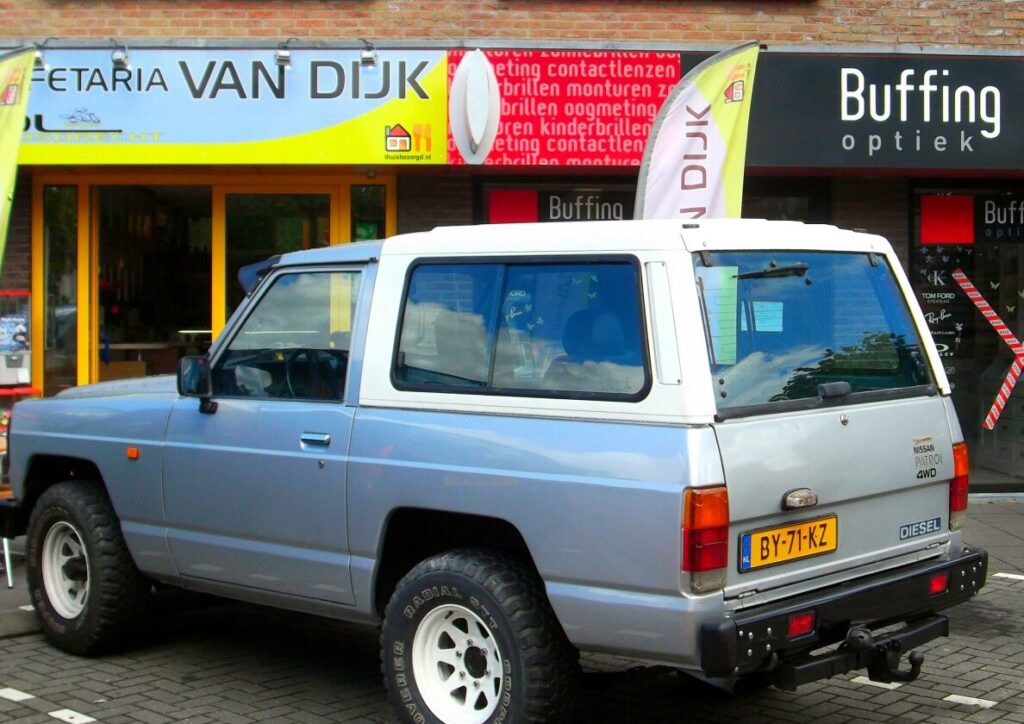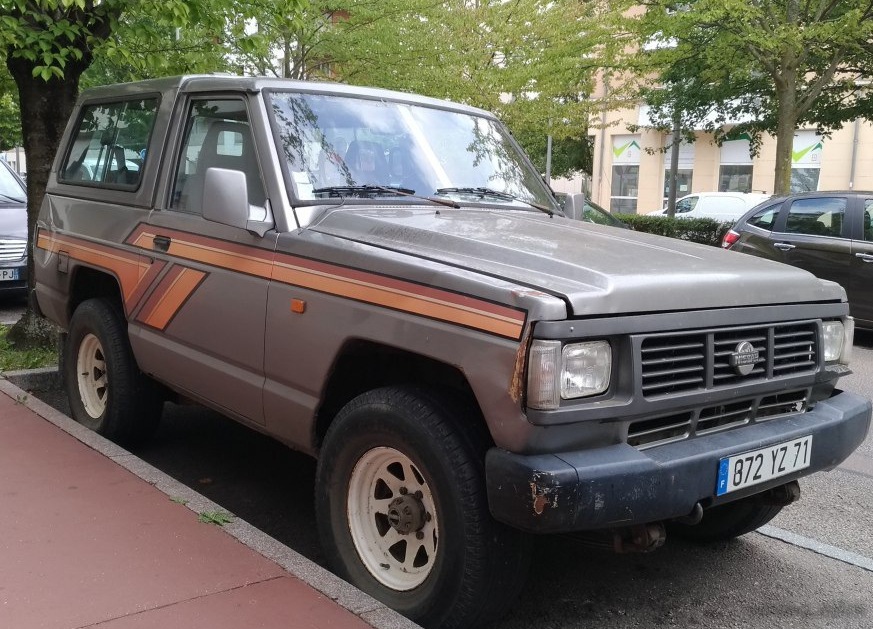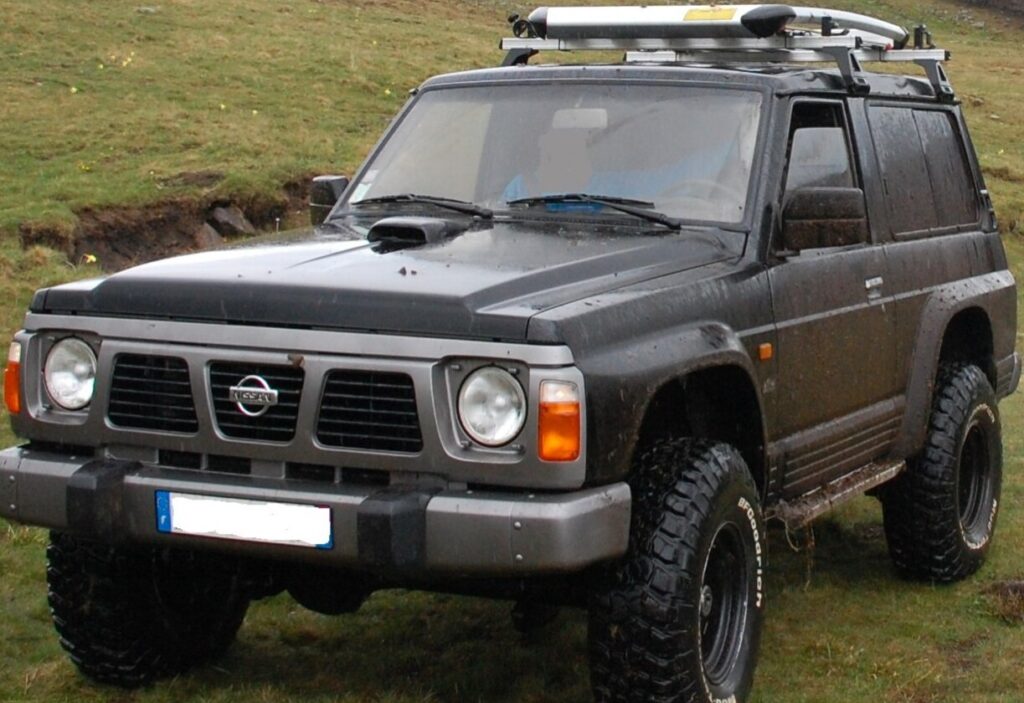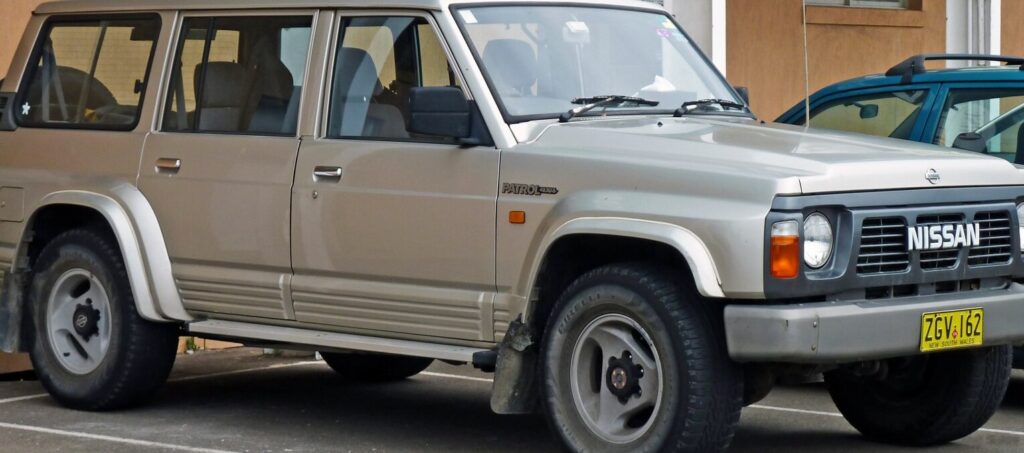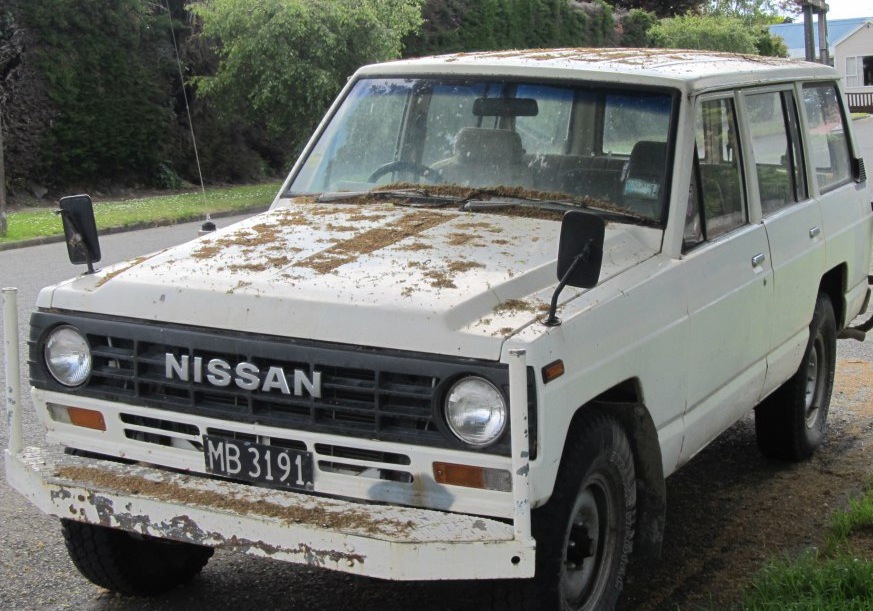
The Nissan Patrol Station Wagon (W160) 2.8, produced from 1980 to 1988, represents a significant iteration of Nissan’s long-running Patrol series. This variant, falling within the broader W160 generation (1980-1988), was primarily aimed at providing a robust and practical four-wheel-drive vehicle for both family transport and off-road capability. The W160 series marked a substantial departure from earlier Patrols, adopting a more modern design and improved mechanicals. The 2.8-liter engine option positioned itself as a mid-range offering, balancing affordability with sufficient power for most users, particularly in markets outside of North America where larger displacement engines were less common. It served as a workhorse vehicle in regions like Australia, the Middle East, and parts of Asia, valued for its durability and go-anywhere ability.
Technical Specifications
| Brand | Nissan |
| Model | Patrol |
| Generation | Patrol Station Wagon (W160) |
| Type (Engine) | 2.8 (W160) (120 Hp) |
| Start of production | 1980 |
| End of production | 1988 |
| Powertrain Architecture | Internal Combustion engine |
| Body type | Off-road vehicle, Station wagon (estate) |
| Fuel Type | Petrol (Gasoline) |
| Power | 120 Hp |
| Engine aspiration | Naturally aspirated engine |
Powertrain & Engine Architecture
The heart of the W160 2.8 is the Nissan SD33 engine, a 2.8-liter inline-six cylinder gasoline engine. While often associated with diesel variants, the SD33 was also produced in petrol form. This engine, though not particularly technologically advanced by modern standards, was renowned for its robustness and relatively simple design, contributing to its longevity. The engine utilizes a single overhead camshaft (SOHC) valvetrain, operating two valves per cylinder. Fuel delivery is managed by a carburetor, a common feature for vehicles of this era. The 120 horsepower output is achieved at approximately 3,600 rpm, with peak torque of around 178 lb-ft (241 Nm) available at 2,400 rpm. The transmission paired with this engine is typically a three-speed automatic, although a four-speed manual was also available. The automatic transmission, while providing ease of use, was not known for its efficiency or particularly quick shifts. It was selected for its suitability for general driving conditions and its appeal to buyers prioritizing convenience over performance.
Driving Characteristics
The driving experience of the W160 2.8 with the automatic transmission is characterized by its relaxed and capable nature. Acceleration is modest, with the 0-60 mph time estimated to be around 14-16 seconds. The automatic transmission’s gear ratios are geared towards providing sufficient torque for off-road situations and towing, rather than outright speed. The engine feels strongest in the mid-range, making it suitable for cruising on highways and tackling moderate inclines. Compared to the manual transmission version, the automatic sacrifices some responsiveness and fuel economy. The manual transmission offered a more engaging driving experience and slightly better performance, appealing to drivers who frequently encountered challenging terrain. Compared to later Patrol models with more powerful engines, the 2.8 feels underpowered, particularly when fully loaded with passengers and cargo. However, its simplicity and durability make it a reliable choice for everyday use.
Equipment & Trim Levels
The W160 2.8 typically came with a fairly basic level of equipment, reflecting its positioning as a utilitarian vehicle. Standard features generally included cloth upholstery, vinyl floor covering, and a simple dashboard layout. Air conditioning was often an optional extra, as were power windows and central locking. The instrument cluster typically featured a speedometer, odometer, fuel gauge, and temperature gauge. Trim levels varied depending on the market, but generally, the 2.8 was positioned as a mid-range offering, slotting in between the more basic diesel models and the higher-specification petrol variants. Optional extras could include a roof rack, auxiliary fuel tank, and upgraded suspension components for more serious off-road use. Interior space is generous, thanks to the station wagon body style, providing ample room for passengers and cargo.
Chassis & Braking
The W160 Patrol utilizes a robust ladder frame chassis, providing a solid foundation for off-road driving. The suspension consists of leaf springs in the front and rear, offering a comfortable ride on paved roads and excellent articulation when traversing uneven terrain. The 2.8 model typically features drum brakes on all four wheels, which were adequate for the vehicle’s weight and performance capabilities. Power steering was often an optional extra, making maneuvering the large vehicle easier, particularly in tight spaces. The track width is relatively narrow, contributing to the vehicle’s maneuverability in off-road conditions. Stabilizer bars were not typically fitted as standard, prioritizing suspension travel over body roll control. The overall chassis design emphasizes durability and off-road capability over on-road handling precision.
Market Reception & Comparison
The W160 2.8 Patrol received generally positive reviews for its reliability, durability, and off-road capability. Critics praised its robust construction and its ability to handle challenging terrain. However, the automatic transmission was often criticized for its lack of responsiveness and fuel efficiency. Compared to the diesel versions, the 2.8 offered more refined performance and quieter operation, but at the cost of fuel economy. Compared to the larger petrol engines available in some markets, the 2.8 was seen as a more affordable and practical option for everyday use. Fuel economy was typically in the range of 15-18 mpg (US), depending on driving conditions and load. Reliability was a key strength, with many examples of the W160 2.8 still in operation today, testament to the quality of its construction and the simplicity of its design.
Legacy
The Nissan Patrol W160 2.8 has earned a strong reputation as a reliable and capable off-road vehicle. In the used car market, these vehicles are highly sought after by enthusiasts and those seeking a durable and practical four-wheel-drive vehicle. The SD33 engine, while not particularly powerful, is known for its longevity and relatively simple maintenance requirements. Parts availability is generally good, although some components may be becoming increasingly difficult to find. The W160 2.8 represents a significant milestone in the Patrol’s history, bridging the gap between earlier, more basic models and the more sophisticated vehicles that followed. Its enduring popularity is a testament to its robust design, its off-road capability, and its overall practicality.