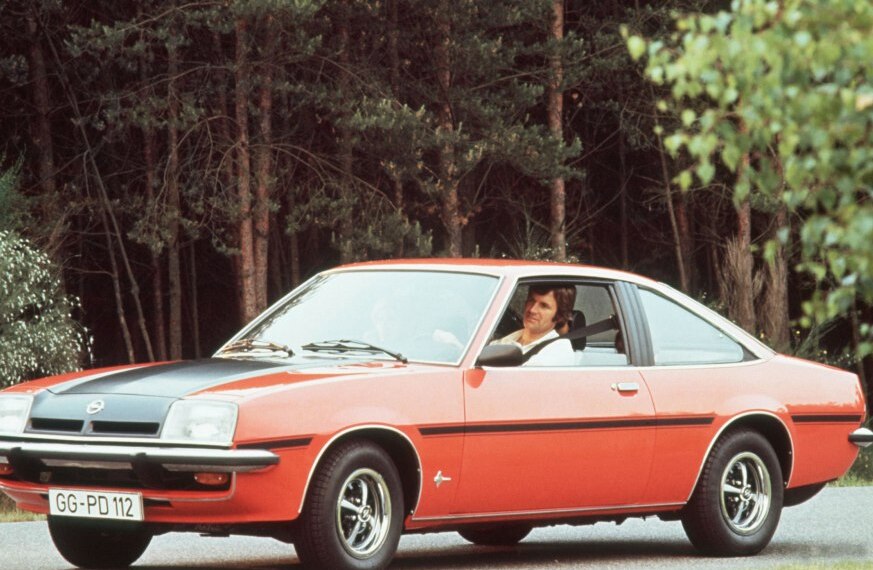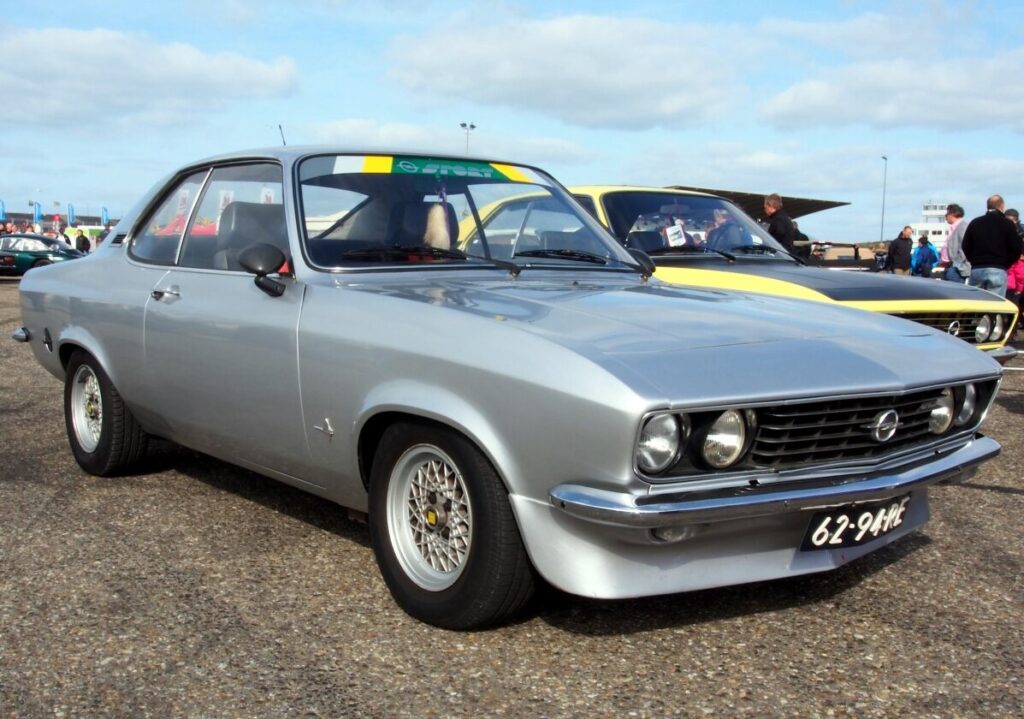
The Opel Manta A 1.6 S, produced between 1970 and 1975, represents a key variant within the first generation (A) of Opel’s iconic Manta coupe. Positioned as a sporty, yet accessible, offering, the 1.6 S with its 80 horsepower engine and four-speed manual transmission served as a popular entry point into the Manta range, appealing to buyers seeking a stylish and engaging driving experience. It was a significant model for Opel, contributing to the brand’s image as a manufacturer of dynamic and modern vehicles in the European market. The Manta A, built on Opel’s new ‘H’ platform, was a deliberate attempt to capture a younger demographic and compete with rivals like the Ford Capri.
Technical Specifications
| Brand | Opel |
| Model | Manta |
| Generation | Manta A |
| Type (Engine) | 1.6 S (80 Hp) |
| Start of production | 1970 |
| End of production | 1975 |
| Powertrain Architecture | Internal Combustion engine |
| Body type | Coupe |
| Seats | 4 |
| Doors | 2 |
| Fuel Type | Petrol (Gasoline) |
| Acceleration 0 – 100 km/h | 14 sec |
| Acceleration 0 – 62 mph | 14 sec |
| Acceleration 0 – 60 mph | 13.3 sec |
| Maximum speed | 164 km/h (101.9 mph) |
| Weight-to-power ratio | 11.8 kg/Hp, 84.7 Hp/tonne |
| Weight-to-torque ratio | 7.3 kg/Nm, 136.5 Nm/tonne |
| Power | 80 Hp @ 5200 rpm |
| Power per litre | 50.5 Hp/l |
| Torque | 129 Nm @ 4200 rpm (95.15 lb.-ft. @ 4200 rpm) |
| Engine layout | Front, Longitudinal |
| Engine Model/Code | 16S |
| Engine displacement | 1584 cm3 (96.66 cu. in.) |
| Number of cylinders | 4 |
| Engine configuration | Inline |
| Cylinder Bore | 85 mm (3.35 in.) |
| Piston Stroke | 69.8 mm (2.75 in.) |
| Compression ratio | 9.5:1 |
| Number of valves per cylinder | 2 |
| Fuel injection system | Carburettor |
| Engine aspiration | Naturally aspirated engine |
| Valvetrain | SOHC |
| Engine oil capacity | 3.8 l (4.02 US qt | 3.34 UK qt) |
| Coolant | 6.5 l (6.87 US qt | 5.72 UK qt) |
| Kerb Weight | 945 kg (2083.37 lbs.) |
| Max. weight | 1310 kg (2888.06 lbs.) |
| Max load | 365 kg (804.69 lbs.) |
| Trunk (boot) space – minimum | 326 l (11.51 cu. ft.) |
| Fuel tank capacity | 46 l (12.15 US gal | 10.12 UK gal) |
| Permitted trailer load with brakes (12%) | 1000 kg (2204.62 lbs.) |
| Permitted trailer load without brakes | 500 kg (1102.31 lbs.) |
| Length | 4292 mm (168.98 in.) |
| Width | 1626 mm (64.02 in.) |
| Height | 1360 mm (53.54 in.) |
| Wheelbase | 2430 mm (95.67 in.) |
| Front track | 1331 mm (52.4 in.) |
| Rear (Back) track | 1320 mm (51.97 in.) |
| Minimum turning circle | 10.5 m (34.45 ft.) |
| Drivetrain Architecture | Rear wheel drive |
| Number of gears and type of gearbox | 4 gears, manual transmission |
| Front brakes | Disc |
| Rear brakes | Drum |
Powertrain & Engine Architecture
The heart of the Manta A 1.6 S is the 1584cc inline-four cylinder engine, designated the 16S. This engine featured a single overhead camshaft (SOHC) valvetrain operating two valves per cylinder. Fuel delivery was managed by a Solex carburetor, a common setup for the era. The engine produced 80 horsepower at 5200 rpm and 129 Nm (95.15 lb-ft) of torque at 4200 rpm. The engine was mounted longitudinally in the front of the vehicle, driving the rear wheels. The four-speed manual transmission was a standard offering, providing a direct and engaging driving experience. This configuration, while not exceptionally powerful, was known for its reliability and relatively easy maintenance.
Driving Characteristics
The 1.6 S offered a balanced driving experience. While not a performance leader, the 80 hp engine provided adequate power for spirited driving, especially considering the Manta’s relatively light weight of around 945 kg (2083 lbs). Acceleration to 60 mph took approximately 13.3 seconds, and the top speed was around 101.9 mph. The four-speed manual transmission allowed drivers to effectively utilize the engine’s powerband. Compared to the more powerful Manta GT models (often equipped with larger engines and higher compression ratios), the 1.6 S prioritized fuel economy and affordability. The rear-wheel-drive layout contributed to a lively and engaging handling characteristic, though it also required careful throttle control in slippery conditions.
Equipment & Trim Levels
The Manta A 1.6 S was generally equipped with basic, yet functional, features. Standard equipment included cloth upholstery, a basic instrument cluster, and manually operated windows and door locks. The interior was relatively spartan, reflecting the car’s positioning as an affordable sports coupe. Optional extras included a vinyl roof, upgraded audio systems, and tinted glass. The trim level was identifiable by minimal badging, focusing on a clean and understated aesthetic. The interior plastics were durable, but lacked the refinement found in more expensive vehicles of the time.
Chassis & Braking
The Manta A featured a conventional chassis design with independent front suspension and a rigid rear axle. The front suspension utilized coil springs and wishbones, while the rear suspension employed leaf springs. Braking was accomplished via disc brakes on the front wheels and drum brakes on the rear. The braking system was adequate for the car’s performance, but lacked the stopping power of more modern systems. Stabilizer bars were typically not standard on the 1.6 S, contributing to a slightly more pronounced body roll during cornering compared to higher-spec models.
Market Reception & Comparison
The Opel Manta A 1.6 S was well-received in the European market as an affordable and stylish coupe. Critics praised its sporty design and engaging driving dynamics, but noted that the 1.6-liter engine was somewhat underpowered compared to some of its rivals. Compared to the more expensive Manta GT models, the 1.6 S offered a more economical option for buyers who prioritized fuel efficiency and affordability. It competed directly with vehicles like the Ford Capri and the Volkswagen Karmann Ghia, offering a similar blend of style and practicality. Fuel economy was reasonable for the time, averaging around 30-35 mpg.
Legacy
The Opel Manta A 1.6 S remains a popular classic car today, particularly among enthusiasts who appreciate its retro styling and simple mechanicals. The 16S engine is known for its durability and relatively easy maintenance, making it a reliable choice for restoration projects. While parts availability can be a challenge, a dedicated aftermarket supports the Manta community. The Manta A, and the 1.6 S variant specifically, holds a significant place in automotive history as a symbol of 1970s European motoring, and continues to be enjoyed by classic car enthusiasts worldwide. Its influence can be seen in later Opel models and continues to inspire automotive design today.