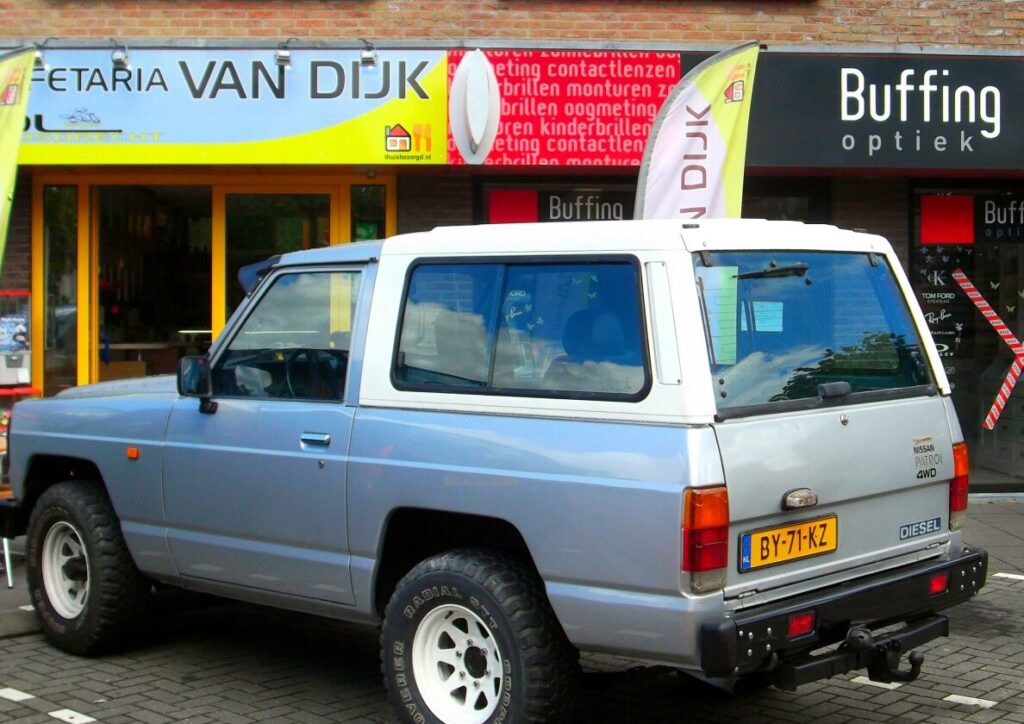
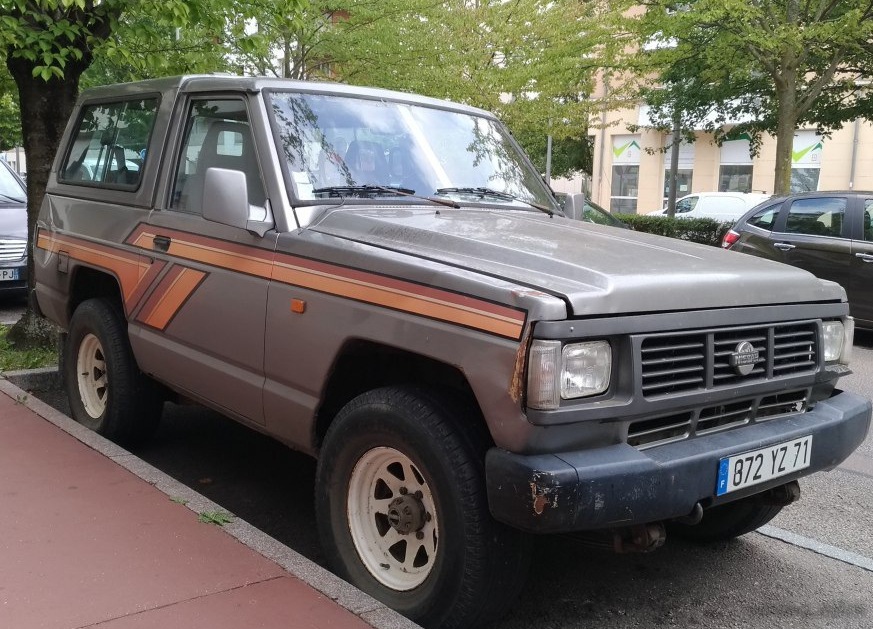
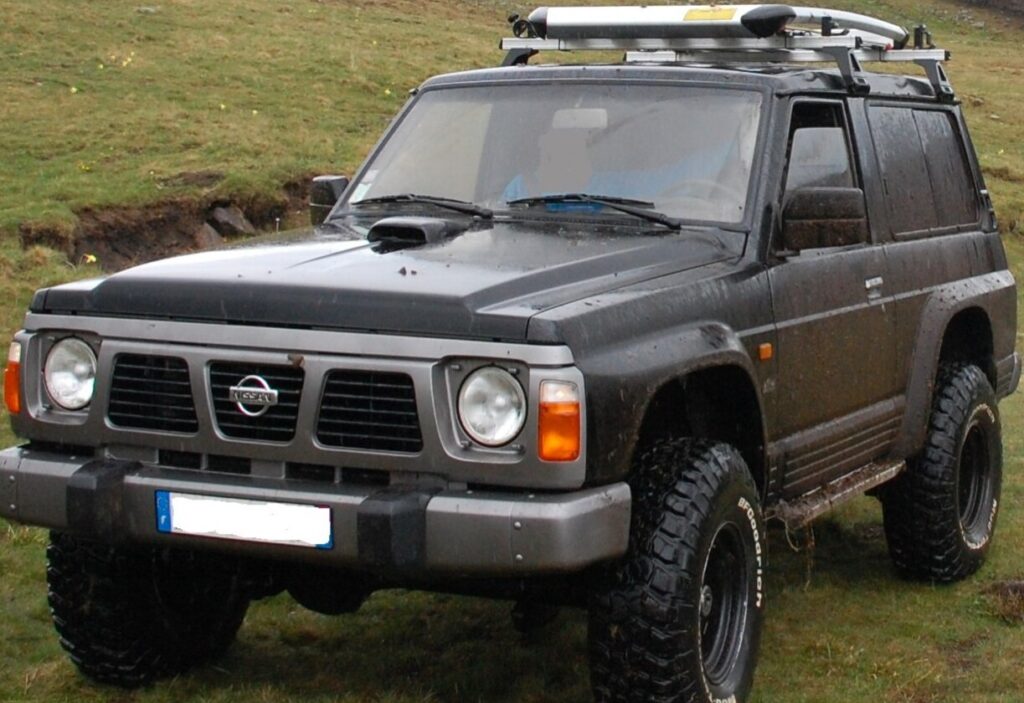
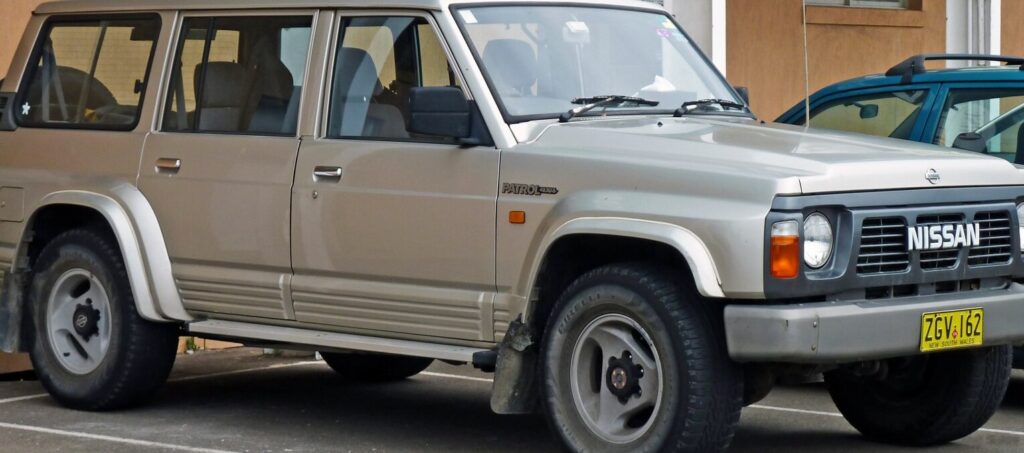
The Nissan Patrol Station Wagon (W260) 2.8 TD, produced from 1989 to 1995, represents a significant iteration of Nissan’s long-running Patrol series. This variant, falling within the W260 generation, was primarily aimed at markets outside of North America, where the Patrol was less commonly sold. It served as a robust, dependable workhorse and family vehicle, particularly popular in Australia, the Middle East, and parts of Asia. The 2.8 TD model occupied a middle ground in the W260 lineup, offering a balance between fuel efficiency, torque for off-road capability, and a more accessible price point compared to the gasoline-powered options or higher-output diesel variants.
Technical Specifications
| Brand | Nissan |
| Model | Patrol |
| Generation | Patrol Station Wagon (W260) |
| Type (Engine) | 2.8 TD (116 Hp) |
| Start of Production | 1989 |
| End of Production | 1995 |
| Powertrain Architecture | Internal Combustion Engine |
| Body Type | Off-road Vehicle, Station Wagon (Estate) |
| Fuel Type | Diesel |
| Power | 116 Hp |
| Engine Aspiration | Turbocharger |
Powertrain & Engine Architecture
The heart of the W260 2.8 TD is the Nissan TD28 engine, a 2.8-liter inline-six diesel. This engine is a naturally aspirated diesel, but the variant in question features a turbocharger, boosting power output to 116 horsepower. The TD28 is known for its durability and relatively simple mechanical design, relying on a pre-chamber combustion system. This system utilizes a small pre-combustion chamber to initiate combustion, improving cold-starting performance and reducing engine noise compared to direct-injection diesels of the era. Fuel injection is mechanical, utilizing a Bosch rotary injection pump. The engine features a robust cast iron block and head, contributing to its longevity. The turbocharger, typically a Garrett unit, provides increased air intake, enhancing torque and overall performance. While not a high-revving engine, the TD28 delivers a substantial amount of low-end torque, making it well-suited for off-road driving and towing. The transmission paired with this engine was typically a five-speed manual, though a four-speed automatic was also available, though less common. The automatic transmission, while offering convenience, did impact fuel economy and slightly reduced the vehicle’s off-road prowess due to less precise gear control.
Driving Characteristics
The W260 2.8 TD offers a driving experience focused on capability rather than outright speed. The 116 horsepower and approximately 195 lb-ft of torque provide adequate power for on-road driving, but the vehicle truly shines when tackling challenging terrain. The turbocharger provides a noticeable boost in power once spooled up, typically around 2000-2200 RPM. The five-speed manual transmission allows for precise gear selection, maximizing engine efficiency and control. The automatic transmission, while smoother, results in a more relaxed but less engaging driving experience. The gear ratios are geared towards low-end torque, making it easy to crawl over obstacles and maintain control on steep inclines. The Patrol’s substantial weight (around 4,400-5,000 lbs depending on trim) is noticeable, but the robust suspension system absorbs bumps and irregularities effectively. Compared to the gasoline-powered Patrols, the 2.8 TD offers significantly better fuel economy, making it a more practical choice for long-distance travel. Compared to the naturally aspirated diesel versions, the turbocharger provides a substantial performance increase, making the 2.8 TD a more versatile option.
Equipment & Trim Levels
The W260 2.8 TD was available in various trim levels, depending on the market. Base models typically featured vinyl or cloth upholstery, basic instrumentation, and manual windows and locks. Higher trim levels offered features such as air conditioning, power windows and locks, upgraded audio systems, and woodgrain interior trim. The station wagon body style provided ample cargo space, making it suitable for families and those needing to transport large items. Standard safety equipment included seatbelts, though airbags were not commonly fitted on these models. Optional extras included a sunroof, upgraded suspension components, and a winch for enhanced off-road capability. The dashboard layout was functional and straightforward, prioritizing practicality over aesthetics. The interior materials were durable and designed to withstand harsh conditions.
Chassis & Braking
The W260 Patrol utilizes a body-on-frame construction, providing exceptional strength and durability. The chassis features a robust ladder frame, capable of withstanding significant stress. The suspension system consists of leaf springs in the rear and coil springs in the front, offering a comfortable ride and good off-road articulation. The front suspension incorporates a stabilizer bar to reduce body roll during cornering. Braking duties are handled by disc brakes in the front and drum brakes in the rear. While adequate for most driving situations, the drum brakes in the rear can lack the stopping power of disc brakes, particularly when the vehicle is heavily loaded. Steering is typically recirculating ball, providing a direct but somewhat heavy feel. The Patrol’s high ground clearance and robust suspension system make it exceptionally capable off-road.
Market Reception & Comparison
The Nissan Patrol W260 2.8 TD was generally well-received by critics and consumers alike. It was praised for its reliability, durability, and off-road capability. The 2.8 TD engine was considered a good compromise between power and fuel economy. However, some critics noted that the automatic transmission could feel sluggish and that the interior was somewhat basic compared to some of its competitors. Compared to the Toyota Land Cruiser, the Patrol offered a more affordable price point, but the Land Cruiser was often perceived as being more refined. Compared to the gasoline-powered Patrols, the 2.8 TD offered significantly better fuel economy, making it a more practical choice for everyday use. The TD28 engine’s reputation for longevity contributed to the Patrol’s strong resale value.
Legacy
The Nissan Patrol W260 2.8 TD has earned a reputation as a highly reliable and durable vehicle. The TD28 engine is known for its ability to withstand high mileage and harsh conditions. Today, these vehicles are sought after by enthusiasts and off-road adventurers. Parts availability is generally good, although some components may be becoming increasingly difficult to find. The W260 2.8 TD remains a popular choice for those seeking a capable and dependable off-road vehicle. Its simple mechanical design makes it relatively easy to maintain and repair, even in remote locations. The Patrol’s enduring popularity is a testament to its robust construction and timeless design. The 2.8 TD variant, in particular, is valued for its balance of performance, fuel economy, and reliability, ensuring its continued presence on roads and trails for years to come.