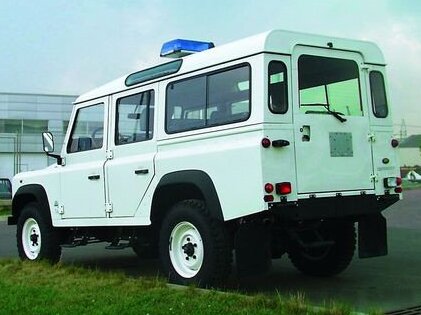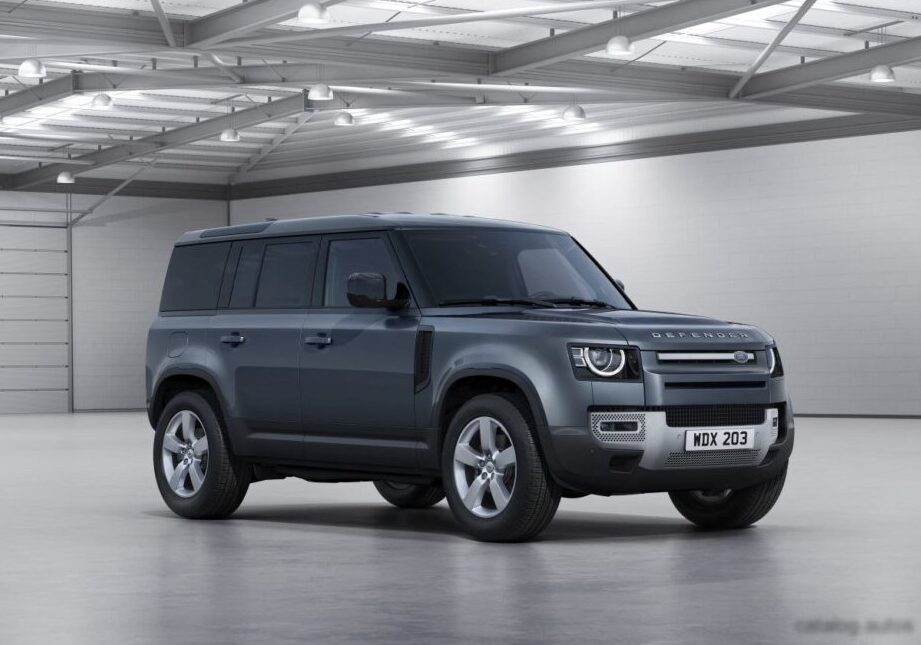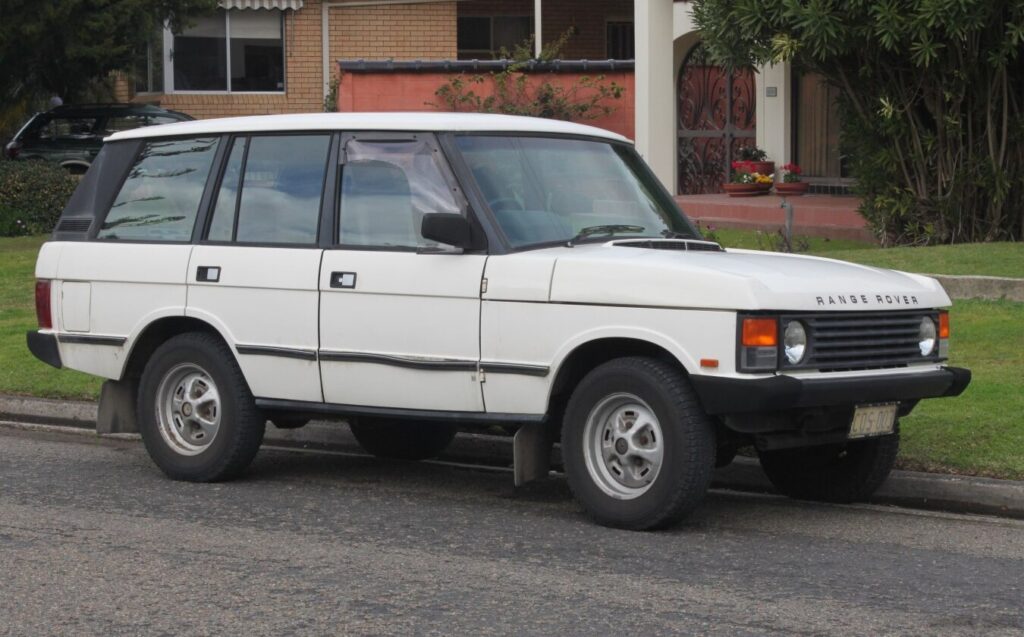
The Land Rover Range Rover I 3.5 Vogue, produced from 1981 to 1990, represents a pivotal point in the evolution of the luxury SUV. This variant, powered by a 3.5-liter naturally aspirated V8 engine producing 126 horsepower, occupied a significant position within the original Range Rover (Classic) lineup. It was positioned as a comfortable, capable, and relatively affordable entry point into the Range Rover experience, appealing to buyers who prioritized refinement and off-road ability over outright performance. The first generation Range Rover, internally designated as the LX series, fundamentally established the template for luxury SUVs that followed, blending off-road prowess with a level of interior comfort previously unseen in the segment. The 3.5 Vogue, while not the most powerful iteration, was a mainstay of the model range throughout its production run, and remains a sought-after classic today.
Technical Specifications
| Brand | Land Rover |
| Model | Range Rover |
| Generation | Range Rover I (Classic) |
| Type (Engine) | 3.5 Vogue (126 Hp) |
| Start of Production | 1981 |
| End of Production | 1990 |
| Powertrain Architecture | Internal Combustion Engine |
| Body Type | SUV |
| Fuel Type | Petrol (Gasoline) |
| Engine Power | 126 Hp |
| Engine Aspiration | Naturally Aspirated |
Powertrain & Engine Architecture
The heart of the Range Rover I 3.5 Vogue is the Rover V8 engine, specifically the 3.5-liter (3,528 cc) version. This engine, derived from the Buick-Oldsmobile-Pontiac V8 family originally designed in the 1960s, was adapted by Rover and became a hallmark of their vehicles for decades. The 126 hp output was achieved through a relatively conservative compression ratio and a single Zenith-Stromberg CD175 carburetor. While later versions of the 3.5 V8 received fuel injection, the early Voguе models retained the carburetor, contributing to its simplicity and ease of maintenance, but also impacting fuel economy and emissions. The engine features a cast iron block and aluminum cylinder heads, a configuration that provided durability and reasonable weight. The engine’s valvetrain utilizes a single overhead camshaft (SOHC) design, operating two valves per cylinder.
The 3.5 Vogue was typically paired with a three-speed automatic transmission, a Chrysler TorqueFlite A727 unit. This transmission, known for its robustness, provided smooth shifts but lacked the efficiency of more modern automatic gearboxes. The transmission was selected for its durability and ability to handle the engine’s torque, particularly when engaged in off-road driving. The automatic transmission contributed to the vehicle’s ease of use and appeal to buyers seeking a comfortable and refined driving experience.
Driving Characteristics
The Range Rover I 3.5 Vogue, with its 126 horsepower and three-speed automatic, offered a driving experience focused on comfort and capability rather than outright speed. Acceleration was adequate for the time, but not particularly brisk, with a 0-60 mph time estimated around 13-14 seconds. The automatic transmission’s gear ratios were optimized for low-end torque and off-road traction, rather than maximizing acceleration. The engine delivered its peak power relatively low in the rev range, providing sufficient grunt for everyday driving and moderate towing. Compared to the later 3.9-liter V8 versions, the 3.5 Vogue felt noticeably less powerful, especially when fully loaded or tackling steep inclines. However, the lower power output also contributed to a smoother, more relaxed driving experience. The automatic transmission, while reliable, could feel somewhat dated compared to the more responsive manual transmissions available in other Range Rover variants.
Equipment & Trim Levels
The “Vogue” designation indicated a higher level of trim and equipment compared to the base Range Rover models. Standard features on the 3.5 Vogue typically included cloth upholstery, power windows, central locking, and a wood veneer dashboard. Leather upholstery was often an optional extra, as were features like air conditioning, a sunroof, and upgraded sound systems. The interior design prioritized comfort and practicality, with ample space for passengers and luggage. The dashboard layout was relatively simple and functional, with clearly labeled controls. The 3.5 Vogue offered a good balance of luxury and practicality, making it an appealing choice for buyers who wanted a comfortable and well-equipped SUV without the expense of the top-of-the-line models.
Chassis & Braking
The Range Rover I featured a robust ladder-frame chassis, providing exceptional strength and durability. The suspension system consisted of coil springs and long-travel shock absorbers, offering a comfortable ride both on and off-road. The front suspension utilized a double wishbone design, while the rear suspension employed a live axle with trailing arms. The 3.5 Vogue typically came equipped with disc brakes on the front wheels and drum brakes on the rear wheels. While adequate for most driving conditions, the rear drum brakes were a point of criticism, particularly when compared to the all-disc brake setups found on some higher-spec Range Rover models. A stabilizer bar was fitted to the front suspension to reduce body roll during cornering. The chassis and suspension were designed to provide a balance of on-road comfort and off-road capability, making the Range Rover I a versatile vehicle.
Market Reception & Comparison
The Range Rover I 3.5 Vogue was generally well-received by critics and buyers alike. It was praised for its luxurious interior, comfortable ride, and exceptional off-road ability. However, the 3.5-liter engine was sometimes criticized for its lack of power, particularly when compared to the later 3.9-liter V8. Fuel economy was also a concern, as the carbureted engine and automatic transmission were not particularly efficient. Compared to the 3.9-liter V8 models, the 3.5 Vogue offered a more affordable entry point into the Range Rover lineup, but at the expense of performance. The 3.5 Vogue also differed significantly from the diesel-powered Range Rovers, which prioritized fuel economy and torque over outright power. The 3.5 Vogue appealed to buyers who valued comfort, refinement, and off-road capability over sporty performance.
Legacy
The Range Rover I 3.5 Vogue remains a highly collectible classic today. Its simplicity, durability, and iconic design have made it a favorite among enthusiasts. The Rover V8 engine, while not the most powerful, is known for its reliability and ease of maintenance. However, like all classic vehicles, the 3.5 Vogue requires regular maintenance and attention to prevent corrosion and mechanical issues. Parts availability can be a challenge, but a thriving aftermarket exists to support owners. The 3.5 Vogue represents a significant chapter in the history of the Range Rover, establishing the brand’s reputation for luxury, capability, and enduring style. Well-maintained examples command strong prices in the used car market, reflecting their enduring appeal and historical significance.