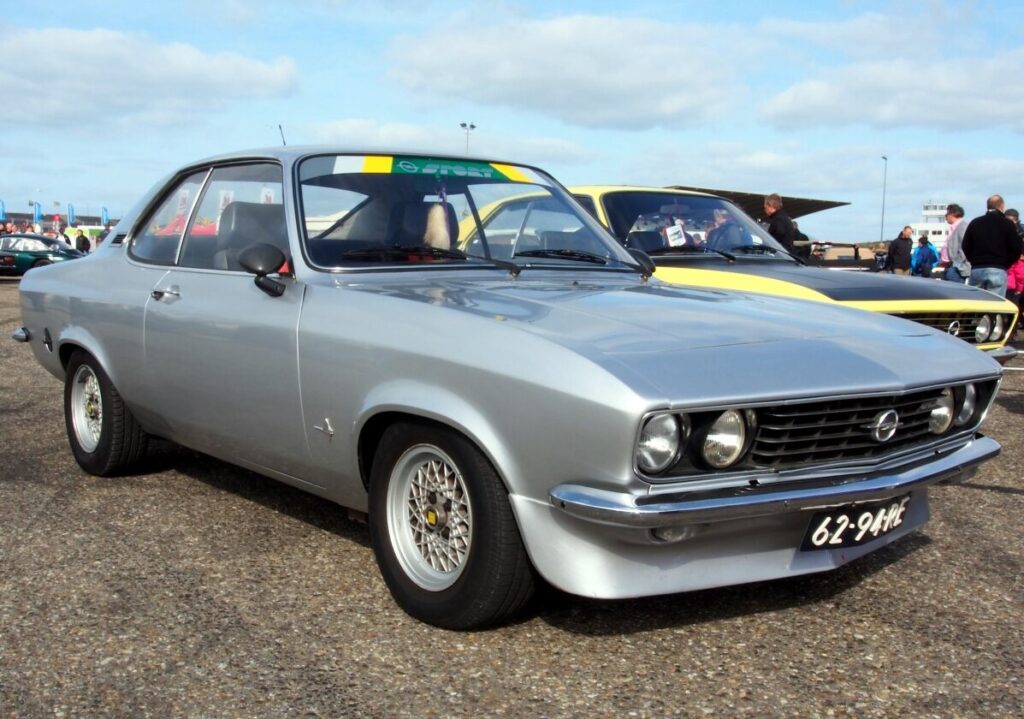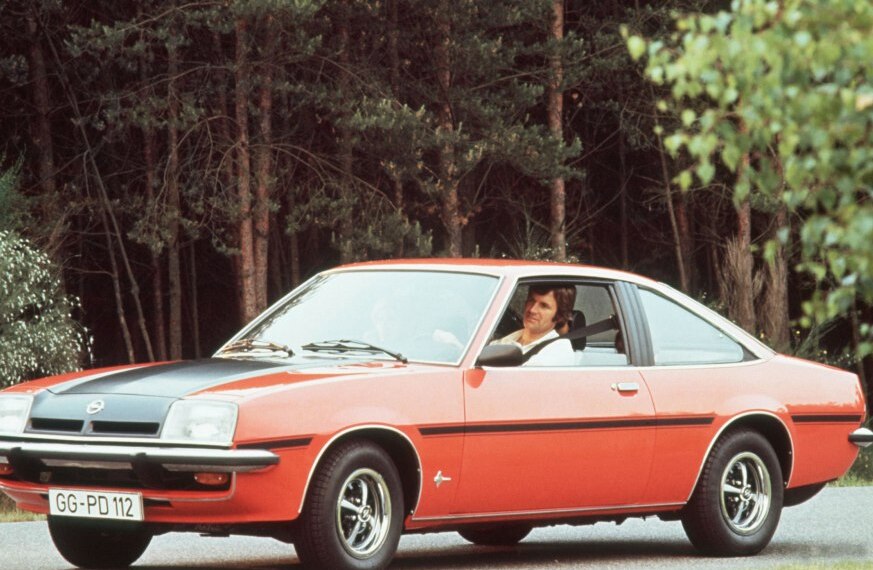
The Opel Manta B 1.3 N, produced between 1979 and 1980, represented the entry point into the second generation (Manta B) of Opel’s iconic coupe. Positioned as the most affordable variant, it aimed to provide stylish, rear-wheel-drive motoring to a broader audience. The Manta B, launched in 1978, was a significant redesign of the original Manta, offering a more modern aesthetic and improved interior space. The 1.3 N, with its modest 60 horsepower, served as a practical and economical option within the lineup, which also included more powerful engines like the 1.6 and 2.0-liter variants. It was primarily sold in European markets, where the coupe segment was quite competitive.
Technical Specifications
| Brand | Opel |
| Model | Manta |
| Generation | Manta B |
| Type (Engine) | 1.3 N (60 Hp) |
| Start of production | 1979 |
| End of production | 1980 |
| Powertrain Architecture | Internal Combustion engine |
| Body type | Coupe |
| Seats | 4 |
| Doors | 2 |
| Fuel Type | Petrol (Gasoline) |
| Acceleration 0 – 100 km/h | 18 sec |
| Acceleration 0 – 62 mph | 18 sec |
| Acceleration 0 – 60 mph | 17.1 sec |
| Maximum speed | 150 km/h (93.21 mph) |
| Weight-to-power ratio | 15.4 kg/Hp, 64.9 Hp/tonne |
| Weight-to-torque ratio | 9.6 kg/Nm, 103.8 Nm/tonne |
| Power | 60 Hp @ 5800 rpm |
| Power per litre | 46.3 Hp/l |
| Torque | 96 Nm @ 3800 rpm (70.81 lb.-ft. @ 3800 rpm) |
| Engine layout | Front, Longitudinal |
| Engine displacement | 1297 cm3 (79.15 cu. in.) |
| Number of cylinders | 4 |
| Engine configuration | Inline |
| Cylinder Bore | 75 mm (2.95 in.) |
| Piston Stroke | 73.4 mm (2.89 in.) |
| Compression ratio | 8.2:1 |
| Number of valves per cylinder | 2 |
| Fuel injection system | Carburettor |
| Engine aspiration | Naturally aspirated engine |
| Valvetrain | SOHC |
| Kerb Weight | 925 kg (2039.28 lbs.) |
| Max. weight | 1295 kg (2854.99 lbs.) |
| Max load | 370 kg (815.71 lbs.) |
| Trunk (boot) space – maximum | 490 l (17.3 cu. ft.) |
| Fuel tank capacity | 50 l (13.21 US gal | 11 UK gal) |
| Length | 4445 mm (175 in.) |
| Width | 1670 mm (65.75 in.) |
| Height | 1330 mm (52.36 in.) |
| Wheelbase | 2518 mm (99.13 in.) |
| Front track | 1380 mm (54.33 in.) |
| Rear (Back) track | 1375 mm (54.13 in.) |
| Minimum turning circle | 10.5 m (34.45 ft.) |
| Drivetrain Architecture | Rear wheel drive |
| Number of gears and type of gearbox | 4 gears, manual transmission |
| Front brakes | Disc |
| Rear brakes | Drum |
Powertrain & Engine Architecture
The heart of the Manta B 1.3 N was the 1297cc inline-four cylinder engine, designated as the 13N or 13SB. This engine, a relatively simple design, featured a single overhead camshaft (SOHC) operating two valves per cylinder. Fuel delivery was handled by a single, down-draft carburetor, a common setup for entry-level cars of the era. The engine produced 60 horsepower at 5800 rpm and 96 Nm (70.81 lb-ft) of torque at 3800 rpm. The engine was mounted longitudinally in the front of the vehicle, driving the rear wheels. The four-speed manual transmission was the only gearbox option available with this engine, providing a straightforward driving experience. The engine’s design prioritized reliability and fuel economy over outright performance.
Driving Characteristics
The 1.3 N Manta B offered a distinctly different driving experience compared to its more powerful siblings. Acceleration was leisurely, taking approximately 18 seconds to reach 100 km/h (62 mph). The four-speed manual transmission, while simple, required frequent shifting to maintain momentum, especially when overtaking or climbing hills. The rear-wheel-drive layout provided a balanced feel, but the relatively narrow tires and modest power output limited cornering grip. Compared to the 1.6-liter or 2.0-liter versions, the 1.3 N felt noticeably slower and less refined. However, its lighter weight and less stressed engine contributed to improved fuel economy and potentially greater long-term reliability.
Equipment & Trim Levels
The 1.3 N Manta B was typically equipped with basic features, reflecting its position as the entry-level model. Standard equipment generally included cloth upholstery, vinyl floor covering, and basic instrumentation. The dashboard layout was functional but lacked the more luxurious touches found in higher trim levels. Optional extras, such as a radio, upgraded seats, and a sunroof, were available, allowing buyers to personalize their vehicles. The exterior trim was relatively understated, with minimal chrome accents. The focus was on providing a practical and affordable coupe, rather than a luxurious one.
Chassis & Braking
The Manta B 1.3 N utilized a relatively simple chassis design. The front suspension consisted of MacPherson struts, while the rear suspension employed a solid axle with leaf springs. This setup provided a comfortable ride, but it wasn’t particularly sophisticated in terms of handling. The braking system featured disc brakes on the front wheels and drum brakes on the rear. The brakes were adequate for the car’s performance, but they lacked the stopping power of more modern systems. The relatively light weight of the 1.3 N helped to compensate for the basic braking setup.
Market Reception & Comparison
The Opel Manta B 1.3 N was generally well-received as an affordable and stylish coupe. Critics acknowledged its practicality and fuel economy, but they also noted its lack of performance. Compared to the 1.6-liter and 2.0-liter versions, the 1.3 N was significantly slower and less engaging to drive. However, it offered a lower purchase price and potentially lower running costs. The 1.3 N appealed to buyers who prioritized economy and practicality over outright performance. It competed with other entry-level coupes, such as the Ford Taunus and the Volkswagen Scirocco, in the European market.
Legacy
The Opel Manta B 1.3 N, while not the most powerful or desirable version of the Manta B, holds a place in automotive history as a representative of affordable, rear-wheel-drive motoring. The 13N engine proved to be relatively durable and reliable, and many examples are still on the road today. In the used car market, the 1.3 N is often the most affordable Manta B variant, making it an attractive option for enthusiasts on a budget. Its simplicity and ease of maintenance contribute to its enduring appeal. The Manta B, in general, has become a popular classic car, and the 1.3 N offers a relatively accessible entry point into Manta ownership.