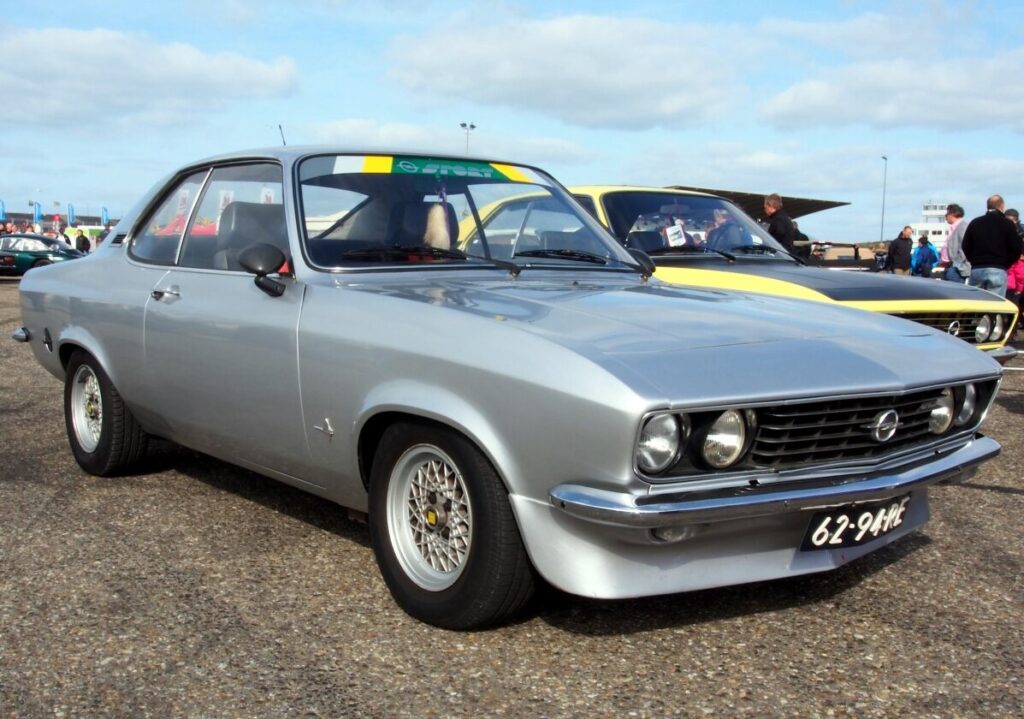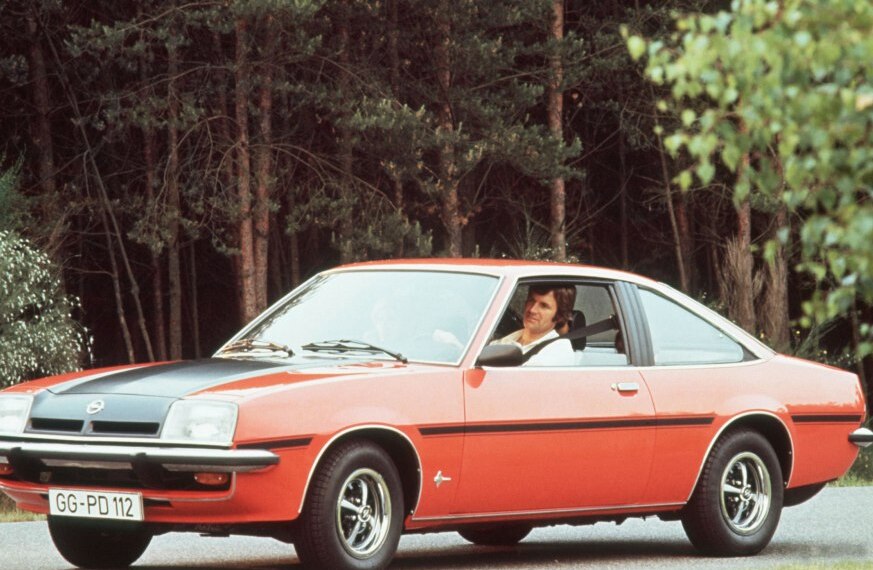
The Opel Manta B 1.3 S, produced between 1975 and 1981, represented an entry point into the second generation of Opel’s iconic Manta coupe. Positioned as a more affordable and fuel-conscious option within the Manta B range, it offered a blend of sporty styling and practical transportation. The Manta B, designated internally as the 1HX0, was a significant update over the original Manta A, featuring a more modern design and improved mechanicals. The 1.3 S variant, with its 75 horsepower engine, aimed to attract buyers seeking a stylish coupe without the higher costs associated with the larger, more powerful engine options.
Technical Specifications
| Brand | Opel |
| Model | Manta |
| Generation | Manta B |
| Type (Engine) | 1.3 S (75 Hp) |
| Start of production | 1975 |
| End of production | 1981 |
| Powertrain Architecture | Internal Combustion engine |
| Body type | Coupe |
| Seats | 4 |
| Doors | 2 |
| Fuel Type | Petrol (Gasoline) |
| Weight-to-power ratio | 14.2 kg/Hp, 70.4 Hp/tonne |
| Weight-to-torque ratio | 10.8 kg/Nm, 93 Nm/tonne |
| Power | 75 Hp @ 5800 rpm |
| Power per litre | 57.8 Hp/l |
| Torque | 99 Nm @ 3800-4600 rpm (73.02 lb.-ft. @ 3800-4600 rpm) |
| Engine layout | Front, Longitudinal |
| Engine Model/Code | 13S, 13SC |
| Engine displacement | 1297 cm3 (79.15 cu. in.) |
| Number of cylinders | 4 |
| Engine configuration | Inline |
| Cylinder Bore | 75 mm (2.95 in.) |
| Piston Stroke | 73.4 mm (2.89 in.) |
| Compression ratio | 9.2:1 |
| Number of valves per cylinder | 2 |
| Fuel injection system | Carburettor |
| Engine aspiration | Naturally aspirated engine |
| Valvetrain | SOHC |
| Engine oil capacity | 2.5 l (2.64 US qt | 2.2 UK qt) |
| Coolant | 5.8 l (6.13 US qt | 5.1 UK qt) |
| Kerb Weight | 1065 kg (2347.92 lbs.) |
| Trunk (boot) space – maximum | 490 l (17.3 cu. ft.) |
| Fuel tank capacity | 50 l (13.21 US gal | 11 UK gal) |
| Length | 4445 mm (175 in.) |
| Width | 1670 mm (65.75 in.) |
| Height | 1330 mm (52.36 in.) |
| Wheelbase | 2518 mm (99.13 in.) |
| Front track | 1375 mm (54.13 in.) |
| Rear (Back) track | 1375 mm (54.13 in.) |
| Minimum turning circle (turning diameter) | 10.5 m (34.45 ft.) |
| Drivetrain Architecture | The Internal combustion engine (ICE) drives the rear wheels of the vehicle. |
| Drive wheel | Rear wheel drive |
| Number of gears and type of gearbox | 4 gears, manual transmission |
| Front brakes | Disc |
| Rear brakes | Drum |
| Steering type | Steering rack and pinion |
Powertrain & Engine Architecture
The heart of the Manta B 1.3 S was the 13S or 13SC engine, a 1.3-liter inline four-cylinder unit. This engine utilized a single overhead camshaft (SOHC) valvetrain and was fed by a carburetor, a common setup for the time. The 13S engine produced 75 horsepower at 5800 rpm and 99 Nm (73 lb-ft) of torque between 3800 and 4600 rpm. The engine was mounted longitudinally in the front of the vehicle, driving the rear wheels. The four-speed manual transmission was the standard offering, providing a relatively simple and robust drivetrain. The engine’s design prioritized fuel efficiency and affordability over outright performance, making it a suitable choice for everyday driving.
Driving Characteristics
The 1.3 S Manta B offered a driving experience geared towards economy and usability. Acceleration was modest, with the 75 horsepower engine requiring careful use of the four-speed gearbox to maintain momentum. Compared to the more powerful 1.6-liter and 1.9-liter versions of the Manta B, the 1.3 S felt noticeably slower, particularly when fully loaded or tackling inclines. However, the rear-wheel-drive layout provided a degree of handling balance that was enjoyable on winding roads. The gear ratios were tuned for fuel economy, meaning the engine could feel strained at higher speeds. The relatively light weight of the vehicle (1065 kg) helped to mitigate the lack of power to some extent.
Equipment & Trim Levels
The 1.3 S trim level was considered the base model in the Manta B lineup. Standard features typically included cloth upholstery, basic instrumentation (speedometer, fuel gauge, temperature gauge), and a simple two-spoke steering wheel. Optional extras included a vinyl roof, upgraded audio systems, and tinted glass. The interior was functional and relatively spartan, reflecting the car’s affordable positioning. The dashboard layout was straightforward, with controls logically arranged for ease of use. The 1.3 S generally lacked the more luxurious appointments found in the higher-spec Manta B models.
Chassis & Braking
The Manta B 1.3 S utilized a relatively simple chassis design. The front suspension consisted of MacPherson struts, while the rear suspension employed a solid axle with leaf springs. This setup provided a comfortable ride, but it wasn’t particularly sophisticated in terms of handling. Braking was handled by disc brakes at the front and drum brakes at the rear. The braking system was adequate for normal driving conditions, but it lacked the stopping power of more modern systems. Stabilizer bars were often omitted on the base 1.3 S model, further contributing to a less sporty handling experience.
Market Reception & Comparison
The Opel Manta B 1.3 S was generally well-received as an affordable and stylish coupe. Critics acknowledged its attractive design and reasonable fuel economy. However, the 1.3-liter engine was often criticized for its lack of power, particularly when compared to the larger engine options available in the Manta B range. The 1.6-liter version offered a significant performance boost for a relatively small price increase, making it a popular alternative. The 1.9-liter models, including the fuel-injected versions, were aimed at buyers seeking more performance and refinement. The 1.3 S appealed to buyers who prioritized economy and style over outright speed.
Legacy
The Opel Manta B 1.3 S, while not the most powerful or desirable version of the Manta B, holds a place in automotive history as an accessible and stylish coupe of its era. The 13S engine proved to be relatively reliable, although carburetor maintenance was a regular requirement. Today, the Manta B 1.3 S is a sought-after classic car, particularly among enthusiasts who appreciate its simple design and affordable running costs. Well-maintained examples are becoming increasingly rare, and values have been steadily rising in recent years. The car represents a nostalgic reminder of a time when coupes were within reach of a wider range of buyers, and its enduring appeal lies in its blend of style, practicality, and affordability.