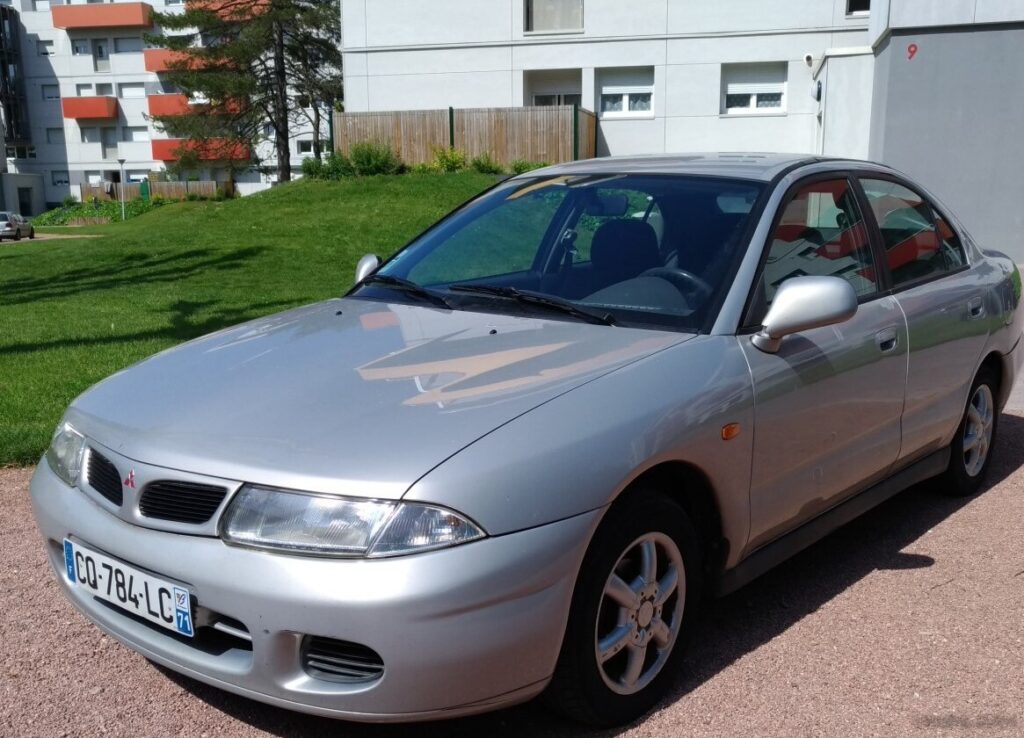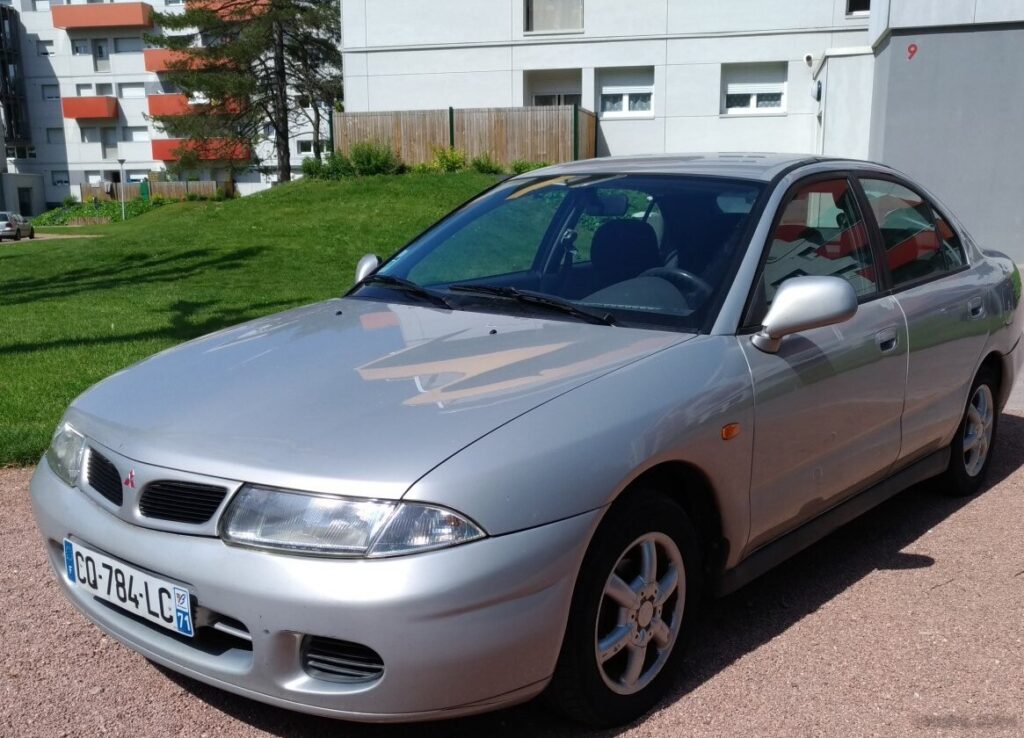
The Mitsubishi Carisma 1.8 16V GDI, produced between 1997 and 2000, represented a significant step forward for Mitsubishi’s compact offerings in the European market. Positioned as a mid-range trim within the Carisma hatchback lineup, it aimed to bridge the gap between the more economical base models and the higher-performance variants. The Carisma, internally designated as the DX2 series, was a collaborative effort with Chrysler (then DaimlerChrysler), sharing its platform with the Chrysler Neon and the later Dodge Stratus. This model year saw Mitsubishi attempting to establish a stronger foothold in the competitive C-segment, offering a blend of practicality, efficiency, and a touch of sporting character with its GDI engine.
Technical Specifications
| Brand | Mitsubishi |
| Model | Carisma |
| Generation | Carisma Hatchback |
| Type (Engine) | 1.8 16V GDI (125 Hp) |
| Start of production | 1997 |
| End of production | 2000 |
| Powertrain Architecture | Internal Combustion engine |
| Body type | Hatchback |
| Seats | 5 |
| Doors | 5 |
| Fuel consumption (urban) | 8.6 l/100 km (27.4 US mpg) |
| Fuel consumption (extra urban) | 5.2 l/100 km (45.2 US mpg) |
| Fuel Type | Petrol (Gasoline) |
| Acceleration 0 – 100 km/h | 9.4 sec |
| Acceleration 0 – 62 mph | 9.4 sec |
| Acceleration 0 – 60 mph | 8.9 sec |
| Maximum speed | 205 km/h (127.38 mph) |
| Weight-to-power ratio | 9.7 kg/Hp |
| Weight-to-torque ratio | 7 kg/Nm |
| Power | 125 Hp @ 5500 rpm |
| Torque | 174 Nm @ 3750 rpm (128.34 lb.-ft. @ 3750 rpm) |
| Engine layout | Front, Transverse |
| Engine displacement | 1834 cm3 (111.92 cu. in.) |
| Number of cylinders | 4 |
| Engine configuration | Inline |
| Cylinder Bore | 81 mm (3.19 in.) |
| Piston Stroke | 89 mm (3.5 in.) |
| Compression ratio | 12.5:1 |
| Number of valves per cylinder | 4 |
| Fuel injection system | Direct injection |
| Engine aspiration | Naturally aspirated engine |
| Valvetrain | DOHC |
| Kerb Weight | 1215 kg (2678.62 lbs.) |
| Max. weight | 1685 kg (3714.79 lbs.) |
| Max load | 470 kg (1036.17 lbs.) |
| Trunk (boot) space – minimum | 430 l (15.19 cu. ft.) |
| Trunk (boot) space – maximum | 660 l (23.31 cu. ft.) |
| Fuel tank capacity | 60 l (15.85 US gal) |
| Length | 4445 mm (175 in.) |
| Width | 1710 mm (67.32 in.) |
| Height | 1405 mm (55.31 in.) |
| Wheelbase | 2550 mm (100.39 in.) |
| Front track | 1455 mm (57.28 in.) |
| Rear track | 1475 mm (58.07 in.) |
| Drivetrain Architecture | Front wheel drive |
| Number of gears | 5 |
| Gearbox type | Manual transmission |
| Front suspension | Spring Strut |
| Rear suspension | Coil spring |
| Front brakes | Ventilated discs |
| Rear brakes | Drum |
| Assisting systems | ABS (Anti-lock braking system) |
| Steering type | Steering rack and pinion |
| Power steering | Hydraulic Steering |
| Tires size | 185/65 R14 |
| Wheel rims size | 5.5J x 15 ET 44-46; 6J x 15 ET 44-46 |
Powertrain & Engine Architecture
The heart of the Carisma 1.8 GDI was the 4G93 engine, a 1.8-liter inline-four cylinder powerplant. The “GDI” designation stands for Gasoline Direct Injection, a relatively new technology for the time. Unlike traditional multi-point fuel injection, GDI injects fuel directly into the combustion chamber, allowing for more precise fuel control, higher compression ratios (12.5:1 in this case), and improved fuel efficiency. This engine utilized a double overhead camshaft (DOHC) valvetrain with four valves per cylinder, contributing to its respectable power output of 125 horsepower at 5500 rpm and 174 Nm (128.34 lb-ft) of torque at 3750 rpm. The five-speed manual transmission was the standard offering, providing a reasonably engaging driving experience. The engine’s direct injection system was controlled by a sophisticated engine control unit (ECU) that monitored various parameters to optimize performance and emissions.
Driving Characteristics
The 1.8 GDI Carisma offered a noticeable step up in performance compared to the lower-displacement models. Acceleration to 60 mph was achieved in around 8.9 seconds, and it had a top speed of 127.38 mph. While not a sports car, the GDI engine provided sufficient power for comfortable highway cruising and overtaking maneuvers. The five-speed manual transmission allowed drivers to keep the engine in its optimal power band. Compared to the later 1.9 TDI diesel variant, the 1.8 GDI prioritized responsiveness and a more refined driving experience over outright fuel economy. The manual gearbox, while not particularly sporty, was light and precise. The suspension, tuned for comfort, provided a reasonably compliant ride, although it wasn’t as sharp or engaging as some of its rivals.
Equipment & Trim Levels
The 1.8 16V GDI trim typically included features such as power steering, central locking, electric front windows, and an AM/FM radio. Air conditioning was often an optional extra. Interior upholstery was typically cloth, with a relatively simple but functional dashboard layout. Higher-spec versions could be equipped with alloy wheels, a sunroof, and upgraded audio systems. The Carisma aimed for a balance between affordability and features, offering a competitive package in its segment. Safety features included ABS (Anti-lock Braking System) as standard, a notable inclusion for the time.
Chassis & Braking
The Carisma utilized a front-wheel-drive layout with a MacPherson strut suspension at the front and a coil spring suspension at the rear. The front brakes were ventilated discs, providing adequate stopping power, while the rear brakes were drums. This configuration was typical for cars in this class during the late 1990s. The chassis was designed to provide a comfortable ride and reasonable handling characteristics. Stabilizer bars were included to reduce body roll during cornering, but the overall setup was geared more towards everyday usability than outright performance.
Market Reception & Comparison
The Mitsubishi Carisma 1.8 GDI was generally well-received by automotive critics. It was praised for its refined engine, good fuel economy (45.2 US mpg on the extra urban cycle), and comfortable ride. However, some reviewers noted that the interior styling was somewhat bland and that the handling wasn’t as engaging as some of its rivals, such as the Ford Focus or the Volkswagen Golf. Compared to the 1.6-liter base models, the 1.8 GDI offered a significant performance boost, making it a more appealing option for drivers who prioritized driving enjoyment. The 1.9 TDI diesel variant offered superior fuel economy but lacked the responsiveness of the GDI engine.
Legacy
The Mitsubishi Carisma, while not a runaway success, played an important role in Mitsubishi’s European strategy. The 1.8 GDI engine proved to be relatively reliable, although the direct injection system could require more specialized maintenance than traditional fuel injection systems. Today, well-maintained examples of the Carisma 1.8 GDI are becoming increasingly rare. They are often sought after by enthusiasts who appreciate their unique combination of technology and practicality. The GDI engine, while not without its quirks, represented a significant step forward in engine technology and paved the way for future developments in direct injection systems. The Carisma remains a testament to Mitsubishi’s engineering capabilities and its commitment to innovation.