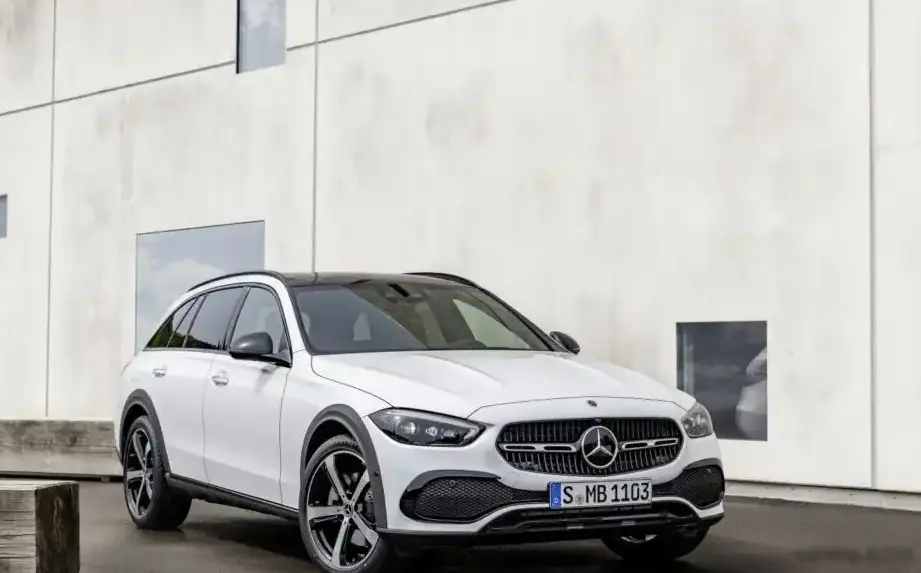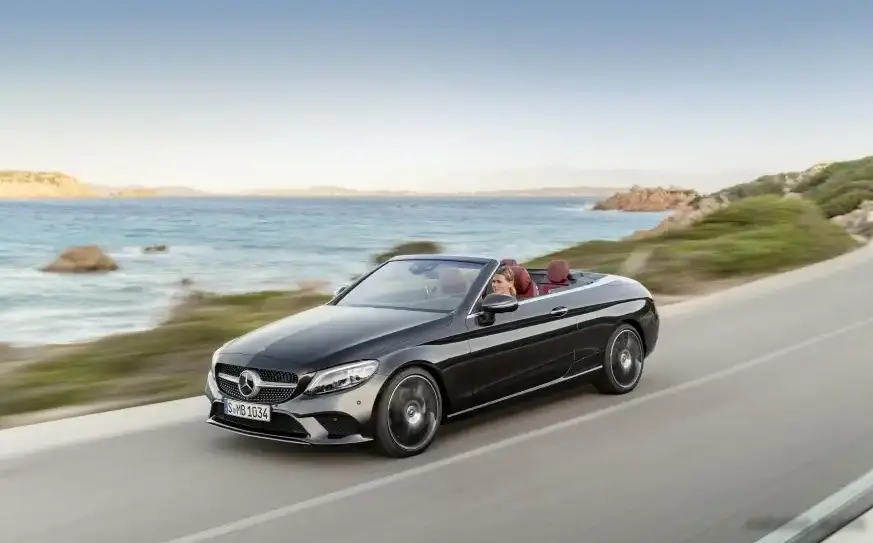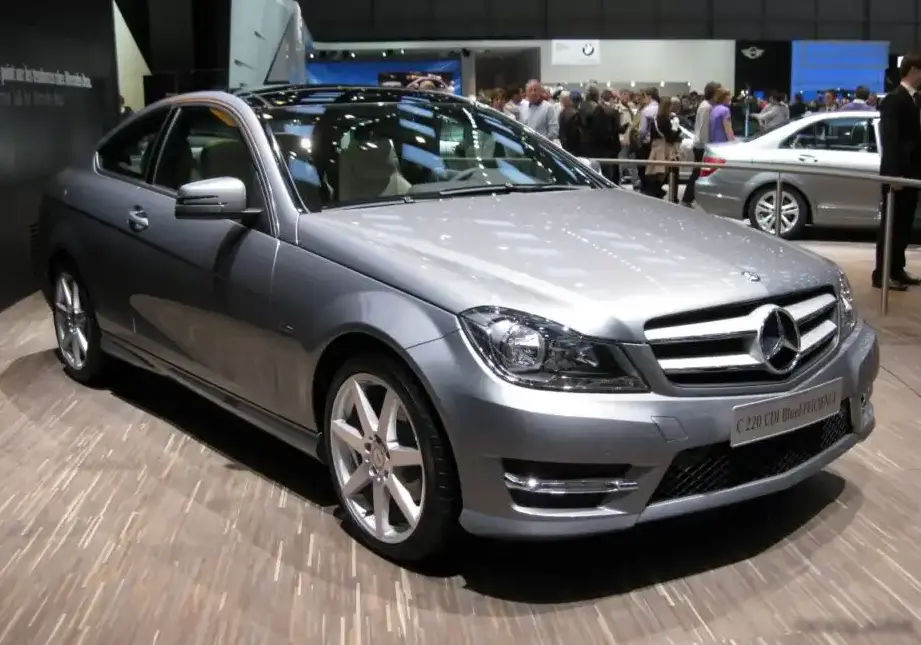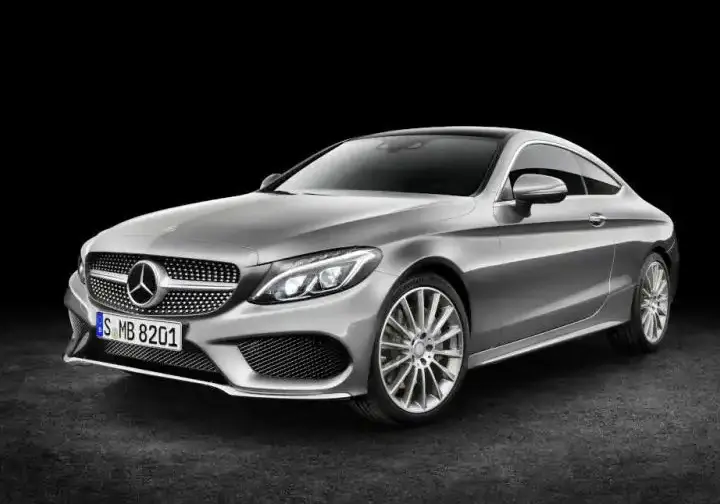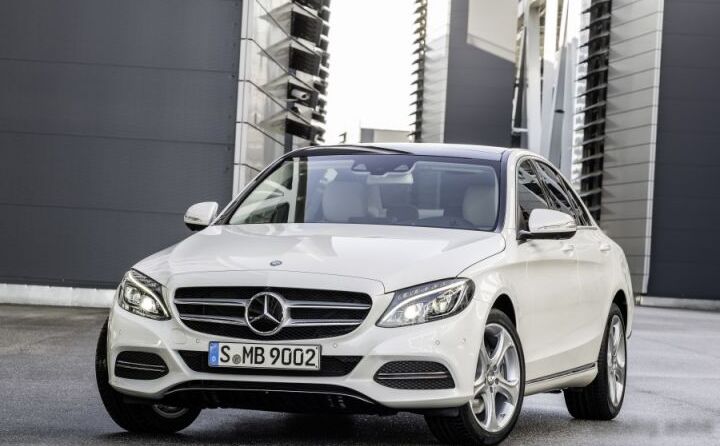
The Mercedes-Benz C 200 4MATIC, produced between 2015 and 2016 as part of the W205 C-Class generation, represented a key entry point into the premium compact executive car segment for Mercedes-Benz in many global markets. Positioned as a mid-range offering within the W205 lineup, it bridged the gap between the base C 180 and the more performance-oriented C 250 and C 300 models. This variant combined a turbocharged four-cylinder engine with a seven-speed automatic transmission and Mercedes’ 4MATIC all-wheel-drive system, offering a balance of efficiency, comfort, and all-weather capability. The W205 C-Class as a whole aimed to elevate the standard for the segment, focusing on interior quality, advanced technology, and a more dynamic driving experience than its predecessor.
Technical Specifications
| Brand | Mercedes-Benz |
| Model | C-class |
| Generation | C-class (W205) |
| Type | C 200 (184 Hp) 4MATIC 7G-TRONIC PLUS |
| Start of production | 2015 |
| End of production | 2016 |
| Powertrain Architecture | Internal Combustion engine |
| Body type | Sedan |
| Seats | 5 |
| Doors | 4 |
| Fuel consumption (urban) | 7.6-7.3 l/100 km (30.9 – 32.2 US mpg) |
| Fuel consumption (extra urban) | 5.8-5.3 l/100 km (40.6 – 44.4 US mpg) |
| Fuel consumption (combined) | 6.5-6.1 l/100 km (36.2 – 38.6 US mpg) |
| CO2 emissions | 151-141 g/km |
| Fuel Type | Petrol (Gasoline) |
| Acceleration 0 – 100 km/h | 7.6 sec |
| Acceleration 0 – 62 mph | 7.6 sec |
| Acceleration 0 – 60 mph | 7.2 sec |
| Maximum speed | 229 km/h (142.29 mph) |
| Emission standard | Euro 6 |
| Weight-to-power ratio | 8 kg/Hp |
| Weight-to-torque ratio | 4.9 kg/Nm |
| Power | 184 Hp @ 5500 rpm |
| Torque | 300 Nm @ 1200-4000 rpm (221.27 lb.-ft. @ 1200-4000 rpm) |
| Engine layout | Front, Longitudinal |
| Engine Model/Code | M 274.920 |
| Engine displacement | 1991 cm3 (121.5 cu. in.) |
| Number of cylinders | 4 |
| Engine configuration | Inline |
| Compression ratio | 9.8:1 |
| Fuel injection system | Direct injection |
| Engine aspiration | Turbocharger, Intercooler |
| Engine oil capacity | 6.5 l (6.87 US qt | 5.72 UK qt) |
| Coolant | 9 l (9.51 US qt | 7.92 UK qt) |
| Kerb Weight | 1470 kg (3240.8 lbs.) |
| Max. weight | 2110 kg (4651.75 lbs.) |
| Max load | 640 kg (1410.96 lbs.) |
| Trunk (boot) space – minimum | 480 l (16.95 cu. ft.) |
| Fuel tank capacity | 41 l (10.83 US gal | 9.02 UK gal) |
| Max. roof load | 75 kg (165.35 lbs.) |
| Permitted trailer load with brakes (12%) | 1800 kg (3968.32 lbs.) |
| Permitted trailer load without brakes | 750 kg (1653.47 lbs.) |
| Length | 4686 mm (184.49 in.) |
| Width | 1810 mm (71.26 in.) |
| Width including mirrors | 2020 mm (79.53 in.) |
| Height | 1442 mm (56.77 in.) |
| Wheelbase | 2840 mm (111.81 in.) |
| Front track | 1588 mm (62.52 in.) |
| Rear (Back) track | 1570 mm (61.81 in.) |
| Front overhang | 790 mm (31.1 in.) |
| Rear overhang | 1056 mm (41.57 in.) |
| Drag coefficient (Cd) | 0.27 |
| Minimum turning circle (turning diameter) | 11.45 m (37.57 ft.) |
| Drive wheel | All wheel drive (4×4) |
| Number of gears and type of gearbox | 7 gears, automatic transmission G-TRONIC PLUS |
| Front suspension | Independent multi-link suspension |
| Rear suspension | Independent multi-link suspension |
| Front brakes | Ventilated discs |
| Rear brakes | Disc |
Powertrain & Engine Architecture
The C 200 4MATIC utilized Mercedes-Benz’s M274.920 2.0-liter inline-four cylinder engine. This engine featured direct fuel injection and a single twin-scroll turbocharger with an intercooler. The M274 engine family was designed for modularity and efficiency, incorporating features like a spray-guided combustion process and a high compression ratio of 9.8:1. The engine produced 184 horsepower at 5,500 rpm and 300 Nm (221 lb-ft) of torque available from a low 1,200 rpm to 4,000 rpm. This broad torque curve, combined with the 7G-TRONIC PLUS seven-speed automatic transmission, aimed to provide responsive acceleration and smooth gear changes. The 7G-TRONIC PLUS transmission was known for its efficiency and ability to adapt to driving conditions, offering both comfort and sport modes. The 4MATIC system employed a multi-plate clutch to distribute torque between the front and rear axles, enhancing traction and stability, particularly in adverse weather conditions.
Driving Characteristics
The C 200 4MATIC offered a comfortable and refined driving experience. While not as overtly sporty as the C 250 or C 300, the 184 hp engine and 7G-TRONIC PLUS transmission provided adequate performance for everyday driving. Acceleration from 0 to 60 mph took approximately 7.2 seconds. The automatic transmission’s gear ratios were tuned for fuel efficiency and smooth transitions, rather than aggressive downshifts. Compared to the manual transmission options available on other C-Class models, the automatic prioritized ease of use and comfort. The 4MATIC all-wheel-drive system provided enhanced grip and stability, particularly on slippery surfaces, making it a practical choice for drivers in regions with inclement weather. The steering was precise and well-weighted, contributing to a confident feel behind the wheel.
Equipment & Trim Levels
The C 200 4MATIC typically came standard with features such as automatic climate control, a multi-function steering wheel, power-adjustable front seats, and a high-resolution infotainment display. Interior upholstery was generally a combination of Artico leatherette and fabric. Optional extras included leather upholstery, a panoramic sunroof, a premium sound system, and various driver-assistance systems like lane keeping assist and blind spot monitoring. The trim level could be further enhanced with packages offering additional features and cosmetic upgrades. The overall interior design emphasized luxury and modernity, with high-quality materials and a clean, uncluttered layout.
Chassis & Braking
The W205 C-Class featured an independent multi-link suspension at both the front and rear axles. This suspension design provided a good balance between ride comfort and handling precision. The C 200 4MATIC was equipped with ventilated disc brakes at the front and solid disc brakes at the rear. Anti-lock braking system (ABS) and electronic stability control (ESC) were standard safety features. The suspension tuning was generally geared towards comfort, with a focus on absorbing bumps and providing a smooth ride. The 4MATIC system added to the vehicle’s stability by distributing torque to all four wheels, reducing the likelihood of wheelspin and improving cornering grip.
Market Reception & Comparison
The C 200 4MATIC was generally well-received by automotive critics as a practical and well-rounded option within the C-Class range. It offered a good balance of performance, fuel economy, and all-weather capability. Compared to the C 180, the C 200 provided a noticeable increase in power and torque, resulting in more responsive acceleration. Compared to the higher-output C 250 and C 300 models, the C 200 was more fuel-efficient and offered a lower price point. Fuel economy figures were competitive for the segment, with combined fuel consumption ranging from 6.1 to 6.5 liters per 100 kilometers (36.2 to 38.6 US mpg). Reliability reports generally indicated good long-term dependability, although routine maintenance was essential to ensure optimal performance.
Legacy
The C 200 4MATIC (W205) has proven to be a relatively reliable vehicle in the used car market. The M274 engine, while not without its potential issues (such as occasional oil consumption), is generally considered durable when properly maintained. The 7G-TRONIC PLUS transmission is also known for its longevity. The 4MATIC system continues to be a desirable feature for buyers seeking all-weather capability. Today, these vehicles represent a good value proposition for those seeking a comfortable, well-equipped, and relatively affordable entry into the Mercedes-Benz brand. Regular maintenance, including oil changes and transmission servicing, is crucial to preserving the long-term reliability of this powertrain.