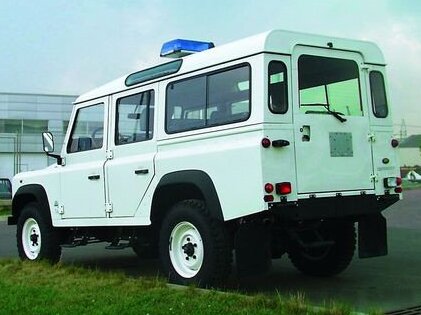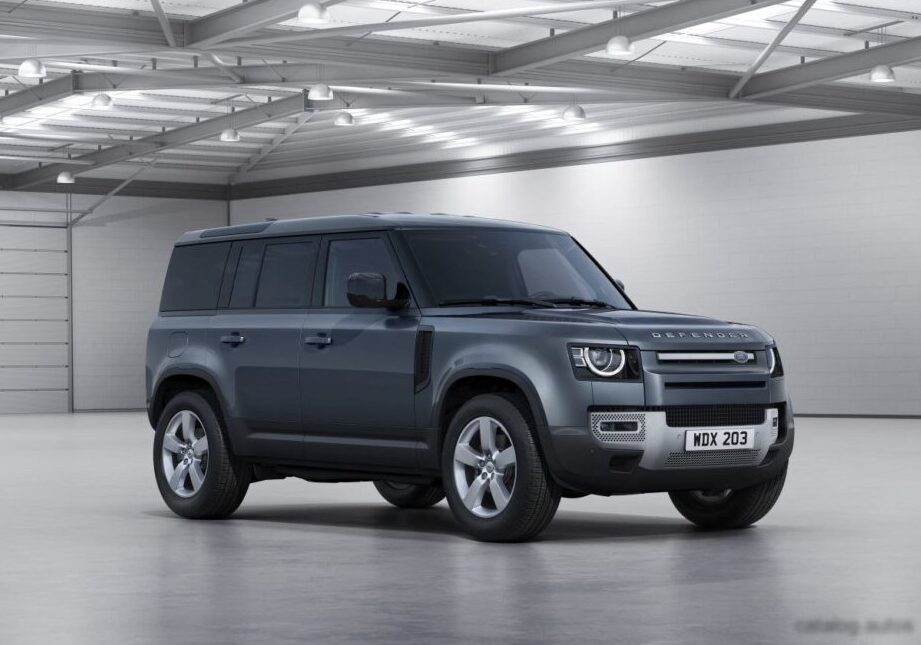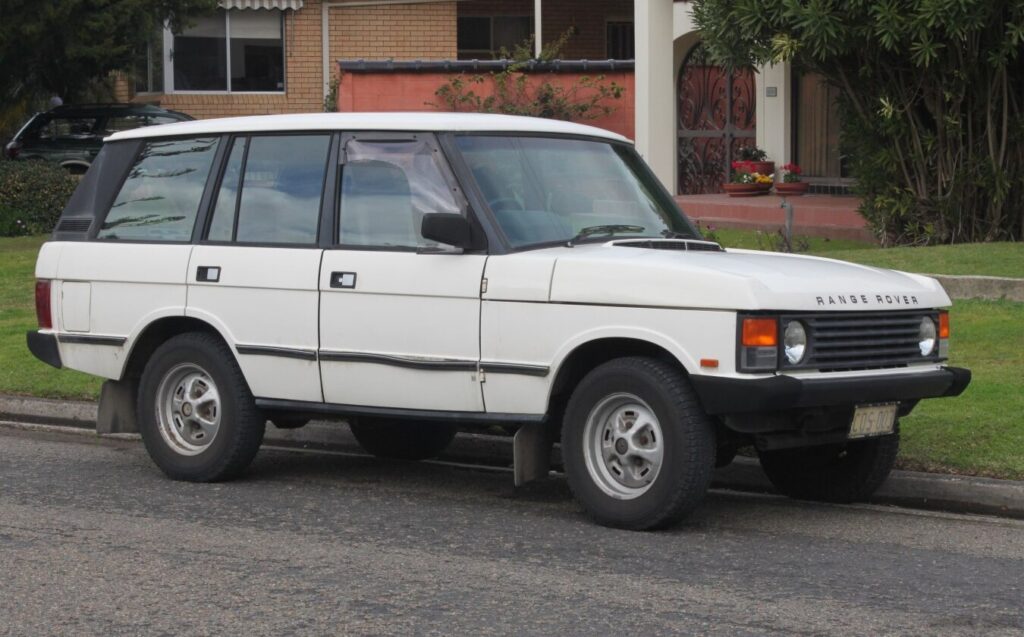
The Land Rover Range Rover I 4.3 Vogue LSE, produced between 1992 and 1994, represented the pinnacle of luxury and off-road capability within the first generation (1970-1994) of the iconic Range Rover. Positioned as the top-of-the-line trim, the “LSE” (Luxury Sedan Estate) offered a more refined experience than the base models, boasting enhanced interior appointments and a more powerful engine. This variant played a crucial role in solidifying the Range Rover’s reputation as a status symbol and a highly capable all-terrain vehicle, particularly in the European and North American markets. It was a key model in establishing Land Rover’s presence in the premium SUV segment.
Technical Specifications
| Brand | Land Rover |
| Model | Range Rover |
| Generation | Range Rover I |
| Type | 4.3 Vogue LSE (202 Hp) |
| Start of production | 1992 |
| End of production | 1994 |
| Powertrain Architecture | Internal Combustion engine |
| Body type | SUV |
| Seats | 5 |
| Doors | 4 |
| Fuel consumption (urban) | 21.6 l/100 km (10.9 US mpg, 13.1 UK mpg, 4.6 km/l) |
| Fuel consumption (extra urban) | 11.7 l/100 km (20.1 US mpg, 24.1 UK mpg, 8.5 km/l) |
| Fuel consumption (combined) | 15.1 l/100 km (15.6 US mpg, 18.7 UK mpg, 6.6 km/l) |
| Fuel Type | Petrol (Gasoline) |
| Acceleration 0 – 100 km/h | 10.5 sec |
| Acceleration 0 – 62 mph | 10.5 sec |
| Acceleration 0 – 60 mph | 10 sec |
| Maximum speed | 180 km/h (111.85 mph) |
| Weight-to-power ratio | 10.3 kg/Hp, 97.3 Hp/tonne |
| Weight-to-torque ratio | 13.9 kg/Nm, 71.8 Nm/tonne |
| Power | 202 Hp @ 4850 rpm |
| Power per litre | 47.3 Hp/l |
| Torque | 149 Nm @ 3250 rpm (109.9 lb.-ft. @ 3250 rpm) |
| Engine layout | Front, Longitudinal |
| Engine displacement | 4273 cm3 (260.75 cu. in.) |
| Number of cylinders | 8 |
| Engine configuration | V-engine |
| Cylinder Bore | 93.98 mm (3.7 in.) |
| Piston Stroke | 77 mm (3.03 in.) |
| Compression ratio | 8.95:1 |
| Number of valves per cylinder | 2 |
| Fuel injection system | Multi-port manifold injection |
| Engine aspiration | Naturally aspirated engine |
| Kerb Weight | 2075 kg (4574.59 lbs.) |
| Max. weight | 2620 kg (5776.11 lbs.) |
| Max load | 545 kg (1201.52 lbs.) |
| Trunk (boot) space – minimum | 1020 l (36.02 cu. ft.) |
| Trunk (boot) space – maximum | 2000 l (70.63 cu. ft.) |
| Fuel tank capacity | 82 l (21.66 US gal | 18.04 UK gal) |
| Length | 4449 mm (175.16 in.) |
| Width | 1818 mm (71.57 in.) |
| Height | 1790 mm (70.47 in.) |
| Wheelbase | 2540 mm (100 in.) |
| Front track | 1486 mm (58.5 in.) |
| Rear (Back) track | 1486 mm (58.5 in.) |
| Drive wheel | All wheel drive (4×4) |
| Number of gears and type of gearbox | 5 gears, manual transmission |
| Front suspension | Coil spring |
| Rear suspension | Coil spring |
| Front brakes | Ventilated discs |
| Rear brakes | Disc |
| Assisting systems | ABS (Anti-lock braking system), Hydraulic Steering |
| Tires size | 205/80 R16 |
Powertrain & Engine Architecture
The heart of the 4.3 Vogue LSE was the Rover V8 engine, specifically the 4.3-liter (4273 cc) version. This engine, derived from the original Buick-designed V8, had undergone significant development by Rover over the years. The LSE variant produced 202 horsepower at 4850 rpm and 149 Nm (109.9 lb-ft) of torque at 3250 rpm. It featured a naturally aspirated configuration with multi-port fuel injection, contributing to its relatively smooth power delivery. The engine’s 8.95:1 compression ratio was a compromise between performance and the fuel quality available at the time. The engine was mounted longitudinally in the chassis. The five-speed manual transmission was standard, offering drivers full control over the engine’s power. While an automatic transmission was available as an option, the manual was favored by enthusiasts for its responsiveness.
Driving Characteristics
The 4.3 Vogue LSE offered a compelling blend of performance and refinement. While not overtly sporty, the V8 engine provided ample power for comfortable cruising and confident overtaking. The 0-60 mph time of around 10 seconds was respectable for the early 1990s, especially considering the vehicle’s substantial weight. The manual transmission allowed for precise gear selection, maximizing the engine’s torque and providing a more engaging driving experience compared to the automatic option. The Range Rover’s renowned four-wheel-drive system ensured excellent traction in a variety of conditions, making it equally at home on paved roads and challenging off-road terrain. The suspension, tuned for comfort, absorbed bumps effectively, providing a smooth and composed ride.
Equipment & Trim Levels
The “Vogue LSE” trim level signified a significant step up in luxury compared to the base Range Rover models. Standard features included leather upholstery, wood trim, electric windows and mirrors, central locking, and a premium sound system. The LSE also featured upgraded exterior trim, including unique alloy wheels and body-colored bumpers. Optional extras included a sunroof, heated seats, and a more advanced audio system. The interior was designed to provide a comfortable and luxurious environment for both driver and passengers, reflecting the Range Rover’s status as a premium vehicle.
Chassis & Braking
The Range Rover I utilized a robust body-on-frame construction, providing excellent strength and durability. The suspension consisted of coil springs all around, offering a comfortable ride and good off-road articulation. The front brakes were ventilated discs, providing ample stopping power, while the rear brakes were solid discs. Anti-lock braking system (ABS) was standard, enhancing safety and control during emergency braking. The steering was hydraulic, making the vehicle relatively easy to maneuver despite its size and weight. The chassis was designed to handle both on-road comfort and demanding off-road conditions.
Market Reception & Comparison
The Range Rover I 4.3 Vogue LSE was generally well-received by critics and buyers alike. It was praised for its luxurious interior, powerful engine, and exceptional off-road capability. Compared to the base Range Rover models, the LSE offered a more refined and upscale experience. Compared to other luxury SUVs of the time, such as the Jeep Grand Cherokee, the Range Rover offered a more sophisticated and capable all-terrain package. Fuel economy, however, was a significant drawback, with combined fuel consumption averaging around 15.1 l/100 km (15.6 US mpg). The higher price tag also limited its appeal to a more affluent clientele.
Legacy
The Range Rover I 4.3 Vogue LSE remains a highly sought-after classic vehicle today. The Rover V8 engine, while known for its potential maintenance needs, is generally considered reliable when properly maintained. Parts availability can be a challenge, but a dedicated community of enthusiasts ensures that support and expertise are readily available. Well-maintained examples command high prices in the used car market, reflecting their enduring appeal and status as a landmark vehicle in automotive history. The 4.3 Vogue LSE represents a high point in the first generation Range Rover’s evolution, embodying the brand’s commitment to luxury, performance, and off-road capability.