
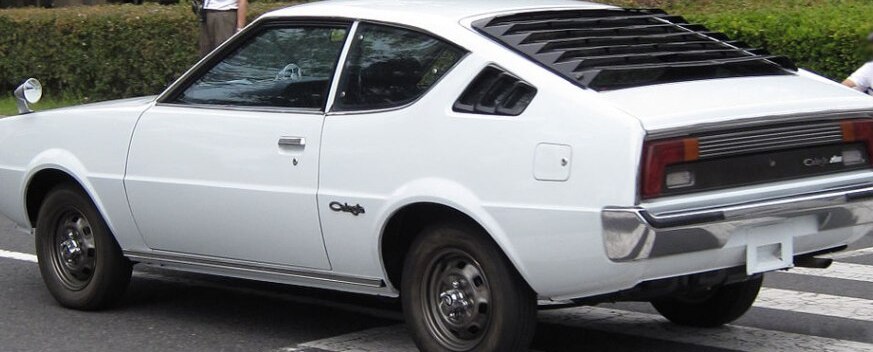
The Mitsubishi Celeste (A7_), specifically the 2.0 GSR (A78) variant producing 97 horsepower, represents a significant entry in Mitsubishi’s early foray into the sporty coupe market. Produced between 1977 and 1981, the A7_ Celeste was a direct response to the growing demand for affordable, stylish, and relatively high-performance vehicles, particularly in Japan and export markets. This model occupied a middle ground within the Celeste lineup, offering a balance between performance and practicality, appealing to buyers who desired a step up from the base models but didn’t require the full performance of the later, more powerful versions. The Celeste, in general, aimed to compete with vehicles like the Toyota Celica and Honda Accord, offering a distinctive Mitsubishi design and engineering approach.
Technical Specifications
| Brand | Mitsubishi |
| Model | Celeste |
| Generation | Celeste (A7_) |
| Type (Engine) | 2.0 GSR (A78) (97 Hp) |
| Start of production | 1977 |
| End of production | 1981 |
| Powertrain Architecture | Internal Combustion engine |
| Body type | Coupe, Hatchback |
| Fuel Type | Petrol (Gasoline) |
| Power | 97 Hp |
| Engine aspiration | Naturally aspirated engine |
Powertrain & Engine Architecture
The 2.0 GSR (A78) Celeste was powered by Mitsubishi’s 4G32 engine, a 1,991 cc inline-four cylinder gasoline engine. This engine featured a single overhead camshaft (SOHC) valvetrain, operating two valves per cylinder. While not a particularly advanced design by modern standards, the 4G32 was known for its relative durability and ease of maintenance. Fuel delivery was managed by a Mikuni-Solex carburetor, a common setup for Japanese vehicles of this era. The 97 horsepower output was achieved at 5,800 rpm, with peak torque of approximately 138 lb-ft at 3,200 rpm. The engine’s design prioritized smooth power delivery over outright peak performance.
The transmission paired with the 4G32 in the 2.0 GSR was a three-speed automatic. This automatic transmission, while providing convenience, was a key differentiator from the more performance-oriented manual transmission options available in other Celeste trims. The automatic’s gear ratios were tuned for comfortable cruising and reasonable acceleration, but it did detract from the overall sporting character of the vehicle compared to its manual counterparts. The automatic transmission was a popular choice for buyers prioritizing ease of use, particularly in urban environments.
Driving Characteristics
The 1977-1981 Mitsubishi Celeste 2.0 GSR with the automatic transmission offered a comfortable and predictable driving experience. Acceleration was adequate for the time, with a 0-60 mph time estimated around 12-13 seconds. The automatic transmission, while smooth, did result in some power loss compared to the manual versions. The gear ratios were spaced to favor mid-range torque, making it suitable for everyday driving and highway cruising. However, it lacked the responsiveness and driver engagement of a manual gearbox. The suspension, consisting of MacPherson struts in the front and a solid axle with leaf springs in the rear, provided a reasonably comfortable ride, although it wasn’t particularly sporty. Handling was generally considered safe and predictable, but not exceptionally sharp. The car’s weight distribution, combined with the relatively soft suspension setup, contributed to a noticeable degree of body roll during cornering.
Equipment & Trim Levels
The 2.0 GSR trim level represented a mid-range offering within the Celeste lineup. Standard equipment typically included cloth upholstery, a basic AM/FM radio, and a steering wheel. The interior design was functional and relatively simple, reflecting the car’s overall affordability. Optional extras included upgraded audio systems, air conditioning, and power windows. The GSR trim also featured some exterior enhancements, such as chrome trim and slightly more stylish wheel covers, compared to the base models. The dashboard layout was straightforward, with clearly marked gauges for speed, fuel level, and engine temperature. Interior color schemes were typically conservative, with options like brown, beige, and dark blue.
Chassis & Braking
The Celeste A7_ utilized a body-on-frame construction, which was common for vehicles of this era. This construction method contributed to the car’s relatively robust build quality but also added to its overall weight. The front suspension employed MacPherson struts, while the rear suspension utilized a solid axle with leaf springs. This setup provided a comfortable ride but wasn’t known for its sophisticated handling characteristics. Braking duties were handled by disc brakes in the front and drum brakes in the rear. The braking system was adequate for normal driving conditions, but it lacked the stopping power and fade resistance of more modern braking systems. A stabilizer bar was included in the front suspension to reduce body roll during cornering, but it wasn’t particularly effective.
Market Reception & Comparison
The Mitsubishi Celeste 2.0 GSR (A78) was generally well-received in its target market. Critics praised its stylish design, comfortable ride, and relatively affordable price. However, the automatic transmission was often criticized for detracting from the car’s sporting potential. Compared to the manual transmission versions of the Celeste, the 2.0 GSR automatic offered less engaging driving experience. Fuel economy was reasonable for the time, averaging around 22-25 mpg in mixed driving conditions. Reliability was generally good, although some owners reported issues with the carburetor and the automatic transmission over the long term. The Celeste competed directly with vehicles like the Toyota Celica and Honda Accord, offering a similar level of performance and features at a comparable price point.
Legacy
The Mitsubishi Celeste A7_ holds a nostalgic place in the hearts of many automotive enthusiasts, particularly those who appreciate classic Japanese cars. The 2.0 GSR (A78) variant, while not the most sought-after trim level, remains a relatively affordable and accessible entry point into the Celeste ownership experience. The 4G32 engine, while not particularly powerful, is known for its durability and ease of maintenance. The automatic transmission, while not ideal for performance enthusiasts, provides a comfortable and convenient driving experience. Today, well-maintained examples of the Celeste A7_ are becoming increasingly collectible, particularly those with original features and low mileage. The car’s simple design and robust construction make it a relatively easy vehicle to restore and maintain, ensuring its continued presence on the roads for years to come. The Celeste represents a pivotal moment in Mitsubishi’s history, showcasing the company’s ability to produce stylish, affordable, and reliable vehicles that appealed to a broad range of buyers.
