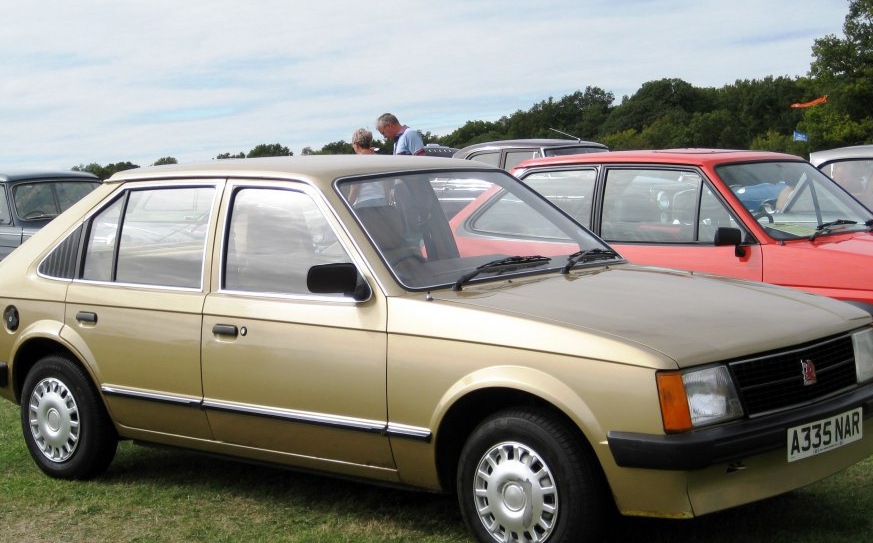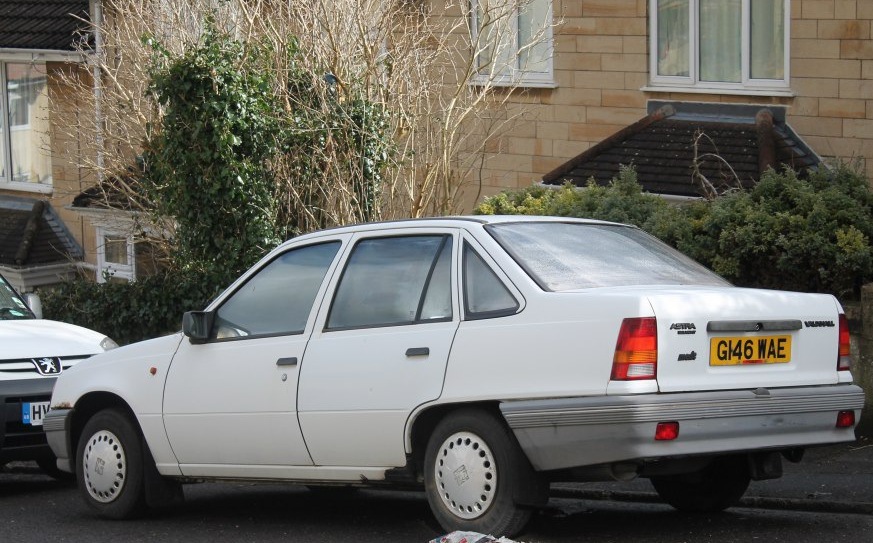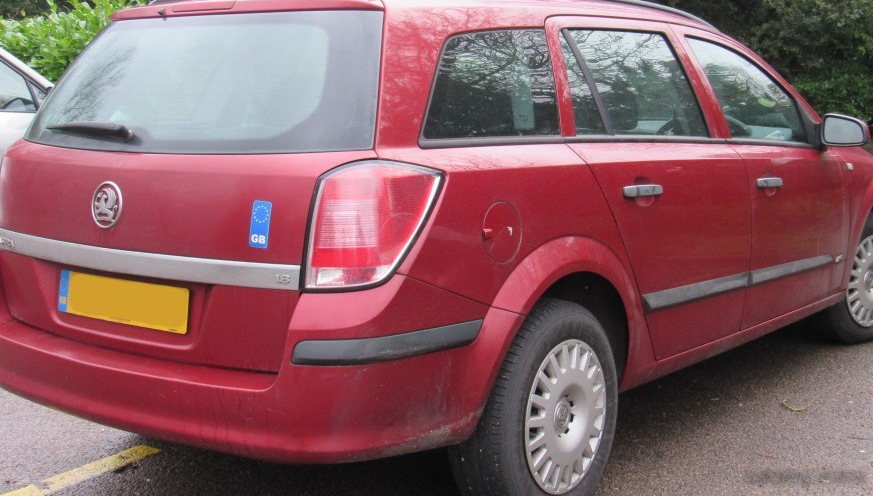
The Vauxhall Astra Mk V Estate 1.8 (125 hp) Automatic, produced between 2004 and 2011, represented a practical and relatively affordable option within the broader Astra Mk V range. Positioned as a mid-range trim, it catered to buyers seeking the versatility of a station wagon with the convenience of an automatic transmission. This variant was part of the H-series Astra, built on the GM Delta platform, and aimed to provide a balance between fuel economy, practicality, and comfort for family use in the United Kingdom and European markets. It offered a step up from the base models, while remaining more accessible than the higher-performance or diesel-powered versions.
Technical Specifications
| Brand | Vauxhall |
| Model | Astra |
| Generation | Astra Mk V Estate |
| Type (Engine) | 1.8 (125 Hp) Automatic |
| Start of production | 2004 |
| End of production | 2011 |
| Powertrain Architecture | Internal Combustion engine |
| Body type | Station wagon (estate) |
| Seats | 5 |
| Doors | 5 |
| Fuel consumption (urban) | 11.4 l/100 km (20.6 US mpg) |
| Fuel consumption (extra urban) | 6.3 l/100 km (37.3 US mpg) |
| Fuel consumption (combined) | 8.2 l/100 km (28.7 US mpg) |
| CO2 emissions | 197 g/km |
| Fuel Type | Petrol (Gasoline) |
| Acceleration 0 – 100 km/h | 12.2 sec |
| Acceleration 0 – 62 mph | 12.2 sec |
| Acceleration 0 – 60 mph | 11.6 sec |
| Maximum speed | 180 km/h (111.85 mph) |
| Weight-to-power ratio | 10.2 kg/Hp |
| Weight-to-torque ratio | 7.5 kg/Nm |
| Power | 125 Hp @ 5600 rpm |
| Torque | 169 Nm @ 3800 rpm (124.65 lb.-ft. @ 3800 rpm) |
| Engine layout | Front, Transverse |
| Engine Model/Code | Z18XE |
| Engine displacement | 1796 cm3 (109.6 cu. in.) |
| Number of cylinders | 4 |
| Engine configuration | Inline |
| Fuel injection system | Multi-port manifold injection |
| Engine aspiration | Naturally aspirated |
| Engine oil capacity | 4.25 l (4.49 US qt | 3.74 UK qt) |
| Coolant capacity | 6.5 l (6.87 US qt | 5.72 UK qt) |
| Kerb Weight | 1270 kg (2799.87 lbs.) |
| Max. weight | 1850 kg (4078.55 lbs.) |
| Max load | 580 kg (1278.68 lbs.) |
| Trunk (boot) space – minimum | 500 l (17.66 cu. ft.) |
| Fuel tank capacity | 52 l (13.74 US gal | 11.44 UK gal) |
| Length | 4515 mm (177.76 in.) |
| Width | 1753 mm (69.02 in.) |
| Width including mirrors | 2033 mm (80.04 in.) |
| Height | 1496 mm (58.9 in.) |
| Wheelbase | 2703 mm (106.42 in.) |
| Front track | 1488 mm (58.58 in.) |
| Rear track | 1488 mm (58.58 in.) |
| Front overhang | 871 mm (34.29 in.) |
| Rear overhang | 941 mm (37.05 in.) |
| Ride height (ground clearance) | 140 mm (5.51 in.) |
| Drag coefficient (Cd) | 0.32 |
| Drivetrain Architecture | Front wheel drive |
| Number of gears and type of gearbox | 4 gears, automatic transmission |
| Front brakes | Ventilated discs |
| Rear brakes | Disc |
| Tires size | 195/65 R15 |
| Wheel rims size | 15 |
Powertrain & Engine Architecture
The heart of the Astra Mk V Estate 1.8 Automatic is the Z18XE engine, a 1.8-liter (1796 cc) inline-four cylinder petrol engine. This engine is a member of Vauxhall/Opel’s ‘Ecotec’ family, known for its relatively lightweight construction and focus on efficiency. The Z18XE utilizes a multi-port fuel injection system, delivering fuel directly into the intake ports, and features a dual overhead camshaft (DOHC) valvetrain with two valves per cylinder. The engine produces 125 horsepower at 5600 rpm and 169 Nm (124.65 lb-ft) of torque at 3800 rpm. Paired with this engine is a four-speed automatic transmission, providing smooth, if not particularly sporty, gear changes. This transmission was a common choice for drivers prioritizing convenience over outright performance.
Driving Characteristics
The 1.8-liter engine and four-speed automatic combination delivered adequate, but not exhilarating, performance. Acceleration from 0-60 mph took around 11.6 to 12.2 seconds, and top speed was limited to 111.85 mph. The automatic transmission, while offering ease of use, did result in some power loss compared to the available five-speed manual gearbox. Gear ratios were tuned for fuel economy and comfortable cruising rather than aggressive acceleration. In real-world driving, the car felt competent for everyday tasks like commuting and family trips, but lacked the punch needed for spirited driving or overtaking maneuvers. The automatic transmission could sometimes feel sluggish when downshifting, particularly when needing to quickly accelerate.
Equipment & Trim Levels
The 1.8 Automatic Estate typically came equipped with features such as air conditioning, electric front windows, central locking, and an integrated stereo system. Higher trim levels, often denoted by ‘SE’ or ‘SRi’ designations, added features like alloy wheels, upgraded interior trim, and additional safety equipment. Optional extras included a sunroof, parking sensors, and upgraded audio systems. Interior upholstery was generally cloth, with higher trims offering partial leather options. The dashboard layout was functional and straightforward, typical of Vauxhall/Opel designs of the period.
Chassis & Braking
The Astra Mk V Estate featured a MacPherson strut front suspension and a torsion beam rear suspension. This setup provided a reasonable balance between ride comfort and handling. Braking duties were handled by ventilated discs on the front wheels and solid discs on the rear. The braking system was adequate for normal driving conditions, but lacked the stopping power of more performance-oriented trims. Stabilizer bars were fitted to both the front and rear axles to reduce body roll during cornering.
Market Reception & Comparison
The Astra Mk V Estate 1.8 Automatic was generally well-received as a practical and affordable family car. Critics praised its spacious interior, comfortable ride, and reasonable fuel economy (around 28.7 US mpg combined). However, the automatic transmission was often criticized for being somewhat dated and lacking the responsiveness of more modern gearboxes. Compared to the 1.6-liter base model, the 1.8 offered a noticeable performance improvement. In contrast to the more powerful 2.0-liter turbo or diesel variants, the 1.8 Automatic prioritized fuel efficiency and affordability over outright performance. The diesel models, particularly the 1.9 CDTi, offered significantly better fuel economy but came with a higher purchase price and potentially higher maintenance costs.
Legacy
The Z18XE engine, while not known for being particularly groundbreaking, proved to be a relatively reliable unit when properly maintained. The four-speed automatic transmission, however, is a potential weak point, and examples with high mileage may exhibit signs of wear and tear. Today, the Astra Mk V Estate 1.8 Automatic represents an affordable entry point into the estate car market. It’s often sought after by buyers looking for a practical and reliable vehicle for everyday use. Parts availability is generally good, and maintenance costs are relatively low, making it a sensible choice for budget-conscious buyers. While not a collector’s item, well-maintained examples are becoming increasingly scarce, and their value is slowly appreciating.