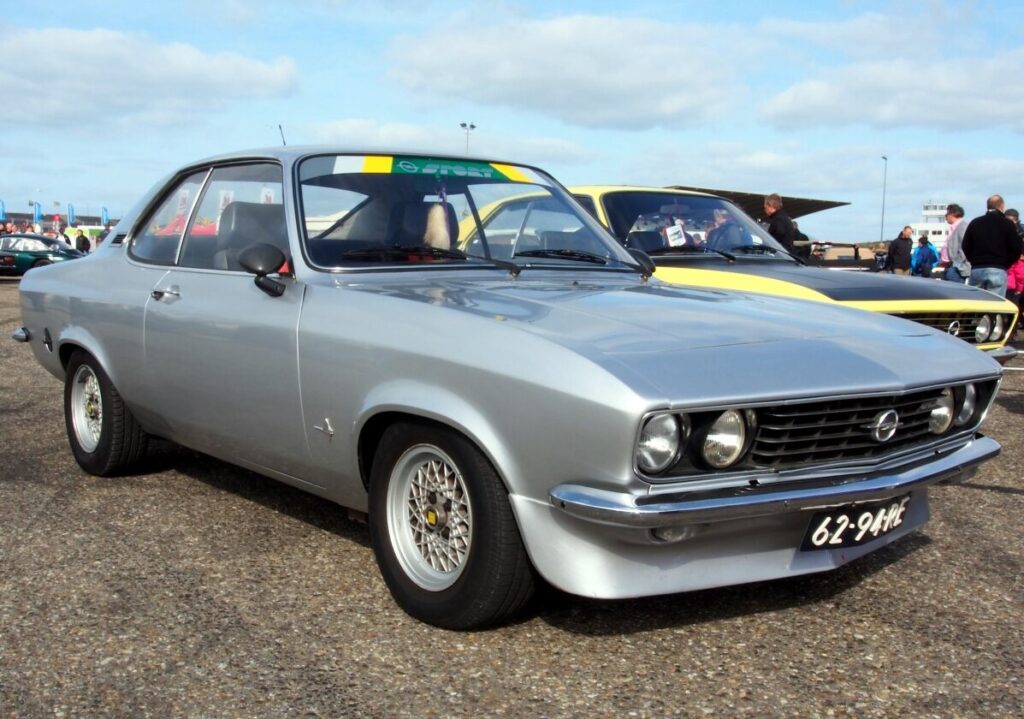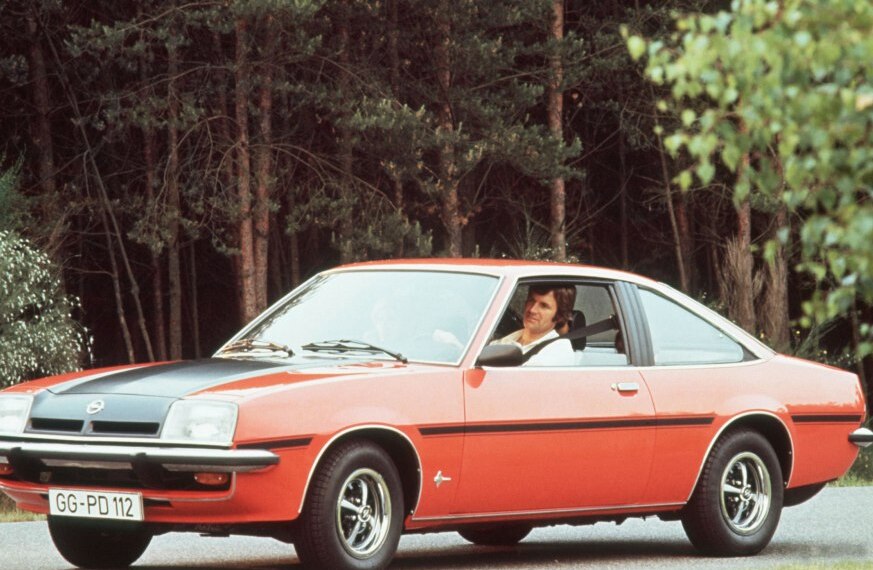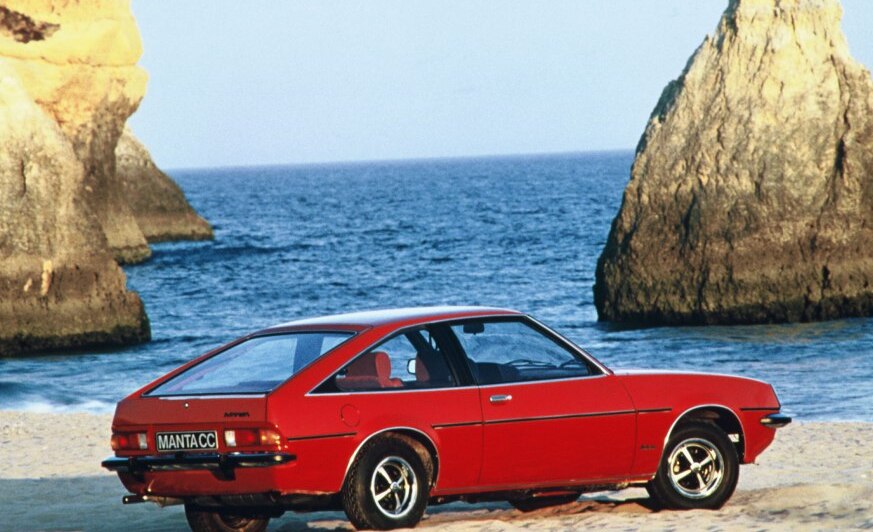
The Opel Manta B CC 1.2 S, produced between 1978 and 1979, represented the entry point into the second generation (B) Manta lineup. Positioned as an affordable and accessible coupe, it offered a blend of style and basic transportation within the European market. The “CC” designation signified the coupe body style, differentiating it from the later Kammback (estate) versions. This variant was built on the GM T-platform, shared with other Opel and Vauxhall models like the Ascona and Cavalier, and played a role in offering a sporty image to a broader customer base. The 1.2 S, with its modest 60 horsepower, was aimed at buyers prioritizing economy and practicality over outright performance.
Technical Specifications
| Brand | Opel |
| Model | Manta |
| Generation | Manta B CC |
| Type (Engine) | 1.2 S (60 Hp) |
| Start of production | 1978 |
| End of production | 1979 |
| Powertrain Architecture | Internal Combustion engine |
| Body type | Hatchback |
| Seats | 4 |
| Doors | 3 |
| Fuel Type | Petrol (Gasoline) |
| Acceleration 0 – 100 km/h | 19 sec |
| Acceleration 0 – 62 mph | 19 sec |
| Acceleration 0 – 60 mph | 18.1 sec |
| Maximum speed | 147 km/h (91.34 mph) |
| Weight-to-power ratio | 15.5 kg/Hp, 64.5 Hp/tonne |
| Weight-to-torque ratio | 10.6 kg/Nm, 94.6 Nm/tonne |
| Power | 60 Hp @ 5400 rpm |
| Power per litre | 50.2 Hp/l |
| Torque | 88 Nm @ 2600-3400 rpm (64.91 lb.-ft. @ 2600-3400 rpm) |
| Engine layout | Front, Longitudinal |
| Engine Model/Code | 12S |
| Engine displacement | 1196 cm3 (72.98 cu. in.) |
| Number of cylinders | 4 |
| Engine configuration | Inline |
| Cylinder Bore | 79 mm (3.11 in.) |
| Piston Stroke | 61 mm (2.4 in.) |
| Compression ratio | 9:1 |
| Number of valves per cylinder | 2 |
| Fuel injection system | Carburettor |
| Engine aspiration | Naturally aspirated engine |
| Valvetrain | OHV |
| Engine oil capacity | 2.75 l (2.91 US qt | 2.42 UK qt) |
| Coolant | 5.1 l (5.39 US qt | 4.49 UK qt) |
| Kerb Weight | 930 kg (2050.3 lbs) |
| Max. weight | 1370 kg (3020.33 lbs) |
| Max load | 440 kg (970.03 lbs) |
| Trunk (boot) space – minimum | 330 l (11.65 cu. ft.) |
| Trunk (boot) space – maximum | 670 l (23.66 cu. ft.) |
| Fuel tank capacity | 50 l (13.21 US gal | 11 UK gal) |
| Permitted trailer load with brakes (12%) | 1000 kg (2204.62 lbs) |
| Permitted trailer load without brakes | 485 kg (1069.24 lbs) |
| Length | 4376 mm (172.28 in.) |
| Width | 1670 mm (65.75 in.) |
| Height | 1340 mm (52.76 in.) |
| Wheelbase | 2518 mm (99.13 in.) |
| Front track | 1375 mm (54.13 in.) |
| Rear (Back) track | 1375 mm (54.13 in.) |
| Minimum turning circle | 10.1 m (33.14 ft.) |
| Drivetrain | Rear wheel drive |
| Number of gears | 4 gears, manual transmission |
| Front brakes | Disc |
| Rear brakes | Drum |
Introduction
The Manta B, launched in 1977, represented a significant update to the original Manta. It featured a more angular and modern design, reflecting the styling trends of the late 1970s. The 1.2 S variant, introduced in 1978, served as the base model, offering a relatively inexpensive entry into the Manta range. It was intended for buyers who valued fuel efficiency and affordability over high performance. While the Manta was often associated with more powerful engines like the 1.9 and 2.0-liter versions, the 1.2 S provided a practical option for everyday driving.
Powertrain & Engine Architecture
The heart of the Manta B CC 1.2 S was the 12S engine, a 1196cc inline-four cylinder unit. This engine utilized a single overhead valve (OHV) valvetrain and was fed by a carburetor, a common setup for the time. The 12S engine was a relatively simple design, prioritizing reliability and ease of maintenance over advanced technology. It produced 60 horsepower at 5400 rpm and 88 Nm (64.91 lb-ft) of torque between 2600 and 3400 rpm. The engine was mounted longitudinally in the front of the vehicle, driving the rear wheels. The transmission was a four-speed manual gearbox, chosen for its simplicity and cost-effectiveness. This configuration was typical for European cars of this era, emphasizing rear-wheel drive for handling characteristics.
Driving Characteristics
The 1.2 S Manta B was not known for its blistering acceleration. With a 0-60 mph time of around 18.1 seconds and a top speed of 91.34 mph, it was decidedly a leisurely performer. The four-speed manual transmission offered relatively widely spaced gear ratios, requiring frequent shifting to keep the engine in its optimal power band. Compared to the more powerful Manta variants, such as those equipped with the 1.9 or 2.0-liter engines, the 1.2 S felt significantly underpowered, especially when carrying passengers or luggage. However, the lighter weight of the 1.2 S compared to its more powerful siblings did offer some advantages in handling, making it feel more nimble in corners. The rear-wheel-drive layout provided a degree of driving engagement, but the modest power output limited the extent to which this could be exploited.
Equipment & Trim Levels
The 1.2 S was the most basic trim level in the Manta B range. Standard equipment was relatively sparse, reflecting its position as an entry-level model. Typically, it included cloth upholstery, basic instrumentation (speedometer, fuel gauge, temperature gauge), and a simple two-spoke steering wheel. Optional extras included a vinyl roof, upgraded stereo systems, and tinted glass. Interior trim was generally functional rather than luxurious, with hard plastic surfaces dominating the cabin. The focus was on providing a durable and practical interior that could withstand everyday use.
Chassis & Braking
The Manta B CC 1.2 S utilized a relatively simple chassis design. It featured independent front suspension with MacPherson struts and a live axle rear suspension with leaf springs. The braking system consisted of disc brakes on the front wheels and drum brakes on the rear. The drum brakes on the rear were a cost-saving measure, typical for entry-level models of the time. The suspension was tuned for comfort rather than outright performance, providing a reasonably smooth ride on typical road surfaces. Stabilizer bars were often omitted on the base 1.2 S model, further contributing to its softer handling characteristics.
Market Reception & Comparison
The Manta B CC 1.2 S received mixed reviews from automotive critics. While its affordability and fuel efficiency were praised, its lack of performance was often criticized. Compared to the more powerful Manta variants, the 1.2 S was seen as a compromise, offering style without the substance. However, it appealed to a specific segment of the market – buyers who prioritized economy and practicality over performance. The 1.2 S offered better fuel economy than the larger-engined models, making it a more attractive option for those who drove long distances or were concerned about rising fuel costs. Reliability was generally good, thanks to the simplicity of the engine and drivetrain.
Legacy
The Opel Manta B CC 1.2 S, while not the most sought-after variant, holds a place in automotive history as an affordable and accessible coupe of the late 1970s. The 12S engine, while modest in its output, proved to be relatively durable and reliable. Today, surviving examples are relatively rare, and well-maintained cars are gaining popularity among classic car enthusiasts. The 1.2 S represents a simpler era of automotive design, before the advent of complex electronics and advanced technology. Its straightforward engineering and classic styling continue to appeal to those who appreciate a more analog driving experience.