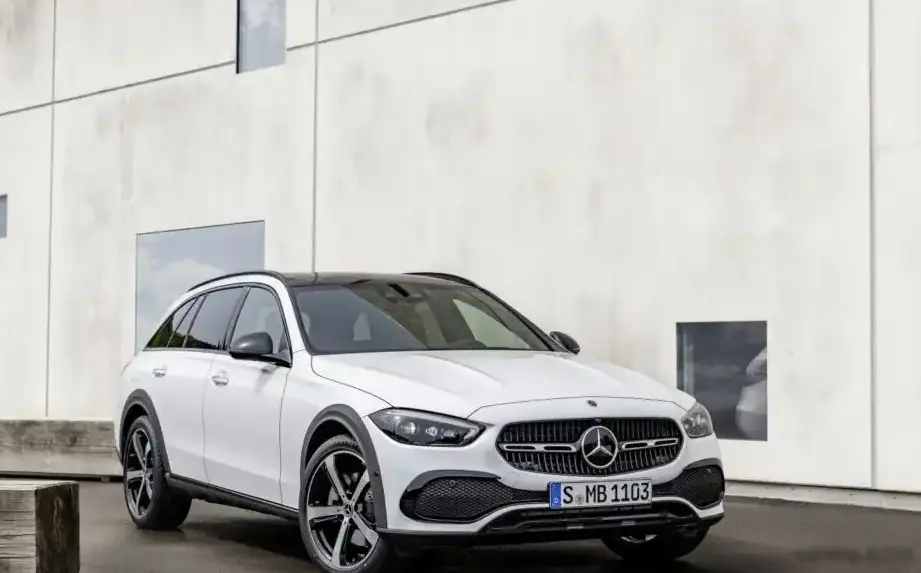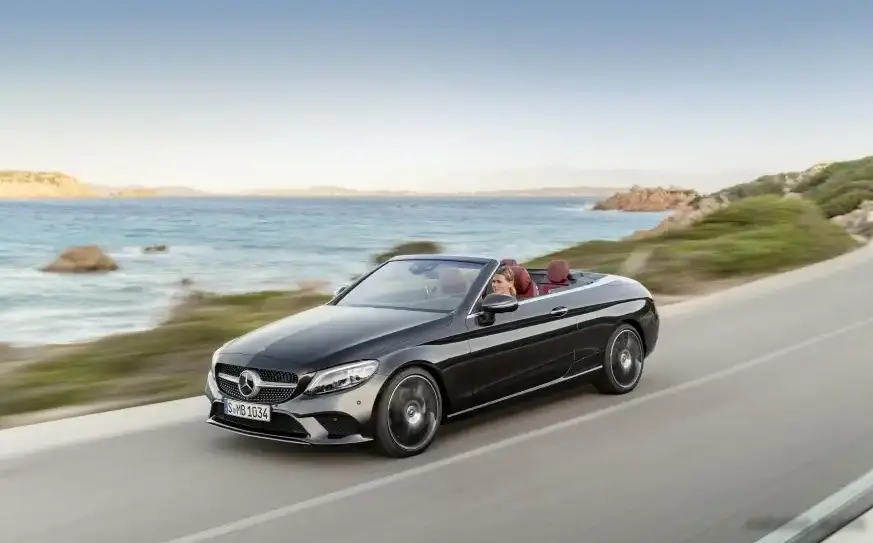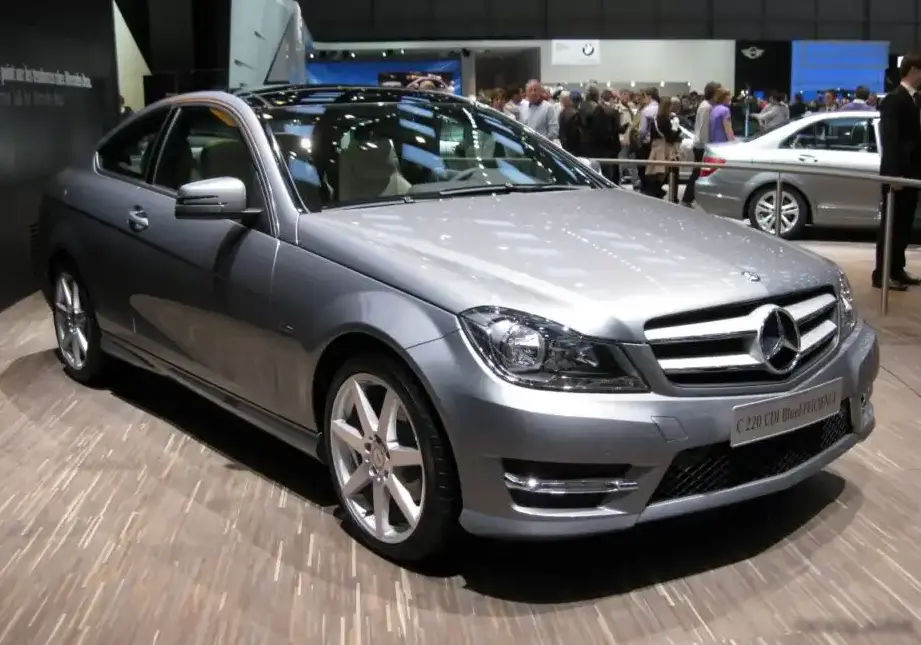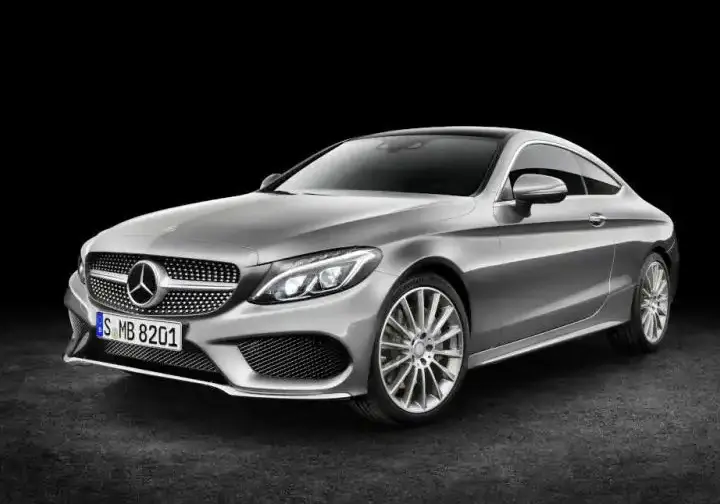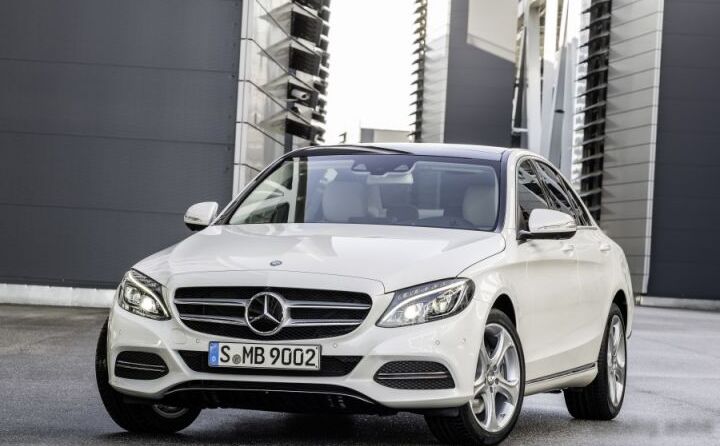
The Mercedes-Benz C 300h, part of the W205 C-Class generation produced between 2014 and 2018, represented a significant step towards fuel efficiency and reduced emissions for the traditionally luxury-focused brand. This variant combined a diesel engine with an electric motor, creating a full hybrid (FHEV) powertrain. Positioned as a premium offering within the C-Class range, the C 300h aimed to appeal to buyers seeking a blend of luxury, performance, and environmental responsibility. It was primarily marketed in Europe and other regions with favorable diesel and hybrid vehicle policies, and was not widely available in the United States.
Technical Specifications
| Brand | Mercedes-Benz |
| Model | C-class |
| Generation | C-class (W205) |
| Type (Engine) | C 300h (231 Hp) HYBRID G-TRONIC |
| Start of production | 2014 |
| End of production | 2018 |
| Powertrain Architecture | FHEV (Full Hybrid Electric Vehicle) |
| Body type | Sedan |
| Seats | 5 |
| Doors | 4 |
| Fuel consumption (urban) | 4.1-3.9 l/100 km (57.4 – 60.3 US mpg) |
| Fuel consumption (extra urban) | 3.9-3.6 l/100 km (60.3 – 65.3 US mpg) |
| Fuel consumption (combined) | 4.0-3.6 l/100 km (58.8 – 65.3 US mpg) |
| CO2 emissions | 104-94 g/km |
| Fuel Type | Diesel |
| Acceleration 0 – 100 km/h | 6.4 sec |
| Acceleration 0 – 62 mph | 6.4 sec |
| Acceleration 0 – 60 mph | 6.1 sec |
| Maximum speed | 244 km/h (151.61 mph) |
| Emission standard | Euro 6 |
| Weight-to-power ratio | 7.1 kg/Hp |
| Weight-to-torque ratio | 2.2 kg/Nm |
| Electric motor power | 27 Hp |
| Electric motor Torque | 250 Nm (184.39 lb.-ft.) |
| System power | 231 Hp |
| System torque | 750 Nm (553.17 lb.-ft.) |
| Engine Power | 204 Hp @ 3800 rpm |
| Engine Torque | 500 Nm @ 1600-1800 rpm (368.78 lb.-ft. @ 1600-1800 rpm) |
| Engine layout | Front, Longitudinal |
| Engine Model/Code | OM 651.921 |
| Engine displacement | 2143 cm3 (130.77 cu. in.) |
| Number of cylinders | 4 |
| Engine configuration | Inline |
| Compression ratio | 16.2:1 |
| Fuel injection system | Diesel Commonrail |
| Engine aspiration | BiTurbo, Intercooler |
| Engine oil capacity | 6 l (6.34 US qt | 5.28 UK qt) |
| Kerb Weight | 1640 kg (3615.58 lbs.) |
| Max. weight | 2195 kg (4839.15 lbs.) |
| Max load | 555 kg (1223.57 lbs.) |
| Trunk (boot) space – minimum | 435 l (15.36 cu. ft.) |
| Fuel tank capacity | 50 l (13.21 US gal | 11 UK gal) |
| Permitted trailer load with brakes (12%) | 1600 kg (3527.4 lbs.) |
| Permitted trailer load without brakes | 750 kg (1653.47 lbs.) |
| Length | 4686 mm (184.49 in.) |
| Width | 1810 mm (71.26 in.) |
| Height | 1442 mm (56.77 in.) |
| Wheelbase | 2840 mm (111.81 in.) |
| Front track | 1588 mm (62.52 in.) |
| Rear track | 1570 mm (61.81 in.) |
| Front overhang | 790 mm (31.1 in.) |
| Rear overhang | 1056 mm (41.57 in.) |
| Ride height (ground clearance) | 92 mm (3.62 in.) |
| Minimum turning circle | 11.22 m (36.81 ft.) |
| Drive wheel | Rear wheel drive |
| Number of gears and type of gearbox | 7 gears, automatic transmission G-TRONIC |
| Front suspension | Independent multi-link suspension |
| Rear suspension | Independent multi-link suspension |
| Front brakes | Ventilated discs |
| Rear brakes | Ventilated discs |
| Assisting systems | ABS (Anti-lock braking system) |
| Steering type | Steering rack and pinion |
| Tires size | 205/60 R17 |
| Wheel rims size | 17 |
Powertrain & Engine Architecture
The C 300h’s powertrain centered around the OM 651.921 2.1-liter inline-four diesel engine. This engine, a mainstay in many Mercedes-Benz models, was equipped with a twin-turbocharger system and a common rail direct injection system, allowing for a relatively high output of 204 horsepower at 3800 rpm and a substantial 500 Nm (368.78 lb-ft) of torque between 1600 and 1800 rpm. The engine featured a high compression ratio of 16.2:1, contributing to its efficiency. Integrated with the diesel engine was a 27 horsepower electric motor, drawing power from a lithium-ion battery pack. The electric motor could provide supplemental power during acceleration and allow for short periods of all-electric driving. The G-TRONIC 7-speed automatic transmission, a conventional torque-converter automatic, was specifically tuned to work seamlessly with the hybrid system, managing power delivery between the engine and the electric motor.
Driving Characteristics
The C 300h offered a unique driving experience compared to its gasoline and diesel-only siblings. The electric motor provided instant torque, filling in gaps in the diesel engine’s power delivery and resulting in brisk acceleration. The 0-60 mph time of around 6.1 seconds was competitive for the segment. The G-TRONIC transmission, while smooth, wasn’t as sporty as some of the more performance-oriented transmissions offered in other C-Class variants. The hybrid system prioritized fuel efficiency, and the car generally felt more relaxed and refined than the more powerful C 350 or AMG models. The regenerative braking system, while effective at capturing energy, could feel slightly unusual to drivers accustomed to conventional braking.
Equipment & Trim Levels
The C 300h typically came well-equipped, reflecting its position as a premium model. Standard features included leather upholstery, automatic climate control, a high-resolution infotainment system with navigation, and a suite of safety features like automatic emergency braking and lane-keeping assist. Optional extras included a panoramic sunroof, upgraded audio systems, and various driver assistance packages. Interior trim options ranged from wood veneers to aluminum accents, allowing buyers to personalize the cabin. The overall interior design mirrored that of other W205 C-Class models, emphasizing luxury and modern aesthetics.
Chassis & Braking
The C 300h utilized a fully independent multi-link suspension system at both the front and rear, providing a comfortable and controlled ride. The suspension was tuned to balance handling with ride comfort, making it suitable for both city driving and longer journeys. Braking duties were handled by ventilated discs on all four wheels, providing ample stopping power. The car was equipped with ABS (Anti-lock Braking System) and electronic stability control as standard safety features. Due to the added weight of the hybrid components, the C 300h’s suspension was often slightly stiffer than that of the standard C-Class models to maintain handling balance.
Market Reception & Comparison
The C 300h received generally positive reviews from automotive critics. It was praised for its fuel efficiency, smooth ride, and refined interior. However, some reviewers noted that the diesel engine could be somewhat noisy under hard acceleration, and the hybrid system didn’t offer the same level of performance as some of its competitors. Compared to the C 220d, the C 300h offered significantly better fuel economy and a more refined driving experience, but at a higher price point. Against gasoline-powered C-Class models, the C 300h provided superior fuel efficiency but less outright performance.
Legacy
The Mercedes-Benz C 300h, while not a massive sales success, played an important role in demonstrating Mercedes-Benz’s commitment to hybrid technology. The OM 651 diesel engine proved to be remarkably durable, and well-maintained examples continue to offer reliable transportation today. The hybrid components, while complex, have generally proven to be relatively reliable as well. On the used car market, the C 300h represents a compelling option for buyers seeking a fuel-efficient and luxurious sedan with a unique powertrain. However, potential buyers should be aware of the higher maintenance costs associated with the hybrid system compared to conventional gasoline or diesel models.