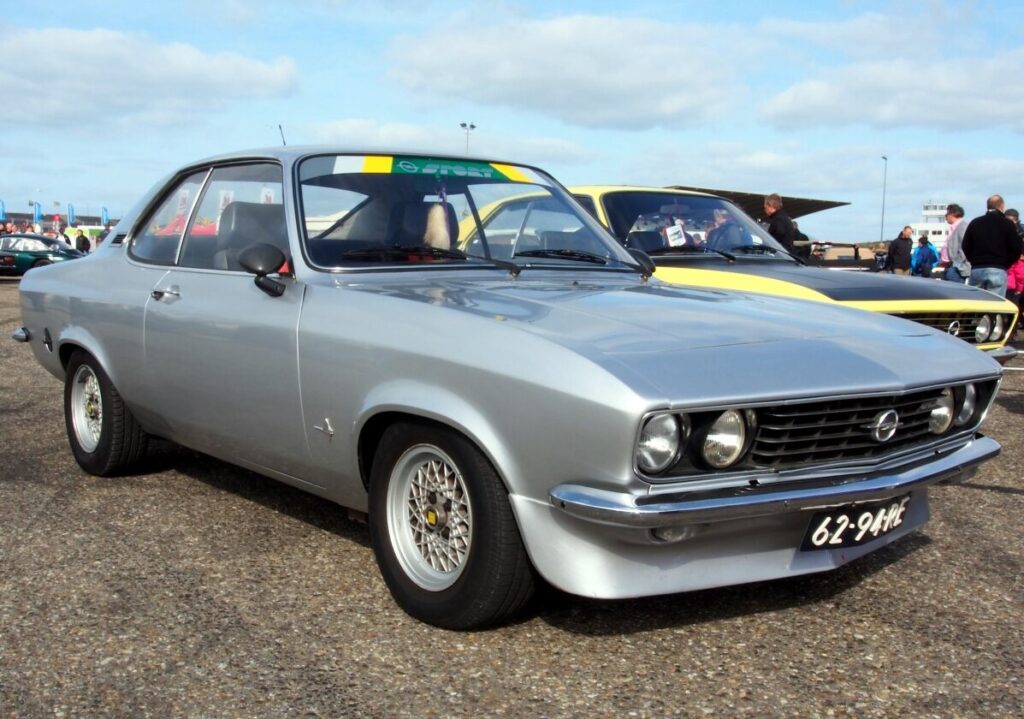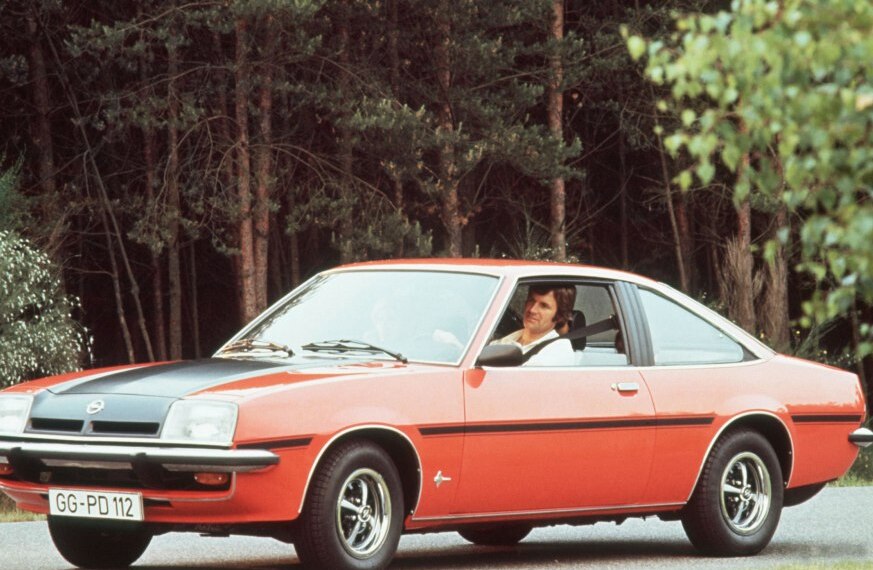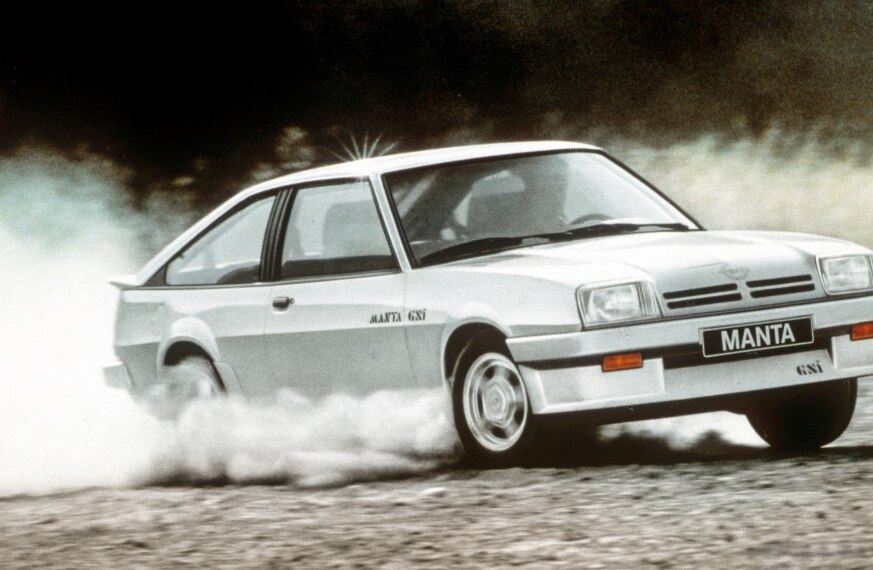
The Opel Manta B CC 2.0 S, produced from 1982 to 1988, represented a significant evolution of the iconic Manta model line. This facelifted version, often simply referred to as the Manta B, aimed to modernize the car’s styling and refine its mechanicals. The 2.0 S trim occupied a mid-range position within the Manta B lineup, offering a balance between performance and affordability. It served as a popular choice for drivers seeking a sporty, rear-wheel-drive coupe with a respectable level of equipment. The Manta B, and particularly the 2.0 S, played a crucial role in Opel’s image as a manufacturer of driver-focused vehicles in Europe.
Technical Specifications
| Brand | Opel |
| Model | Manta |
| Generation | Manta B CC (facelift 1982) |
| Type (Engine) | 2.0 S (100 Hp) |
| Start of production | 1982 |
| End of production | 1988 |
| Powertrain Architecture | Internal Combustion engine |
| Body type | Hatchback |
| Seats | 4 |
| Doors | 3 |
| Fuel Type | Petrol (Gasoline) |
| Acceleration 0 – 100 km/h | 11.5 sec |
| Acceleration 0 – 62 mph | 11.5 sec |
| Acceleration 0 – 60 mph | 10.9 sec |
| Maximum speed | 180 km/h (111.85 mph) |
| Weight-to-power ratio | 10.3 kg/Hp, 97.1 Hp/tonne |
| Weight-to-torque ratio | 6.7 kg/Nm, 148.5 Nm/tonne |
| Power | 100 Hp @ 5400 rpm |
| Power per litre | 50.5 Hp/l |
| Torque | 153 Nm @ 3800 rpm (112.85 lb.-ft. @ 3800 rpm) |
| Engine layout | Front, Longitudinal |
| Engine Model/Code | 20S, 20E |
| Engine displacement | 1979 cm3 (120.77 cu. in.) |
| Number of cylinders | 4 |
| Engine configuration | Inline |
| Cylinder Bore | 95 mm (3.74 in.) |
| Piston Stroke | 69.8 mm (2.75 in.) |
| Compression ratio | 9:1 |
| Number of valves per cylinder | 2 |
| Fuel injection system | Carburettor |
| Engine aspiration | Naturally aspirated engine |
| Valvetrain | SOHC |
| Engine oil capacity | 3.8 l (4.02 US qt | 3.34 UK qt) |
| Coolant | 6.2 l (6.55 US qt | 5.46 UK qt) |
| Kerb Weight | 1030 kg (2270.76 lbs.) |
| Max. weight | 1470 kg (3240.8 lbs.) |
| Max load | 440 kg (970.03 lbs.) |
| Trunk (boot) space – minimum | 330 l (11.65 cu. ft.) |
| Trunk (boot) space – maximum | 670 l (23.66 cu. ft.) |
| Fuel tank capacity | 50 l (13.21 US gal | 11 UK gal) |
| Length | 4384 mm (172.6 in.) |
| Width | 1686 mm (66.38 in.) |
| Height | 1320 mm (51.97 in.) |
| Wheelbase | 2518 mm (99.13 in.) |
| Front track | 1394 mm (54.88 in.) |
| Rear (Back) track | 1389 mm (54.69 in.) |
| Minimum turning circle | 10.8 m (35.43 ft.) |
| Drivetrain Architecture | Rear wheel drive |
| Number of gears | 4 |
| Gearbox type | Manual transmission |
| Front brakes | Disc |
| Rear brakes | Drum |
Powertrain & Engine Architecture
The heart of the Manta B 2.0 S was the 20S or 20E inline-four cylinder engine, displacing 1979cc. This engine featured a single overhead camshaft (SOHC) valvetrain and utilized a carburetor for fuel delivery. While not as sophisticated as fuel injection systems found in some contemporary vehicles, the carburetor provided adequate performance for the intended market. The engine produced 100 horsepower at 5400 rpm and 153 Nm (113 lb-ft) of torque at 3800 rpm. The engine was mounted longitudinally in the front of the vehicle, driving the rear wheels. The four-speed manual transmission was the standard offering, providing a direct and engaging driving experience. The engine’s design was relatively simple and robust, contributing to its overall reliability.
Driving Characteristics
The 2.0 S offered a noticeable step up in performance compared to the lower-spec Manta B models. While not a particularly fast car by modern standards, its 11.5-second 0-62 mph acceleration was respectable for the early 1980s. The rear-wheel-drive configuration provided a balanced handling characteristic, making it enjoyable to drive on winding roads. The four-speed manual transmission offered precise shifts, allowing drivers to effectively utilize the engine’s powerband. Compared to the more powerful Manta GT/E models, the 2.0 S felt less urgent in its acceleration, but it offered a more forgiving and accessible driving experience. The gear ratios were tuned for a balance of acceleration and fuel economy, making it suitable for both city driving and longer journeys.
Equipment & Trim Levels
The 2.0 S trim level included a number of standard features designed to enhance comfort and convenience. These typically included cloth upholstery, a basic stereo system, and a more comprehensive instrument cluster than the base models. Optional extras included a sunroof, upgraded stereo systems, and alloy wheels. The interior design was functional and straightforward, reflecting the car’s overall focus on practicality and affordability. The dashboard layout was typical of the era, with clearly labeled gauges and controls. The 2.0 S aimed to provide a comfortable and well-equipped interior without the added expense of the higher-spec GT/E models.
Chassis & Braking
The Manta B utilized a relatively simple chassis design, featuring independent front suspension and a solid rear axle. The front suspension employed MacPherson struts, while the rear suspension utilized leaf springs. The 2.0 S typically featured disc brakes on the front wheels and drum brakes on the rear. This braking configuration was adequate for the car’s weight and performance, but it lacked the stopping power of more modern braking systems. Stabilizer bars were fitted to both the front and rear axles to reduce body roll during cornering. The suspension setup provided a comfortable ride quality, while still offering reasonable handling characteristics.
Market Reception & Comparison
The Manta B 2.0 S was generally well-received by automotive critics as a capable and affordable coupe. It was praised for its sporty handling, respectable performance, and relatively low running costs. Compared to other cars in its class, such as the Ford Capri and the Vauxhall Cavalier, the Manta B offered a unique combination of style and practicality. The 2.0 S provided a good balance between performance and fuel economy, making it a popular choice for drivers who wanted a sporty car without sacrificing everyday usability. Reliability was generally good, although carburetor maintenance could be required periodically.
Legacy
The Opel Manta B 2.0 S has become a popular classic car among enthusiasts. Its simple mechanicals and readily available parts make it relatively easy to maintain and repair. The rear-wheel-drive configuration and sporty handling continue to appeal to drivers who appreciate a more engaging driving experience. While not as highly sought after as the GT/E models, the 2.0 S offers a more affordable entry point into Manta ownership. Today, well-maintained examples of the Manta B 2.0 S are increasingly valued by collectors and enthusiasts, ensuring that this iconic Opel coupe will continue to be enjoyed for years to come. The engine, while not particularly powerful by today’s standards, is known for its durability and relative simplicity, making it a favorite among those who enjoy working on their own vehicles.