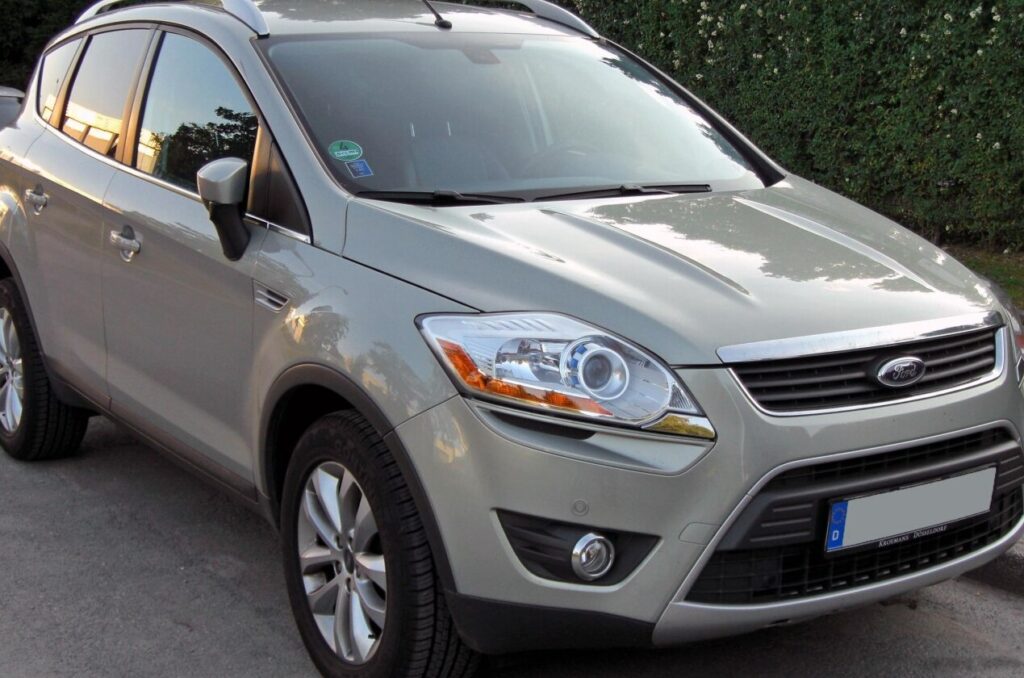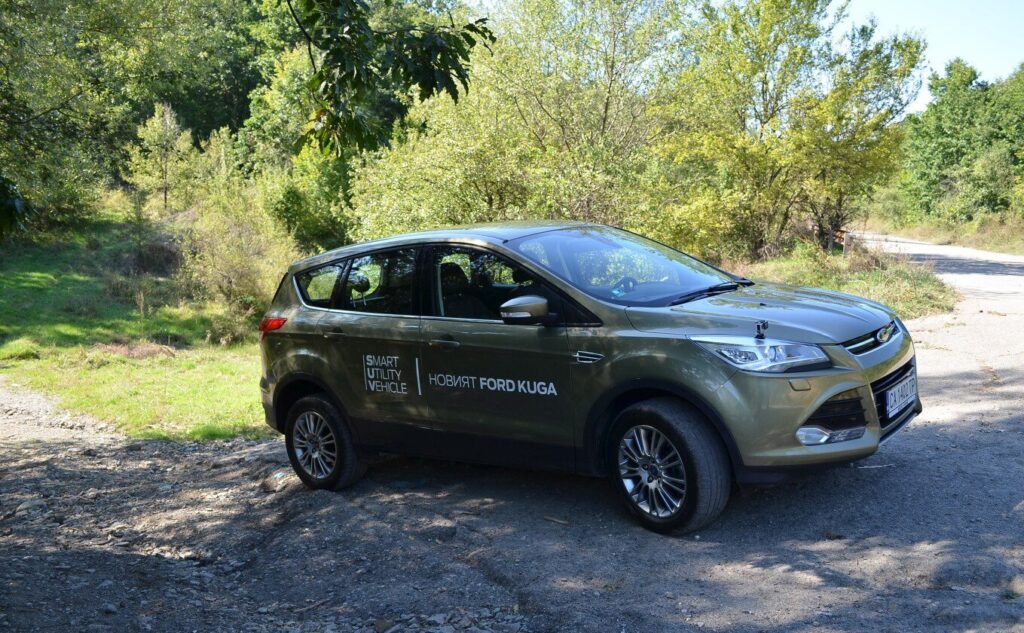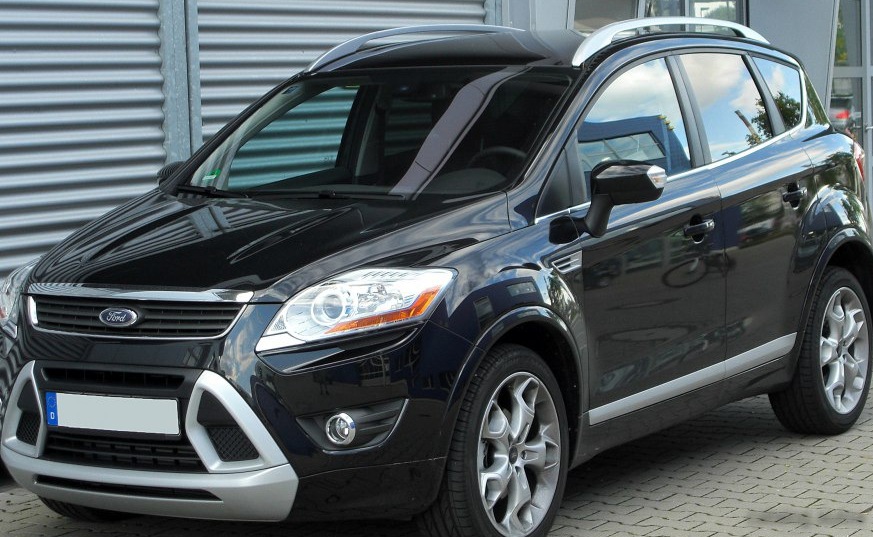
The Ford Kuga I (facelift, produced from 2010 to 2012) 2.0 Duratorq TDCi 140 horsepower variant with the PowerShift dual-clutch transmission represents a significant iteration of Ford’s entry into the compact SUV market in Europe. Introduced as part of the facelift for the first-generation Kuga, this model aimed to balance fuel efficiency, practicality, and a more refined driving experience. It occupied a mid-range position within the Kuga lineup, offering a step up in performance from the lower-powered diesel options while remaining more accessible than the flagship trims. The Kuga, itself based on the Ford Focus platform, was Ford’s attempt to capitalize on the growing popularity of crossover SUVs, offering an alternative to traditional hatchbacks and estates.
Technical Specifications
| Brand | Ford |
| Model | Kuga |
| Generation | Kuga I (facelift 2010) |
| Type (Engine) | 2.0 Duratorq TDCi (140 Hp) DPF PowerShift |
| Start of production | 2010 |
| End of production | 2012 |
| Powertrain Architecture | Internal Combustion engine |
| Body type | SUV |
| Seats | 5 |
| Doors | 5 |
| Fuel consumption (urban) | 7.4 l/100 km (31.8 US mpg) |
| Fuel consumption (extra urban) | 5.5 l/100 km (42.8 US mpg) |
| Fuel consumption (combined) | 6.2 l/100 km (37.9 US mpg) |
| Fuel Type | Diesel |
| Acceleration 0 – 100 km/h | 11.2 sec |
| Acceleration 0 – 62 mph | 11.2 sec |
| Acceleration 0 – 60 mph | 10.6 sec |
| Maximum speed | 187 km/h (116.2 mph) |
| Emission standard | Euro 5 |
| Weight-to-power ratio | 12.2 kg/Hp |
| Power | 140 Hp |
| Engine layout | Front, Transverse |
| Engine Model/Code | UFDA |
| Engine configuration | Inline |
| Fuel injection system | Diesel Commonrail |
| Engine aspiration | Turbocharger, Intercooler |
| Engine oil capacity | 5.5 l (5.81 US qt) |
| Coolant capacity | 8.6 l (9.09 US qt) |
| Kerb Weight | 1707 kg (3763.29 lbs) |
| Max. weight | 2230 kg (4916.31 lbs) |
| Max load | 523 kg (1153.02 lbs) |
| Length | 4443 mm (174.92 in) |
| Width | 1842 mm (72.52 in) |
| Height | 1710 mm (67.32 in) |
| Wheelbase | 2690 mm (105.91 in) |
| Drive wheel | All wheel drive (4×4) |
| Number of gears and type of gearbox | 6 gears, automatic transmission |
| Assisting systems | ABS (Anti-lock braking system) |
| Steering type | Steering rack and pinion |
Powertrain & Engine Architecture
The heart of this Kuga variant is the 2.0-liter Duratorq TDCi diesel engine, specifically the UFDA engine code. This engine is a four-cylinder, inline diesel featuring common-rail direct injection and a turbocharger with an intercooler. The common-rail system, operating at high pressure, allows for precise fuel delivery, contributing to both power output and fuel efficiency. The turbocharger boosts power by forcing more air into the cylinders, while the intercooler cools the compressed air, further increasing density and performance. The engine produces 140 horsepower and a respectable amount of torque, making it suitable for both urban driving and highway cruising. The PowerShift transmission is a six-speed, dual-clutch transmission (DCT). This type of transmission offers quicker and smoother gear changes compared to a traditional torque-converter automatic, and contributes to improved fuel economy. It operates similarly to two manual gearboxes in one, with one clutch controlling the odd gears and the other controlling the even gears.
Driving Characteristics
The 140 hp Duratorq TDCi with the PowerShift transmission delivers a competent, if not particularly exhilarating, driving experience. Acceleration from 0-60 mph takes around 10.6 seconds, which is adequate for everyday driving but doesn’t offer significant performance. The PowerShift transmission generally provides smooth shifts, although some drivers have reported occasional jerkiness at low speeds. The all-wheel-drive system provides enhanced traction, particularly in slippery conditions, making the Kuga a capable vehicle for all-weather use. Compared to the lower-powered 115 hp version, the 140 hp model offers noticeably more punch, especially when overtaking or climbing hills. However, it doesn’t match the responsiveness of the higher-output versions, such as those equipped with the 2.5-liter petrol engine.
Equipment & Trim Levels
The 2.0 Duratorq TDCi 140 hp PowerShift Kuga typically came equipped with a reasonable level of standard features. These included air conditioning, alloy wheels, a CD player with auxiliary input, and electric windows. Higher trim levels added features such as automatic climate control, a premium audio system, parking sensors, and leather upholstery. Optional extras included a panoramic sunroof, satellite navigation, and heated front seats. The interior design was functional and relatively modern for its time, with a focus on practicality and durability. The Kuga offered a spacious cabin for passengers and a generous cargo area, making it a versatile vehicle for families and those with active lifestyles.
Chassis & Braking
The Kuga I utilized a MacPherson strut front suspension and a multi-link rear suspension. This setup provided a good balance between ride comfort and handling. The all-wheel-drive system employed a Haldex clutch, which automatically distributes torque between the front and rear axles as needed. Braking duties were handled by disc brakes on all four wheels, with ABS (Anti-lock Braking System) as standard. The braking performance was adequate for the vehicle’s weight and power, providing confident stopping power in most conditions. Stabilizer bars were fitted to both the front and rear axles to reduce body roll during cornering.
Market Reception & Comparison
The Ford Kuga I (facelift) 2.0 Duratorq TDCi 140 hp PowerShift was generally well-received by automotive critics. It was praised for its practicality, fuel efficiency, and comfortable ride. However, some reviewers noted that the PowerShift transmission could be occasionally hesitant, and the overall driving experience wasn’t as engaging as some of its rivals. Compared to other trims in the Kuga lineup, this variant offered a good compromise between performance and economy. The 115 hp diesel was more affordable but lacked the power for confident overtaking, while the higher-output petrol engines were more expensive and less fuel-efficient. Competitors included the Nissan Qashqai, Kia Sportage, and Hyundai ix35.
Legacy
The 2.0 Duratorq TDCi engine, in various iterations, proved to be a reliable and durable powerplant. However, the PowerShift transmission has been known to experience issues, particularly with clutch wear and mechatronic unit failures. Potential buyers of used Kugas equipped with this transmission should be aware of these potential problems and have the vehicle thoroughly inspected before purchase. Despite the potential transmission issues, the Kuga I remains a popular choice in the used car market, offering a practical and affordable SUV option. Its blend of fuel efficiency, space, and all-wheel-drive capability continues to appeal to buyers looking for a versatile family vehicle.