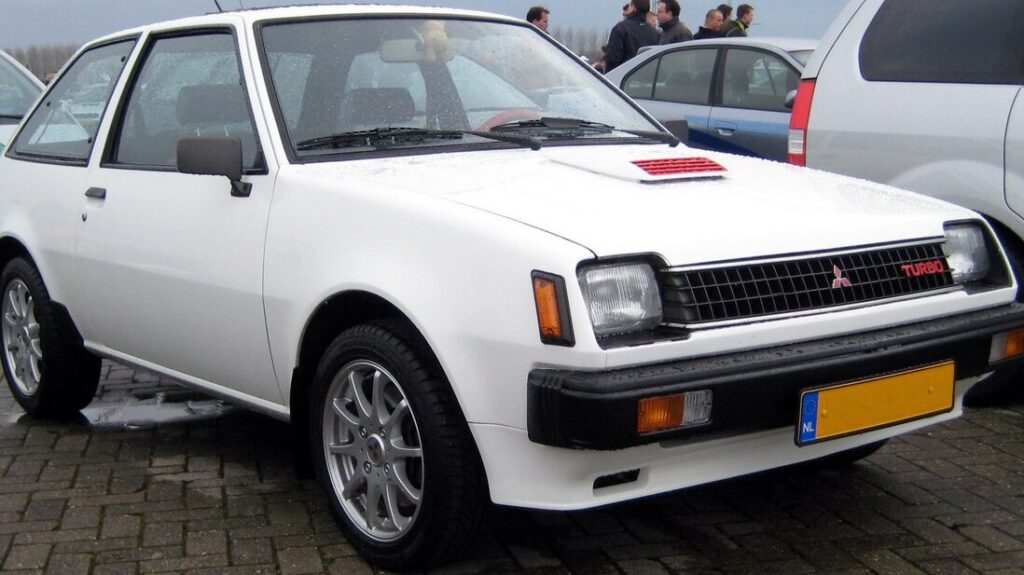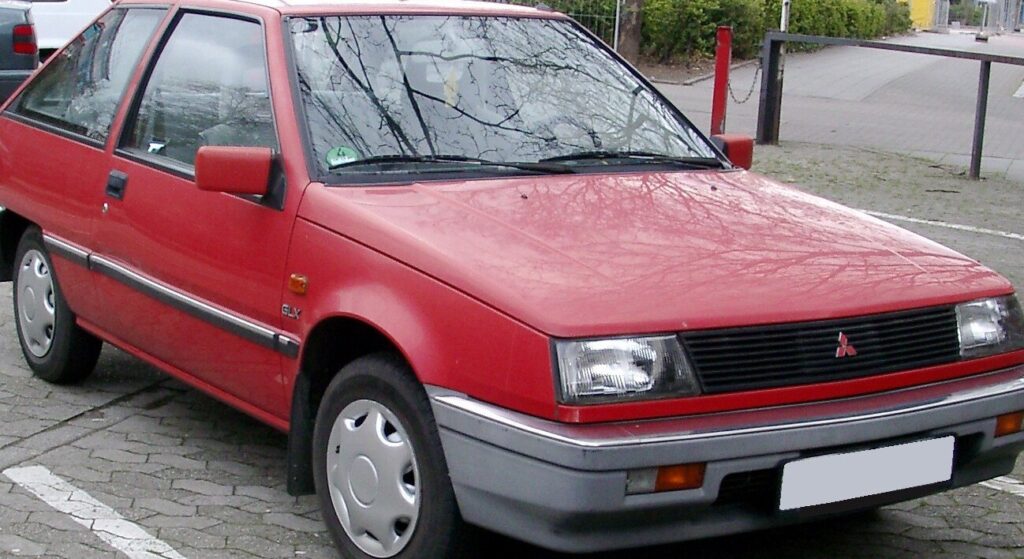
The Mitsubishi Colt II (C10) 1.6 Turbo ECi, powered by the C13A engine producing 105 horsepower, represents a significant performance variant within the second-generation Colt lineup. Produced between 1986 and 1988, this model aimed to offer a sporty and relatively affordable option in the increasingly competitive subcompact hatchback market, primarily targeting European and Japanese buyers. While the Colt II was never officially sold in the United States, its engineering and design reflect Mitsubishi’s broader ambitions to establish itself as a global automotive manufacturer. This particular trim level occupied a position above the base models, offering a noticeable performance upgrade thanks to its turbocharging, but remained below the more expensive and luxurious trims available.
Technical Specifications
| Brand | Mitsubishi |
| Model | Colt |
| Generation | Colt II (C10) |
| Type (Engine) | 1.6 Turbo ECi (C13A) (105 Hp) |
| Start of production | 1986 |
| End of production | 1988 |
| Powertrain Architecture | Internal Combustion engine |
| Body type | Hatchback |
| Fuel Type | Petrol (Gasoline) |
| Power | 105 Hp |
| Engine aspiration | Turbocharger |
Powertrain & Engine Architecture
The heart of the Colt II 1.6 Turbo ECi is the C13A engine, a 1.6-liter inline-four cylinder gasoline engine equipped with a turbocharger and Mitsubishi’s Electronic Concentrated Injection (ECi) fuel system. This system, a precursor to modern electronic fuel injection, utilized sensors to monitor engine conditions and adjust fuel delivery for optimal performance and efficiency. The C13A featured a single overhead camshaft (SOHC) valvetrain, operating with two valves per cylinder. The turbocharger, a Garrett unit in many examples, significantly boosted power output compared to the naturally aspirated 1.6-liter engines available in other Colt II variants. While specific boost pressures varied, they were generally kept relatively conservative to maintain engine reliability. The engine’s compression ratio was approximately 8.5:1. The transmission paired with the C13A was typically a four-speed automatic, although a five-speed manual was also offered in some markets. The automatic transmission was chosen to broaden the appeal of the car, offering ease of use for everyday driving, but at the expense of some performance and fuel economy compared to the manual.
Driving Characteristics
The 1.6 Turbo ECi offered a noticeable step up in performance compared to the base Colt II models. The turbocharger provided a significant boost in torque, making the car feel responsive and capable, especially during overtaking maneuvers. While 105 horsepower might seem modest by modern standards, it was a respectable figure for a subcompact hatchback in the mid-1980s. The automatic transmission, while convenient, did detract somewhat from the driving experience. Gear changes weren’t particularly quick or sporty, and the transmission’s programming prioritized fuel economy over outright performance. The car’s relatively light weight – around 1,800 to 2,000 pounds depending on equipment – helped to offset the limitations of the automatic transmission. Handling was generally considered competent, but not particularly engaging. The suspension was tuned for comfort, resulting in a slightly soft and understeer-prone driving experience. Compared to the manual transmission versions, the automatic felt less connected and less rewarding for enthusiastic drivers.
Equipment & Trim Levels
The 1.6 Turbo ECi trim level typically included a number of features designed to enhance comfort and convenience. Standard equipment often included cloth upholstery, a basic stereo system, and power steering. Depending on the market, air conditioning was either standard or an optional extra. Interior trim was generally functional and durable, reflecting the car’s overall value proposition. Higher-spec versions of the 1.6 Turbo ECi could be equipped with features such as electric windows, central locking, and upgraded audio systems. The dashboard layout was relatively simple and straightforward, with clearly labeled controls. The exterior styling of the 1.6 Turbo ECi was largely similar to other Colt II variants, but often featured subtle sporty touches such as a rear spoiler and alloy wheels. Color options were varied, with popular choices including red, blue, and silver.
Chassis & Braking
The Colt II utilized a front-engine, front-wheel-drive layout. The suspension consisted of MacPherson struts at the front and a torsion beam axle at the rear. The torsion beam setup was a cost-effective solution that provided adequate ride comfort and handling for everyday driving. Braking systems varied depending on the market and trim level. Lower-spec models typically featured drum brakes on the rear wheels, while higher-spec models, including the 1.6 Turbo ECi, often came equipped with disc brakes all around. The braking system was generally considered adequate for the car’s performance capabilities, but lacked the sophistication of more advanced systems found in larger and more expensive vehicles. Stabilizer bars were typically fitted to both the front and rear axles to reduce body roll during cornering.
Market Reception & Comparison
The Mitsubishi Colt II 1.6 Turbo ECi was generally well-received by automotive critics, who praised its performance and value for money. It was seen as a viable alternative to other subcompact hatchbacks such as the Volkswagen Polo, Ford Fiesta, and Nissan Micra. However, some critics noted that the automatic transmission detracted from the driving experience and that the interior was somewhat basic. Compared to the naturally aspirated 1.6-liter Colt II models, the Turbo ECi offered a significant performance advantage, but at a slightly higher price point. Fuel economy was comparable to other turbocharged vehicles of the era, typically ranging from 25 to 35 miles per gallon depending on driving conditions. Reliability was generally good, although the turbocharger did add a potential point of failure. The 1.6 Turbo ECi was often seen as a more appealing option for drivers who prioritized performance and driving enjoyment over outright fuel efficiency.
Legacy
The Mitsubishi Colt II 1.6 Turbo ECi, while not a mainstream success in terms of sales volume, holds a special place in the hearts of many enthusiasts. The C13A engine, with its turbocharging and ECi fuel injection, was a relatively advanced powerplant for its time. Today, well-maintained examples of the 1.6 Turbo ECi are becoming increasingly rare and sought after by collectors. The car’s relatively simple mechanical design makes it relatively easy to maintain and repair, although finding replacement parts can sometimes be a challenge. The long-term reliability of the C13A engine is generally good, provided that it has been properly maintained. The Colt II 1.6 Turbo ECi represents a fascinating chapter in Mitsubishi’s history, showcasing the company’s commitment to innovation and performance in the subcompact hatchback segment.