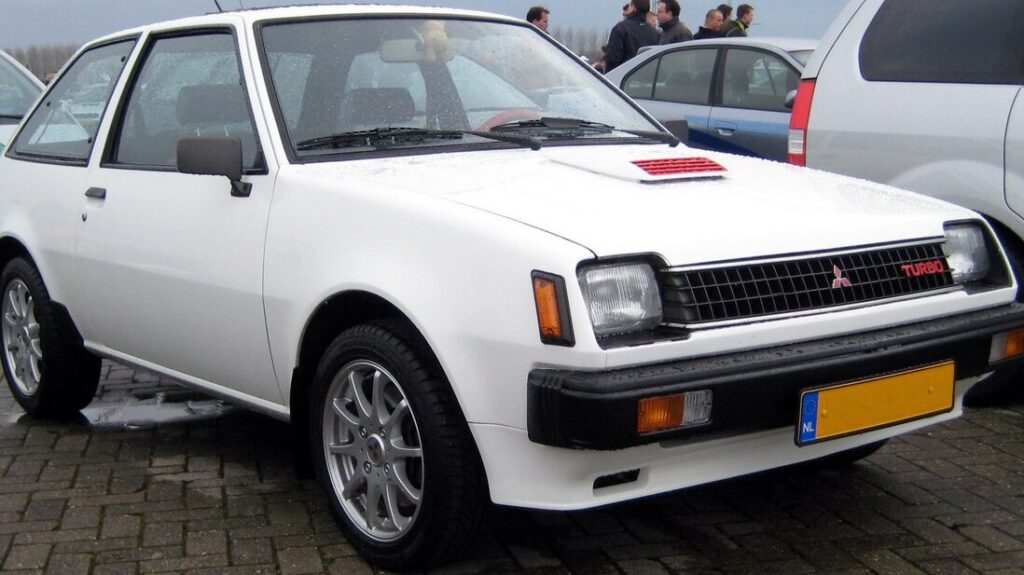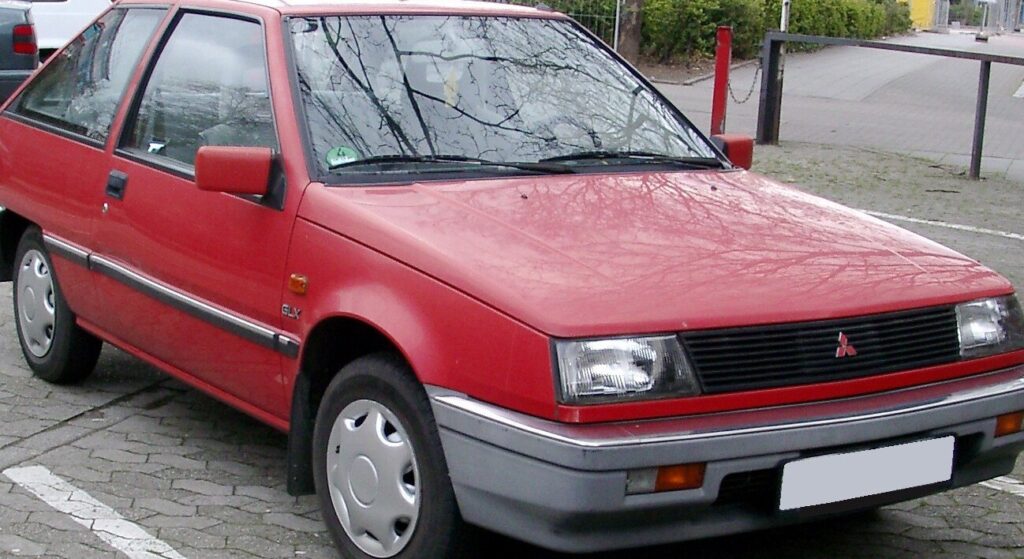
The Mitsubishi Colt II (C10) 1.6 Turbo ECi, powered by the C13A engine producing 125 horsepower, represents a significant performance variant within the second-generation Colt lineup. Produced between 1984 and 1988, this model aimed to offer a sporty and relatively affordable option in the increasingly competitive subcompact hatchback market, particularly in Europe and Australia where the Colt II found its strongest sales. It occupied a position above the naturally aspirated models, offering a noticeable performance boost, but remained below the more expensive and larger Mitsubishi models of the era.
Technical Specifications
| Brand | Mitsubishi |
| Model | Colt |
| Generation | Colt II (C10) |
| Type (Engine) | 1.6 Turbo ECi (C13A) (125 Hp) |
| Start of production | 1984 |
| End of production | 1988 |
| Powertrain Architecture | Internal Combustion engine |
| Body type | Hatchback |
| Fuel Type | Petrol (Gasoline) |
| Power | 125 Hp |
| Engine layout | Front, Transverse |
| Engine configuration | Inline |
| Fuel injection system | Single-point injection |
| Engine aspiration | Turbocharger |
| Front suspension | Independent type McPherson |
| Front brakes | Ventilated discs |
| Rear brakes | Drum |
| Steering type | Steering rack and pinion |
| Tires size | 185/60 R14 |
Powertrain & Engine Architecture
The heart of the Colt II 1.6 Turbo ECi is the C13A engine, a 1.6-liter inline-four cylinder gasoline engine. This engine is distinguished by its turbocharger and single-point fuel injection system. The turbocharger, a Garrett unit in many examples, significantly boosted power output compared to the naturally aspirated 1.6-liter engines available in other Colt II variants. Single-point injection, while not as sophisticated as multi-point systems becoming common at the time, provided a reasonable balance between cost and performance. The engine’s block is cast iron, providing durability, while the cylinder head is aluminum. The C13A engine produced 125 horsepower at approximately 5,800 rpm and around 140 lb-ft of torque. The engine’s design prioritized drivability and a broad torque curve, making it suitable for everyday use despite its turbocharged nature. The transmission offered was typically a four-speed automatic, though a five-speed manual was also available, the automatic being a popular choice for buyers prioritizing convenience.
Driving Characteristics
The 1.6 Turbo ECi offered a noticeable step up in performance compared to the base Colt II models. The turbocharger provided a surge of power in the mid-range, making overtaking and highway merging considerably easier. While not a sports car by any means, the turbo Colt II felt lively and responsive. The four-speed automatic transmission, while smooth, wasn’t particularly geared for maximizing fuel economy or performance. Gear ratios were relatively conservative, prioritizing comfortable cruising over outright acceleration. Compared to the five-speed manual version, the automatic traded some responsiveness for ease of use. The manual transmission allowed for better control of the turbo’s boost and a more engaging driving experience. However, the automatic was favored by many buyers who appreciated its convenience in urban driving conditions.
Equipment & Trim Levels
The 1.6 Turbo ECi typically came with a higher level of standard equipment than the base Colt II models. Features often included upgraded interior trim, such as patterned cloth seats, a more comprehensive instrument cluster with a tachometer, and sometimes, power windows. Optional extras could include a sunroof, upgraded audio systems, and alloy wheels. The interior design was functional and relatively simple, reflecting the car’s overall affordability. The dashboard layout was straightforward, with easy-to-read gauges and logically placed controls. The trim level generally positioned itself as a mid-range offering, bridging the gap between the basic models and the more luxurious options available in Mitsubishi’s lineup.
Chassis & Braking
The Colt II utilized a front-wheel-drive layout with an independent McPherson strut suspension in the front and a semi-independent torsion beam suspension in the rear. The front suspension provided a comfortable ride and decent handling characteristics. The rear torsion beam suspension was a cost-effective solution that offered adequate stability. Braking duties were handled by ventilated disc brakes in the front and drum brakes in the rear. While the ventilated front discs provided good stopping power, the rear drums were a compromise to keep costs down. Steering was via a rack and pinion system, offering precise and responsive handling. The 185/60 R14 tires provided a reasonable balance between grip and ride comfort.
Market Reception & Comparison
The Mitsubishi Colt II 1.6 Turbo ECi was generally well-received by automotive critics. It was praised for its lively performance, comfortable ride, and relatively affordable price. However, some critics noted that the single-point fuel injection system wasn’t as refined as the multi-point systems found in some competitors. Compared to other turbocharged hatchbacks of the era, such as the Volkswagen Golf GTI, the Colt II Turbo offered a more accessible price point but lacked the GTI’s overall refinement and handling prowess. Fuel economy was reasonable for a turbocharged car of the 1980s, but not exceptional. Reliability was generally good, although the turbocharger did require more maintenance than a naturally aspirated engine. The 1.6 Turbo ECi offered a compelling alternative to naturally aspirated rivals, providing a noticeable performance boost without a significant price premium.
Legacy
The Mitsubishi Colt II 1.6 Turbo ECi remains a fondly remembered model among enthusiasts. The C13A engine, while not without its quirks, proved to be a durable and capable powerplant. Today, finding a well-maintained example can be challenging, as many have succumbed to rust or have been modified. However, original examples are becoming increasingly collectible. The turbo Colt II represents a significant chapter in Mitsubishi’s history, demonstrating the company’s willingness to offer performance-oriented options in the subcompact segment. The powertrain, while dated by modern standards, is still capable of providing enjoyable driving experience, and parts availability, while diminishing, remains reasonable. The car’s relative simplicity makes it a relatively straightforward vehicle to maintain for those with mechanical aptitude.