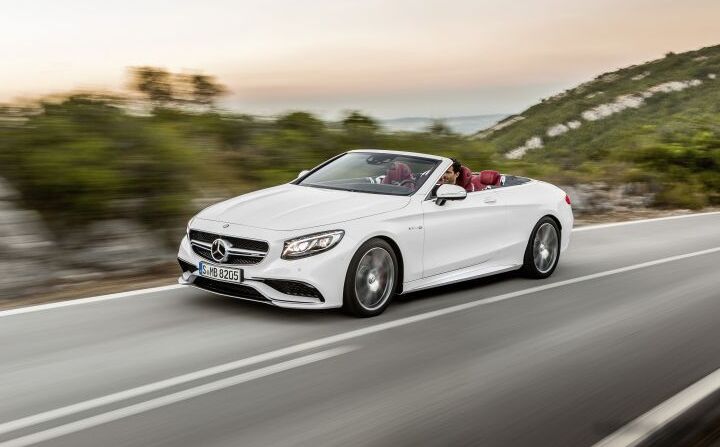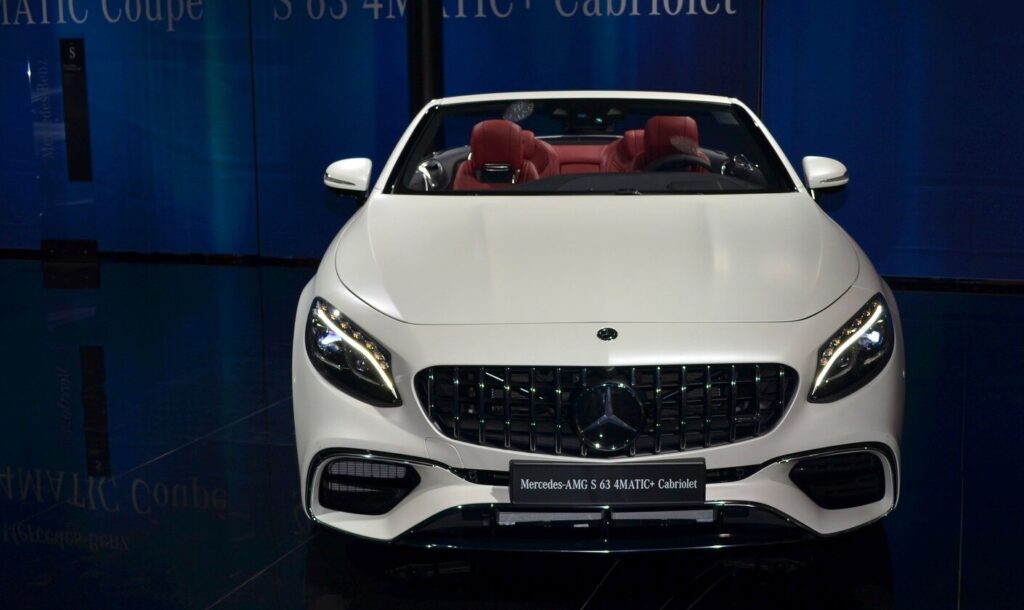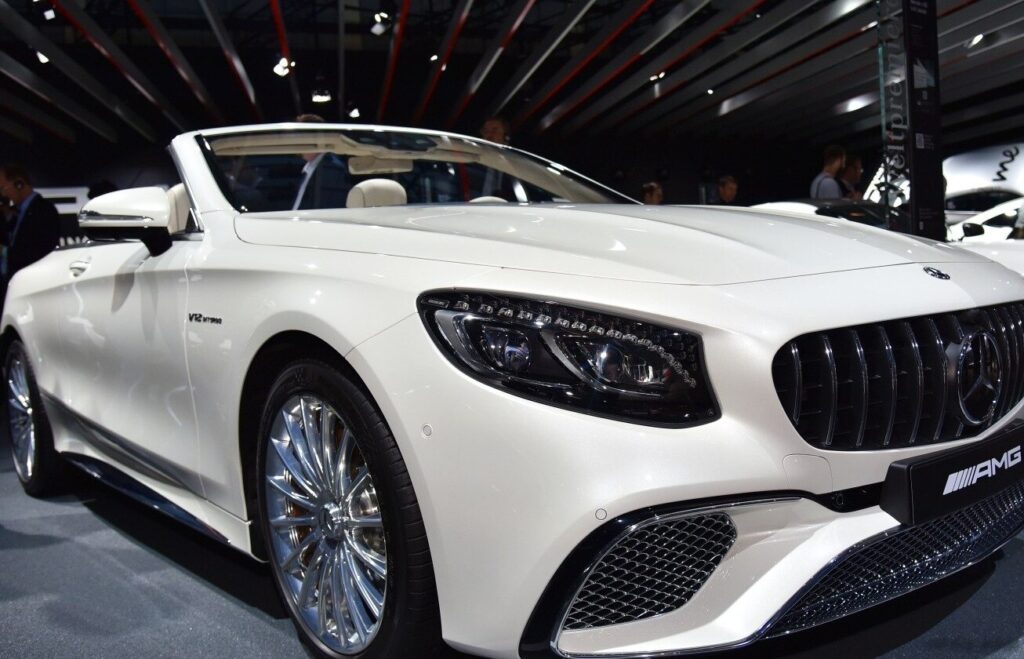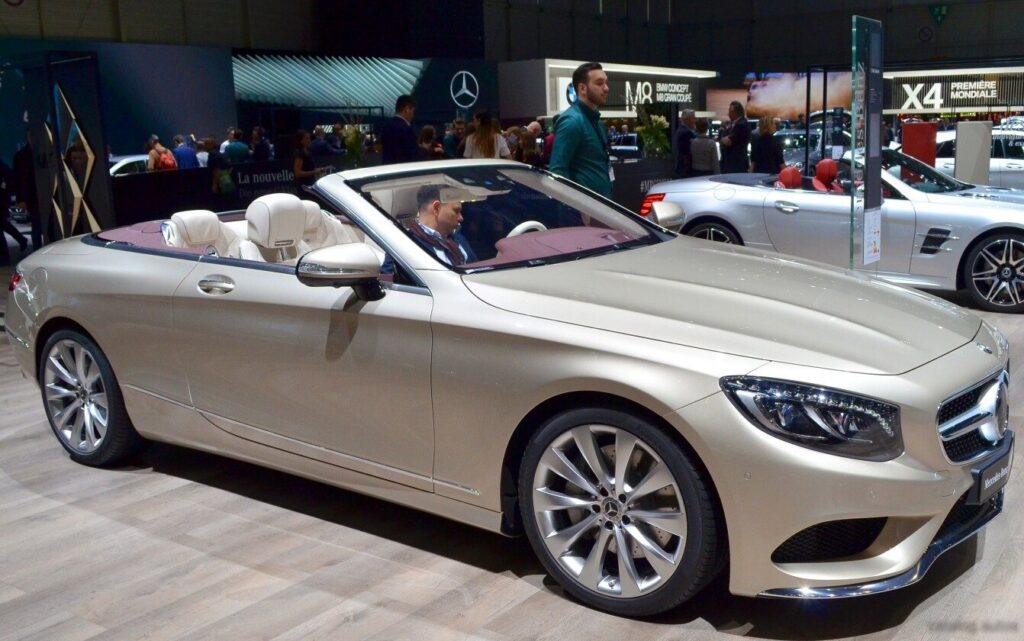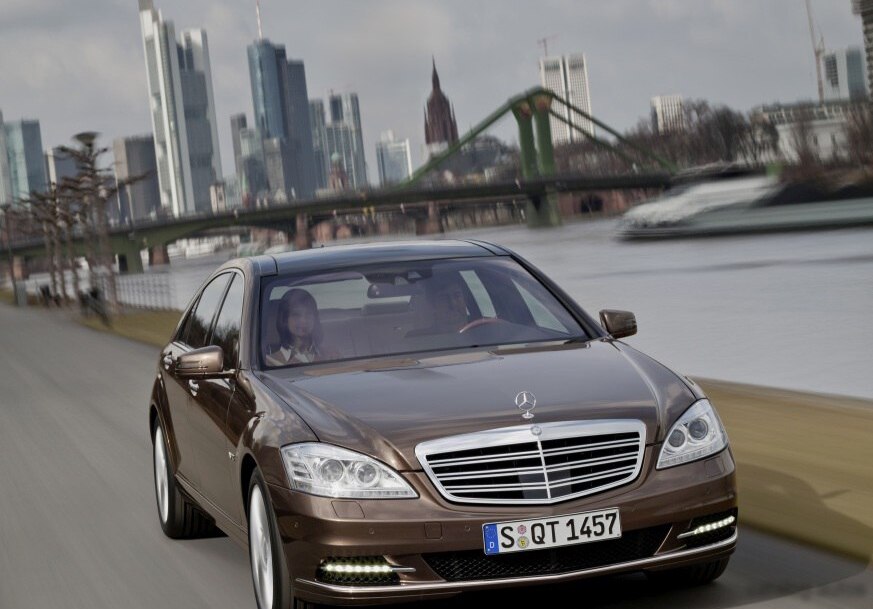
The Mercedes-Benz S-Class Long (V221 facelift), specifically the AMG S 63 variant produced from July 2010 to May 2013, represents the pinnacle of luxury and performance within the W221 generation. This long-wheelbase version, primarily aimed at markets desiring increased rear passenger space, combined the S-Class’s renowned comfort with the formidable power of Mercedes-AMG’s 5.5-liter V8 engine. Positioned as the flagship performance model, the S 63 occupied the top tier of the S-Class lineup, exceeding the capabilities of the S 550 and other naturally aspirated variants. It served as a direct competitor to high-performance luxury sedans like the Porsche Panamera Turbo and the BMW 760Li.
Technical Specifications
| Brand | Mercedes-Benz |
| Model | S-class |
| Generation | S-class Long (V221, facelift 2009) |
| Type (Engine) | AMG S 63 V8 (544 Hp) AMG SPEEDSHIFT MCT |
| Start of production | July, 2010 |
| End of production | May, 2013 |
| Powertrain Architecture | Internal Combustion engine |
| Body type | Sedan |
| Seats | 4-5 |
| Doors | 4 |
| Fuel consumption (economy) – urban (NEDC) | 14.4 l/100 km (16.3 US mpg, 19.6 UK mpg, 6.9 km/l) |
| Fuel consumption (economy) – extra urban (NEDC) | 8.2 l/100 km (28.7 US mpg, 34.4 UK mpg, 12.2 km/l) |
| Fuel consumption (economy) – combined (NEDC) | 10.5 l/100 km (22.4 US mpg, 26.9 UK mpg, 9.5 km/l) |
| CO2 emissions (NEDC) | 244 g/km |
| Fuel Type | Petrol (Gasoline) |
| Acceleration 0 – 100 km/h | 4.5 sec |
| Acceleration 0 – 62 mph | 4.5 sec |
| Acceleration 0 – 60 mph | 4.3 sec |
| Maximum speed | 250 km/h (155.34 mph), Electronically limited |
| Emission standard | Euro 5 |
| Weight-to-power ratio | 3.9 kg/Hp, 259.7 Hp/tonne |
| Weight-to-torque ratio | 2.6 kg/Nm, 381.9 Nm/tonne |
| Power | 544 Hp @ 5250-5750 rpm |
| Power per litre | 99.6 Hp/l |
| Torque | 800 Nm @ 2000-4500 rpm (590.05 lb.-ft. @ 2000-4500 rpm) |
| Engine layout | Front, Longitudinal |
| Engine Model/Code | M 157.980 |
| Engine displacement | 5461 cm3 (333.25 cu. in.) |
| Number of cylinders | 8 |
| Engine configuration | V-engine |
| Cylinder Bore | 98 mm (3.86 in.) |
| Piston Stroke | 90.5 mm (3.56 in.) |
| Compression ratio | 10:1 |
| Number of valves per cylinder | 4 |
| Fuel injection system | Direct injection |
| Engine aspiration | BiTurbo, Intercooler |
| Valvetrain | DOHC |
| Engine oil capacity | 8.5 l (8.98 US qt | 7.48 UK qt) |
| Coolant | 11.5 l (12.15 US qt | 10.12 UK qt) |
| Kerb Weight | 2095 kg (4618.68 lbs.) |
| Max. weight | 2695 kg (5941.46 lbs.) |
| Max load | 600 kg (1322.77 lbs.) |
| Trunk (boot) space – minimum | 560 l (19.78 cu. ft.) |
| Fuel tank capacity | 90 l (23.78 US gal | 19.8 UK gal) |
| Max. roof load | 100 kg (220.46 lbs.) |
| Length | 5226 mm (205.75 in.) |
| Width | 1871 mm (73.66 in.) |
| Width including mirrors | 2120 mm (83.46 in.) |
| Height | 1479 mm (58.23 in.) |
| Wheelbase | 3165 mm (124.61 in.) |
| Front track | 1600 mm (62.99 in.) |
| Rear (Back) track | 1606 mm (63.23 in.) |
| Front overhang | 888 mm (34.96 in.) |
| Rear overhang | 1173 mm (46.18 in.) |
| Minimum turning circle | 12.22 m (40.09 ft.) |
| Drivetrain Architecture | Rear wheel drive |
| Number of gears and type of gearbox | 7 gears, automatic transmission AMG SPEEDSHIFT MCT |
| Front suspension | Hydraulic elements, Double wishbone, Transverse stabilizer |
| Rear suspension | Hydraulic elements, Independent multi-link suspension, Transverse stabilizer |
| Front brakes | Ventilated discs |
| Rear brakes | Ventilated discs |
| Tires size | Front wheel tires: 255/40 R19 Rear wheel tires: 275/40 R19 |
| Wheel rims size | Front wheel rims: 8.5J x 19 Rear wheel rims: 9.5J x 19 |
Powertrain & Engine Architecture
The heart of the AMG S 63 is the M157.980 5.5-liter V8 engine. This powerplant is notable for its extensive use of forced induction, employing twin turbochargers to deliver a substantial 544 horsepower and 800 Nm (590 lb-ft) of torque. The engine features direct fuel injection, a DOHC valvetrain, and an intercooler to manage intake temperatures. The M157 engine family was a significant departure for AMG, moving away from supercharging in favor of turbocharging for improved efficiency and broader torque delivery. The AMG SPEEDSHIFT MCT 7-speed automatic transmission, a multi-clutch transmission, was specifically tuned for rapid and precise gear changes. Unlike a traditional torque converter automatic, the MCT utilizes a wet clutch pack, contributing to quicker shifts and a more direct driving feel. This transmission featured Comfort, Sport, and Manual modes, allowing the driver to tailor the shift points to their preferences.
Driving Characteristics
The AMG S 63 offered a compelling blend of luxury and performance. The 544 hp and 800 Nm of torque translated into exhilarating acceleration – 0 to 60 mph in approximately 4.3 seconds and a limited top speed of 155 mph. The long wheelbase contributed to a smooth and stable ride, while the AMG-tuned suspension minimized body roll during cornering. The MCT transmission provided quick and decisive shifts, enhancing the sporty driving experience. Compared to the standard S-Class models, the S 63 offered significantly more power and a more aggressive driving character. While the standard automatic transmissions in other S-Class variants prioritized comfort and fuel efficiency, the MCT transmission in the S 63 was geared towards performance. The S 63 also felt noticeably heavier than its naturally aspirated siblings, but the substantial power output more than compensated for the added weight.
Equipment & Trim Levels
The AMG S 63 came standard with a comprehensive array of luxury features. Interior appointments included premium leather upholstery, wood trim, and heated/ventilated front seats with massage functions. Standard technology included a COMAND infotainment system with navigation, a premium sound system, and a suite of driver-assistance features such as adaptive cruise control, lane-keeping assist, and parking guidance. Optional extras included a rear-seat entertainment system, a panoramic sunroof, and various customization options for interior materials and finishes. The long wheelbase provided ample rear legroom, making it a particularly appealing choice for chauffeured transport.
Chassis & Braking
The S 63 featured an air suspension system with AMG-specific tuning, providing a comfortable ride while maintaining excellent handling characteristics. The suspension utilized hydraulic elements and adaptive damping to adjust to varying road conditions. Braking duties were handled by ventilated discs on all four wheels, equipped with AMG-branded calipers. The braking system was designed to withstand the demands of high-performance driving and provided ample stopping power. The S 63 also incorporated ABS, electronic stability control, and traction control systems to enhance safety and stability.
Market Reception & Comparison
The AMG S 63 was generally well-received by automotive critics, who praised its powerful engine, luxurious interior, and refined driving experience. However, some reviewers noted the relatively high fuel consumption and the complexity of the infotainment system. Compared to the S 550, the S 63 offered a significant performance advantage but came at a substantial price premium. The S 63 also faced competition from other high-performance luxury sedans, such as the Porsche Panamera Turbo and the BMW 760Li. In terms of reliability, the M157 engine proved to be generally robust, although some owners reported issues with the turbochargers and the valve cover gaskets.
Legacy
The V221 AMG S 63 remains a desirable vehicle in the used car market, appreciated for its combination of luxury, performance, and prestige. The M157 engine, while complex, has proven to be relatively durable with proper maintenance. However, potential buyers should be aware of the potential for costly repairs related to the turbochargers and other engine components. The S 63 represents a significant milestone in the evolution of the Mercedes-AMG brand, showcasing the company’s ability to create high-performance luxury vehicles that deliver an exceptional driving experience. Its influence can be seen in subsequent generations of the AMG S-Class, which continue to push the boundaries of performance and luxury.