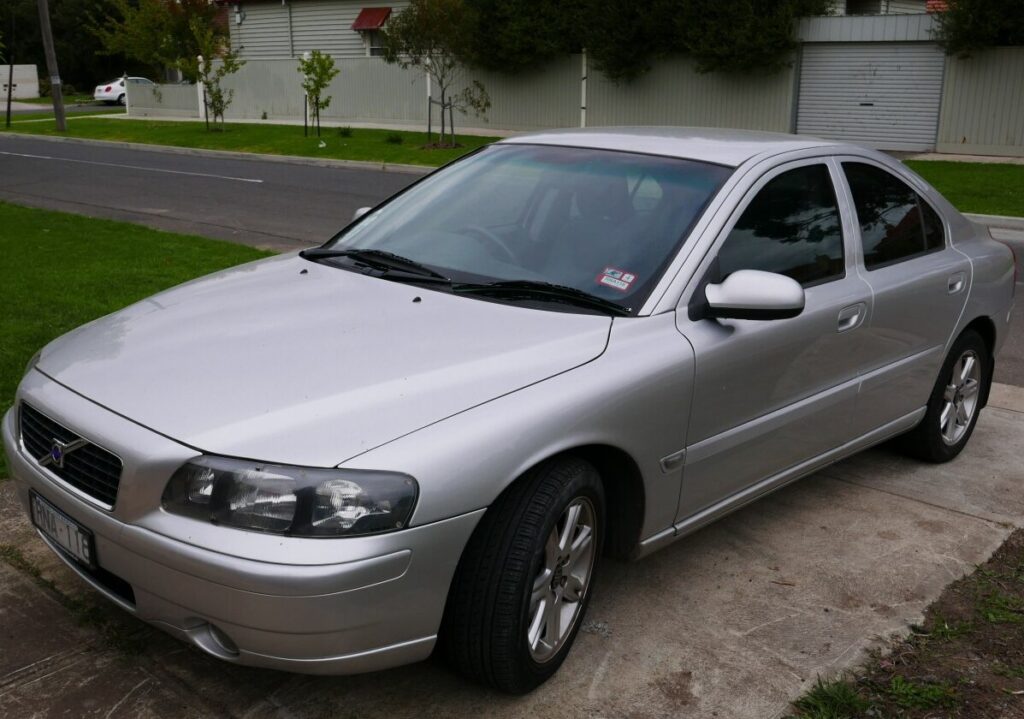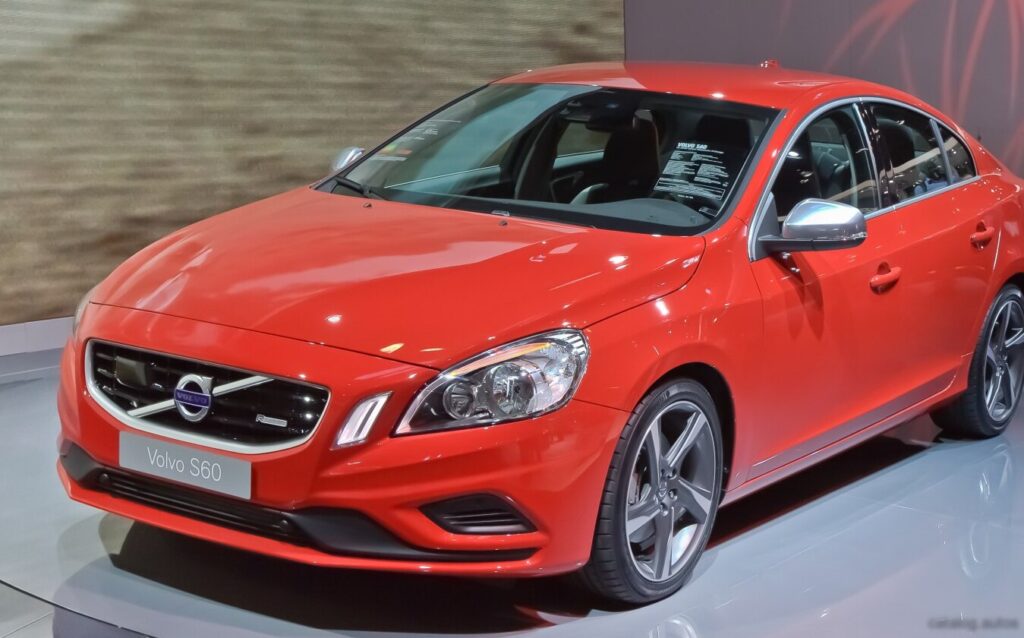
The Volvo S60 II 2.0 T, produced from 2010 to 2011, represented a key offering in Volvo’s second-generation S60 lineup (internally designated as the 134 platform). Positioned as a mid-range trim, it bridged the gap between the base models and the higher-performance variants like the T6. This model aimed to deliver a balance of fuel efficiency, respectable performance, and Volvo’s renowned safety features, primarily targeting buyers in the European market, though it was also available in North America. The 2.0 T distinguished itself with a turbocharged four-cylinder engine paired with a six-speed manual transmission, offering a more engaging driving experience than the available automatic options.
Technical Specifications
| Brand | Volvo |
| Model | S60 |
| Generation | S60 II |
| Type (Engine) | 2.0 T (203 Hp) |
| Start of production | 2010 |
| End of production | 2011 |
| Powertrain Architecture | Internal Combustion engine |
| Body type | Sedan |
| Seats | 5 |
| Doors | 4 |
| Fuel consumption (urban) | 11.3 l/100 km (20.8 US mpg) |
| Fuel consumption (extra urban) | 6.3 l/100 km (37.3 US mpg) |
| Fuel consumption (combined) | 7.9 l/100 km (29.8 US mpg) |
| CO2 emissions | 189 g/km |
| Fuel Type | Petrol (Gasoline) |
| Acceleration 0 – 100 km/h | 7.7 sec |
| Acceleration 0 – 62 mph | 7.7 sec |
| Acceleration 0 – 60 mph | 7.3 sec |
| Emission standard | Euro 5 |
| Weight-to-power ratio | 8.4 kg/Hp |
| Weight-to-torque ratio | 5.7 kg/Nm |
| Power | 203 Hp @ 6000 rpm |
| Torque | 300 Nm @ 1750-4000 rpm (221.27 lb.-ft.) |
| Engine layout | Front, Transverse |
| Engine Model/Code | B4204T6 |
| Engine displacement | 1999 cm3 (121.99 cu. in.) |
| Number of cylinders | 4 |
| Engine configuration | Inline |
| Cylinder Bore | 87.5 mm (3.44 in.) |
| Piston Stroke | 83.1 mm (3.27 in.) |
| Fuel injection system | Direct injection |
| Engine aspiration | Turbocharger, Intercooler |
| Engine oil capacity | 4.1 l (4.33 US qt) |
| Coolant capacity | 10.5 l (11.1 US qt) |
| Kerb Weight | 1711 kg (3772.11 lbs.) |
| Max. weight | 2220 kg (4894.26 lbs.) |
| Max load | 509 kg (1122.15 lbs.) |
| Trunk (boot) space | 380 l (13.42 cu. ft.) |
| Fuel tank capacity | 67.5 l (17.83 US gal) |
| Length | 4628 mm (182.2 in.) |
| Width | 1865 mm (73.43 in.) |
| Height | 1484 mm (58.43 in.) |
| Wheelbase | 2776 mm (109.29 in.) |
| Front track | 1588 mm (62.52 in.) |
| Rear track | 1585 mm (62.4 in.) |
| Minimum turning circle | 11.3 m (37.07 ft.) |
| Drivetrain | Front wheel drive |
| Number of gears | 6 |
| Gearbox type | Manual transmission |
| Front suspension | Independent type McPherson |
| Rear suspension | Independent multi-link suspension |
| Front brakes | Ventilated discs, 336 mm |
| Rear brakes | Disc, 302 mm |
| Tires size | 235/40 R18 |
| Wheel rims size | 8J x 18 |
Powertrain & Engine Architecture
The heart of the S60 II 2.0 T is the B4204T6 engine, a 1.999-liter inline-four cylinder powerplant. This engine utilizes direct fuel injection and a single turbocharger with an intercooler to boost power output. The direct injection system, a key feature, allows for precise fuel delivery, improving both efficiency and performance. The turbocharger provides increased air intake, resulting in the 203 horsepower and 300 Nm (221 lb-ft) of torque. The engine’s architecture is relatively compact, allowing for a transverse mounting within the engine bay, contributing to the car’s front-wheel-drive configuration. The six-speed manual transmission offered precise gear changes and a more connected driving experience compared to the optional automatic.
Driving Characteristics
The 2.0 T offered a noticeably different driving experience compared to the more powerful T6 variant. While not as brutally quick, the 203 hp engine provided ample power for everyday driving and confident highway merging. Acceleration from 0-60 mph took around 7.3 seconds. The manual transmission allowed drivers to fully utilize the engine’s torque band, providing good responsiveness. The gear ratios were well-matched for both city and highway driving, with a relatively long sixth gear aimed at improving fuel economy during cruising. Compared to the automatic versions, the manual offered a more engaging and controlled driving experience, appealing to enthusiasts.
Equipment & Trim Levels
The S60 II 2.0 T typically came standard with features like climate control, power windows and locks, a basic audio system, and Volvo’s suite of safety features, including ABS, traction control, and multiple airbags. Upholstery was generally cloth, though leather options were available. Optional extras included a premium audio system, navigation, sunroof, and parking sensors. The trim level often dictated the availability of these options, with higher trims offering more standard features. The interior design was typically Scandinavian, emphasizing simplicity and functionality.
Chassis & Braking
The S60 II 2.0 T utilized an independent McPherson strut suspension in the front and an independent multi-link suspension in the rear. This setup provided a comfortable ride while maintaining good handling characteristics. The front brakes were ventilated discs measuring 336mm, while the rear brakes were solid discs measuring 302mm. ABS (Anti-lock Braking System) was standard, enhancing braking performance and stability. The chassis was designed to balance rigidity and weight, contributing to the car’s overall handling dynamics. Stabilizer bars were included to reduce body roll during cornering.
Market Reception & Comparison
The S60 II 2.0 T was generally well-received by automotive critics as a practical and efficient option within the premium sedan segment. It was praised for its comfortable ride, good fuel economy (around 29.8 US mpg combined), and Volvo’s renowned safety features. However, some critics noted that the engine lacked the outright performance of its competitors and the higher-end Volvo models. Compared to the T6, the 2.0 T offered a more affordable entry point into the S60 lineup, appealing to buyers who prioritized fuel efficiency and value over outright performance. The 1.6T diesel variant was also a competitor, offering even better fuel economy but less horsepower.
Legacy
The B4204T6 engine, while not without its quirks, proved to be a relatively reliable powertrain when properly maintained. Common issues included occasional turbocharger problems and oil leaks. However, these were generally addressable with routine maintenance and timely repairs. Today, the S60 II 2.0 T represents an affordable entry point into the Volvo brand for used car buyers. Its combination of practicality, safety, and reasonable running costs makes it a compelling option for those seeking a comfortable and reliable sedan. Parts availability is generally good, and the car’s relatively simple mechanical design makes it accessible for DIY repairs.