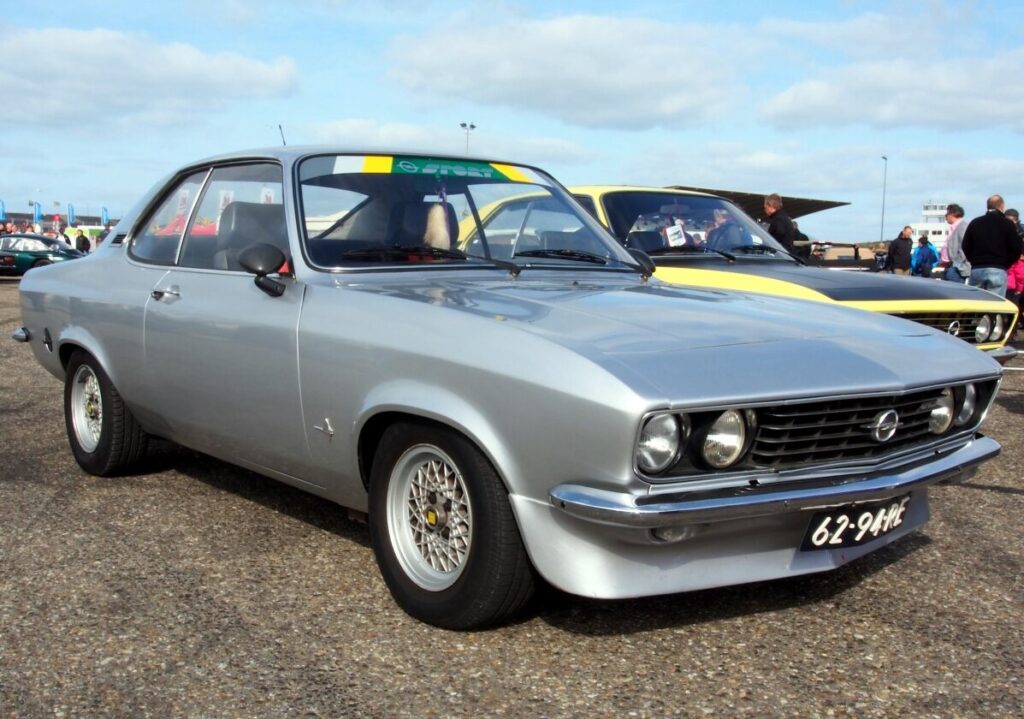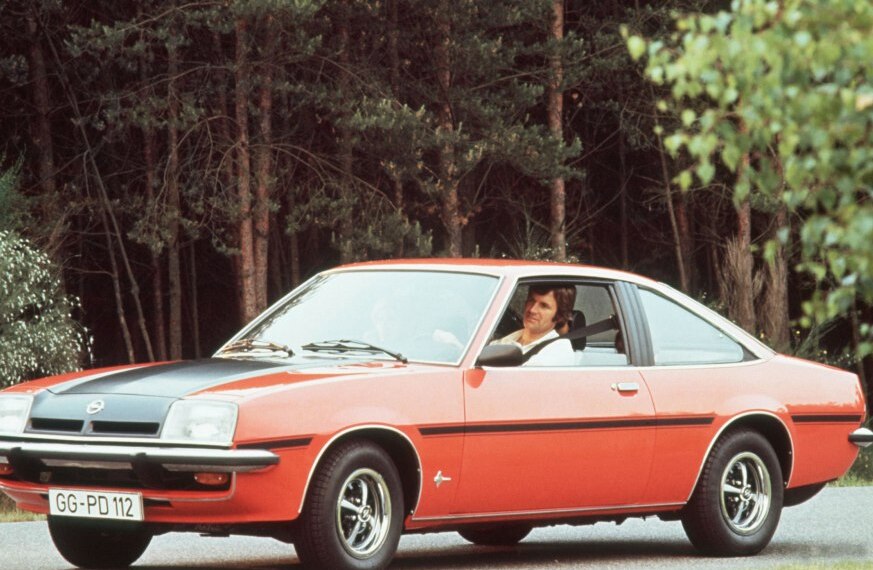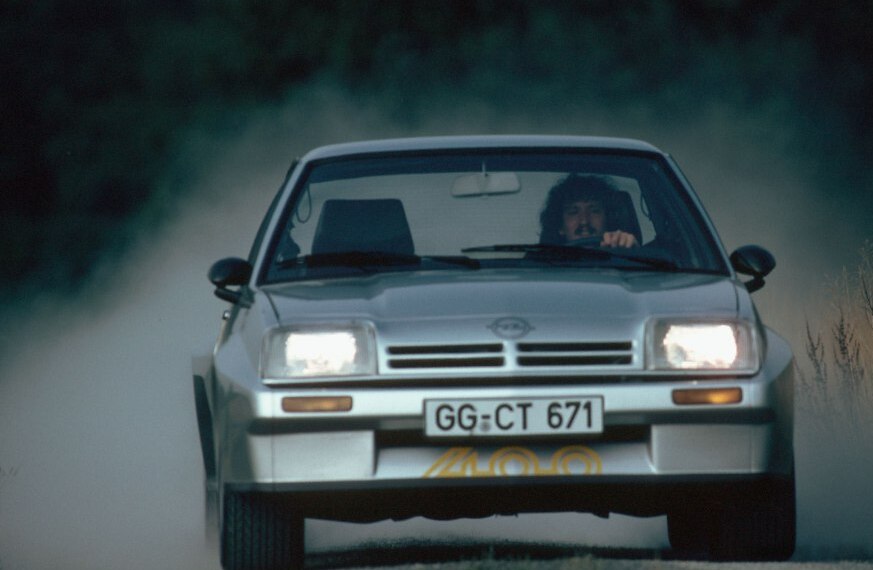
The Opel Manta B 2.0 i200, produced from 1983 to 1984, represented a significant step up in performance for the Manta line. This facelifted version of the Manta B, internally designated as the 1HX0, aimed to blend sporty styling with respectable power, appealing to drivers seeking a coupe with a bit more punch. Positioned as a mid-range offering within the Manta B lineup, the 2.0 i200 sat above the base 1.6-liter models but below the later, more exclusive GSE variants. It was primarily marketed in Europe, where the Manta enjoyed a strong following as an affordable and stylish personal coupe.
Technical Specifications
| Brand | Opel |
| Model | Manta |
| Generation | Manta B (facelift 1982) |
| Type (Engine) | 2.0 i200 (125 Hp) |
| Start of production | 1983 |
| End of production | 1984 |
| Powertrain Architecture | Internal Combustion engine |
| Body type | Coupe |
| Seats | 4 |
| Doors | 2 |
| Fuel Type | Petrol (Gasoline) |
| Acceleration 0 – 100 km/h | 9.5 sec |
| Acceleration 0 – 62 mph | 9.5 sec |
| Acceleration 0 – 60 mph | 9 sec |
| Maximum speed | 198 km/h (123.03 mph) |
| Weight-to-power ratio | 8.5 kg/Hp, 117.4 Hp/tonne |
| Weight-to-torque ratio | 7 kg/Nm, 143.7 Nm/tonne |
| Power | 125 Hp @ 5400 rpm |
| Power per litre | 63.2 Hp/l |
| Torque | 153 Nm @ 4700 rpm (112.85 lb.-ft. @ 4700 rpm) |
| Engine layout | Front, Longitudinal |
| Engine Model/Code | 20E |
| Engine displacement | 1979 cm3 (120.77 cu. in.) |
| Number of cylinders | 4 |
| Engine configuration | Inline |
| Cylinder Bore | 95 mm (3.74 in.) |
| Piston Stroke | 69.8 mm (2.75 in.) |
| Compression ratio | 9:1 |
| Number of valves per cylinder | 2 |
| Fuel injection system | Multi-port manifold injection |
| Engine aspiration | Naturally aspirated engine |
| Valvetrain | SOHC |
| Engine oil capacity | 3.8 l (4.02 US qt | 3.34 UK qt) |
| Coolant | 6.8 l (7.19 US qt | 5.98 UK qt) |
| Kerb Weight | 1065 kg (2347.92 lbs.) |
| Max. weight | 1400 kg (3086.47 lbs.) |
| Max load | 335 kg (738.55 lbs.) |
| Trunk (boot) space – maximum | 490 l (17.3 cu. ft.) |
| Fuel tank capacity | 50 l (13.21 US gal | 11 UK gal) |
| Length | 4475 mm (176.18 in.) |
| Width | 1670 mm (65.75 in.) |
| Height | 1320 mm (51.97 in.) |
| Wheelbase | 2518 mm (99.13 in.) |
| Minimum turning circle | 10.5 m (34.45 ft.) |
| Drivetrain Architecture | The Internal combustion engine (ICE) drives the rear wheels of the vehicle. |
| Drive wheel | Rear wheel drive |
| Number of gears | 4 gears, manual transmission |
| Front brakes | Disc |
| Rear brakes | Drum |
| Tires size | 195/60 R14 |
| Wheel rims size | 14 |
Powertrain & Engine Architecture
The heart of the Manta B 2.0 i200 is the Opel 20E engine, a 1979cc inline-four cylinder unit. This engine featured a single overhead camshaft (SOHC) valvetrain operating two valves per cylinder. Crucially, it employed Bosch multi-port fuel injection, a significant upgrade over the carburetors found in earlier Manta models. This injection system, combined with a compression ratio of 9:1, allowed the engine to produce 125 horsepower at 5400 rpm and 153 Nm (113 lb-ft) of torque at 4700 rpm. The engine’s longitudinal front-engine layout was typical for rear-wheel-drive cars of the era. The 20E was known for its relative durability, though proper maintenance was essential to prevent issues with oil leaks and timing chain wear. The transmission was a four-speed manual, providing a direct connection to the rear wheels.
Driving Characteristics
The 2.0 i200 offered a noticeable improvement in performance over the lower-displacement Mantas. Acceleration to 60 mph took around 9.5 seconds, and it could achieve a top speed of approximately 123 mph. While not a sports car in the modern sense, the Manta 2.0 i200 provided a lively driving experience. The four-speed manual transmission offered reasonable control, but the gear ratios weren’t particularly optimized for fuel economy. The rear-wheel-drive configuration contributed to a balanced feel, although oversteer could be induced with aggressive driving. Compared to the later GSE models with their closer-ratio gearboxes and slightly higher output, the 2.0 i200 felt a bit more relaxed, prioritizing usability over outright performance.
Equipment & Trim Levels
The Manta B 2.0 i200 typically came equipped with basic but functional features. Standard equipment included cloth upholstery, a basic instrument cluster, and manual windows and locks. Optional extras included a sunroof, upgraded stereo systems, and alloy wheels. The interior design was fairly simple, reflecting the car’s price point. The dashboard layout was straightforward, with clearly marked gauges for speed, fuel level, and engine temperature. The 2.0 i200 often featured a more refined interior trim compared to the base models, with slightly better materials and detailing.
Chassis & Braking
The Manta B utilized a relatively simple chassis design. It featured independent front suspension with MacPherson struts and a solid rear axle with leaf springs. The braking system consisted of disc brakes on the front wheels and drum brakes on the rear. While adequate for the car’s weight and performance, the rear drum brakes were a limitation compared to the all-disc setups found on some competitors. Stabilizer bars were fitted to both the front and rear axles, helping to reduce body roll during cornering. The suspension tuning was geared towards providing a comfortable ride, although it could feel a bit soft in spirited driving.
Market Reception & Comparison
The Manta B 2.0 i200 was generally well-received by automotive critics as a capable and affordable coupe. It offered a good balance of performance, style, and practicality. However, some reviewers noted that the interior was somewhat dated and that the handling wasn’t as sharp as some of its rivals, such as the Ford Capri. In terms of fuel economy, the 2.0 i200 offered reasonable figures for its time, but it wasn’t as efficient as the smaller-engined Manta models or the diesel variants. Compared to the higher-spec GSE models, the 2.0 i200 represented a more accessible entry point into the Manta range, appealing to buyers who prioritized value over ultimate performance.
Legacy
The Opel Manta B 2.0 i200, while not the most sought-after variant, remains a popular classic car among enthusiasts. The 20E engine is known for its relative reliability, although regular maintenance is crucial to prevent issues. Parts availability is generally good, although some specific trim pieces can be difficult to find. Today, the Manta B 2.0 i200 represents an affordable and stylish entry into the world of classic coupes, offering a nostalgic driving experience and a connection to a bygone era of automotive design. Well-maintained examples are increasingly collectible, and the car continues to enjoy a dedicated following among Opel enthusiasts.