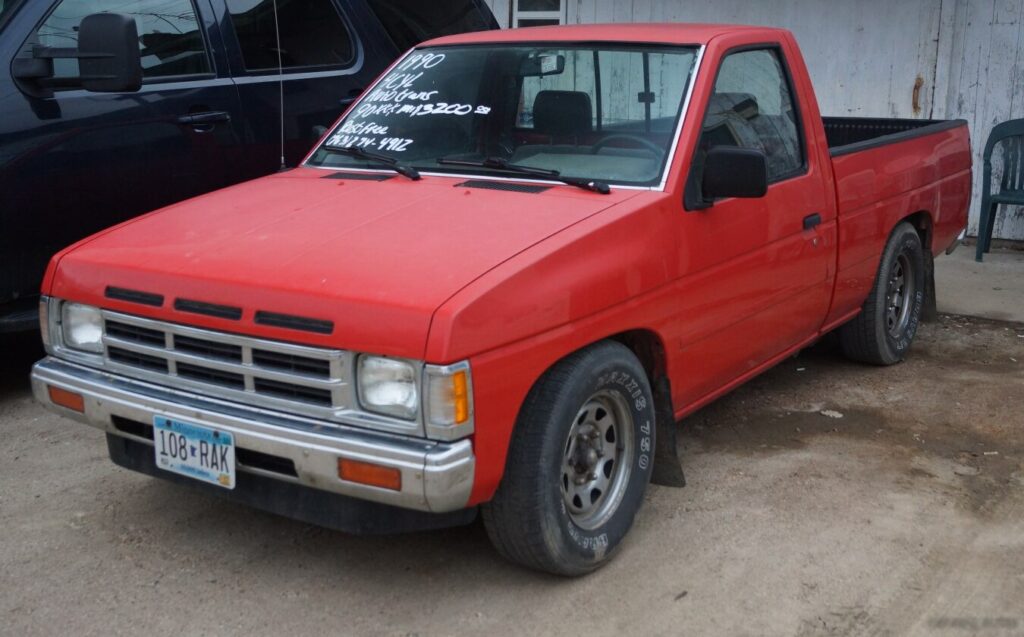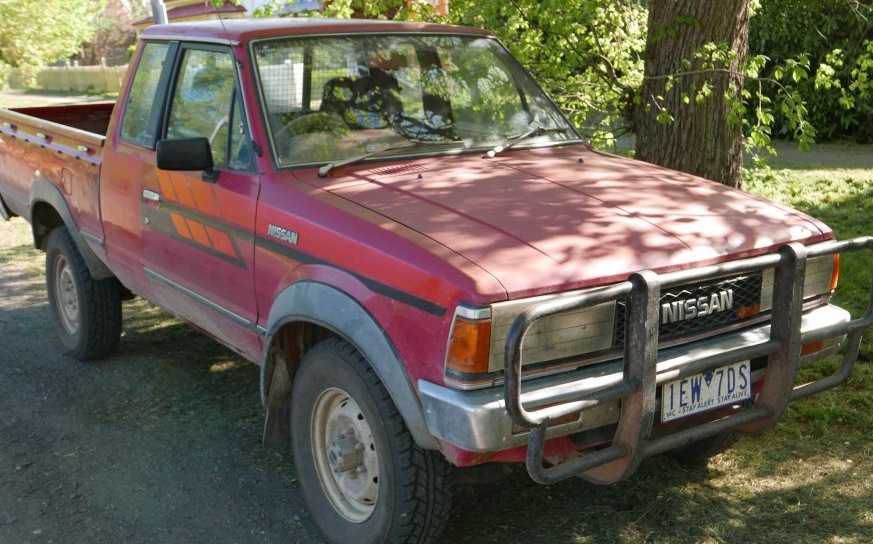
The Nissan Pickup (720), produced from 1983 to 1986, represented a significant step forward for Nissan’s compact truck offerings in the North American market. This generation, designated the D21 internally, built upon the success of the earlier 620 model, offering increased size, improved comfort, and a wider range of configurations. The 2.5 D (72 hp) 4WD variant occupied a crucial position in the lineup, aimed at buyers needing a robust, dependable work truck capable of handling demanding tasks and challenging terrain. It served as a workhorse for farmers, ranchers, and tradespeople, prioritizing utility and durability over outright performance. This model was a key player in establishing Nissan as a serious contender in the competitive American pickup truck segment.
Technical Specifications
| Brand | Nissan |
| Model | Pick UP (720) |
| Generation | Pick UP (720) |
| Type (Engine) | 2.5 D (72 Hp) 4WD |
| Start of production | 1983 |
| End of production | 1986 |
| Powertrain Architecture | Internal Combustion engine |
| Body type | Pick-up |
| Fuel Type | Diesel |
| Power | 72 Hp |
| Engine aspiration | Naturally aspirated engine |
Powertrain & Engine Architecture
The heart of the 2.5 D 4WD Pickup (720) was the SD25 diesel engine, a 2.5-liter inline-four cylinder powerplant. This engine was a naturally aspirated, indirect injection diesel, designed for reliability and low-end torque rather than high horsepower figures. The SD25 featured a cast iron block and head, contributing to its robust construction and longevity. Fuel injection was mechanical, utilizing a Bosch rotary injection pump. This system, while not as refined as later electronic systems, proved to be durable and relatively easy to maintain. The engine produced 72 horsepower at approximately 3,200 rpm and around 118 lb-ft of torque. The torque curve was relatively flat, providing usable power across a broad range of engine speeds. The transmission paired with the SD25 was typically a four-speed manual, though a five-speed manual was also available in some markets. A three-speed automatic transmission was offered as an option, though it was less common with the diesel engine due to the engine’s relatively low power output and the automatic’s tendency to reduce fuel economy. The 4WD system was a part-time system, engaged via a lever located inside the cab, shifting between 2WD, 4HI, and 4LO.
Driving Characteristics
The 2.5 D 4WD Pickup (720) was not designed for speed. Acceleration was modest, and highway passing required careful planning. However, the engine’s strong low-end torque made it well-suited for hauling loads and navigating challenging off-road conditions. The four-wheel-drive system provided excellent traction in slippery conditions, and the relatively short wheelbase contributed to its maneuverability. The suspension, consisting of independent front suspension with coil springs and a leaf-spring rear suspension, provided a reasonably comfortable ride, even when the truck was loaded. The steering was manual in most configurations, offering a direct feel but requiring more effort at low speeds. Compared to the gasoline-powered versions of the 720, the 2.5 D offered significantly better fuel economy, making it an attractive option for those who drove long distances or used the truck extensively for work. However, the diesel engine was noticeably louder and produced more vibration than the gasoline engines. The automatic transmission, when equipped, further diminished acceleration, but provided ease of use for drivers accustomed to automatic gearboxes.
Equipment & Trim Levels
The 2.5 D 4WD Pickup (720) was typically offered in a fairly basic trim level, reflecting its work-oriented focus. Standard equipment generally included a vinyl bench seat, basic instrumentation (speedometer, fuel gauge, temperature gauge), and a heater. Air conditioning, power steering, and upgraded interior trim were available as optional extras. The exterior featured a simple, functional design with minimal chrome trim. Bed options included standard length and long bed configurations. The dashboard layout was straightforward and utilitarian, prioritizing functionality over aesthetics. The 1983-1986 models saw minor cosmetic updates, including changes to the grille and headlight surrounds. The overall interior ambiance was spartan but durable, designed to withstand the rigors of daily use.
Chassis & Braking
The 720 Pickup (720) utilized a body-on-frame construction, providing a robust and durable platform. The chassis was designed to withstand heavy loads and off-road abuse. The front suspension featured independent double wishbones with coil springs, while the rear suspension employed a leaf spring setup. Brakes were typically disc brakes in the front and drum brakes in the rear. Power-assisted brakes were optional. The 2.5 D 4WD models generally featured heavier-duty suspension components and larger tires to accommodate the increased weight and demands of off-road driving. A stabilizer bar was often included in the front suspension to reduce body roll. The frame itself was fully boxed, enhancing its strength and rigidity. The steering system was a recirculating ball type, providing a direct but somewhat heavy feel.
Market Reception & Comparison
The Nissan Pickup (720) 2.5 D 4WD was well-received by buyers seeking a dependable and affordable work truck. Critics praised its durability, fuel economy, and off-road capability. However, the engine’s limited power output and relatively noisy operation were often cited as drawbacks. Compared to the gasoline-powered 720 models, the 2.5 D offered superior fuel economy but significantly less performance. It also competed with other compact diesel pickups of the era, such as the Chevrolet S-10 and Ford Ranger, offering a comparable level of utility and reliability. The Nissan’s reputation for build quality and its relatively affordable price point helped it gain market share in the competitive pickup truck segment. The diesel variant appealed to a specific niche of buyers who prioritized fuel efficiency and durability over outright speed and refinement.
Legacy
The Nissan Pickup (720) 2.5 D 4WD has earned a reputation as a reliable and long-lasting vehicle. Many examples are still on the road today, testament to the quality of its construction and the durability of the SD25 diesel engine. While parts availability can be a challenge, the engine is relatively simple to maintain and repair. In the used car market, these trucks are often sought after by enthusiasts and those looking for a dependable work vehicle. The 720 laid the foundation for Nissan’s continued success in the pickup truck market, paving the way for the Frontier and Titan models. The SD25 diesel engine, while not a powerhouse, proved to be a durable and fuel-efficient powerplant, earning the respect of owners and mechanics alike. The 720 remains a popular choice for restoration projects and off-road modifications, demonstrating its enduring appeal and versatility.