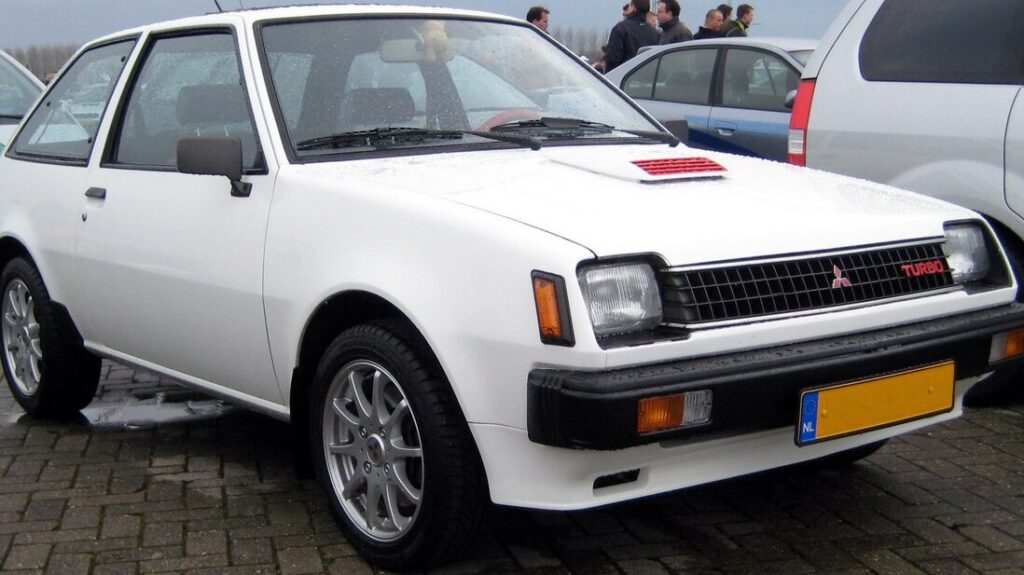
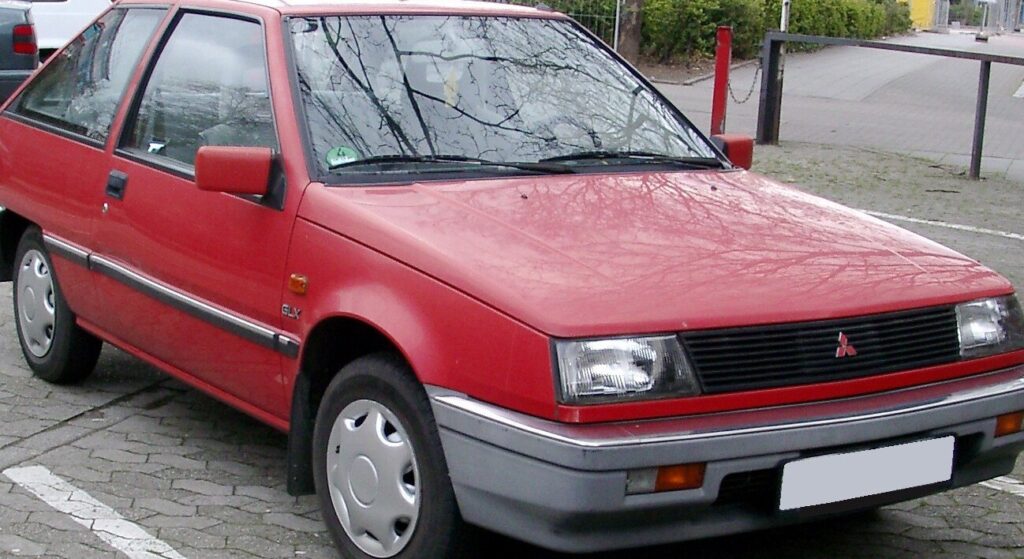
The Mitsubishi Colt Lancer Station Wagon (A7_K) 1.4, produced between 1978 and 1979, represented a practical and economical offering within the broader Colt Lancer range. This variant, characterized by its modest 68 horsepower engine and station wagon body style, was aimed at buyers prioritizing fuel efficiency and cargo capacity over outright performance. It occupied the entry-level position within the A7_K series, serving as a more affordable alternative to the larger-engined and better-equipped models. The A7_K generation itself was a significant step for Mitsubishi, representing a move towards more modern styling and engineering compared to its predecessors.
Technical Specifications
| Brand | Mitsubishi |
| Model | Colt Lancer |
| Generation | Colt Lancer Station Wagon (A7_K) |
| Type (Engine) | 1.4 (68 Hp) |
| Start of production | 1978 |
| End of production | 1979 |
| Powertrain Architecture | Internal Combustion engine |
| Body type | Station wagon (estate) |
| Fuel Type | Petrol (Gasoline) |
| Power | 68 Hp |
| Engine aspiration | Naturally aspirated engine |
Powertrain & Engine Architecture
The heart of the Colt Lancer 1.4 station wagon was a 1.4-liter, naturally aspirated four-cylinder engine. While the specific engine code isn’t widely documented for this particular variant, it likely falls within Mitsubishi’s early 1970s engine family. This engine featured a relatively simple design, utilizing a single overhead camshaft (SOHC) valvetrain and a two-barrel carburetor for fuel delivery. The carburetor system, common for the era, provided adequate fuel atomization for the engine’s modest power output. The engine’s bore and stroke dimensions contributed to its focus on low-end torque rather than high-revving power. The engine was paired with a typically three or four-speed automatic transmission, designed for smooth, if not particularly rapid, gear changes. This automatic transmission was chosen to enhance the vehicle’s appeal to drivers seeking convenience and ease of use, particularly in urban environments.
Driving Characteristics
The 1.4-liter engine and automatic transmission combination resulted in a driving experience geared towards practicality and economy. Acceleration was modest, with 0 to 60 mph times likely exceeding 15 seconds. The automatic transmission’s gear ratios were optimized for fuel efficiency, meaning the engine often operated at lower RPMs during cruising. This contributed to a relatively quiet and comfortable ride, but also limited the vehicle’s ability to handle steep inclines or overtake quickly. Compared to potential manual transmission versions or larger-engined Colt Lancer models, the 1.4 automatic felt noticeably slower. However, the automatic transmission provided a smoother and more forgiving driving experience, particularly for less experienced drivers. The power delivery was linear, with peak torque available at relatively low engine speeds, making it suitable for everyday driving tasks.
Equipment & Trim Levels
The 1.4 station wagon typically represented the base trim level within the A7_K range. Standard equipment was relatively sparse, reflecting its position as an affordable family vehicle. Interior upholstery was generally vinyl or a basic cloth material, with simple dashboard instrumentation. Features like a radio were often optional extras. The focus was on providing a functional and durable interior rather than luxury. Exterior features were similarly basic, with steel wheels, chrome bumpers, and limited brightwork. Optional extras could include upgraded upholstery, a more powerful radio, and potentially even air conditioning, though the latter was less common in this entry-level trim.
Chassis & Braking
The Colt Lancer A7_K utilized a conventional body-on-frame construction, typical for station wagons of the era. The suspension consisted of independent front suspension with coil springs and a live rear axle with leaf springs. This setup provided a reasonable balance between ride comfort and load-carrying capacity. Braking was typically accomplished with drum brakes on all four wheels, although some markets may have offered front disc brakes as an option. The braking system was adequate for the vehicle’s weight and power output, but lacked the stopping power of more modern braking systems. Steering was typically unassisted, requiring more effort at low speeds. Stabilizer bars were generally absent on the base 1.4 model, contributing to a slightly more pronounced body roll during cornering.
Market Reception & Comparison
The Mitsubishi Colt Lancer 1.4 station wagon was generally well-received as a practical and affordable family vehicle. Critics praised its fuel efficiency and spacious interior, but noted its lack of performance. Compared to other station wagons available at the time, such as those from Ford or Vauxhall/Opel, the Colt Lancer offered a competitive price point and a reputation for reliability. However, it lacked the refinement and features of some of its rivals. Within the Colt Lancer lineup, the 1.4 automatic was positioned as the entry-level option, appealing to buyers on a budget. Larger-engined models, such as the 1.6 or 2.0-liter versions, offered significantly more performance but came at a higher price. The 1.4’s fuel economy was a key selling point, particularly during the late 1970s when fuel prices were rising.
Legacy
The Mitsubishi Colt Lancer A7_K 1.4 station wagon, while not a particularly iconic model, played a role in establishing Mitsubishi’s presence in the European and other international markets. The powertrain, while simple, proved to be relatively durable and reliable. Today, surviving examples are relatively rare, and are often sought after by Mitsubishi enthusiasts and collectors. The 1.4 engine’s simplicity makes it relatively easy to maintain, although finding replacement parts can be challenging. In the used car market, these vehicles are valued for their classic styling and nostalgic appeal. While not a performance car by any means, the Colt Lancer 1.4 station wagon represents a practical and honest offering from a bygone era of automotive engineering.