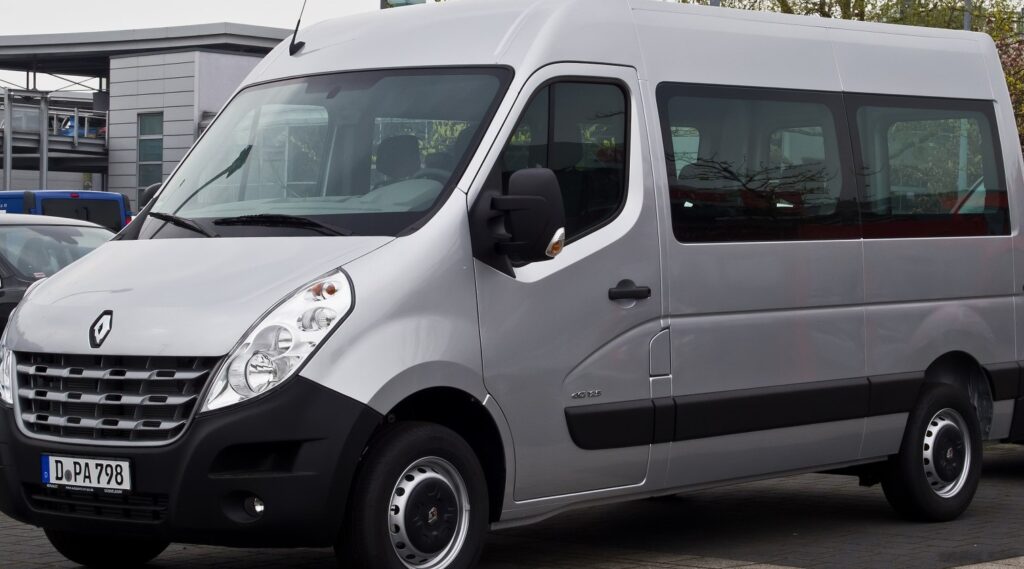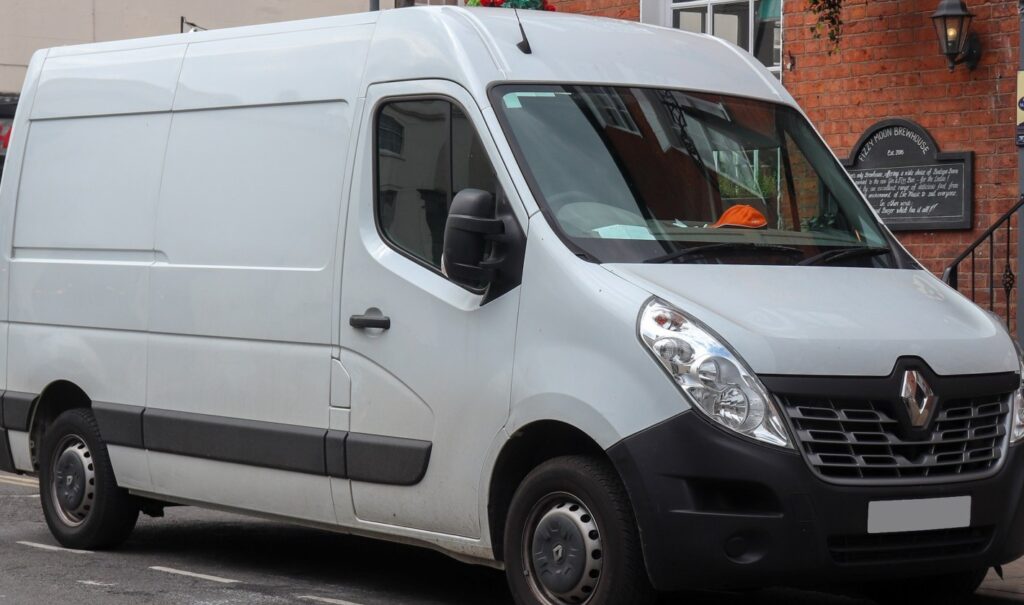
The Renault Master III (Phase II), specifically the 2.3 dCi 110 horsepower panel van in L2H2 MM33 configuration, represents a significant iteration of Renault’s large van offering, produced from 2014 to 2016. Positioned as a workhorse for commercial applications, this variant aimed to balance practicality, fuel efficiency, and affordability within the Master lineup. The Phase II update brought refinements to the engine, styling, and interior compared to the earlier Master III models. It served as a crucial component of Renault’s commercial vehicle strategy in Europe, competing with offerings from Fiat, Ford, and Volkswagen. This particular configuration, with its emphasis on load capacity and reasonable running costs, was popular with businesses requiring a versatile and dependable van.
Technical Specifications
| Brand | Renault |
| Model | Master |
| Generation | Master III (Phase II, 2014) Panel Van |
| Type (Engine) | 2.3 dCi (110 Hp) L2H2 MM33 |
| Start of production | 2014 |
| End of production | 2016 |
| Powertrain Architecture | Internal Combustion engine |
| Body type | Minivan, MPV |
| Seats | 3 |
| Doors | 4 |
| Fuel consumption (urban) | 8.9-9.2 l/100 km (26.4 – 25.6 US mpg) |
| Fuel consumption (extra urban) | 7-7.6 l/100 km (33.6 – 30.9 US mpg) |
| Fuel consumption (combined) | 7.7-8.2 l/100 km (30.5 – 28.7 US mpg) |
| CO2 emissions | 201-216 g/km |
| Fuel Type | Diesel |
| Emission standard | Euro 5 |
| Weight-to-power ratio | 17.1 kg/Hp, 58.5 Hp/tonne |
| Weight-to-torque ratio | 6.6 kg/Nm, 151.6 Nm/tonne |
| Power | 110 Hp @ 3500 rpm |
| Power per litre | 47.9 Hp/l |
| Torque | 285 Nm @ 1500 rpm (210.21 lb.-ft. @ 1500 rpm) |
| Engine Model/Code | M9T |
| Engine displacement | 2298 cm3 (140.23 cu. in.) |
| Number of cylinders | 4 |
| Engine configuration | Inline |
| Cylinder Bore | 85 mm (3.35 in.) |
| Piston Stroke | 101.5 mm (4 in.) |
| Number of valves per cylinder | 4 |
| Fuel injection system | Diesel Commonrail |
| Engine aspiration | Turbocharger, Intercooler |
| Engine oil capacity | 8 l (8.45 US qt | 7.04 UK qt) |
| Coolant | 11 l (11.62 US qt | 9.68 UK qt) |
| Kerb Weight | 1880 kg (4144.69 lbs.) |
| Max. weight | 3300 kg (7275.25 lbs.) |
| Max load | 1420 kg (3130.56 lbs.) |
| Trunk (boot) space – maximum | 10800 l (381.4 cu. ft.) |
| Fuel tank capacity | 105 l (27.74 US gal | 23.1 UK gal) |
| Permitted trailer load with brakes (12%) | 2500 kg (5511.56 lbs.) |
| Permitted trailer load without brakes | 750 kg (1653.47 lbs.) |
| Length | 5548 mm (218.43 in.) |
| Width | 2070 mm (81.5 in.) |
| Width including mirrors | 2470 mm (97.24 in.) |
| Height | 2499 mm (98.39 in.) |
| Wheelbase | 3682 mm (144.96 in.) |
| Front track | 1750 mm (68.9 in.) |
| Rear (Back) track | 1730 mm (68.11 in.) |
| Front overhang | 842 mm (33.15 in.) |
| Rear overhang | 1024 mm (40.31 in.) |
| Ride height (ground clearance) | 174 mm (6.85 in.) |
| Minimum turning circle (turning diameter) | 14.1 m (46.26 ft.) |
| Drivetrain Architecture | Front wheel drive |
| Drive wheel | Front wheel drive |
| Number of gears and type of gearbox | 6 gears, manual transmission |
| Front suspension | Independent, type McPherson with coil spring and anti-roll bar |
| Rear suspension | Leaf spring |
| Front brakes | Ventilated discs, 302×28 mm |
| Rear brakes | Disc, 305×12 mm |
| Tires size | 225/65 R16 |
| Wheel rims size | 16 |
Powertrain & Engine Architecture
The heart of this Master variant is the Renault M9T 2.3-liter inline-four cylinder diesel engine. This engine, a staple in Renault’s commercial vehicle range, utilizes a common rail direct injection system to deliver fuel directly into the combustion chamber at extremely high pressure. This technology, coupled with a turbocharger and intercooler, allows for a good balance of power and fuel efficiency. The M9T engine is known for its relatively robust construction, though earlier versions had some issues with turbocharger reliability which were largely addressed by the Phase II update. The 110 horsepower output is achieved at 3500 rpm, while peak torque of 285 Nm (210.21 lb-ft) is available from just 1500 rpm, providing ample low-end grunt for hauling loads. The engine is paired with a six-speed manual transmission, chosen for its durability and cost-effectiveness in commercial applications. While an automated manual transmission (AMT) was available on some Master models, it wasn’t commonly paired with this specific engine and power output.
Driving Characteristics
The 110 hp 2.3 dCi Master, with its manual transmission, offers a practical, if not particularly exciting, driving experience. The emphasis is on usability and load-carrying capability. Acceleration is modest, and the van feels most comfortable when maintaining a steady speed on the highway. The six-speed gearbox is well-matched to the engine’s torque curve, allowing for relaxed cruising at highway speeds. Compared to higher-output versions of the Master (like the 125 or 150 hp variants), this model feels noticeably slower, especially when fully loaded. However, the lower power output also contributes to improved fuel economy. The gear ratios are optimized for hauling, prioritizing torque over outright speed. The driving position is upright and commanding, providing good visibility of the road ahead.
Equipment & Trim Levels
The L2H2 MM33 trim level represents a mid-range offering within the Master III range. Standard equipment typically included power steering, a driver’s airbag, an adjustable steering column, and basic steel wheels. The interior is functional and durable, with hard-wearing plastics and cloth upholstery. Air conditioning, a radio with MP3 compatibility, and electric windows were often optional extras. The L2H2 designation refers to the van’s length (L2 – medium length) and height (H2 – high roof), providing a generous cargo volume of approximately 10.8 cubic meters. The MM33 code likely denotes a specific equipment package or regional variation.
Chassis & Braking
The Renault Master III utilizes a front-wheel-drive layout, contributing to a lower load floor and improved space utilization. The front suspension employs an independent McPherson strut setup with coil springs and an anti-roll bar, providing a reasonable level of ride comfort. The rear suspension utilizes a more traditional leaf spring arrangement, chosen for its robustness and ability to handle heavy loads. Braking is handled by ventilated discs at the front and solid discs at the rear. Anti-lock Braking System (ABS) is standard. The steering is hydraulic power-assisted, providing a relatively light and easy driving experience, even when maneuvering in tight spaces.
Market Reception & Comparison
The Renault Master III 2.3 dCi 110 hp was generally well-received in the commercial vehicle market. Critics praised its practicality, fuel efficiency, and competitive pricing. However, some noted that the engine could feel underpowered when fully loaded, and the interior was somewhat basic compared to some rivals. Compared to the Volkswagen Crafter or Mercedes-Benz Sprinter, the Master offered a more affordable option, but lacked the same level of refinement. Against competitors like the Ford Transit, the Master held its own in terms of reliability and running costs. Fuel economy figures of 7.7-8.2 l/100 km were competitive for its class.
Legacy
The Renault Master III 2.3 dCi 110 hp has proven to be a relatively reliable workhorse in the used vehicle market. The M9T engine, while not without its quirks, is generally durable if properly maintained. Common issues include turbocharger wear (particularly on earlier models) and potential problems with the fuel injection system. However, parts availability is good, and repair costs are generally reasonable. Today, these vans are still commonly seen in service, testament to their robust construction and practicality. They represent a good value proposition for businesses seeking a dependable and affordable large van.