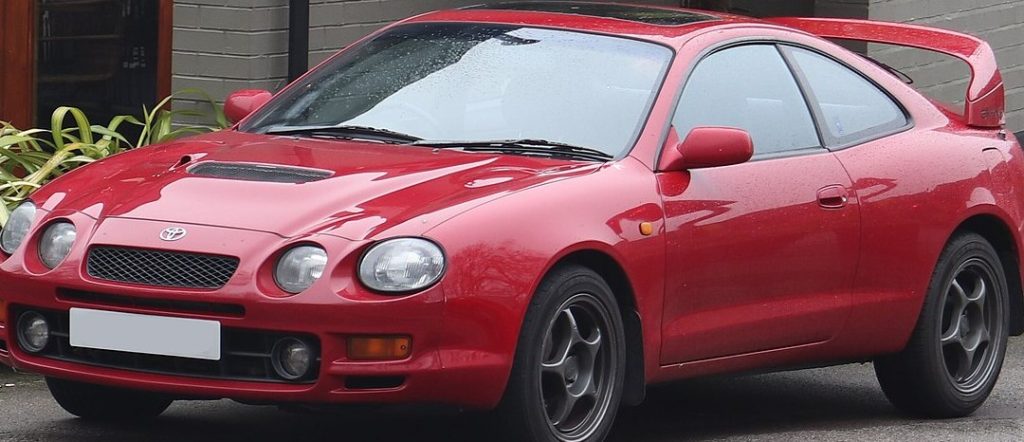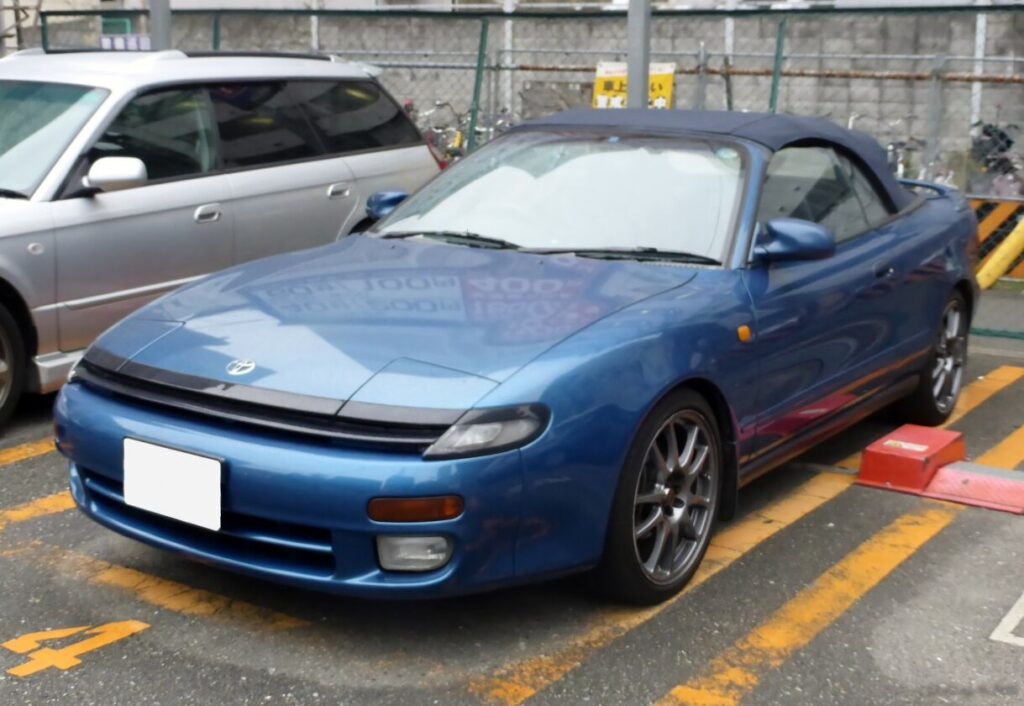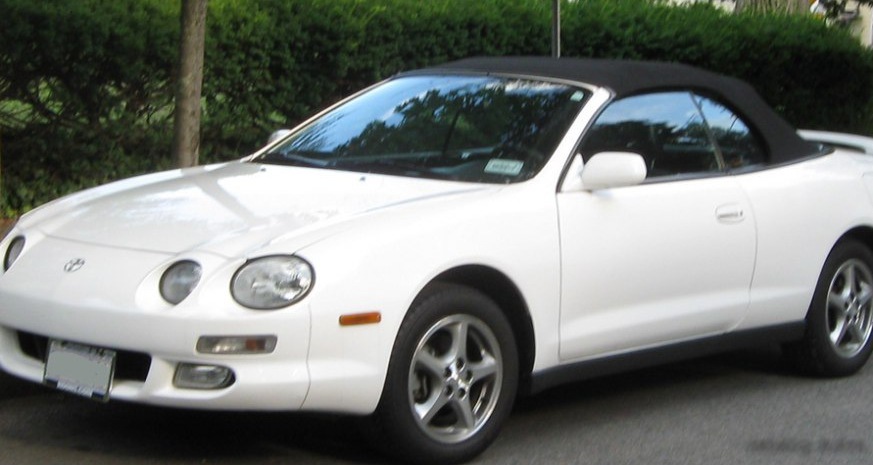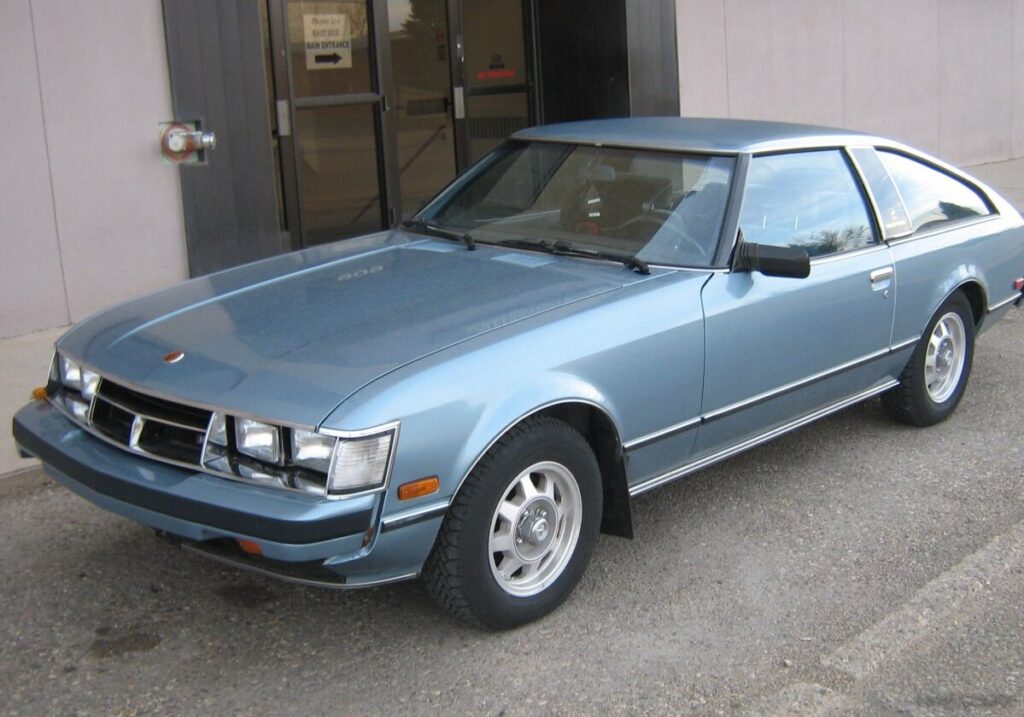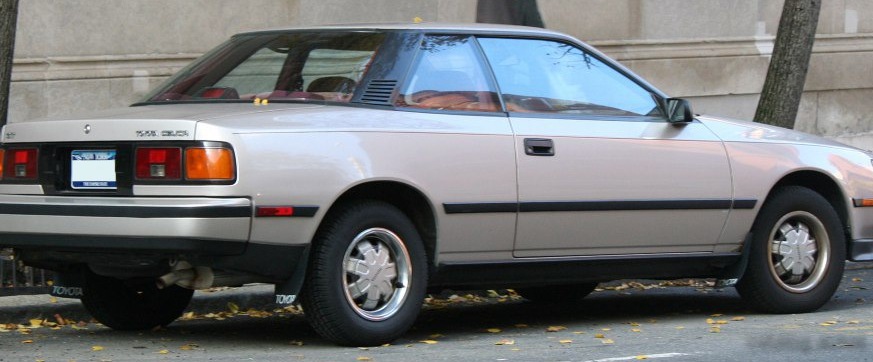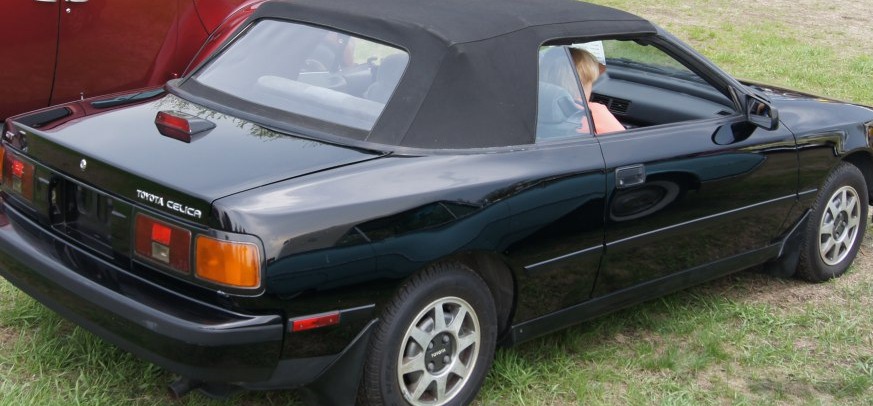
The Toyota Celica Cabrio (T16), specifically the 2.0 GT (ST162) variant producing 150 horsepower, represented a significant offering in Toyota’s lineup from 1987 to 1990. This model was part of the sixth generation (T16) Celica, which saw the introduction of the convertible body style to the Celica range. Positioned as a more stylish and accessible alternative to the coupe, the Cabrio aimed to attract buyers seeking open-air motoring with Toyota’s renowned reliability. It was built on the A60 platform, sharing many components with the Celica coupe but distinguished by its unique convertible design and slightly softer suspension tuning.
Technical Specifications
| Brand | Toyota |
| Model | Celica |
| Generation | Celica Cabrio (T16) |
| Type | 2.0 GT (ST162) (150 Hp) |
| Start of Production | 1987 |
| End of Production | 1990 |
| Powertrain Architecture | Internal Combustion Engine |
| Body Type | Cabriolet |
| Doors | 2 |
| Fuel Type | Petrol (Gasoline) |
| Power | 150 Hp |
| Engine Model/Code | 3S-GE |
| Engine Aspiration | Naturally Aspirated |
| Engine Oil Capacity | 3.9 l (4.12 US qt | 3.43 UK qt) |
| Coolant Capacity | 7 l (7.4 US qt | 6.16 UK qt) |
Powertrain & Engine Architecture
The heart of the Celica 2.0 GT Cabrio was the 3S-GE engine, a 1998cc (121.5 cubic inch) inline-four cylinder powerplant. This engine was a naturally aspirated, dual overhead camshaft (DOHC) design with four valves per cylinder. It featured multi-point fuel injection, contributing to its relatively smooth power delivery and improved fuel efficiency for the time. The 3S-GE was known for its robust construction and ability to withstand moderate modifications. The engine’s block was cast iron, while the cylinder head was aluminum, helping to manage weight. The 3S-GE in the ST162 configuration produced 150 horsepower at 6000 rpm and 132 lb-ft of torque at 4800 rpm. The engine was paired with a four-speed automatic transmission, which was the standard offering for this trim level. A five-speed manual transmission was available as an option, but the automatic was more popular among buyers prioritizing comfort and ease of use.
Driving Characteristics
The 2.0 GT Cabrio with the automatic transmission offered a comfortable and relaxed driving experience. While not a sports car in the purest sense, the 150 hp engine provided adequate power for everyday driving and cruising. Acceleration from 0 to 60 mph was estimated to be around 9-10 seconds, which was competitive for convertibles of the era. The automatic transmission featured relatively conservative gear ratios, prioritizing fuel economy and smooth shifts over outright performance. Compared to the five-speed manual version, the automatic felt slightly less responsive, particularly during quick overtaking maneuvers. The Cabrio’s suspension was tuned for comfort, resulting in a softer ride than the Celica coupe. This made it well-suited for long highway drives, but it also meant that it exhibited more body roll in corners. The steering was light and precise, making it easy to maneuver in urban environments.
Equipment & Trim Levels
The 2.0 GT trim level was considered the mid-range offering in the Celica Cabrio lineup. Standard features included power windows, power locks, and a basic sound system. The interior typically featured cloth upholstery, although leather was available as an optional upgrade. The dashboard layout was functional and straightforward, with easy-to-read gauges. Optional extras included a premium sound system, cruise control, and a power-operated convertible top. The convertible top itself was a manually operated soft top, although some later models featured an optional electric operation. The GT trim also included features like a rear spoiler and alloy wheels, enhancing its sporty appearance.
Chassis & Braking
The Celica Cabrio shared its chassis with the Celica coupe, but it underwent significant reinforcement to compensate for the lack of a fixed roof. This reinforcement added weight, but it ensured that the Cabrio maintained a reasonable level of structural rigidity. The front suspension consisted of MacPherson struts, while the rear suspension utilized a torsion beam setup. Braking duties were handled by disc brakes on the front wheels and drum brakes on the rear wheels. Anti-lock brakes (ABS) were available as an optional extra. The braking system was adequate for the car’s weight and performance, but it lacked the stopping power of more modern braking systems. Stabilizer bars were fitted to both the front and rear axles to reduce body roll during cornering.
Market Reception & Comparison
The Toyota Celica Cabrio was generally well-received by automotive critics. It was praised for its stylish design, comfortable ride, and Toyota’s reputation for reliability. However, some critics noted that the automatic transmission detracted from the driving experience, and the rear drum brakes were considered a weak point. Compared to other convertibles of the era, such as the Mazda MX-5 Miata, the Celica Cabrio offered more space and practicality, but it lacked the Miata’s focused handling. Fuel economy was respectable for the time, averaging around 22-26 mpg in combined driving. Reliability was a strong point, with the 3S-GE engine proving to be exceptionally durable. The Celica Cabrio competed primarily with other Japanese convertibles, such as the Nissan Pulsar Convertible and the Honda CR-X Convertible.
Legacy
The Toyota Celica Cabrio (T16) 2.0 GT (ST162) has become a popular choice among classic car enthusiasts. The 3S-GE engine is known for its longevity and relatively simple maintenance requirements. Parts availability is generally good, although some trim-specific components can be difficult to find. The automatic transmission, while not as desirable as the manual, is generally reliable if properly maintained. Today, well-maintained examples of the Celica Cabrio command reasonable prices in the used car market. The car’s enduring appeal lies in its combination of style, comfort, and Toyota’s legendary reliability, making it a desirable and accessible classic convertible for enthusiasts.