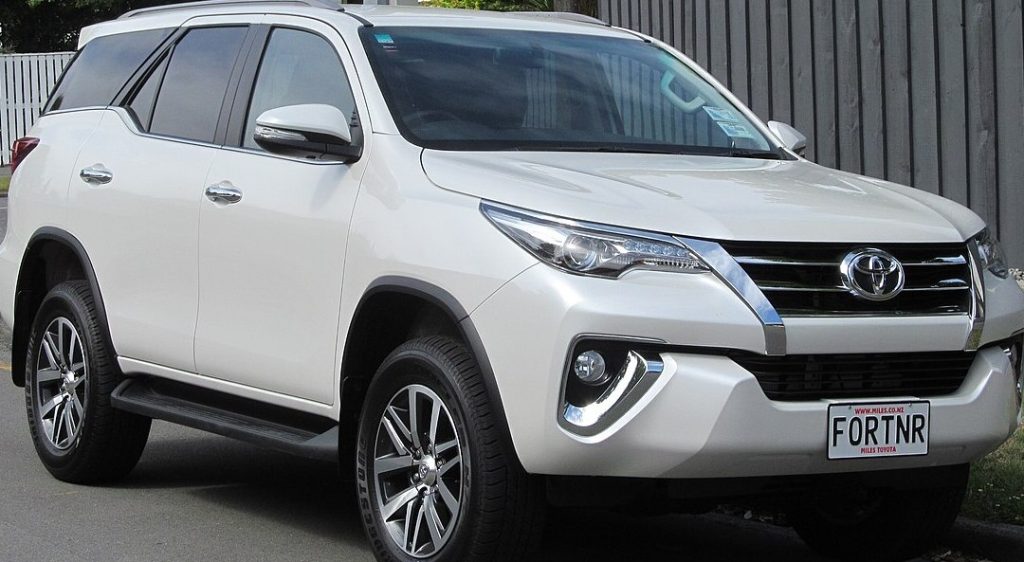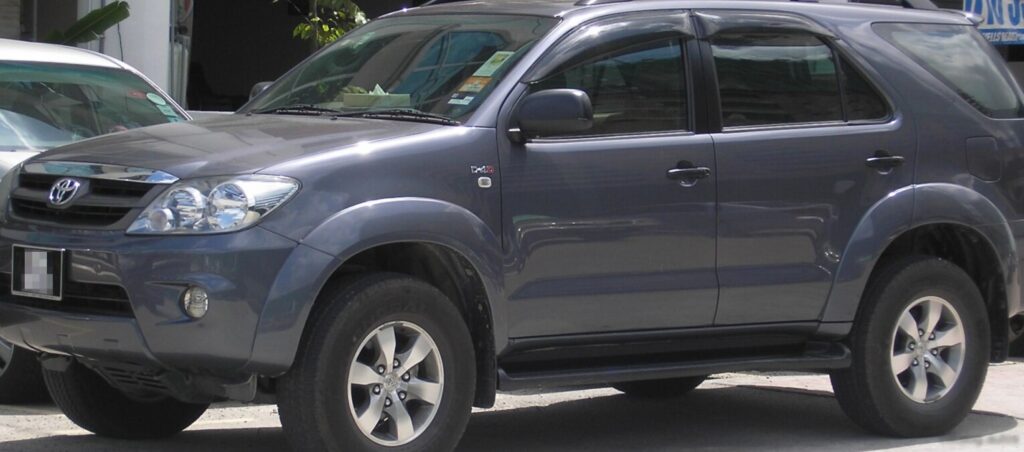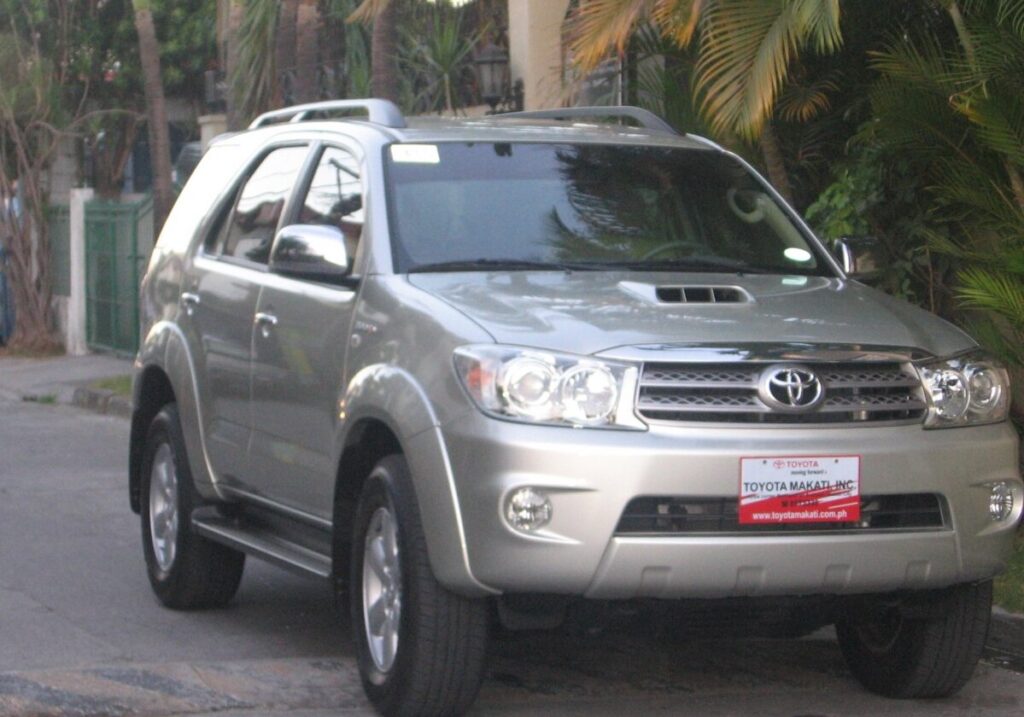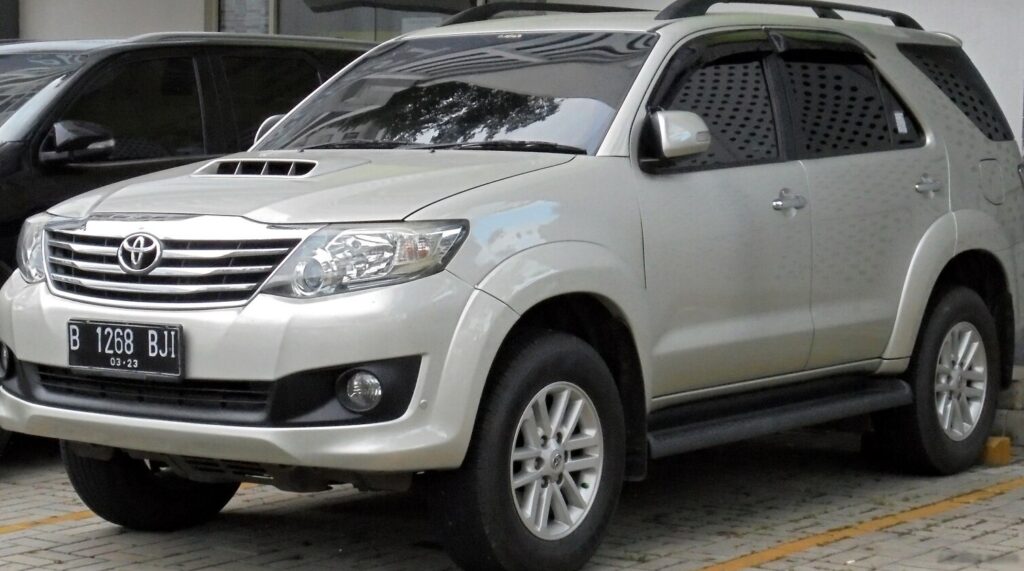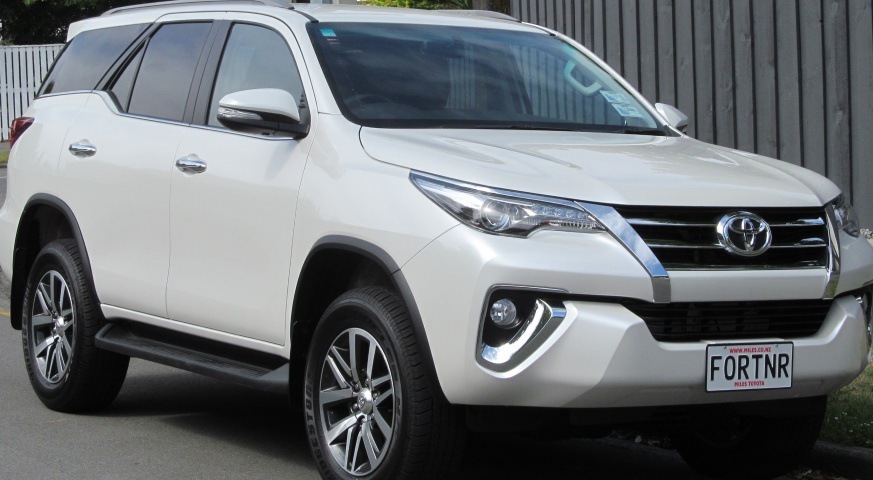
The Toyota Fortuner II 2.7i Automatic, produced between 2015 and 2020, represents a significant iteration of Toyota’s popular body-on-frame SUV. Positioned as a mid-range offering within the Fortuner II lineup – which also included diesel variants and differing trim levels – this gasoline-powered version catered to buyers prioritizing a smoother, quieter driving experience over ultimate fuel economy or towing capacity. Built primarily for markets in Asia, Africa, South America, and Australia, the Fortuner II aimed to provide a robust and reliable seven-seater SUV capable of handling both on-road comfort and moderate off-road conditions. This variant played a key role in expanding the Fortuner’s appeal beyond traditional off-road enthusiasts.
Technical Specifications
| Brand | Toyota |
| Model | Fortuner |
| Generation | Fortuner II |
| Type (Engine) | 2.7i (166 Hp) Automatic |
| Start of production | 2015 |
| End of production | 2020 |
| Powertrain Architecture | Internal Combustion engine |
| Body type | SUV |
| Seats | 7 |
| Doors | 5 |
| Fuel consumption (combined) | 10.5 l/100 km (22.4 US mpg, 26.9 UK mpg, 9.5 km/l) |
| CO2 emissions | 247 g/km |
| Fuel Type | Petrol (Gasoline) |
| Acceleration 0 – 100 km/h | 12.4 sec |
| Acceleration 0 – 62 mph | 12.4 sec |
| Acceleration 0 – 60 mph | 11.8 sec |
| Maximum speed | 175 km/h (108.74 mph) |
| Weight-to-power ratio | 15.1 kg/Hp, 66.4 Hp/tonne |
| Weight-to-torque ratio | 10.2 kg/Nm, 98 Nm/tonne |
| Power | 166 Hp @ 5200 rpm |
| Power per litre | 61.6 Hp/l |
| Torque | 245 Nm @ 4000 rpm (180.7 lb.-ft. @ 4000 rpm) |
| Engine layout | Front, Longitudinal |
| Engine Model/Code | 2TR-FE |
| Engine displacement | 2694 cm3 (164.4 cu. in.) |
| Number of cylinders | 4 |
| Engine configuration | Inline |
| Cylinder Bore | 95 mm (3.74 in.) |
| Piston Stroke | 95 mm (3.74 in.) |
| Compression ratio | 10.2:1 |
| Number of valves per cylinder | 4 |
| Fuel injection system | Multi-port manifold injection |
| Engine aspiration | Naturally aspirated engine |
| Valvetrain | DOHC, D-VVT-i |
| Engine oil capacity | 5.6 l (5.92 US qt | 4.93 UK qt) |
| Coolant | 8.1 l (8.56 US qt | 7.13 UK qt) |
| Kerb Weight | 2500 kg (5511.56 lbs.) |
| Fuel tank capacity | 80 l (21.13 US gal | 17.6 UK gal) |
| Length | 4795 mm (188.78 in.) |
| Width | 1855 mm (73.03 in.) |
| Height | 1835 mm (72.24 in.) |
| Wheelbase | 2745 mm (108.07 in.) |
| Minimum turning circle | 11.6 m (38.06 ft.) |
| Drivetrain Architecture | Rear wheel drive |
| Number of gears and type of gearbox | 6 gears, automatic transmission |
| Front suspension | Double wishbone |
| Rear suspension | Independent multi-link suspension |
| Front brakes | Ventilated discs |
| Rear brakes | Ventilated discs |
| Assisting systems | ABS (Anti-lock braking system) |
| Tires size | 265/65 R17 |
| Wheel rims size | 17 |
Powertrain & Engine Architecture
The heart of the Fortuner II 2.7i Automatic is the 2TR-FE engine, a 2.7-liter (2694 cc) inline-four cylinder gasoline engine. This engine utilizes a naturally aspirated configuration and benefits from Toyota’s Dual Variable Valve Timing-intelligent (D-VVT-i) system, optimizing valve timing for improved performance and fuel efficiency across the rev range. The 2TR-FE employs multi-port fuel injection, delivering fuel directly into the intake ports. The engine produces 166 horsepower at 5200 rpm and 245 Nm (180.7 lb-ft) of torque at 4000 rpm. Paired with this engine is a six-speed automatic transmission, designed to provide smooth gear changes and enhance drivability. This transmission was chosen to offer a more relaxed driving experience compared to the available manual transmission, appealing to a broader customer base.
Driving Characteristics
The 2.7i Automatic variant of the Fortuner II delivers a comfortable, if not particularly sporty, driving experience. Acceleration from 0-60 mph takes around 11.8 seconds, and 0-100 km/h in 12.4 seconds, making it noticeably slower than the diesel-powered models. The automatic transmission contributes to a smooth ride, but the engine can feel strained when climbing hills or carrying a full load of passengers and cargo. The six-speed automatic is tuned for fuel economy and comfort, meaning gear changes are often subtle and prioritize smoothness over aggressive downshifts. Compared to the manual transmission, the automatic offers less driver engagement but greater convenience, particularly in urban traffic. The rear-wheel-drive configuration provides a stable feel on paved roads, but limits traction in slippery conditions without engaging any available four-wheel drive systems.
Equipment & Trim Levels
The 2.7i Automatic trim typically included standard features such as air conditioning, power windows and locks, a basic audio system with USB connectivity, and fabric upholstery. Higher trim levels, often denoted with additional suffixes, added features like alloy wheels, a touchscreen infotainment system, rear parking sensors, and automatic climate control. Safety features generally included ABS brakes, airbags for the driver and front passenger, and seatbelt pretensioners. Optional extras could include a sunroof, leather upholstery, and a more advanced audio system. The interior design was functional and durable, prioritizing practicality over luxury.
Chassis & Braking
The Fortuner II utilizes a body-on-frame construction, providing a robust and durable chassis capable of handling rough terrain. The front suspension consists of a double wishbone setup, while the rear employs an independent multi-link suspension. This configuration aims to balance ride comfort with off-road capability. Braking duties are handled by ventilated disc brakes on all four wheels, providing adequate stopping power for the vehicle’s weight. The ABS (Anti-lock Braking System) is standard, enhancing safety during emergency braking situations. The vehicle’s relatively high curb weight of 2500 kg (5511.56 lbs) contributes to its stable handling but also impacts its acceleration and fuel economy.
Market Reception & Comparison
The Toyota Fortuner II 2.7i Automatic received mixed reviews. Critics generally praised its reliability, spacious interior, and comfortable ride. However, the engine’s performance was often criticized as being underpowered, especially when compared to the more potent diesel options. Fuel economy was also a concern, with the 2.7i consuming significantly more fuel than its diesel counterparts (10.5 l/100km). Compared to competitors like the Mitsubishi Pajero Sport and Isuzu MU-X, the Fortuner II 2.7i offered a compelling blend of reliability and comfort, but often lacked the outright performance or fuel efficiency of its rivals. The diesel variants were generally favored by buyers prioritizing towing capacity and fuel economy, while the 2.7i appealed to those seeking a smoother, quieter driving experience.
Legacy
The Toyota Fortuner II 2.7i Automatic has proven to be a relatively reliable vehicle in the long term, benefiting from Toyota’s reputation for build quality and durability. The 2TR-FE engine is known for its longevity, although regular maintenance is crucial to prevent issues such as oil leaks and timing chain wear. In the used car market, this variant remains a popular choice for families and individuals seeking a spacious, reliable, and affordable SUV. While not the most exciting vehicle to drive, its practicality and dependability have ensured its continued relevance and demand.