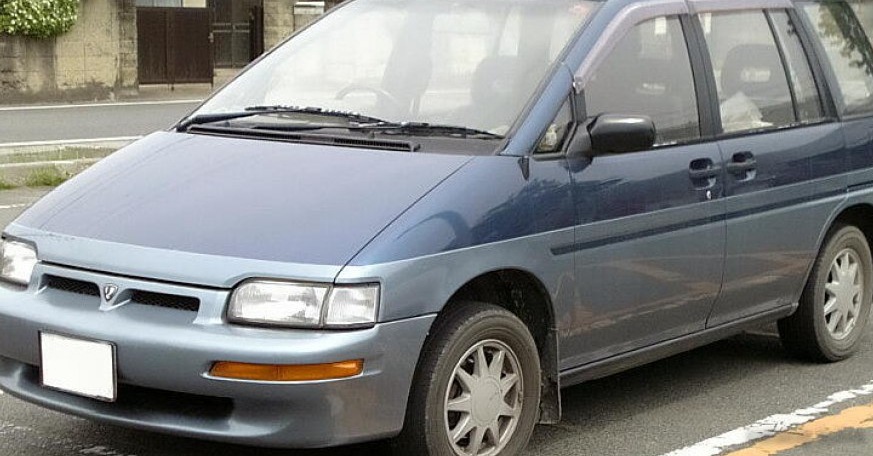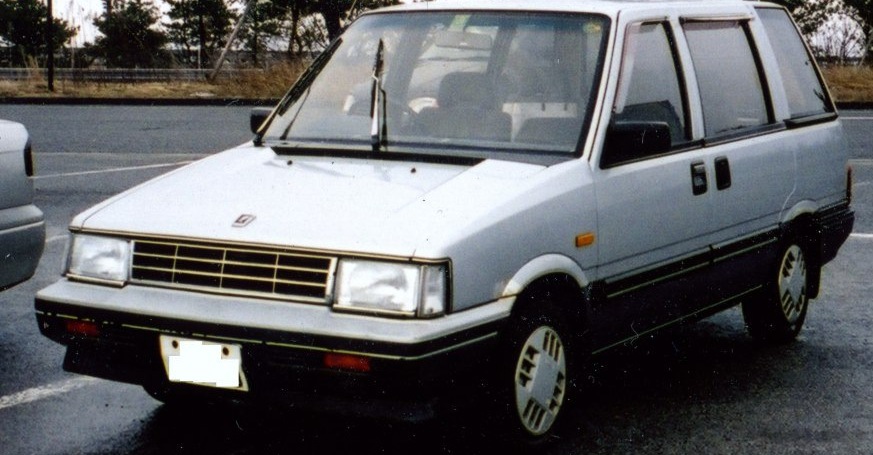
The Nissan Prairie (M10, and subsequently NM10) 1.8 SGL represents a relatively uncommon, entry-level variant of Nissan’s innovative compact minivan produced between 1983 and 1985. Positioned as a more affordable option within the Prairie lineup, the 1.8 SGL aimed to provide practical family transportation with a focus on fuel efficiency and ease of use. The Prairie itself was a significant vehicle for Nissan, representing an early foray into the burgeoning minivan segment, particularly aimed at the Japanese domestic market (JDM). The M10 series, and later the NM10 with minor cosmetic and interior updates, offered a unique blend of functionality and styling that set it apart from more conventional boxy vans of the era. This particular 88 horsepower version, paired with an automatic transmission, was designed for urban driving and prioritized comfort over outright performance.
Technical Specifications
| Brand | Nissan |
| Model | Prairie |
| Generation | Prairie (M10, NM10) |
| Type | 1.8 SGL (M10) (88 Hp) |
| Start of Production | 1983 |
| End of Production | 1985 |
| Powertrain Architecture | Internal Combustion Engine |
| Body Type | Minivan |
| Fuel Type | Petrol (Gasoline) |
| Power | 88 Hp |
| Engine Aspiration | Naturally Aspirated |
Powertrain & Engine Architecture
The heart of the Prairie 1.8 SGL is Nissan’s 1798cc (approximately 1.8 liters) inline-four cylinder engine. This engine, typically designated as the Z18 series, is a naturally aspirated unit featuring a single overhead camshaft (SOHC) valvetrain. While specific engine codes varied slightly depending on the exact production year and market, the core architecture remained consistent. The Z18 utilized a two-barrel carburetor for fuel delivery, a common setup for vehicles of this era, prioritizing simplicity and cost-effectiveness over the more advanced fuel injection systems that would become prevalent later. The engine’s 88 horsepower output at around 5,600 rpm and approximately 108 lb-ft of torque at 3,600 rpm were modest, but adequate for the Prairie’s intended purpose. The automatic transmission paired with this engine was typically a three-speed unit, designed for smooth, comfortable shifts rather than sporty acceleration. This transmission was a key component of the SGL trim’s appeal, offering ease of driving in congested urban environments.
Driving Characteristics
The driving experience in a Prairie 1.8 SGL is best described as comfortable and practical. The 88 hp engine and three-speed automatic transmission combination doesn’t offer exhilarating performance. Acceleration is leisurely, and overtaking requires careful planning. Compared to the slightly more powerful (and often manually-equipped) versions of the Prairie, the 1.8 SGL feels noticeably slower. However, the automatic transmission provides a smooth and forgiving driving experience, particularly beneficial for drivers unfamiliar with manual transmissions. The gear ratios are optimized for fuel economy and low-speed maneuverability, making it well-suited for city driving. The steering is light and relatively precise, although it lacks the feedback found in more performance-oriented vehicles. The suspension, while not particularly sophisticated, provides a reasonably comfortable ride, absorbing bumps and imperfections in the road surface effectively. The overall driving experience is geared towards practicality and ease of use, rather than sporty handling or rapid acceleration.
Equipment & Trim Levels
The “SGL” designation in the Prairie 1.8 SGL trim level indicates a mid-range specification. Standard equipment typically included cloth upholstery, a basic AM/FM radio, and manual windows and door locks. The dashboard layout is functional and straightforward, with clearly labeled controls. The interior space is a key selling point of the Prairie, offering ample headroom and legroom for passengers in all three rows of seats. Optional extras available for the SGL trim could include air conditioning, upgraded audio systems, and power windows. The interior trim materials were generally durable and practical, reflecting the vehicle’s focus on functionality. The exterior styling of the SGL trim was relatively understated, with minimal chrome trim and standard steel wheels with hubcaps. The Prairie’s unique styling, with its distinctive rear quarter windows and overall wedge shape, set it apart from other minivans of the era.
Chassis & Braking
The Nissan Prairie M10/NM10 utilized a body-on-frame construction, a common practice for vans and trucks during the early 1980s. The suspension system consisted of independent front suspension with MacPherson struts and a solid rear axle with leaf springs. This setup provided a reasonable balance between ride comfort and load-carrying capacity. The braking system on the Prairie 1.8 SGL typically featured drum brakes on all four wheels, which was standard for vehicles in this price range at the time. While adequate for normal driving conditions, the drum brakes lacked the stopping power and fade resistance of disc brakes. The steering system was a recirculating ball type, providing light and easy steering effort. The chassis was designed to prioritize practicality and durability, rather than sporty handling. Stabilizer bars were often omitted on the base SGL trim to keep costs down, further contributing to the vehicle’s comfortable but less-than-sporty ride.
Market Reception & Comparison
The Nissan Prairie 1.8 SGL received mixed reviews from automotive critics. While praised for its spacious interior, innovative styling, and comfortable ride, it was often criticized for its lack of power and relatively basic equipment levels. Compared to other minivans available at the time, such as the Toyota Van or the Mitsubishi Space Wagon, the Prairie offered a more distinctive design but lacked the refinement and performance of some of its competitors. The 1.8L engine and automatic transmission combination was seen as a good choice for drivers prioritizing ease of use and fuel economy, but those seeking more spirited performance were better served by the manual transmission or higher-output engine options. Fuel economy was reasonable for the era, averaging around 22-25 mpg in combined driving conditions. Reliability was generally good, although the carburetor required periodic maintenance. The Prairie 1.8 SGL was positioned as an entry-level minivan, appealing to budget-conscious families seeking a practical and versatile vehicle.
Legacy
The Nissan Prairie, particularly the M10 series, holds a unique place in automotive history as one of the early examples of the modern minivan. While not a massive sales success outside of Japan, it paved the way for Nissan’s future minivan offerings. The 1.8 SGL variant, while less common than other trims, remains a sought-after vehicle among collectors and enthusiasts interested in classic Japanese automobiles. The Z18 engine, while not known for its high performance, is generally considered to be a reliable and durable unit, provided it receives regular maintenance. In the used car market today, Prairie 1.8 SGL models in good condition are becoming increasingly rare and valuable. Parts availability can be challenging, but a dedicated community of enthusiasts helps to keep these vehicles on the road. The Prairie’s innovative design and practical features continue to be appreciated by those who recognize its significance as a pioneering minivan.